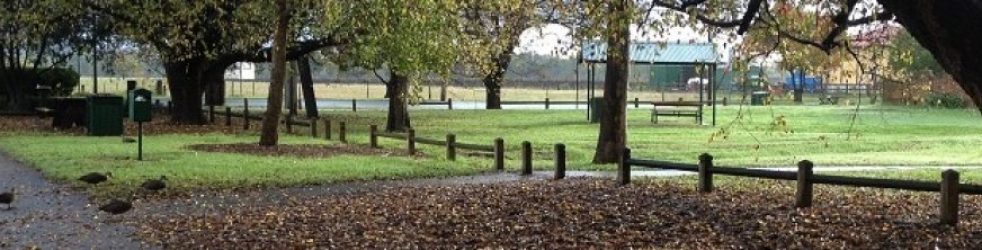
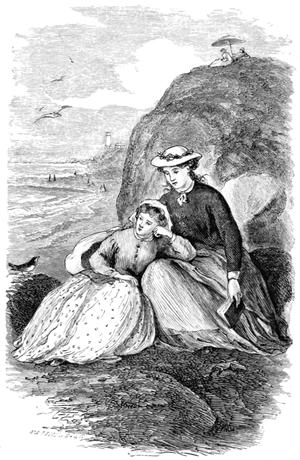
Scarlet fever, the disease, historically depicted in literature and film, caused widespread fear and hardship, significantly impacting dairy farming communities. Numerous works illustrate its societal ramifications and personal tragedies. Notable figures who contracted scarlet fever included Thomas Edison and members of the Darwin family. Scarlet fever emerged in Camden in the late 1890s, prompting the establishment of a cottage hospital due to its severe impact on dairy farmers.
Category: 19th Century

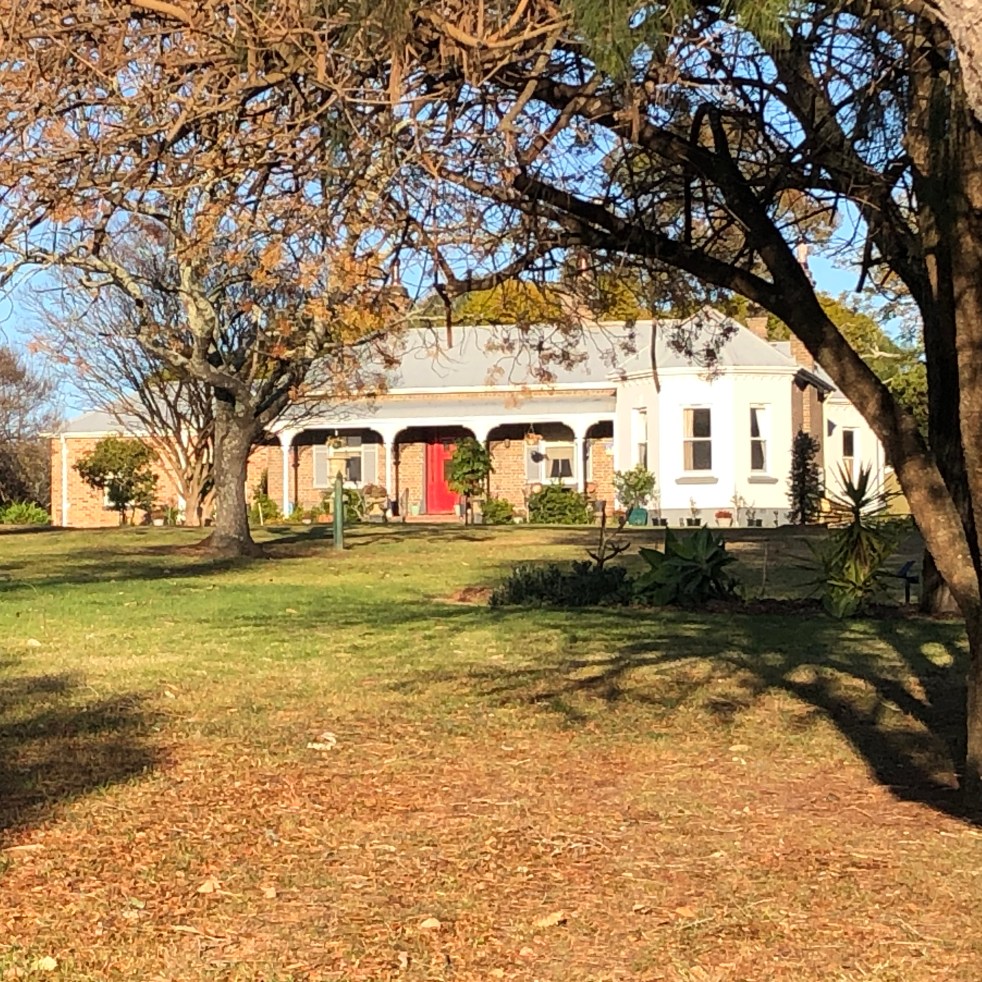
Exploring Hilsyde: A Look at Elderslie’s Historic Home
Hilsyde, originally known as Pammenter, is a Victorian single-storey brick residence built in 1888 by WC Furner in Elderslie. The property features a galvanised iron roof, bay windows, and retains good integrity. It served as Hilsyde Lodge from 1978 to 2003, catering to Christian women workers, and is heritage-listed.
Share this:

Share this:

Exploring the ‘Infinity Tracks’ Art Installation in Oran Park
The 'Infinity Tracks' art installation in Oran Park honors the region's heavy haulage industry, highlighting the historical impact of the transport industry and Oran Park Town urban development. Commissioned in 2020 by Greenfields Development Co and TRN House, it enhances the forecourt's aesthetic while reflecting the area's economic growth and employment contributions from the haulage sector and urban development.
Share this:

Share this:
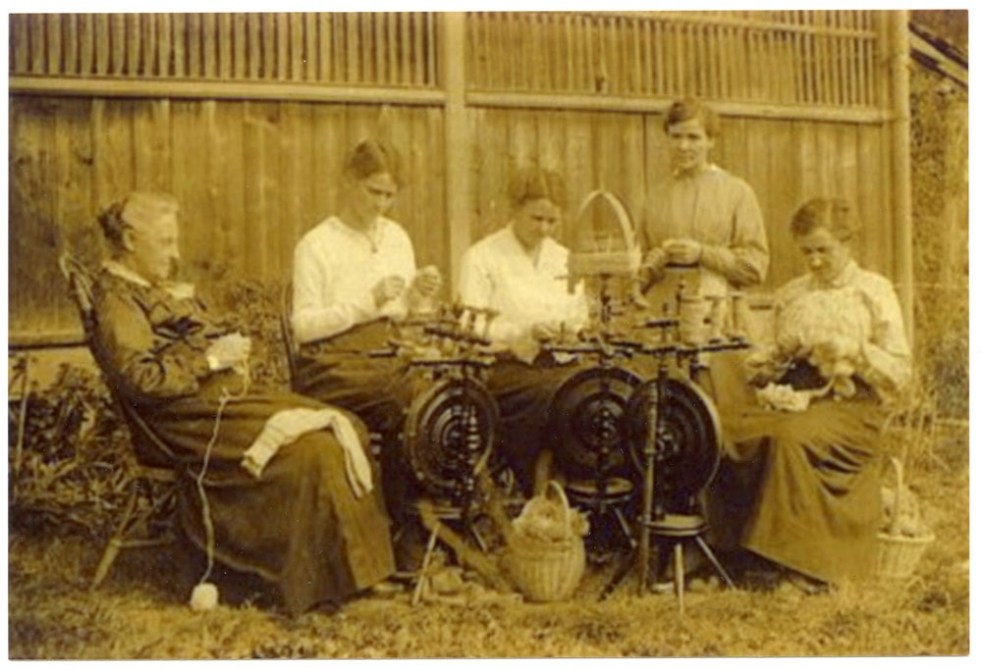
Camden Cottage Hospital, from accidents to amputations and early patient experiences
The Camden Cottage Hospital, opened in April 1899, initially struggled with low patient admissions due to community reluctance. Early cases included accidents and serious conditions, leading to treatments and surgeries like amputations. By early 1900, there was increasing community trust and the permanent facility opened in May 1902.
Share this:

Share this:

1901 Anniversary Day sports and other amusements on January 26 in aid of the Camden Cottage Hospital.
On January 26, 1901, a sports day organized by the Combined United Friendly Societies raised funds for the Camden Cottage Hospital. The event featured various competitions and attracted around 1,000 attendees, earning £60. Despite mixed reviews from the local editor, the day represented community unity and historical significance in celebrating European settlement.
Share this:

Share this:
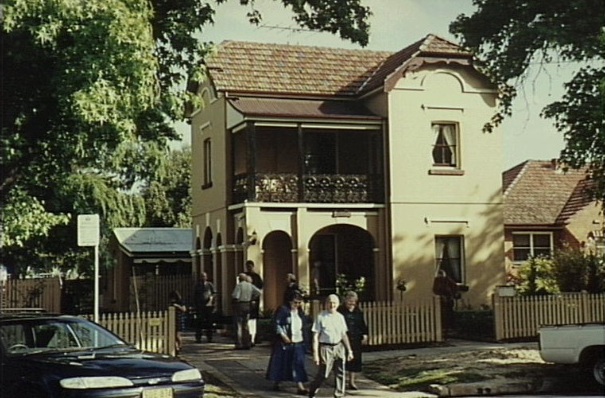
Camden Cottage Hospital – early English influences and the cottage hospital movement
The Camden Cottage Hospital, inspired by the English cottage hospital movement, was established in 1899 in New South Wales. This model provided the community with a small, welcoming healthcare facility, funded by donations and subscriptions. Over time, cottage hospitals became integral to the healthcare landscape in rural Australia, adapting local characteristics.
Share this:

Share this:
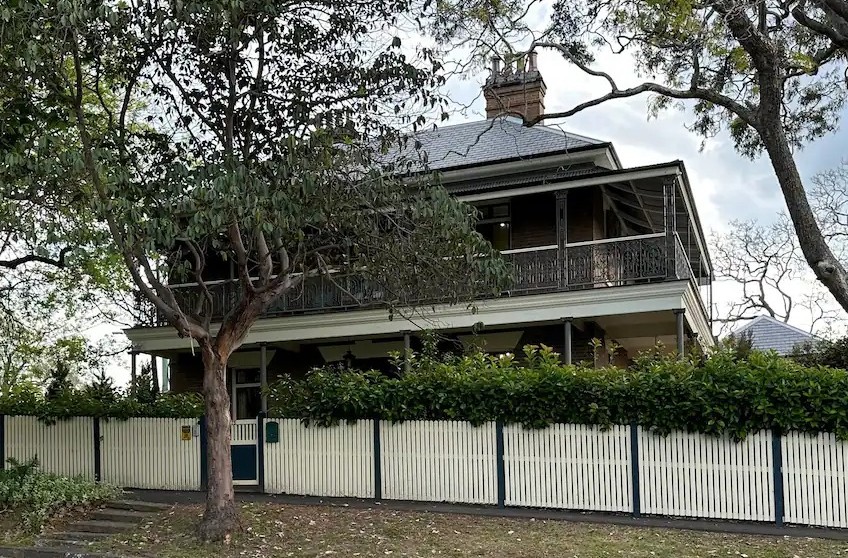
Dr Crookston’s Estate: A New Chapter in Camden’s Heritage
Dr Crookston's house and garden in Camden has been revitalized into an entertainment venue, preserving its rich history. New owners Shane and Rhiannon Smith manage this adaptive reuse, offering various activities that enhance heritage tourism. The estate now fosters local pride while contributing to economic growth, transforming the once-closed site into a vibrant community asset.
Share this:

Share this:
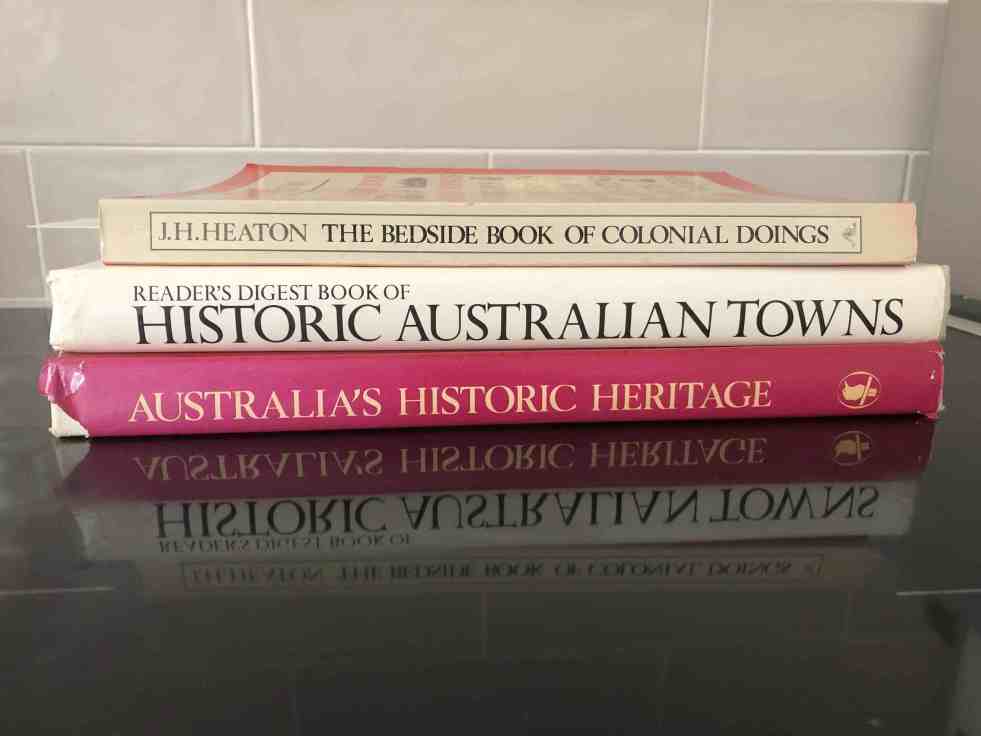
Rediscovering Forgotten Australian History Books
The blog post discusses three historically significant Australian books from the 1980s, which have become neglected items. Heaton’s work is a reference on early Australian history, while Smith’s volume showcases historical sites through photography. Morrison and Irving focus on historic towns and architectural heritage. Collectively, they reflect on popular historiography in Australia.
Share this:

Share this:
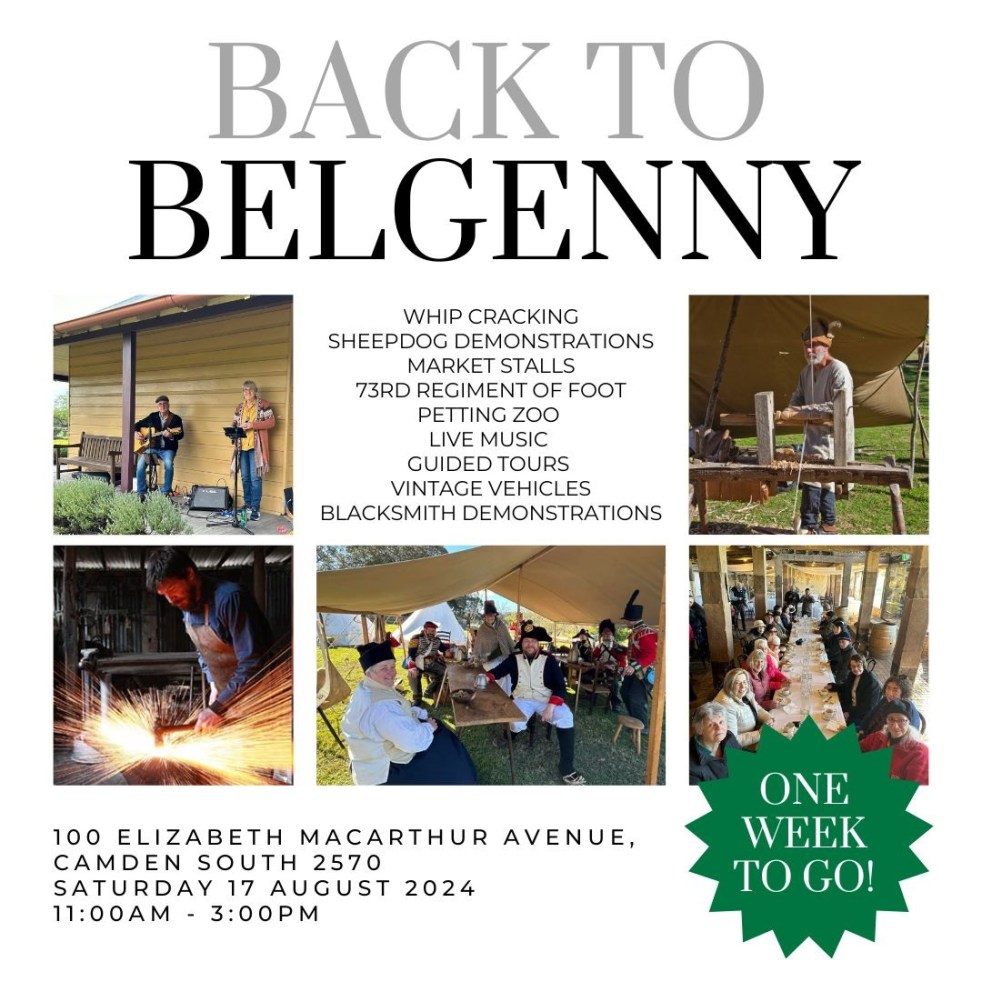
Explore Belgenny Farm: A Journey Through Time 2024
The 2024 Back to Belgenny festival showcased living history at Belgenny Farm, featuring reenactments, traditional trades, and various activities such as sheepdog trials and guided tours. The event included a demonstration by Governor Macquarie’s regiment and highlighted the farm's historical significance, providing visitors with an immersive glimpse into colonial agricultural life.
Share this:

Share this:
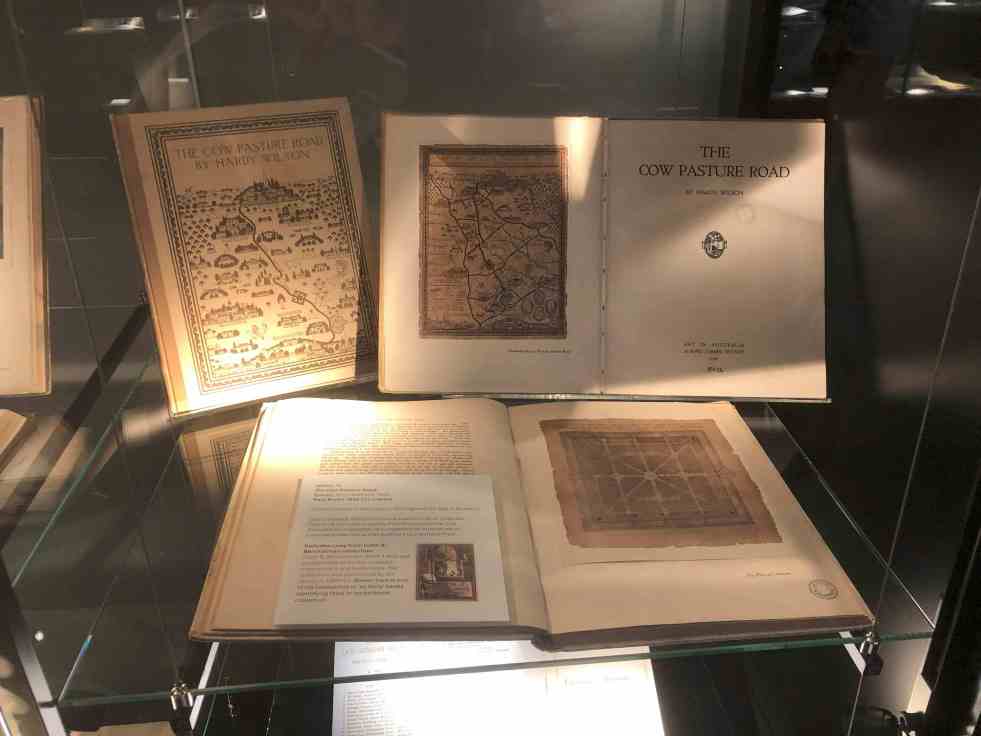
Unveiling Hardy Wilson’s architectural legacy and his influence on Camden’s aesthetics
William Hardy Wilson, a largely unrecognized architect and artist, authored The Cow Pasture Road in 1920, impacting Camden's cultural narrative. His work celebrates colonial architecture and aesthetics, leading to a recent exhibition at the University of Sydney Library, which explores his dual legacy as both a visionary artist and controversial figure in Australian history.

