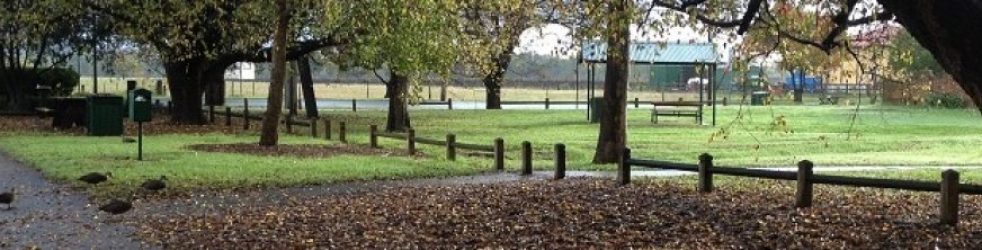
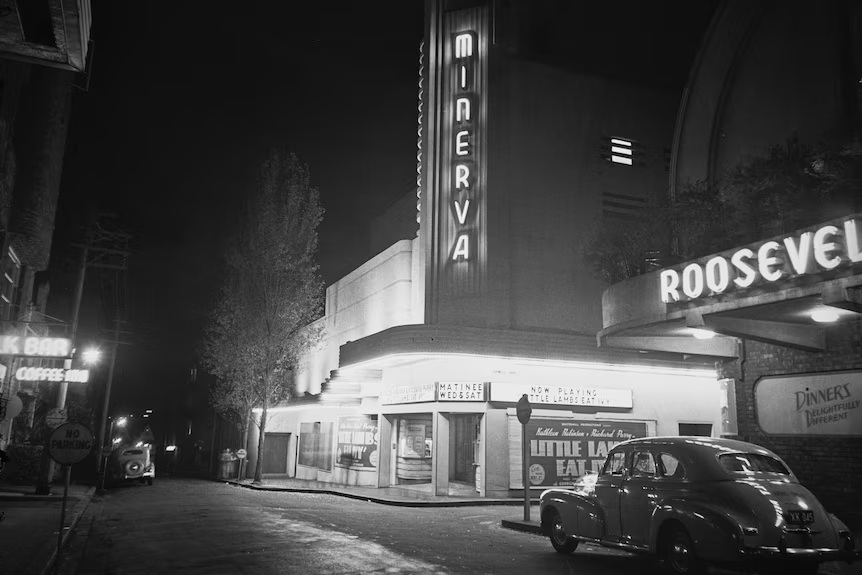
Sydney presents a striking contrast between its stunning harbour and perceived lack of cultural depth. Critics argue the city is a "cultural wasteland," with isolated artistic venues and a fragmented entertainment scene, unlike the vibrant precincts found in Melbourne, London and New York. Sydney's cultural identity partly emerges from its diverse tribes and subcultures that are found in the depths of the suburbs.
Category: 20th century

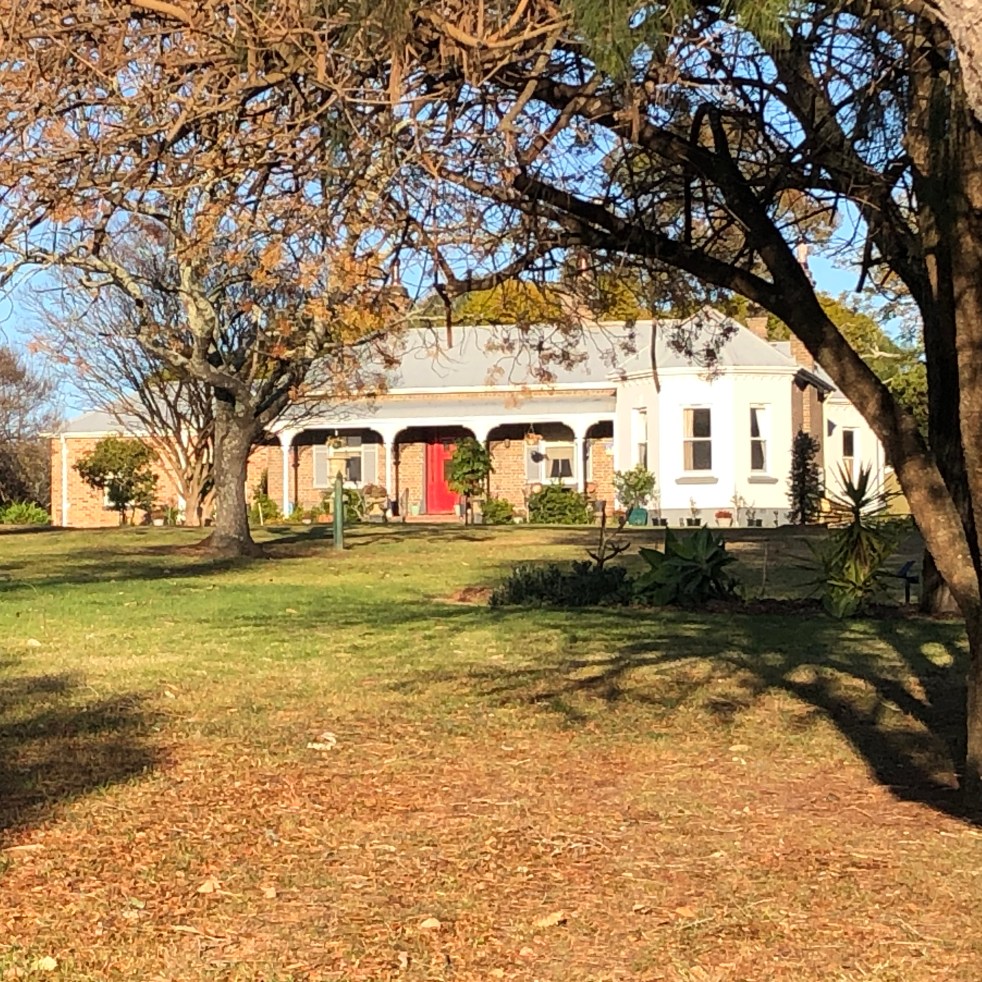
Exploring Hilsyde: A Look at Elderslie’s Historic Home
Hilsyde, originally known as Pammenter, is a Victorian single-storey brick residence built in 1888 by WC Furner in Elderslie. The property features a galvanised iron roof, bay windows, and retains good integrity. It served as Hilsyde Lodge from 1978 to 2003, catering to Christian women workers, and is heritage-listed.
Share this:

Share this:
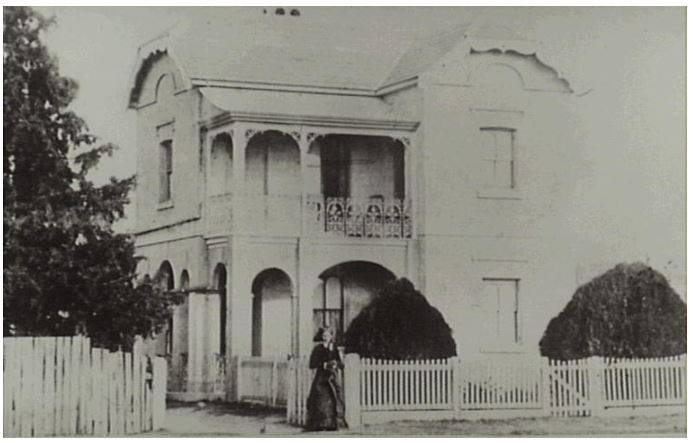
Camden’s First Hospital: A Historical Insight
Camden historian Dr. Ian Willis will present a paper on the origins of Camden Cottage Hospital at the 2025 Australian Historical Association Annual Conference. His paper, focusing on the hospital's role in rural health from 1899-1902, highlights community resilience and offers insights into local history and heritage in New South Wales.
Share this:

Share this:
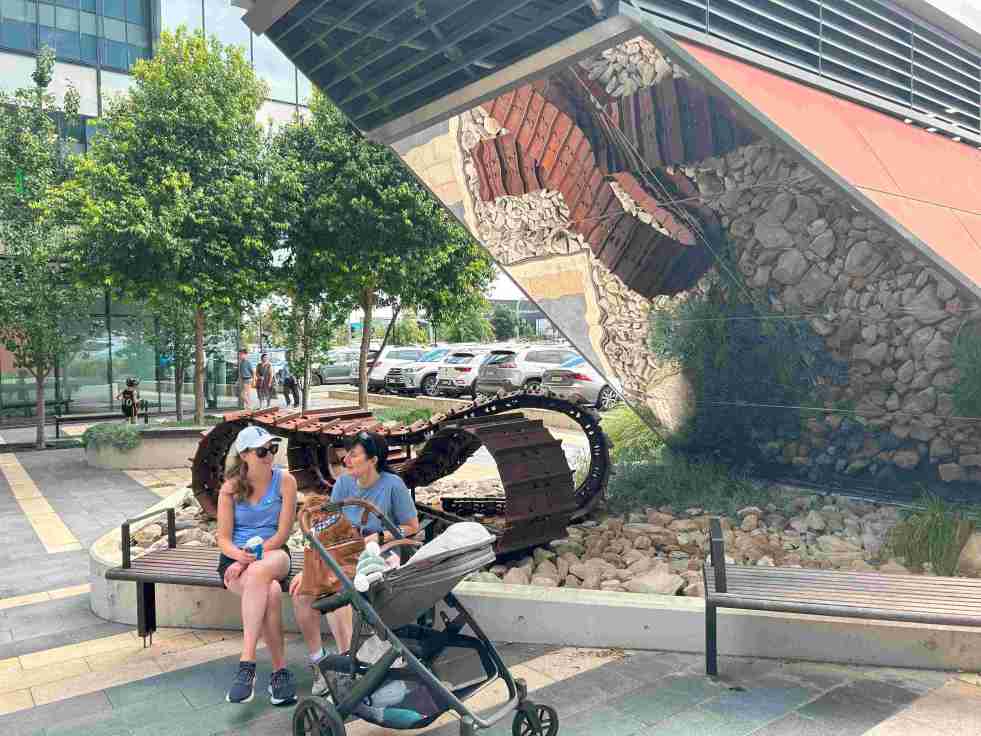
Exploring the ‘Infinity Tracks’ Art Installation in Oran Park
The 'Infinity Tracks' art installation in Oran Park honors the region's heavy haulage industry, highlighting the historical impact of the transport industry and Oran Park Town urban development. Commissioned in 2020 by Greenfields Development Co and TRN House, it enhances the forecourt's aesthetic while reflecting the area's economic growth and employment contributions from the haulage sector and urban development.
Share this:

Share this:
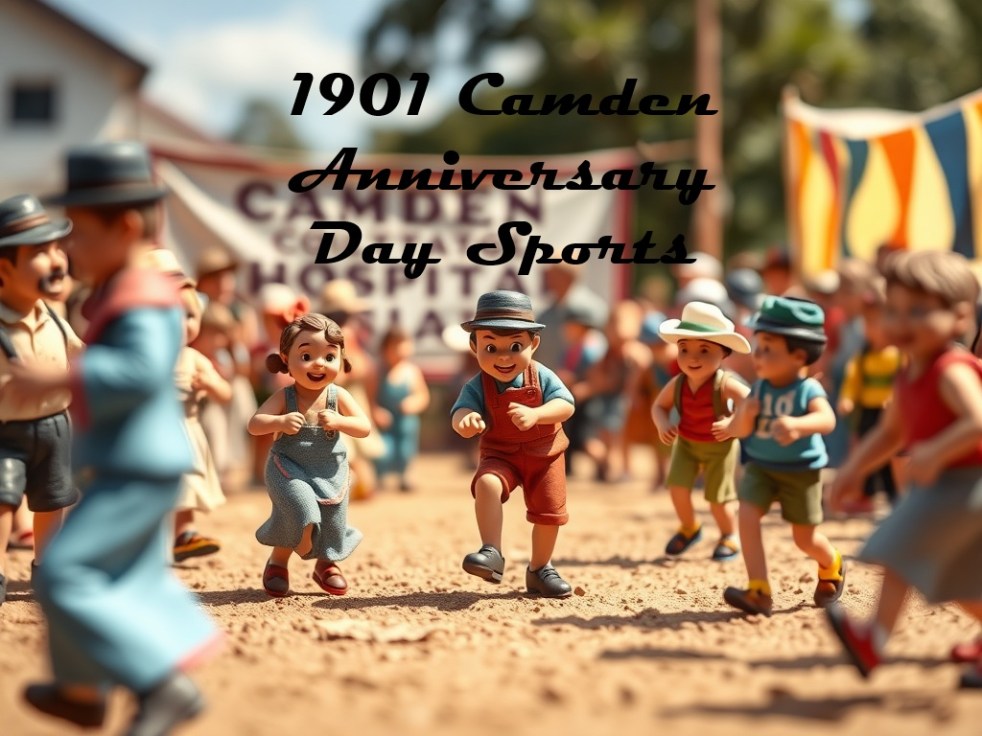
1901 Anniversary Day sports and other amusements on January 26 in aid of the Camden Cottage Hospital.
On January 26, 1901, a sports day organized by the Combined United Friendly Societies raised funds for the Camden Cottage Hospital. The event featured various competitions and attracted around 1,000 attendees, earning £60. Despite mixed reviews from the local editor, the day represented community unity and historical significance in celebrating European settlement.
Share this:

Share this:
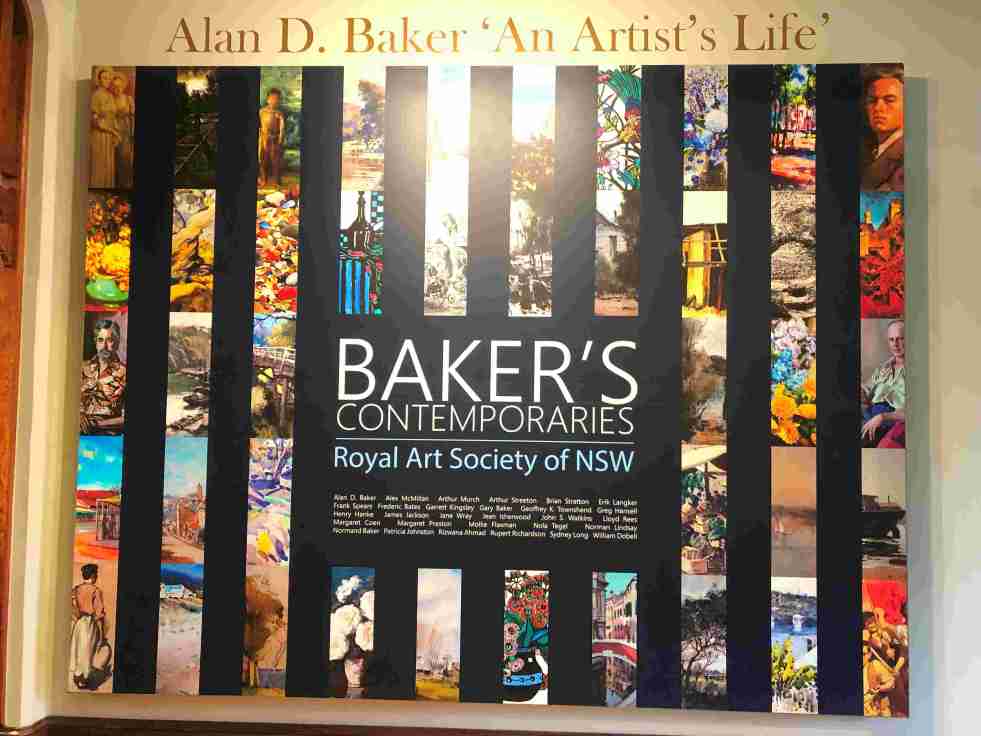
Baker’s Contemporaries: A New Art Exhibition in Camden
The Alan Baker Art Gallery opened its exhibition ‘Baker’s Contemporaries Royal Art Society of NSW’ on December 6, showcasing significant artworks from the 20th century by notable Australian artists. The event featured speeches, local entertainment, and highlighted the historical Macaria building, representing its evolution from a residence to an art gallery. Entry is free until May 2025.
Share this:

Share this:
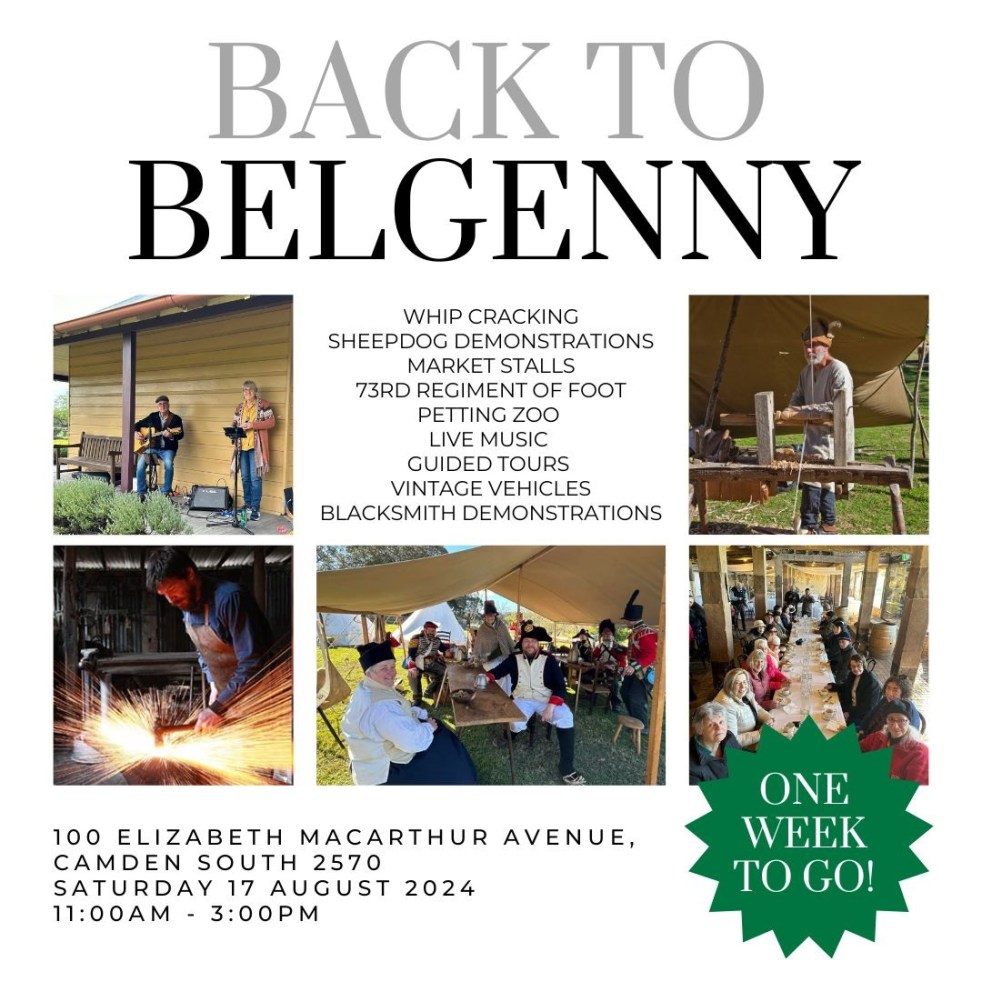
Explore Belgenny Farm: A Journey Through Time 2024
The 2024 Back to Belgenny festival showcased living history at Belgenny Farm, featuring reenactments, traditional trades, and various activities such as sheepdog trials and guided tours. The event included a demonstration by Governor Macquarie’s regiment and highlighted the farm's historical significance, providing visitors with an immersive glimpse into colonial agricultural life.
Share this:

Share this:
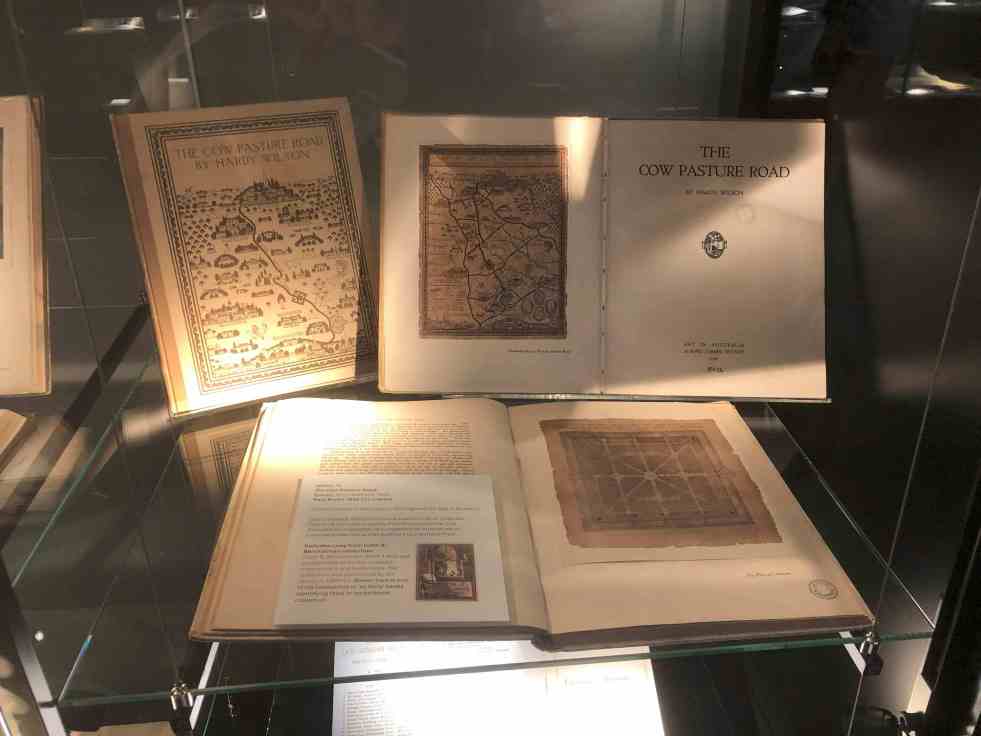
Unveiling Hardy Wilson’s architectural legacy and his influence on Camden’s aesthetics
William Hardy Wilson, a largely unrecognized architect and artist, authored The Cow Pasture Road in 1920, impacting Camden's cultural narrative. His work celebrates colonial architecture and aesthetics, leading to a recent exhibition at the University of Sydney Library, which explores his dual legacy as both a visionary artist and controversial figure in Australian history.
Share this:

Share this:

Libertarianism: Key Principles and Philosophical Roots
Libertarianism, a political philosophy advocating for freedom, questions authority and seeks societal transformation. It encompasses various ideologies, from leftist to ultra-conservative. Originating during the Enlightenment, libertarianism emphasizes individual autonomy, opposes state power, and aligns with anarchism. Critics argue it fosters individualism, neglecting community roles and opposing various social interventions.
Share this:

Share this:
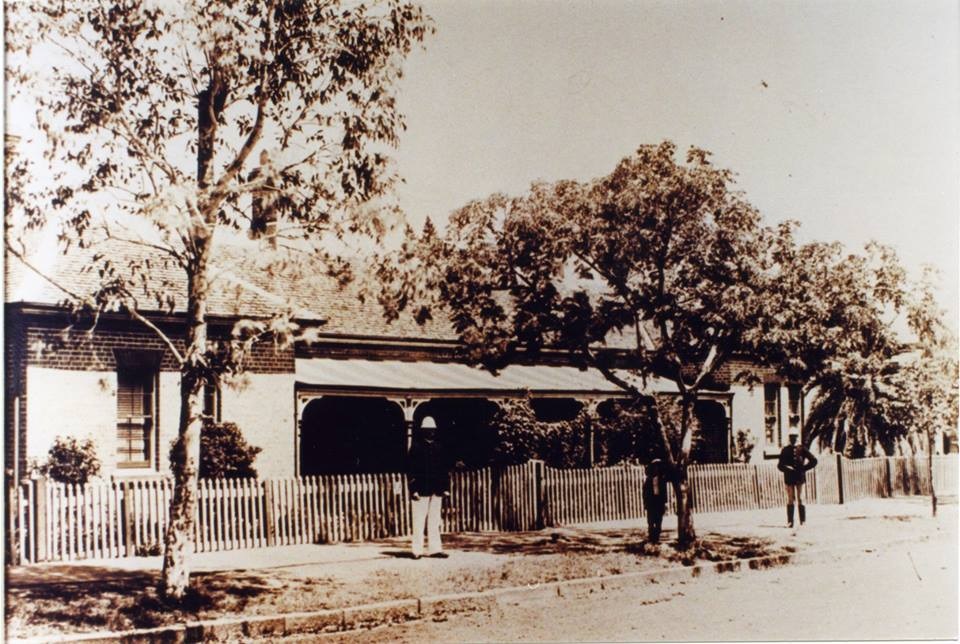
Camden Police Station and Residence: A Historical Landmark in Camden
Camden Police Station, a single-storey brick building at 35 John Street, was constructed in 1878 and served the NSW Police Service until 2011. Designed by James Barnet, it features historical architectural elements, including a paved verandah and brick chimneys. Currently vacant, it is recognized for its heritage value within the Camden community.

