
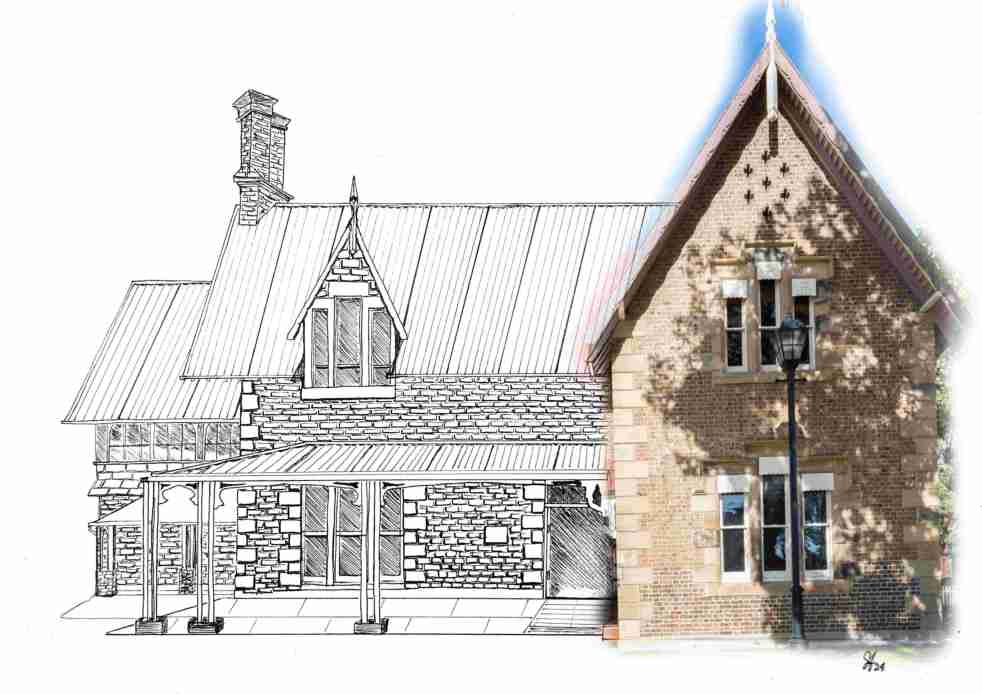
The Camden area boasts a vibrant art culture, featuring public art and local artists like Sarah Ashcroft. After retiring from the NSW Police Force due to PTSD, Sarah found solace in drawing, particularly architectural pieces. She aims to preserve local history through her art while promoting awareness about mental health and creativity.
Category: Camden Story

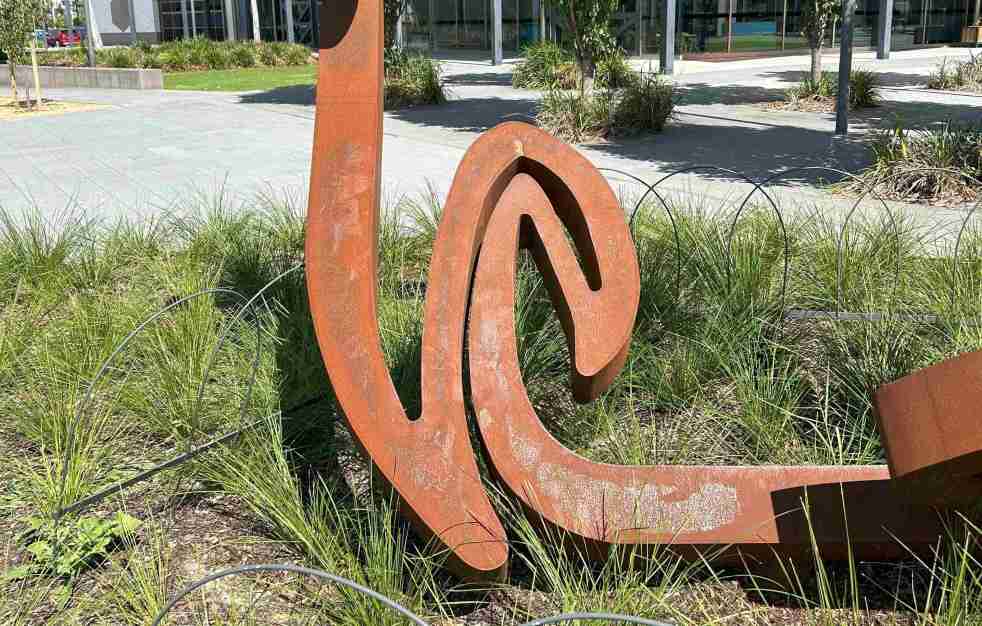
Exploring Greg Johns’s public art installation outside the Oran Park Leisure Centre
At the front of the Oran Park Leisure Centre is Greg Johns' art installation, Vortex Mandala, which was inaugurated on 21 October 2024. This public artwork reflects swirling patterns symbolizing energy flow and consciousness. Johns, influenced by the Adelaide Hills, aims to create significant public sculptures that engage viewers and enhance the local environment.
Share this:

Share this:
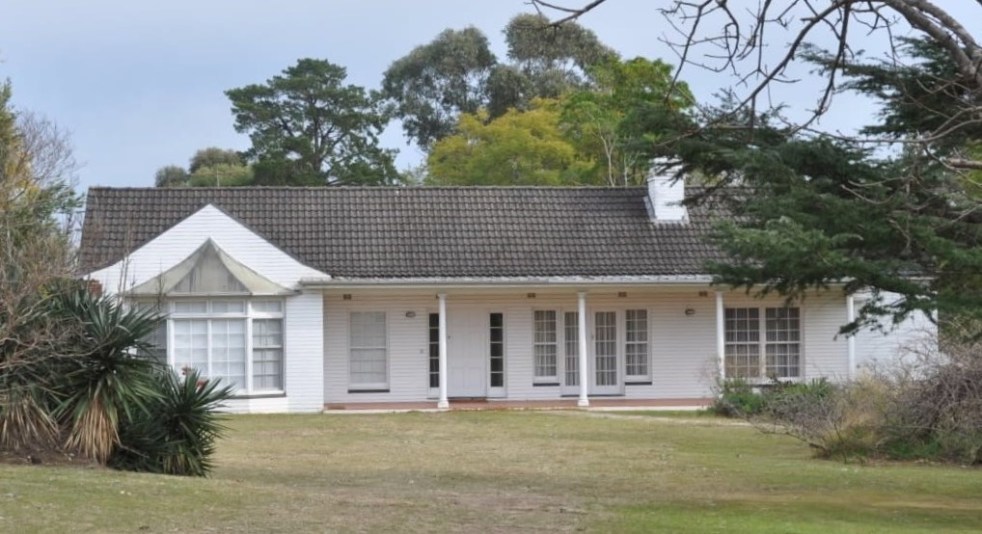
A Journey Through Camden’s Mid-Century Housing Architecture
Camden's mid-century housing, developed between the 1940s and 1970s, reflects a worldwide modernism movement. Characterized by simple lines and open spaces, these homes arose amid urban growth linked to the new jobs created by the Burragorang coalfields. Unfortunately, many of these historic structures are disappearing, necessitating greater recognition and appreciation of their significance.
Share this:

Share this:
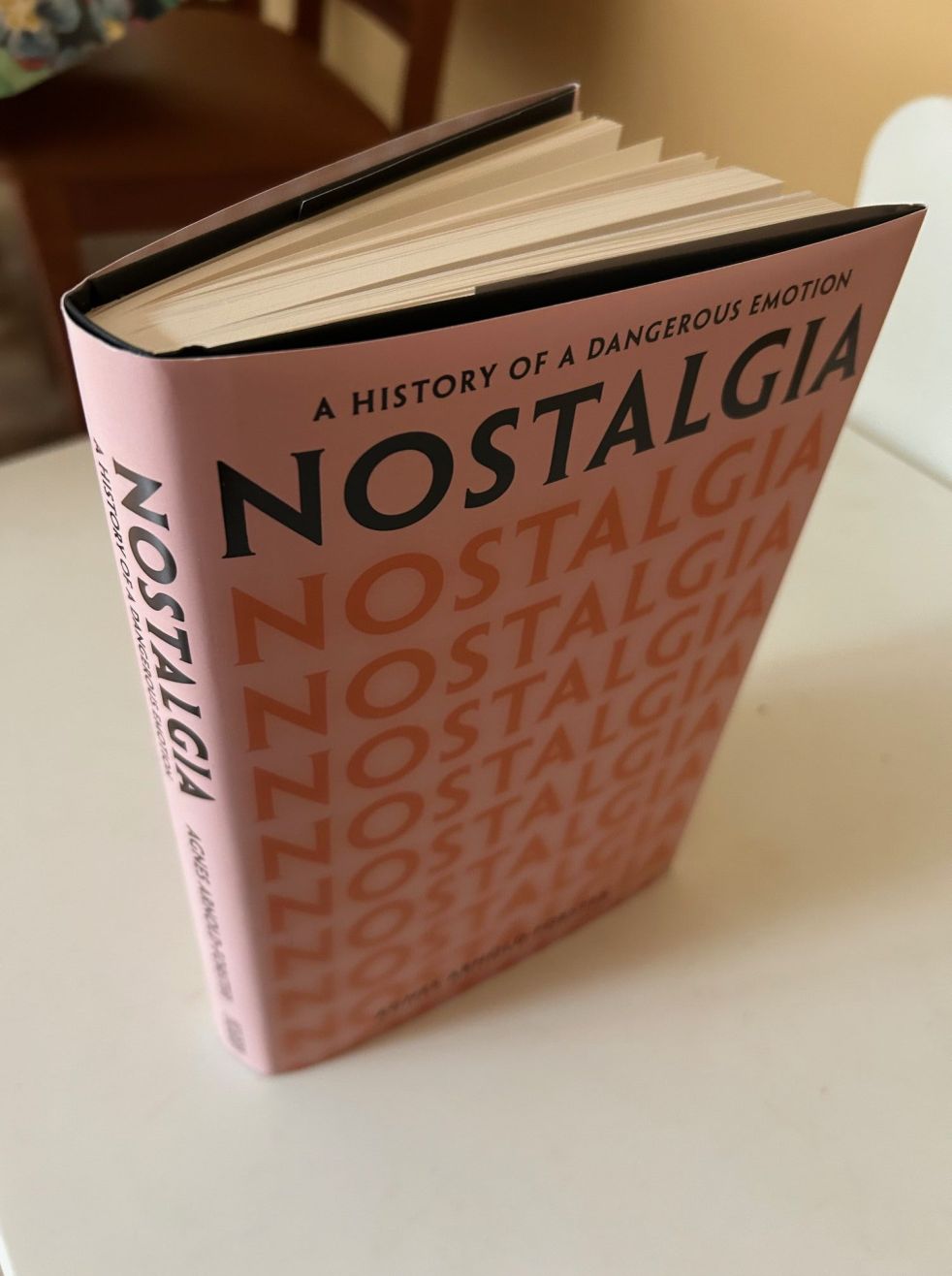
Exploring nostalgia, more than a rear vision view of the world
Agnes Arnold-Forster's "Nostalgia: A History of a Dangerous Emotion" explores the multifaceted nature of nostalgia, reflecting societal anxieties and its weaponization by politicians. The book illustrates nostalgia's importance in contemporary culture, as seen in varying contexts like music and Australia Day debates, while offering a historical perspective on its evolution and impact.
Share this:

Share this:
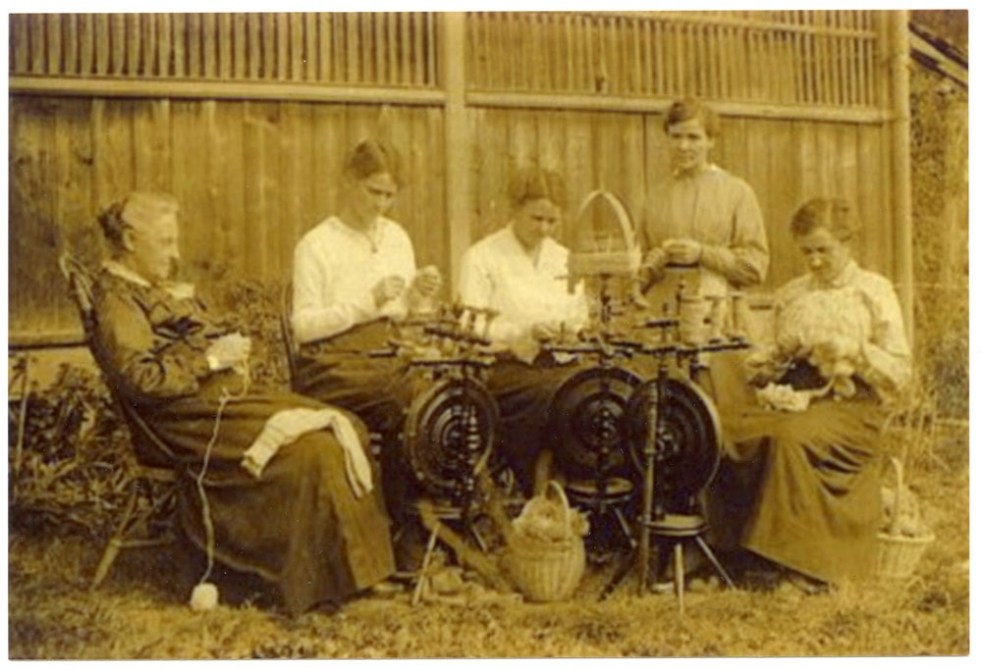
Camden Cottage Hospital, from accidents to amputations and early patient experiences
The Camden Cottage Hospital, opened in April 1899, initially struggled with low patient admissions due to community reluctance. Early cases included accidents and serious conditions, leading to treatments and surgeries like amputations. By early 1900, there was increasing community trust and the permanent facility opened in May 1902.
Share this:

Share this:
1901 Anniversary Day sports and other amusements on January 26 in aid of the Camden Cottage Hospital.
On January 26, 1901, a sports day organized by the Combined United Friendly Societies raised funds for the Camden Cottage Hospital. The event featured various competitions and attracted around 1,000 attendees, earning £60. Despite mixed reviews from the local editor, the day represented community unity and historical significance in celebrating European settlement.
Share this:

Share this:
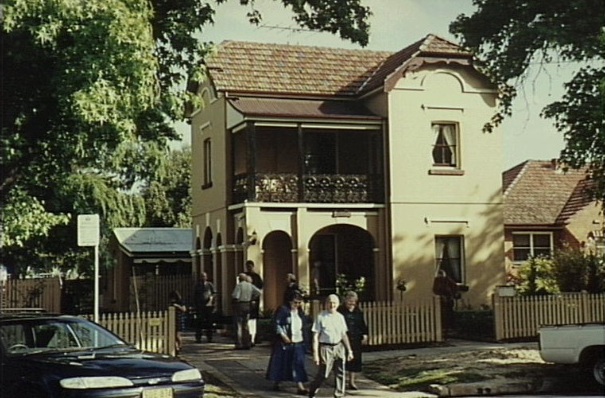
Camden Cottage Hospital – early English influences and the cottage hospital movement
The Camden Cottage Hospital, inspired by the English cottage hospital movement, was established in 1899 in New South Wales. This model provided the community with a small, welcoming healthcare facility, funded by donations and subscriptions. Over time, cottage hospitals became integral to the healthcare landscape in rural Australia, adapting local characteristics.
Share this:

Share this:
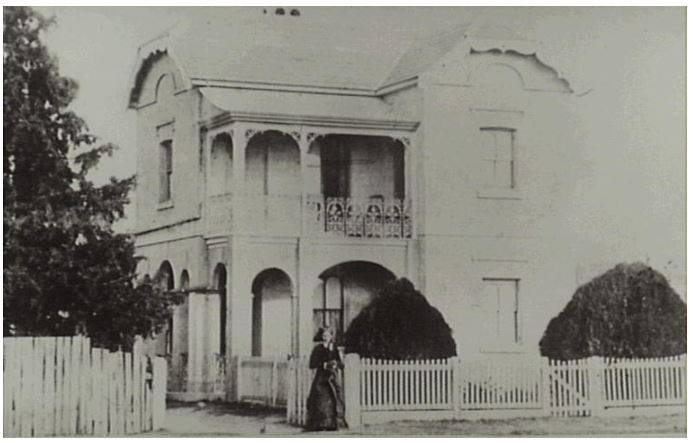
Camden Cottage Hospital – foundation and early days
By the 1890s, Camden's economy depended on dairy, but health concerns arose due to contaminated water and infectious diseases like scarlet fever. In response, the community pushed for a cottage hospital, leading to its opening in 1899. Local efforts highlighted the crucial link between health and the dairy industry's sustainability.
Share this:

Share this:
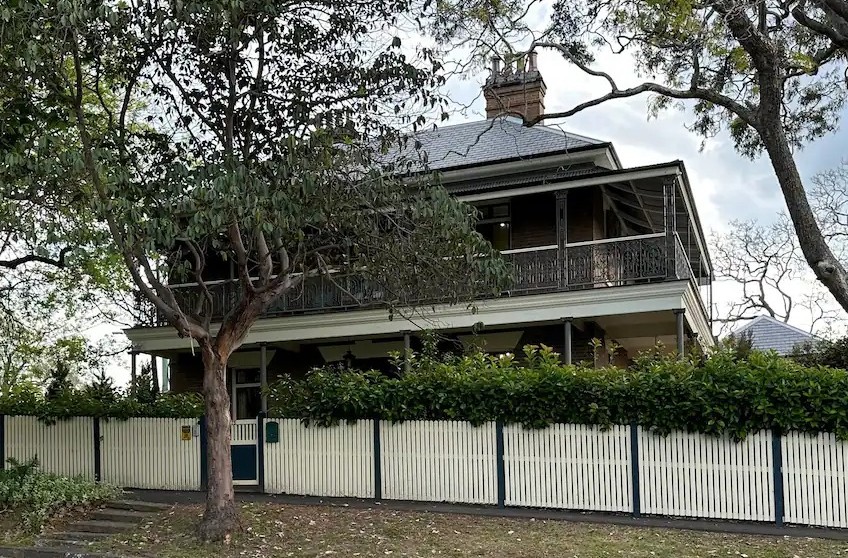
Dr Crookston’s Estate: A New Chapter in Camden’s Heritage
Dr Crookston's house and garden in Camden has been revitalized into an entertainment venue, preserving its rich history. New owners Shane and Rhiannon Smith manage this adaptive reuse, offering various activities that enhance heritage tourism. The estate now fosters local pride while contributing to economic growth, transforming the once-closed site into a vibrant community asset.
Share this:

Share this:
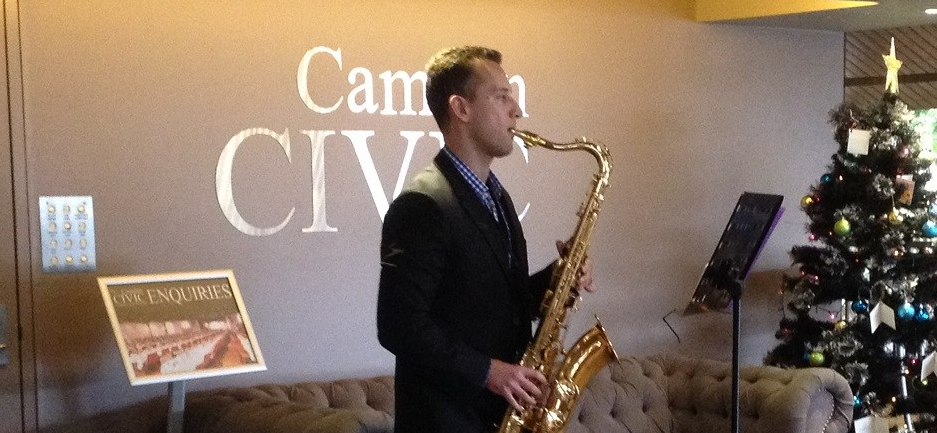
Camden Council’s Volunteer Thank You Receptions Highlights
The 2024 Camden Volunteer Thank You Reception celebrated local volunteers with a musical introduction, remarks by Mayor Ashleigh Cagney, and a served meal. Approximately 170 volunteers enjoyed the evening, which included entertainment. This annual event highlights the importance of volunteering in the Camden community and fosters social connections and community resilience.

