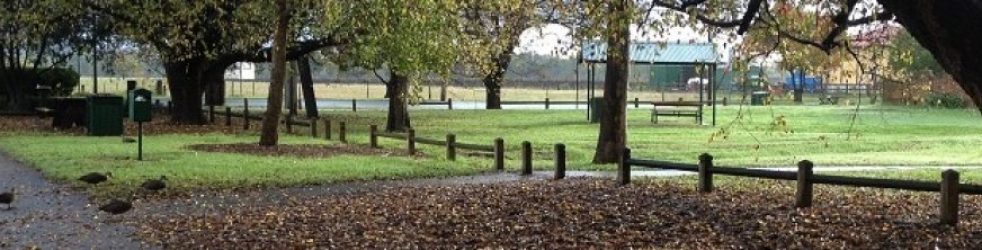
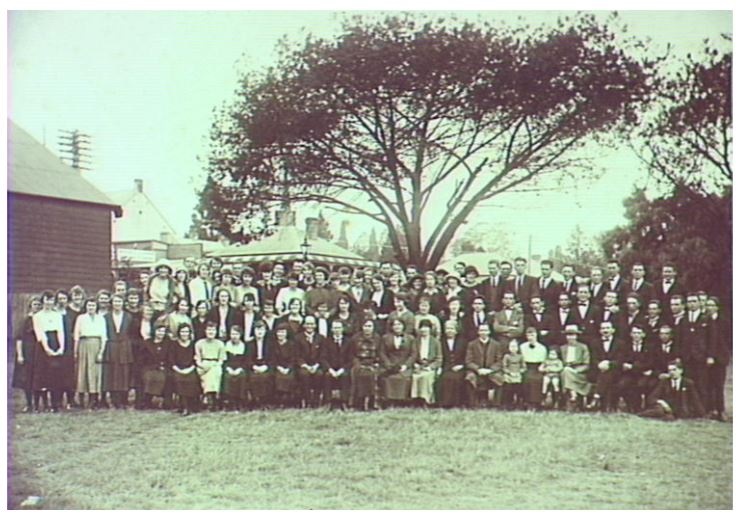
In 1924, a group of trainee teachers from Sydney Teachers College visited Camden for practical training, sparking local curiosity. This visit was part of a tradition that began in 1921, providing hands-on experience in local schools. The program's success was notable, drawing attention from education authorities and the media, and leaving a lasting impact on the community.
Category: Community identity

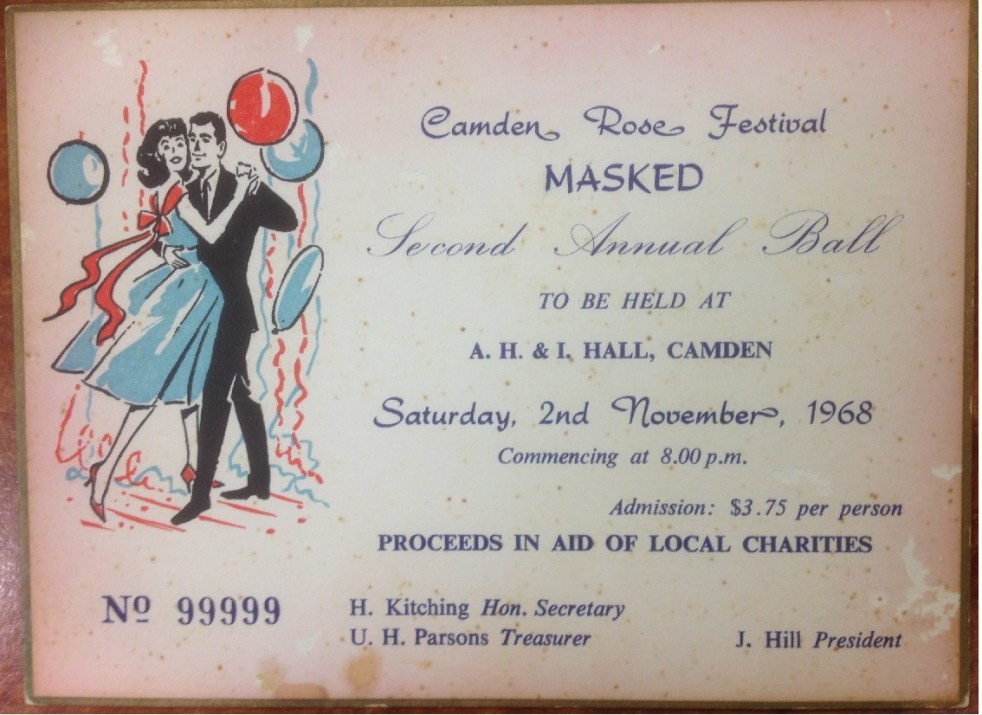
Camden Rose Festival 1968: history and festivities
The Camden Rose Festival, founded by JW Hill, celebrated the 1960s' prosperity and optimism. The festival included a street parade, wheelbarrow derby, art exhibition, and a masked ball. The event attracted significant community participation and raised funds for Camden District Hospital. The festival reflected the spirit of the post-war years and local community engagement.
Share this:

Share this:
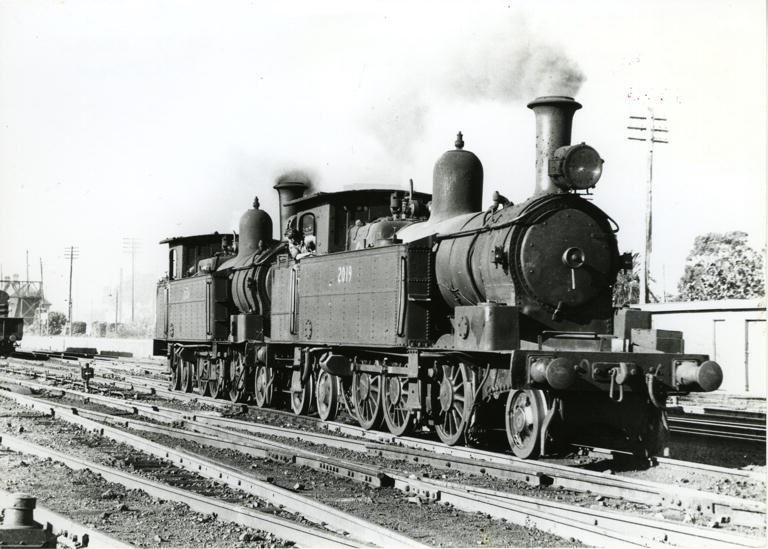
Exploring Camden’s Railway Heritage: Pansy and Its Timeless Stories
The Camden branch line, with its famous locomotive Pansy, holds a special place in the memories of locals and visitors. Operating from 1882 to 1963, it served as a lifeline for the community, transporting goods, passengers, and even wartime heroes. Despite its eventual closure, remnants of the line can still be seen today.
Share this:

Share this:

Connecting Community: John Street and the Art of Placemaking
John Street in Camden embodies the concept of 'place' as defined by various scholars. The precinct holds significance for the community, influencing their identity and emotional attachment. It possesses the potential for placemaking through elements such as cultural traditions, memorials, and events. Leverage of these elements can enhance community interactions and attachment, enriching residents' lives.
Share this:

Share this:
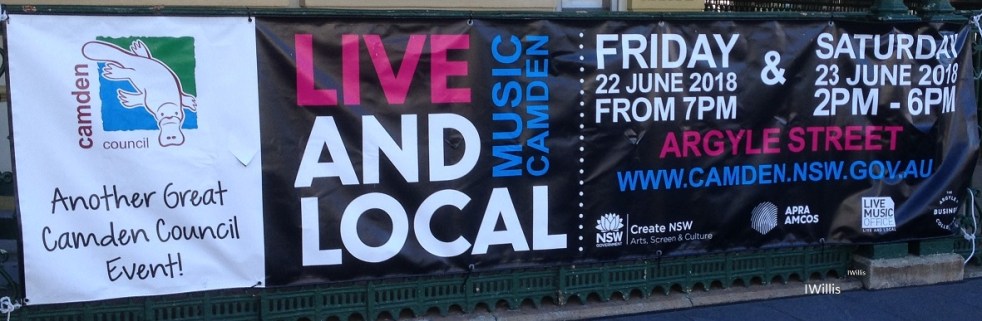
Camden Live & Local 2018: Eclectic Music Festival Across Camden’s Venues
The 2018 Live and Local Camden music festival showcased over 50 musicians across 15 eclectic venues. The festival's growth included jazz ensembles, young talents, and accomplished musicians, creating a diverse and immersive experience for attendees. This cultural event contributed to the development of an arts precinct and celebrated the significance of live music in community storytelling and place-making.
Share this:

Share this:

Airds Shopping Mall demolition, the unmet expectations of mid-century modernism
The Airds shopping mall's future encapsulates the decline of mid-century modernism in the midst of urban neglect. Once a symbol of optimism, the area's decay reflects broader global trends in retail. From failed Radburn principles to public housing challenges, the mall's history mirrors the clash of modernism and neoliberalism in Campbelltown. Despite the despair former residents report that they recall happy memories and stories of hope growing up in the area.
Share this:

Share this:

LiddellWORKS, art in action
The closure of Liddell Power Station in 2023 sparked artistic creations in the Hunter Valley. Sixteen artists generated artworks exploring the station's legacy. The power station, operational since the early 1970s, contributed significantly to the region's industrial landscape. The artworks aim to help local communities cope with the loss of jobs and the power station's impact on Australia's energy supply.
Share this:

Share this:
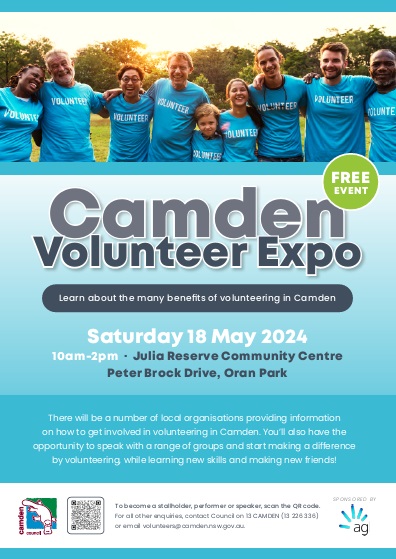
Volunteer Expo, an exceptional networking event
The Volunteer Expo at Julia Reserve Community Centre, Oran Park, NSW, showcased local community organizations during National Volunteer Week. The event aimed to promote volunteering and featured 36 organizations. The expo provided networking opportunities and highlighted the importance of social capital and storytelling in building community resilience. The Camden Council played a vital role in organizing the successful event.
Share this:

Share this:

Yearning, Longing and The Remaking of Camden’s Identity: the myths and reality of ‘a country town idyll’.
This article discusses the concept of a "country town idyll" in Camden, an idealised version of a country town from an imagined past that uses history to construct imagery based on Camden's heritage buildings and other material fabrics. The paper delves into the origins of the idyll, examines its development, and investigates its validity in its contemporary context. It shows how its supporters have used history as a community asset to remake Camden's identity and explore how the 'country town idyll' has been used variously as a political weapon, a marketing tool, and a tourist promotion.
Share this:

Share this:
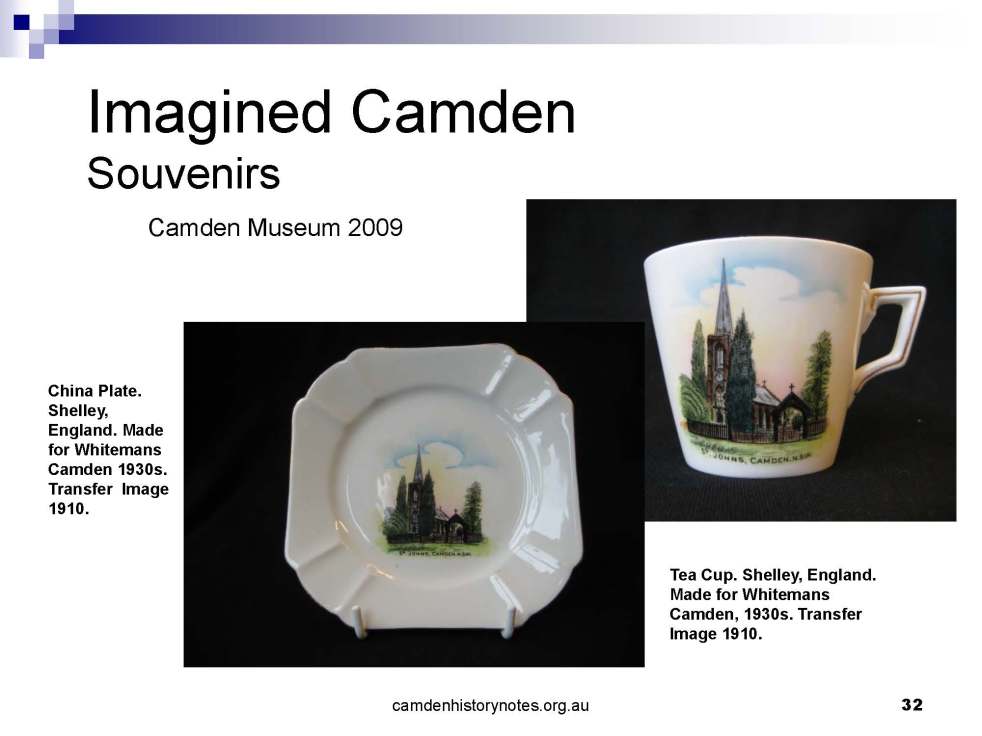
Camden, the making and re-making of familiar places
This presentation at the WEA-RAHS Seminar Series on 28 October 2009 at History House, Sydney, explores the conflict between urban expansion and the desire to preserve Camden's identity as a country town. It delves into the tension between nostalgic ideals and the reality of modern development in the area.

