Advertising · Agricultural heritage · Agriculture · Agriculture history · Artists · Artworks · Brands · Business · Business History · Cafes · Camden Story · Community identity · Cultural Heritage · Cultural icon · culture · Industrial Heritage · Local History · Local Studies · Lost Sydney · Marketing · Place making · Placemaking · Public art · Restaurant · Retail history · Retailing · Sense of place · Stories · Storytelling · Symbolism · Travellers · Uncategorized

Discover the Golden Fleece Globe Light at Camden Museum

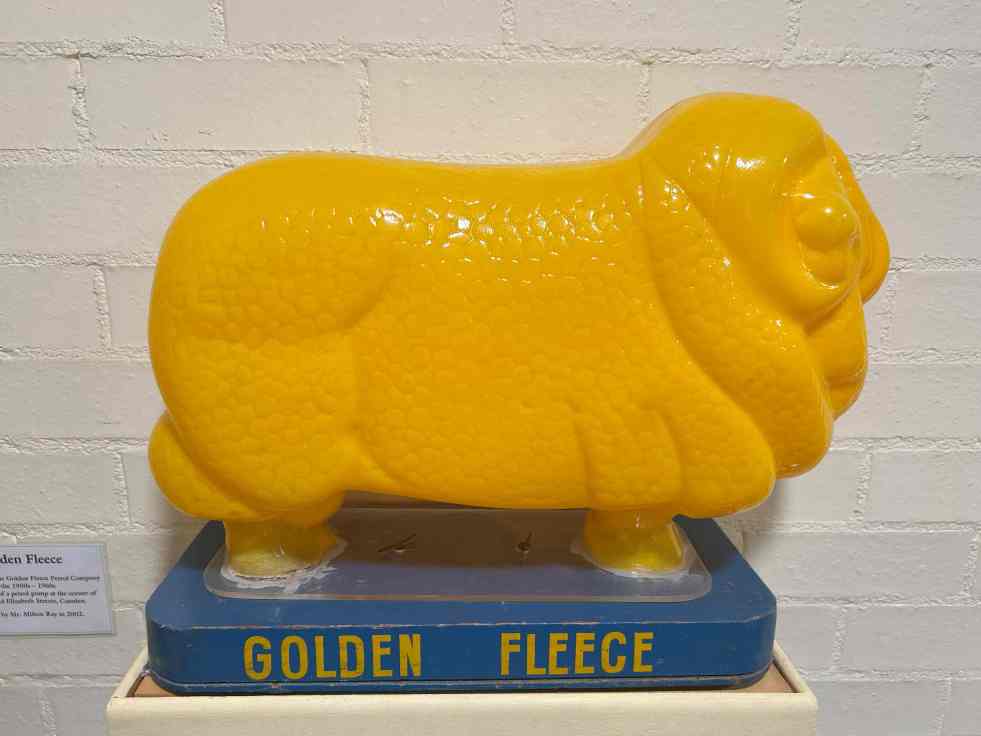
The Camden Museum showcases the Golden Fleece Globe Light, a plastic ram, symbolizing Australia's wool industry and its historical significance. Donated by Milton Ray in 2002, it highlights the Golden Fleece brand's marketing legacy. The ram, based on a prized merino, represents both local history and broader national heritage.

19th Century · 20th century · Active citizenship · Agency · Artefacts · Blue Plaques · Blue Plaques NSW · Business · Business History · Camden · Camden Modernism · Camden Museum · Camden Story · Commemoration · Community identity · Craft · Crafts · Cultural icon · Dress history · Economy · Fashion · Fashion History · Handcraft · Heritage · History · History of a building · Industrial Heritage · Local History · Local Studies · Memorialisation · Nationalism · Place making · Placemaking · Red Cross · School of Arts · Second World War · Sense of place · Sewing · Sewing Machine · Social History · Stories · Storytelling · Volunteering · Volunteerism · War · War at home · Wartime · Women's agency · Women's stories · World War One · World War Two

Camden’s Treadle Sewing Machine: A Revolution in Women’s Agency

The Camden Museum's treadle sewing machine symbolizes the significant role of sewing in women's lives from the 19th century onwards. Sewing machines democratized work, enhancing women’s agency by saving time and allowing for business opportunities. Women contributed immensely to the war efforts through Red Cross circles, producing thousands of items during both World Wars.

Agricultural heritage · Agriculture · Agriculture history · Attachment to place · Belgenny Farm · Built Heritage · Colonial Australia · Colonialism · Cowpastures · Cowpastures district · Cultural Heritage · Cultural icon · culture · Farming · Farming history · History · Landscape · Landscape aesthetics · Living History · Local History · Place · Place making · Placemaking · Sense of place

Exploring Belgenny Farm: Australia’s Oldest Farm Complex

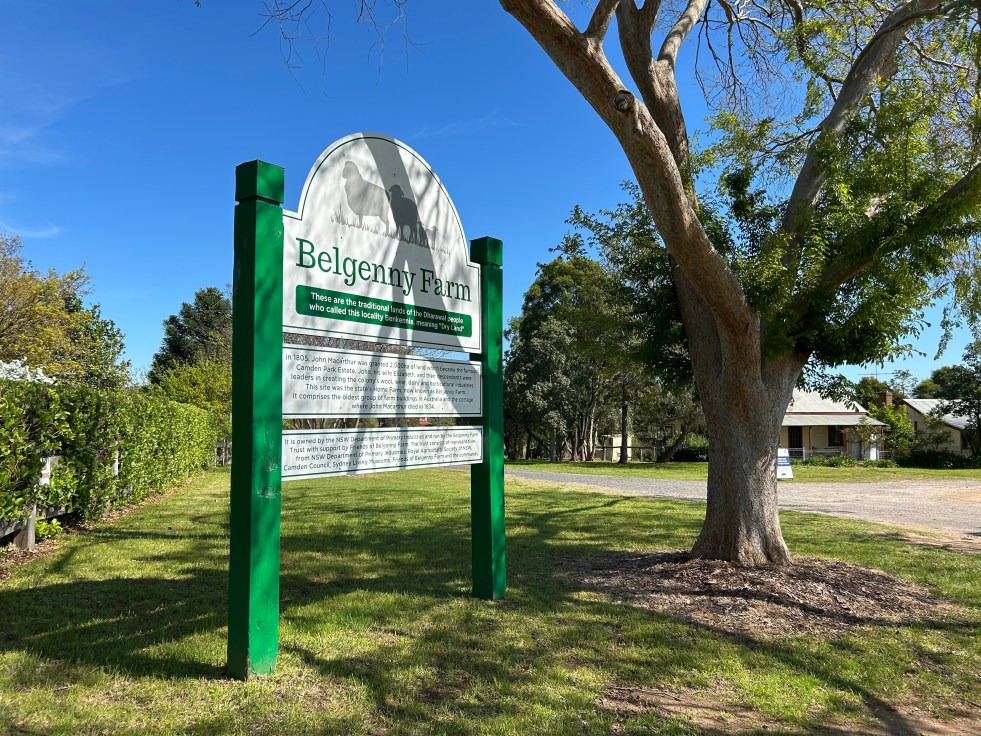
Belgenny Farm, located in Camden, NSW, is Australia’s oldest surviving group of farm buildings, dating back to the 1820s. This historical site includes significant structures like stables, a coach house, and a community hall. It holds cultural importance through its association with the Macarthur family and continues to serve educational purposes.

Art · Attachment to place · Heritage · Historical consciousness · History · Leisure · Local History · Macarthur · Narellan · Narellan Story · Narellan Town Centre · Place · Place making · Placemaking · Public art · Railway · Retail history · Retailing · Sense of place · Storytelling · Sydney's rural-urban fringe · Tourism

Narellan Town Centre Revitalization: a community-centric approach through placemaking

The redevelopment of Narellan Town Centre in 2017 enhanced its community space through placemaking, incorporating public art and amenities. Valued at $200 million, the extension nearly doubled its size, accommodating 100+ retailers and encouraging social interactions. The design reflects local history, fostering cultural identity and community engagement, achieving successful early usage by families.

Australian History · Business · Camden Park Estate · Camden Park House and Garden · Camden Story · England · History · Local History · Local Studies · Macarthur · Newspapers · Place · Political history · Power and Influence · Social History · Stories · Storytelling

Privacy, piety and power at Camden Park: 1905 Vickery-Ellis marriage

In mid-1905, a private wedding took place at Camden Park between 82-year-old Ebenezer Vickery and 52-year-old Deborah Louise Ellis, a teacher and charity worker. Despite gossip in The Bulletin magazine, which wrongfully described Ellis's age and referred to her as Vickery's 'typewriter,' the wedding was attended by notable figureheads. Vickery, known for his wealth and philanthropy, held positions in various corporations and was involved in mining ventures. Ellis, active in philanthropic circles, played a role in social issues. Their marriage highlighted a complex interplay of privacy, power, and community, reflecting societal attitudes of the era.

Artworks · Belonging · Camden Story · Camden Walking Trails · Cowpasture walking trails · Cowpastures · Cowpastures district · Cowpastures Region · Heritage · History · Indigenous Heritage · Landscape · Landscape aesthetics · Living History · Local History · Nostalgia · Peri-urban region · Place making · Placemaking · Settler Society · Stories · Storytelling · The Cowpasture walking trails · Tourism · Urban development · Urban Planning · Walking trails

Top Walking Trails in Camden: Experience Walking the Cowpastures

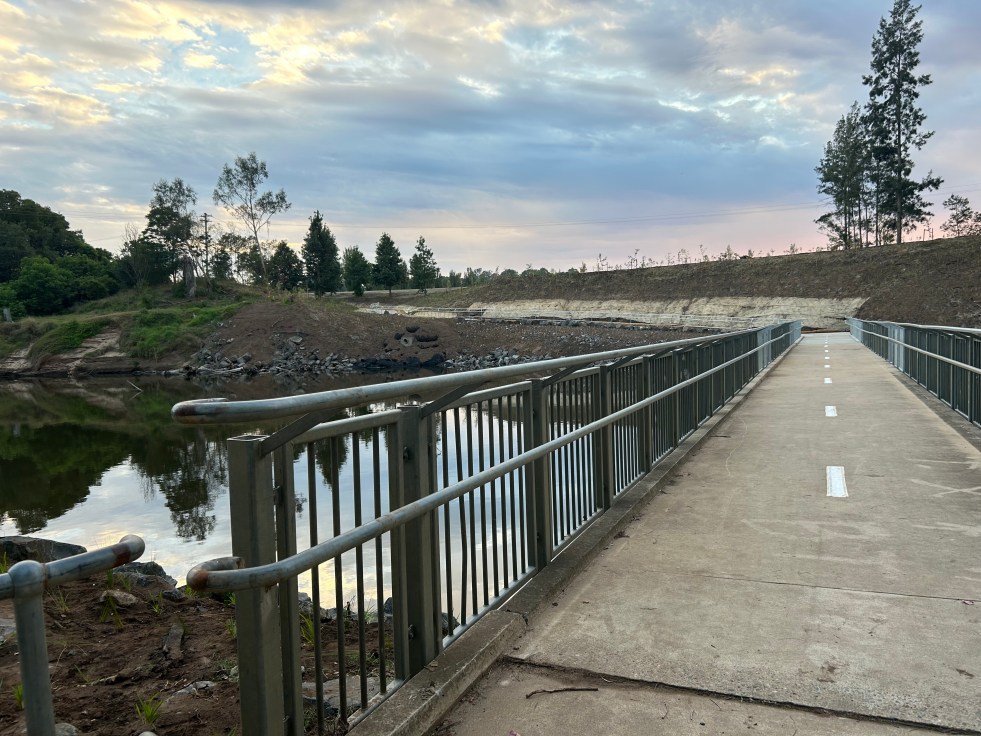
Camden township, located in the historical Cow Pastures, features walking and cycling paths that reflect its Indigenous and colonial history. The Nepean River Trail, integrating various public artworks, enhances the area's historic character, while memorial walkways pay tribute to Australian service members. It's a site for both recreation and cultural immersion.

Belonging · Camden Story · Community · Community building · Community celebrations · Community Engagement · Community Health · Community identity · Community organisations · Community work · Cultural and Heritage Tourism · Cultural Heritage · Economy · Historical consciousness · Historical Research · Historical source · Historical thinking · Historiography · History · History Festival · Living History · Local History · Local Studies · Memorials · Memory · Monuments · Place · Place making · Placemaking · Stereotypes · Stories · Storytelling · Uncategorized · Women's stories

Exploring Community History: Benefits and Applications

Community history focuses on the stories and experiences of specific groups, emphasizing local and social history often overlooked in traditional research. It fosters empowerment, engages community members, preserves unique cultural heritage, and creates a deeper connection to place, ultimately enhancing social cohesion and supporting informed decision-making for future generations.

Agricultural heritage · Agriculture · Agriculture history · Australian History · Belonging · Camden Story · Chinese Market Gardeners · Community work · Cultural Heritage · History · Local History · Local Studies · Place · Place making · Placemaking · Settler colonialism · Settler Society · Social History · Stories · Storytelling · Uncategorized

Community Recognition Morning Tea for Camden Recipients at NSW Parliament

The NSW Parliament allows Members to submit Community Recognition Statements acknowledging community achievements, charity work, and other contributions since 2017. On May 28, 2025, Mrs. Sally Quinnell MP hosted a morning tea to honor Camden recipients, including Dr. Ian Willis, joint-author of 'A History of Camden Chinese Market Gardeners 1899-1993' published by the Camden Historical Society.

Agricultural heritage · Agriculture · Agriculture history · Artists · Belgenny Farm · Camden Park Estate · Camden Story · Colonial Camden · Cultural and Heritage Tourism · Dairying · Farming · Farming history · Heritage Walking Tours · History · History Festival · Leisure · Living History · Local History · Macarthur · Macarthur family · Place making · Placemaking · Sense of place · Settler colonialism · Settler Society · Social History · Stories · Storytelling

Explore History with Friends of Belgenny Farm Events

On a cloudy day in late May 2025, the Friends of Belgenny Farm held an open day attracting over 285 visitors interested in early Australian history. The event featured various stalls, historical displays, and guided tours of the historic site, which holds national significance and showcases Australia's earliest colonial farm buildings.

19th Century · 20th century · Architectural History · Architecture · Camden Story · Colonial Camden · Elderslie · Hilsyde Elderslie · History · History of a building · History of a house · House history · Housing · Housing styles · Local History · Place making · Placemaking · Sense of place · Stories · Storytelling · Uncategorized · Urban history · Victorian

Exploring Hilsyde: A Look at Elderslie’s Historic Home

Hilsyde, originally known as Pammenter, is a Victorian single-storey brick residence built in 1888 by WC Furner in Elderslie. The property features a galvanised iron roof, bay windows, and retains good integrity. It served as Hilsyde Lodge from 1978 to 2003, catering to Christian women workers, and is heritage-listed.