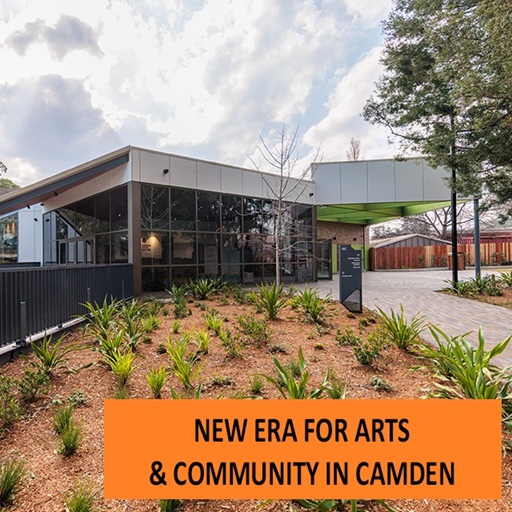
The Camden Civic Centre was officially reopened after a $9.9 million upgrade, enhancing its facilities as a modern, multi-purpose venue. The project included improved workspaces, public art installations, and a new grand piano. The council and government funding ensured a functional space for community events, strengthening local cultural support.
Category: Local Studies

Local Voices Matter: NSW Community Cabinet in Camden
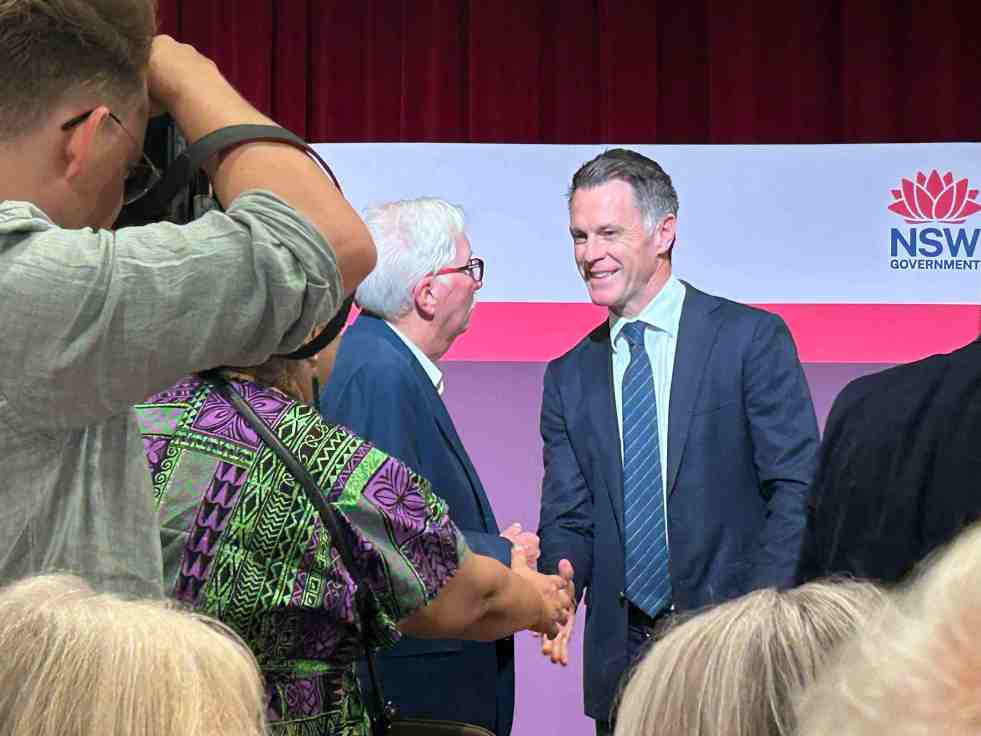
The NSW Cabinet held its first community forum in Camden, allowing locals to voice concerns and engage with representatives. Premier Minns discussed urban growth and infrastructure funding, emphasizing equity across Sydney. Despite some criticism regarding political motivations, the event fostered community involvement, enhancing democratic engagement and showcasing local issues effectively.
Share this:

Share this:
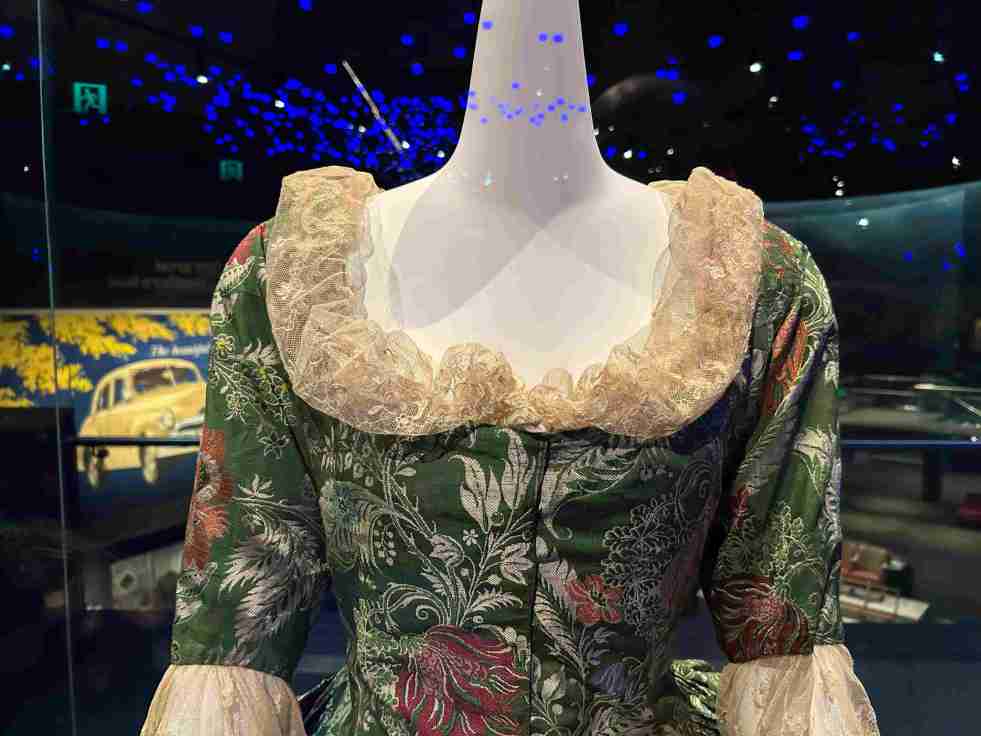
Clarice Faithfull Anderson’s Historic Ball Gown
The 1929 CWA Blue & Gold Ball at Sydney's Ambassador Cabaret was a prestigious fundraising event attended by significant dignitaries, including the Governor General. The ball featured "living pictures" and showcased elaborate gowns, including Clarice Faithfull Anderson's historic dress from the 18th century, which later became a treasured family heirloom and is now part of the textile collection of the National Museum of Australia.
Share this:

Share this:
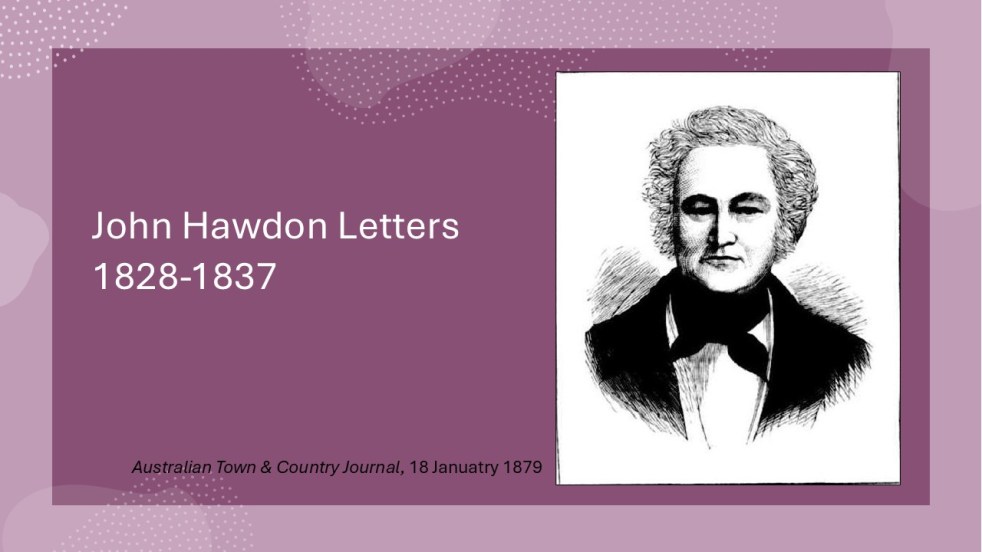
Insights from the Hawdon Letters: Colonial Life in NSW, Part 3, 1833-1837
The letters of John Hawdon and others from 1828 to 1837, preserved in the State Library of NSW, provide insights into colonial life in New South Wales. They highlight themes of isolation, communication challenges, economic struggles, and attitudes toward gender and Indigenous populations, alongside Hawdon's farming experiences and family connections.
Share this:

Share this:
Insights from the Hawdon Letters: Colonial Life in NSW, Part 2, 1831-1833
John Hawdon's letters from New South Wales (1831-1833) reveal colonial life, highlighting farming challenges, isolation from England, and the high costs of communication. These letters provide insights into market conditions, crop successes, and family updates, showcasing the Hawdons' experiences and adaptations in a new land, while retaining original spelling and structure.
Share this:

Share this:
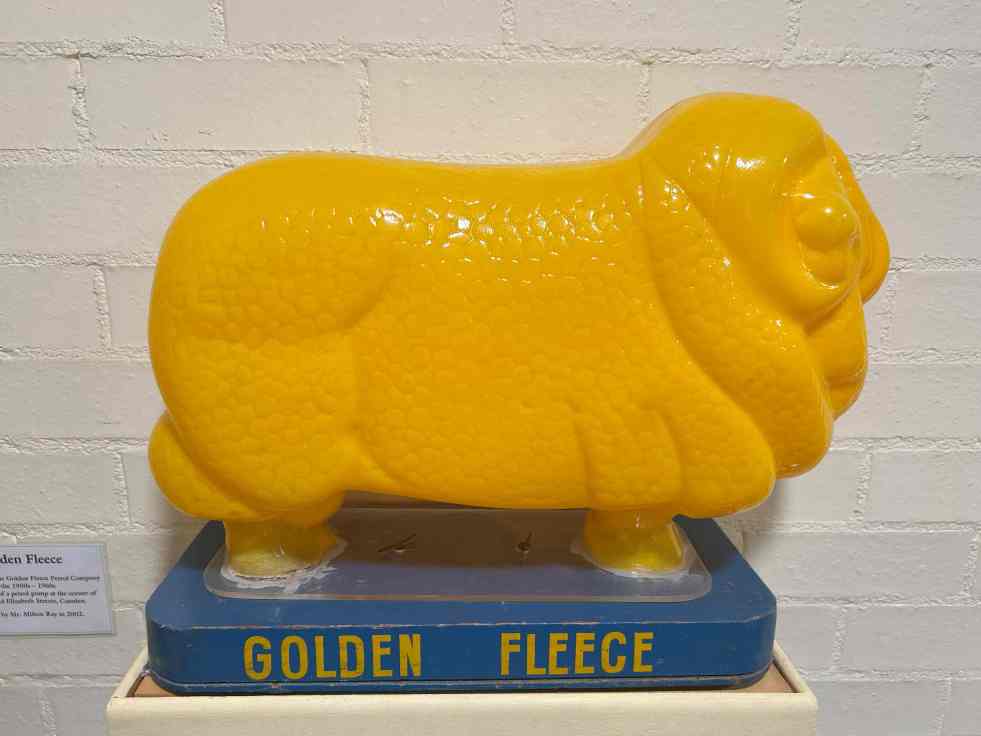
Discover the Golden Fleece Globe Light at Camden Museum
The Camden Museum showcases the Golden Fleece Globe Light, a plastic ram, symbolizing Australia's wool industry and its historical significance. Donated by Milton Ray in 2002, it highlights the Golden Fleece brand's marketing legacy. The ram, based on a prized merino, represents both local history and broader national heritage.
Share this:

Share this:
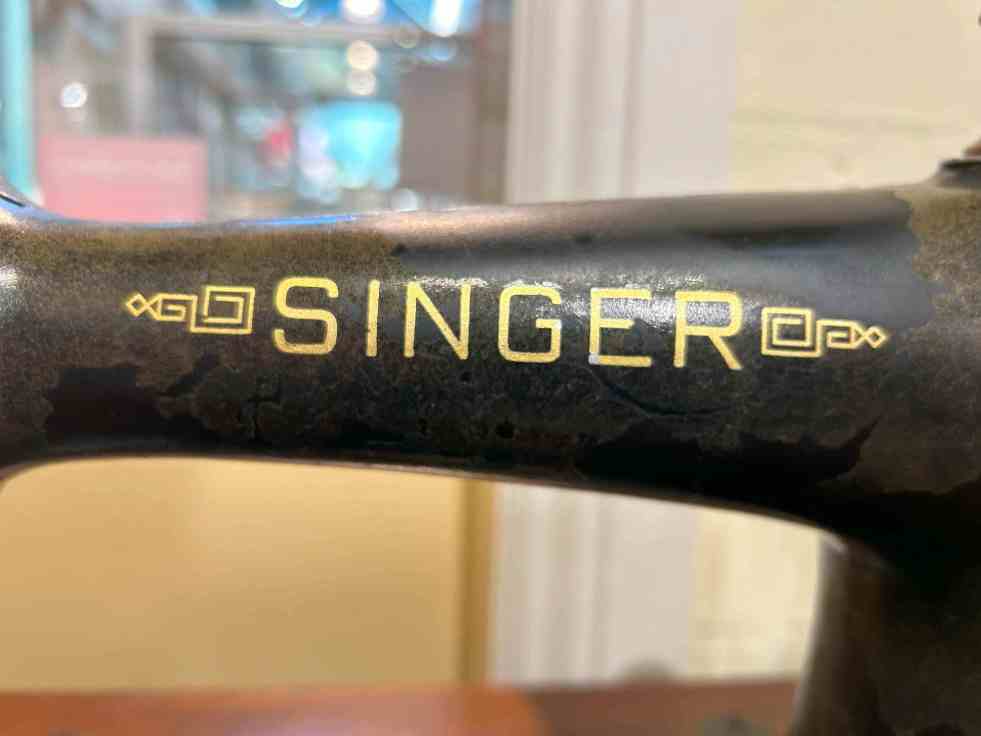
Camden’s Treadle Sewing Machine: A Revolution in Women’s Agency
The Camden Museum's treadle sewing machine symbolizes the significant role of sewing in women's lives from the 19th century onwards. Sewing machines democratized work, enhancing women’s agency by saving time and allowing for business opportunities. Women contributed immensely to the war efforts through Red Cross circles, producing thousands of items during both World Wars.
Share this:

Share this:
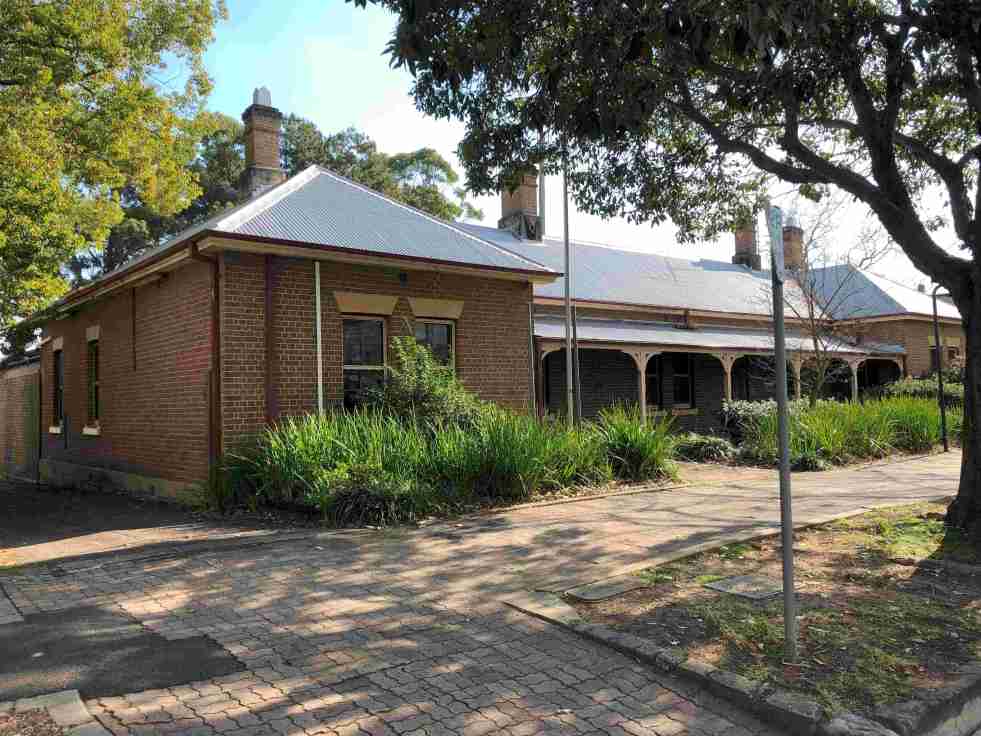
Discovering Australia’s Hidden Historical Sites
The local historical and cultural landscape in Australia is highly fragmented, lacking a central repository for information. Various apps, websites, and blogs exist but offer scattered data. Clio, a well-coordinated platform in the USA, exemplifies effective organization of local history, contrasting with Australia's disjointed efforts, which face funding challenges.
Share this:

Share this:
Discover the Hidden Signatures of Camden’s Former Bank
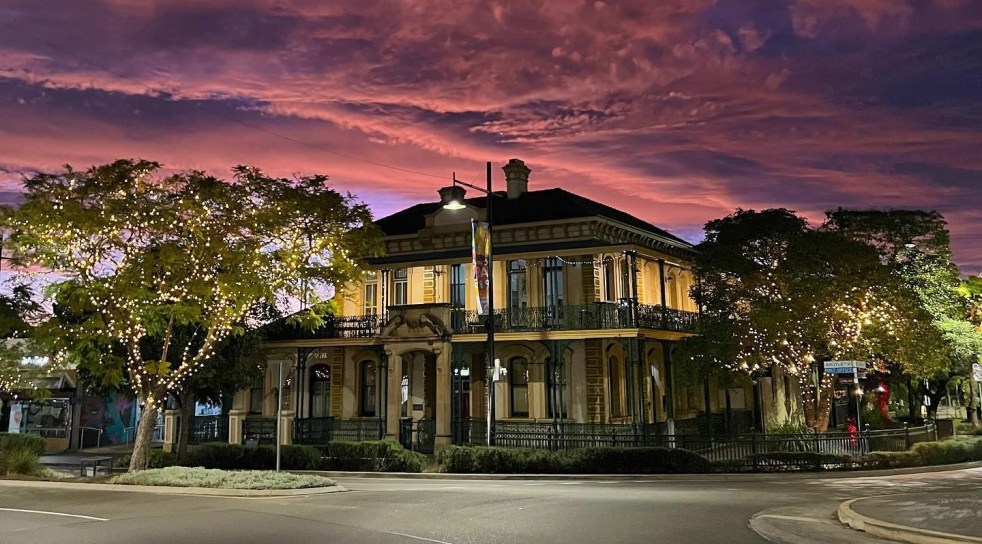
In Camden's old bank building, a hidden strongroom features signatures of former bank employees, each telling a unique story. Now part of Camden Markets Collective, these signatures are viewed as graffiti art, reflecting local history and culture. The community seeks to preserve this unique public art for future generations.
Share this:

Share this:
Privacy, piety and power at Camden Park: 1905 Vickery-Ellis marriage
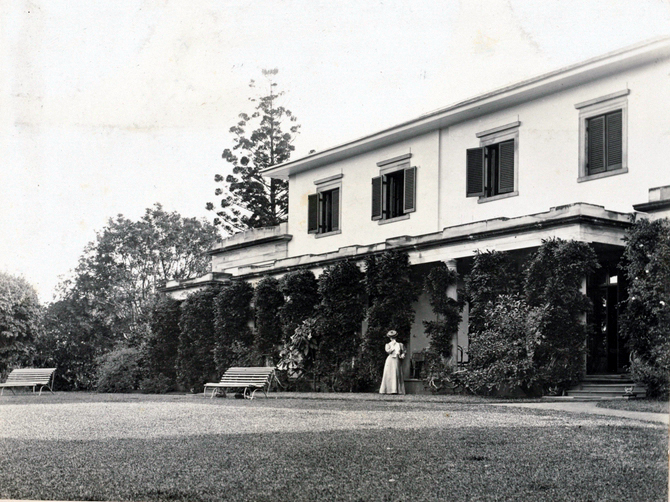
In mid-1905, a private wedding took place at Camden Park between 82-year-old Ebenezer Vickery and 52-year-old Deborah Louise Ellis, a teacher and charity worker. Despite gossip in The Bulletin magazine, which wrongfully described Ellis's age and referred to her as Vickery's 'typewriter,' the wedding was attended by notable figureheads. Vickery, known for his wealth and philanthropy, held positions in various corporations and was involved in mining ventures. Ellis, active in philanthropic circles, played a role in social issues. Their marriage highlighted a complex interplay of privacy, power, and community, reflecting societal attitudes of the era.

