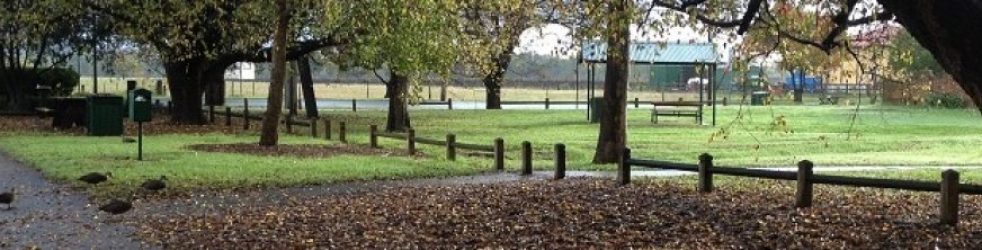
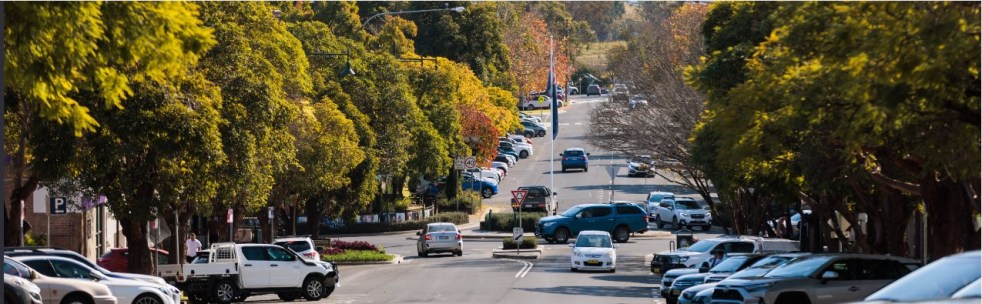
The proposal advocates for transforming John Street in Camden into an Italian-style piazza, enhancing community bonding and social capital. By activating and enhancing various existing and under-utilised elements this revitalized space could foster deeper connections among residents and serve as a vibrant, meaningful heart for the town.
Category: Stories

Denbigh Open Days: Exploring Historic Colonial Farm
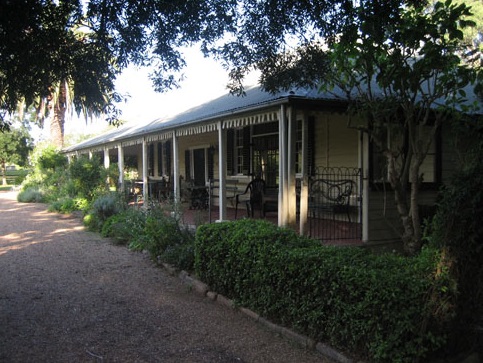
Denbigh, a significant colonial farming complex in Australia, recently opened its gardens to the public for a rare charity viewing. The property, with a dark history of conflict and anxiety, reveals layers of history from dispossession of Aboriginal lands to dairying and urban invasion. Denbigh's fortified structures reflect the fear and violence of the Cowpastures frontier.
Share this:

Share this:
Explore Unlock Camden 2024: Uncover Camden’s Rich History
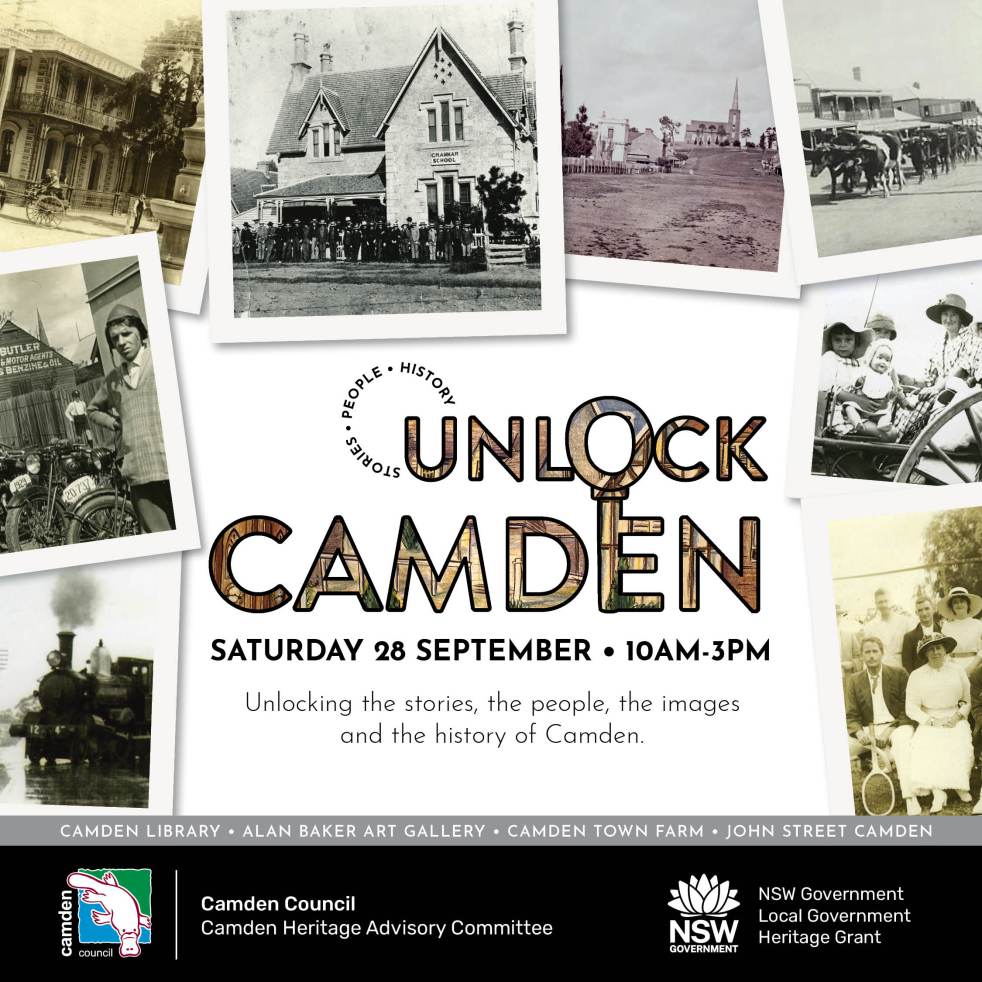
Unlock Camden is back in 2024, offering a celebration of the town's history and culture. The event, scheduled for September 28th, will feature a variety of activities, including historical re-enactments, art demonstrations, musical performances, and guided walking tours. The event aims to promote the area's historic locations and heritage.
Share this:

Share this:
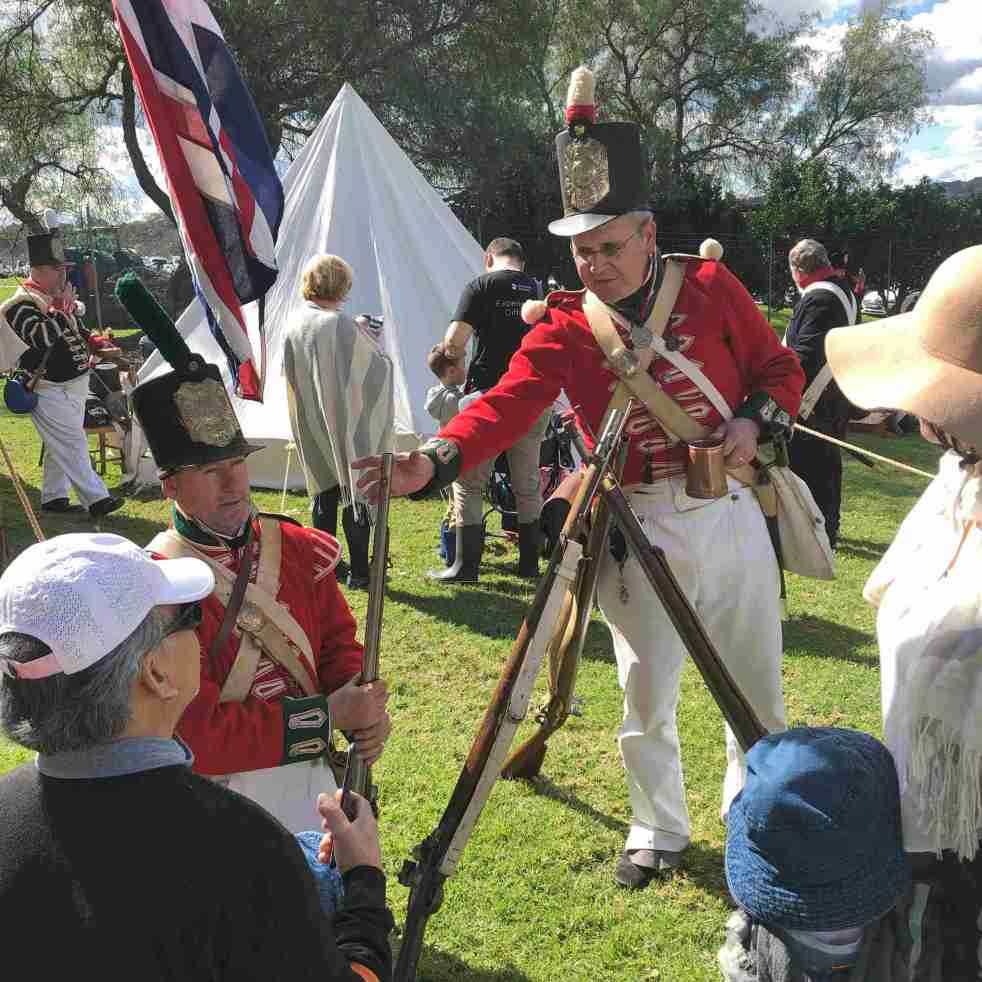
Back to Belgenny 2024, a festival of living history
The 2024 Back to Belgenny festival at Belgenny Farm in South Camden showcased living history with reenactments, traditional trades, and stalls selling arts and crafts of the past. Activities included sheepdog trials, live music, vintage cars, and guided history tours of the site. The farm represents the settler society through the generations of the Macarthur family and their workers.
Share this:

Share this:

Australia Day 1915 in Camden: Record-breaking Wartime Fundraiser
In mid-1915, the Camden Patriotic Fund took over fundraising for the first Australia Day appeal directing proceeds to the Red Cross for Australian wounded. The patriotic fund raised a substantial amount of money through various events. Meanwhile, on a national scale, the significance of the first Australia Day evolved from an idea initiated by Mrs. Elle Warton-Kirke of Manly NSW to an important Red Cross day. In Camden, the 1915 Australia Day activities were a significant wartime fundraiser, demonstrating the community's support for the war effort.
Share this:

Share this:
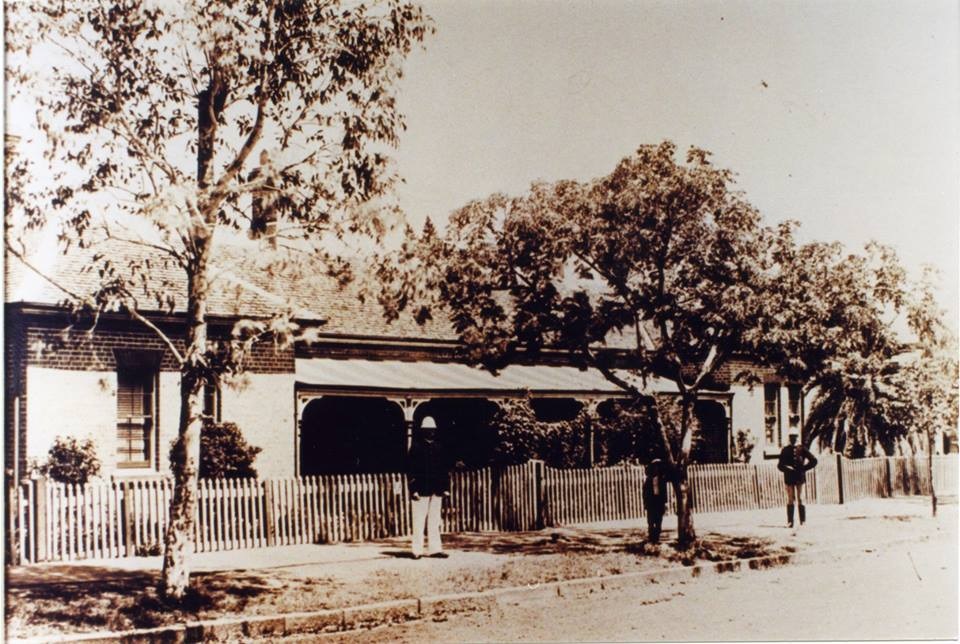
Camden Police Station and Residence: A Historical Landmark in Camden
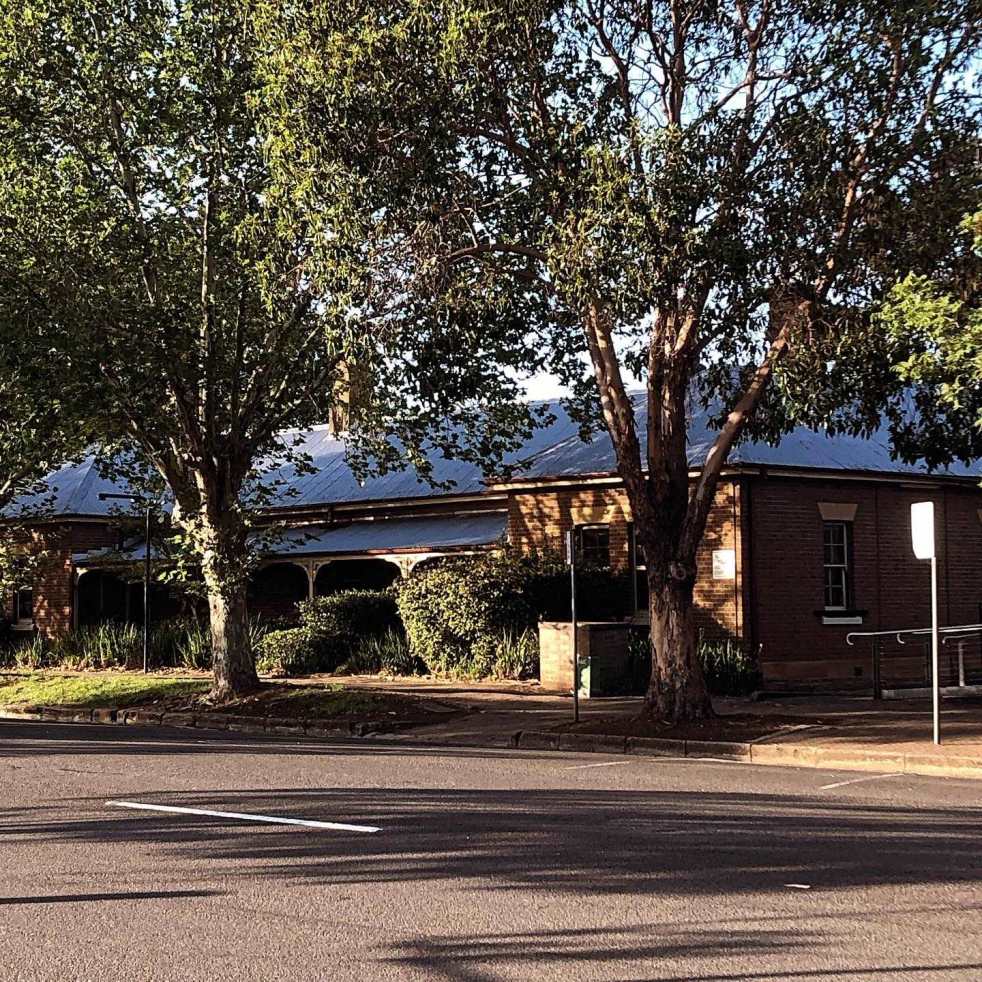
Camden Police Station, a single-storey brick building at 35 John Street, was constructed in 1878 and served the NSW Police Service until 2011. Designed by James Barnet, it features historical architectural elements, including a paved verandah and brick chimneys. Currently vacant, it is recognized for its heritage value within the Camden community.
Share this:

Share this:
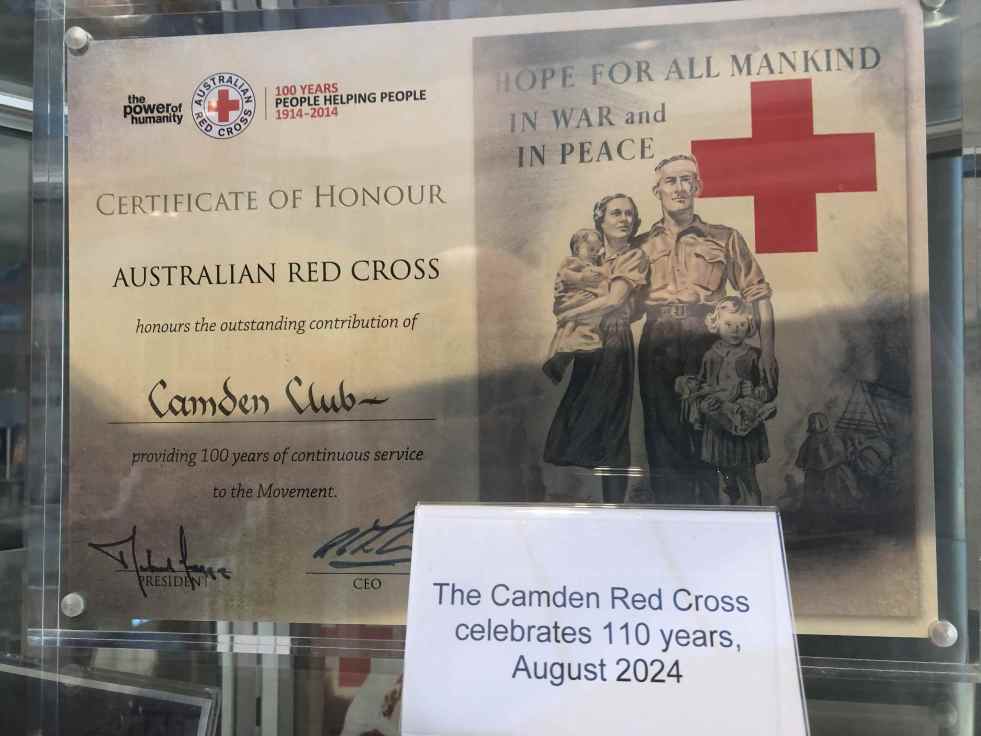
Camden Red Cross 110 Years Display: Objects and Ephemera Exhibition 2024
The Camden Red Cross exhibition at Camden Library in August 2024 showcased the historical contributions of local women to the Red Cross during World Wars I and II. Women from the Camden district played a pivotal role in supporting soldiers and shaping the narrative of the Australian Red Cross, creating over 20,300 articles in 40,000 volunteer hours during WWI.
Share this:

Share this:
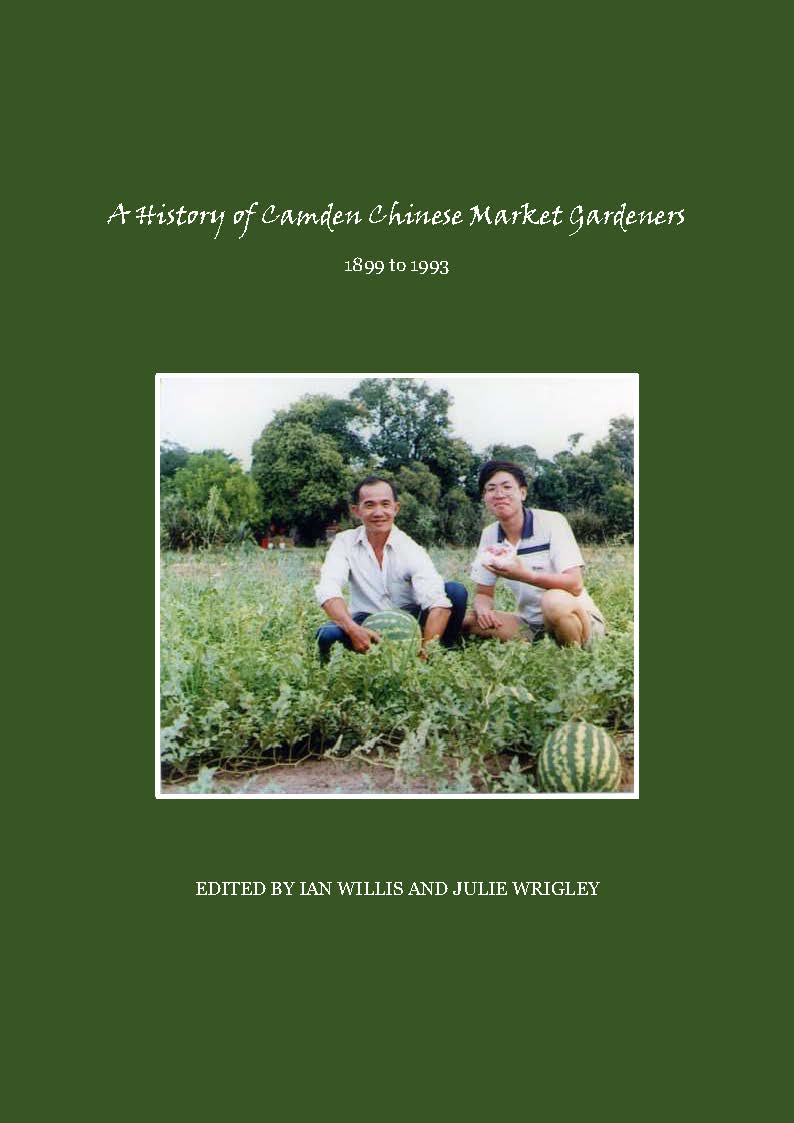
History of Camden Chinese Market Gardeners: Resilience, Innovation, and Struggles
The presentation at Camden Rotary Club details the significant contributions and challenges faced by Chinese market gardeners in Camden. It sheds light on their resilience, innovation, discrimination, and impact on the local economy. The book "A History of Camden Chinese Market Gardeners 1899-1993" emphasizes their agency, making an important contribution to local history and the literature of the Chinese diaspora in Australia.
Share this:

Share this:

Camden Town Centre Enhancement Strategy: Stakeholder Concerns and Community Engagement
The 2014 Camden Town Centre Enhancement Strategy has faced controversy and distrust from residents and stakeholders, leading to a significant trust deficit. The proposed decked car park and lack of early and robust community engagement have fueled skepticism and discontent. Community consultation principles and the mayor's defense of the process are under scrutiny. Stakeholder concerns about legitimacy align with international practices.
Share this:

Share this:
Exploring Historical Themes: Pictorial History Camden & District Presentation Summary
This presentation examined the role of the historian and researcher and presented the importance of history and the role of a historian. Dr Ian Willis discussed the significance of historical consciousness and collective memory, emphasising the role of a historian as a researcher, analyst, interpreter, and storyteller. The presentation also highlighted "Pictorial History Camden & District," a book by Kingsclear Books, and covered aspects such as structure, select bibliography, index of names, and district maps. Additionally, various related sources and themes, such as the Whiteman and Macarthur families, were explored. The presentation concluded with suggestions for experiencing the past through community festivals, local studies, and living libraries.

