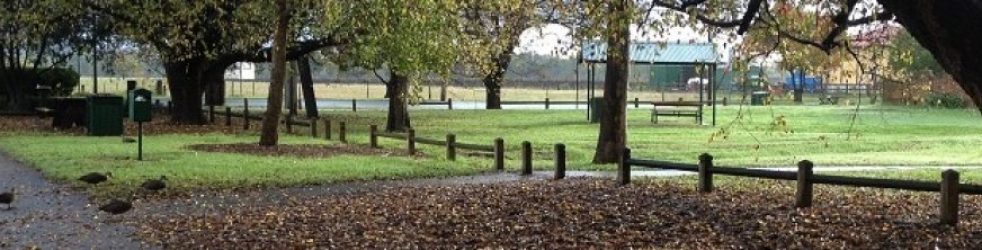

Camden War Cemetery has the graves of a number of service personnel from the Second World War who were killed while based in the local area.
Category: War at home

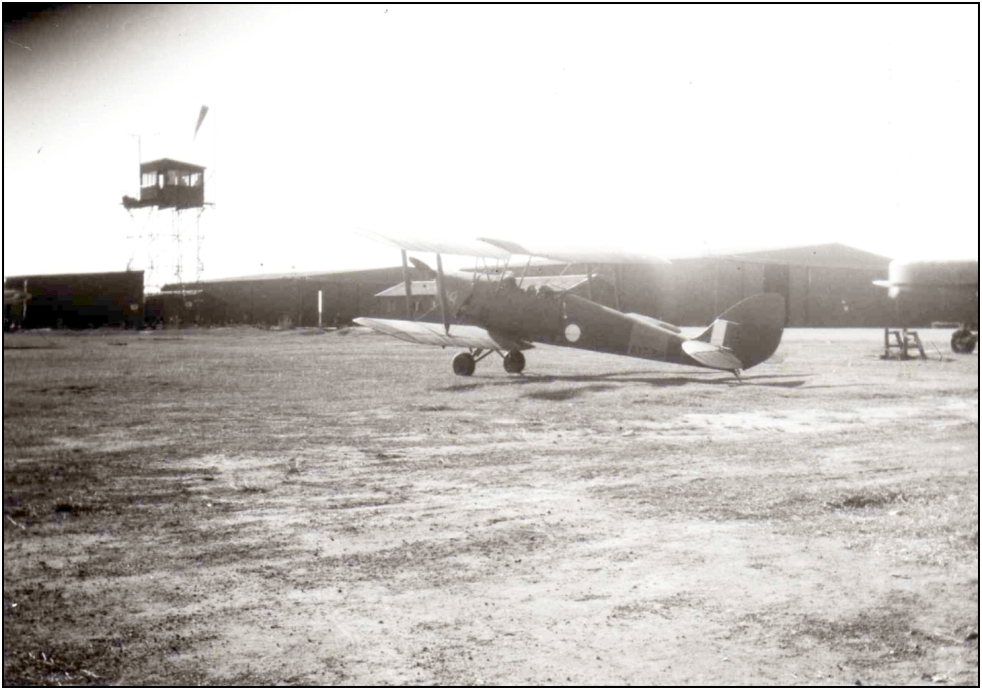
Understanding Bellman Hangars: Camden’s WWII Heritage
Camden Airfield's Bellman hangars, erected during World War II, served as transportable structures for the RAAF Central Flying School under the Empire Air Training Scheme. British-designed by NS Bellman in 1936, these hangars represent Australia's aviation heritage and were crucial for pilot training. Over 280 were supplied across Australia and New Guinea and are part of the country's aviation archaeology.
Share this:

Share this:
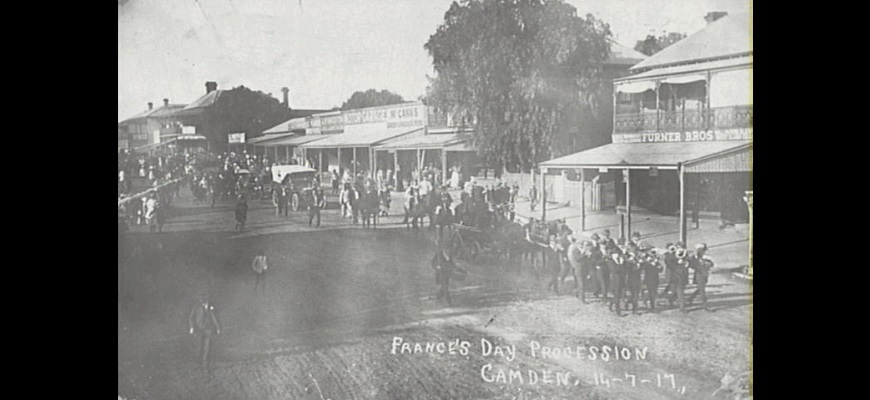
Camden and its French Connections
Camden had a number of connections with France during the First World Ward and they have been recorded on the pages of the Camden News. They included Bastille Day celebrations and the memoirs of William Sidman in Paris in 1870 at the outbreak of the Franco-Prussian war.
Share this:

Share this:
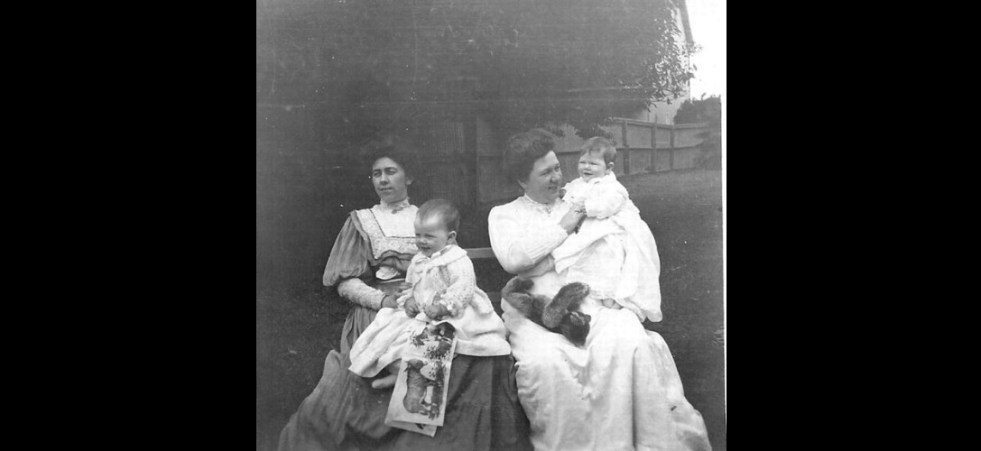
Motherhood and nation-building in the early 20th century
Around the turn of the century a direct link was made between infant welfare, motherhood, patriotism and nationalism. Motherhood and mothering were expressed in terms of patriotism and a national priority. All driven by European exceptionalism.
Share this:

Share this:

Fall of Singapore and the Camden response
The Fall of Singapore in February 1942 was a disastrous military defeat for the British Imperial forces and a defining point of the Second World War for Camden.
Share this:

Share this:

Understanding the Anzac Myth: Truths and Contradictions
The Anzac story is vital to Australian identity, yet its meaning remains contested. Historian Dr. Jen Roberts argues that the narrative, while centered on duty and sacrifice, encompasses contradictions surrounding nationalism, trauma, and the realities of war. Anzac's evolution reflects cultural transformations, highlighting diverse interpretations and ongoing relevance in society.
Share this:

Share this:

The patriotism of the wartime sock knitter
During World War I, hand-knitted socks became crucial for soldiers facing harsh conditions, preventing trench foot. Women across the British Empire, particularly in Australia, organized knitting efforts, leading to over 1.3 million pairs made. These efforts provided essential support and represented women's patriotism in wartime, often alleviating grief through their contributions.
Share this:

Share this:
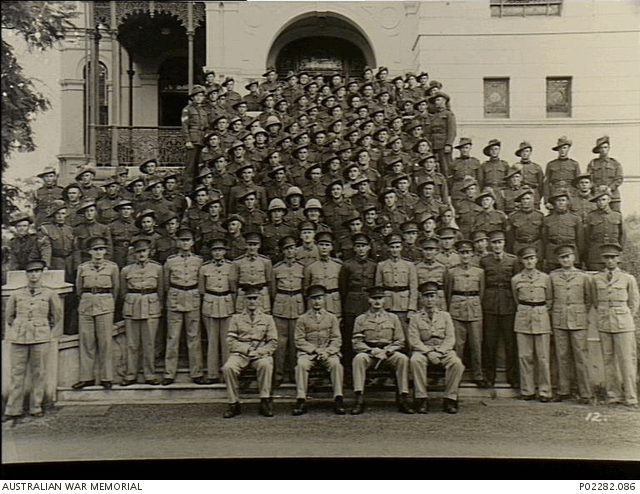
Exploring Studley Park’s Role in Army Training 1939-1945
Studley Park in Narellan, NSW, served as a military training facility for the Australian Army Service Corps during World War II. It was leased by the Department of Defence in 1939 then purchased from its pre-war owners. Post-war, it transitioned into civilian use, notably becoming a golf club.
Share this:

Share this:

The Camden district in 1939
The 1939 Camden district concept was developed in the 1990s by UOW historian Dr Ian Willis as part of his research on the effect of the Second World War on Camden township.
Share this:

Share this:
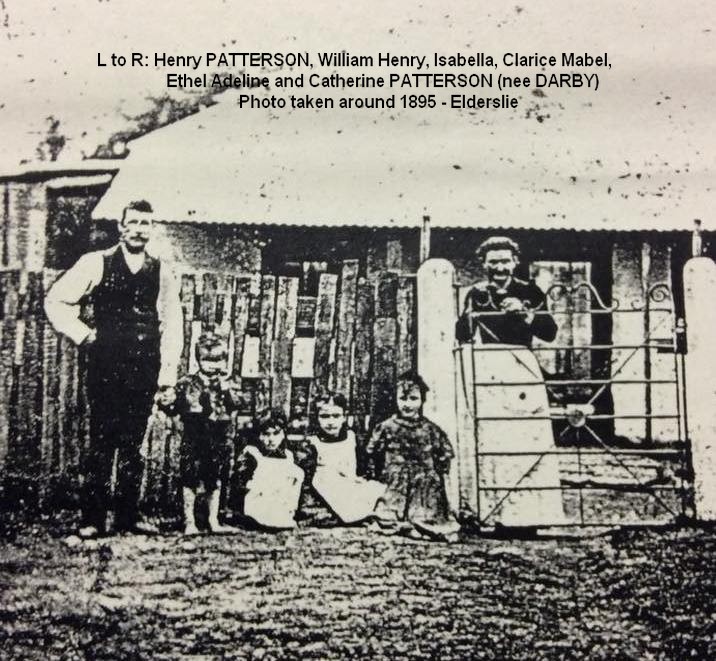
The Patterson family of Elderslie, the value of family histories
The story of the Patterson family of Elderslie NSW illustrates the value and importance of family history.

