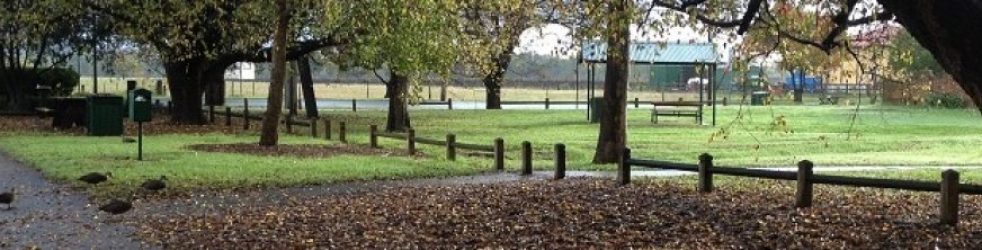
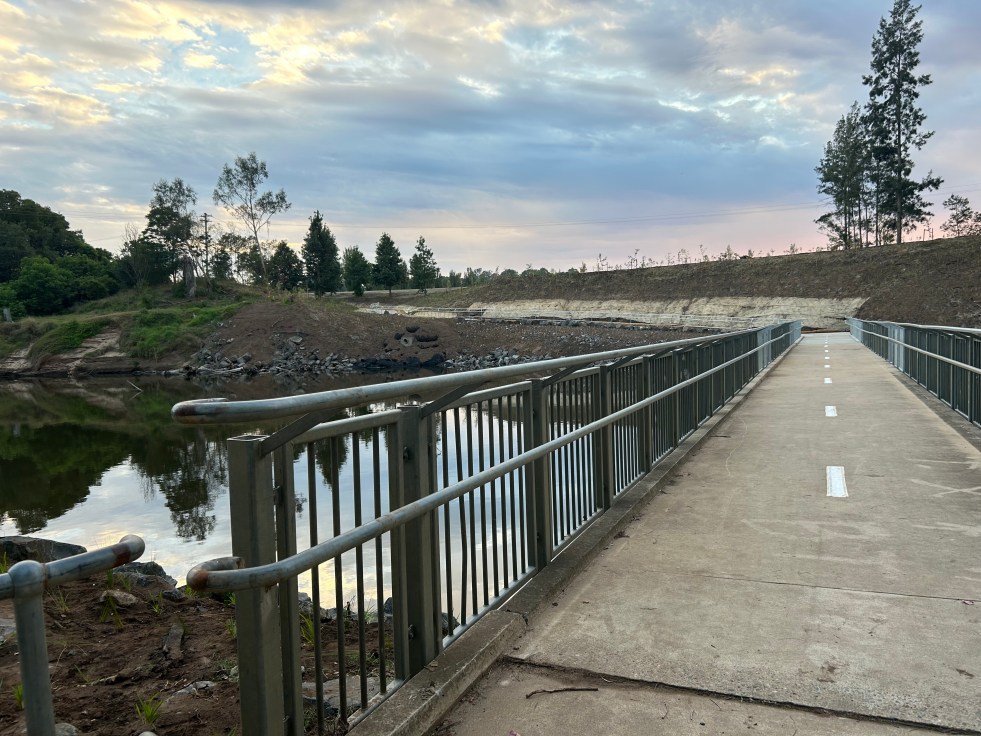
The Little Sandy Footbridge in Camden has reopened, restoring an essential link in the Nepean River Trail after extensive flood-related repairs. Originally constructed during WWII, the bridge has been a beloved community feature, supporting recreational activities for over a century. The project was funded by government sources, totaling $3.7 million.
Tag: Art

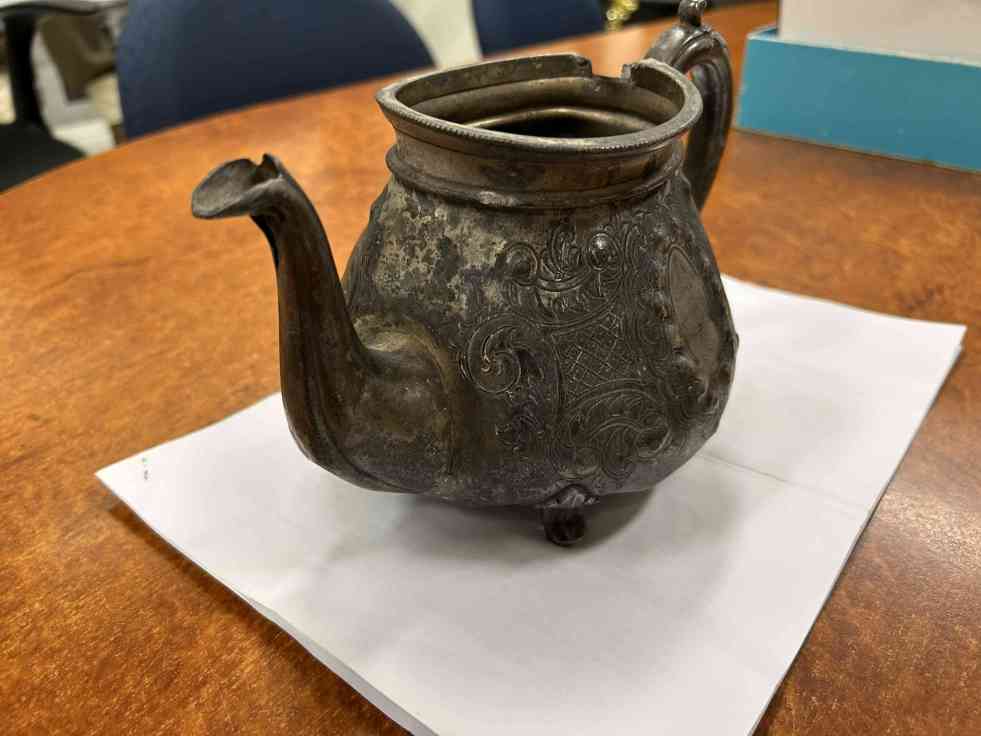
The Fascinating History of Camden’s 1876 Sports Day Trophy
The Camden Museum has acquired a 149-year-old teapot trophy from a sports day on May 24, 1876, celebrating Queen Victoria's birthday. It is the oldest trophy in the museum's collection, reflecting communal festivities and competitive spirit of the era. The trophy was donated by Alf and Sharon Cantrell.
Share this:

Share this:
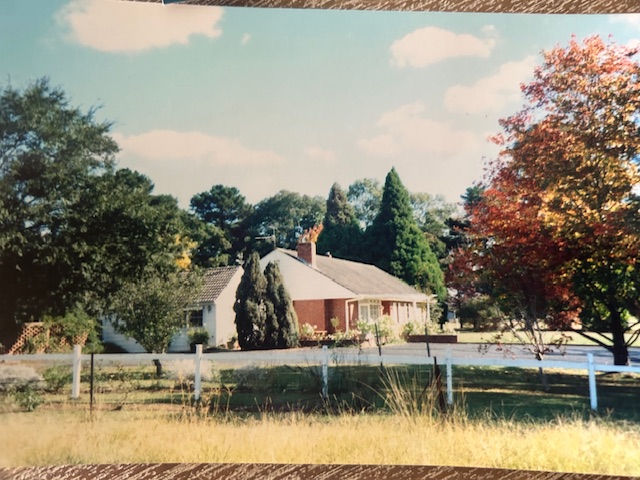
Exploring Elderslie’s Ranch-Style Homes, lost mid-century Camden
Tarn House, a ranch-style residence built in 1963 by Dr. Gordon Clowes in Elderslie, represents Camden's mid-century modern architecture. Clowes, an influential community figure and surgeon, lived there with his family. The house, now lost, was part of a broader trend of ranch-style homes in the area during the 1960s.
Share this:

Share this:
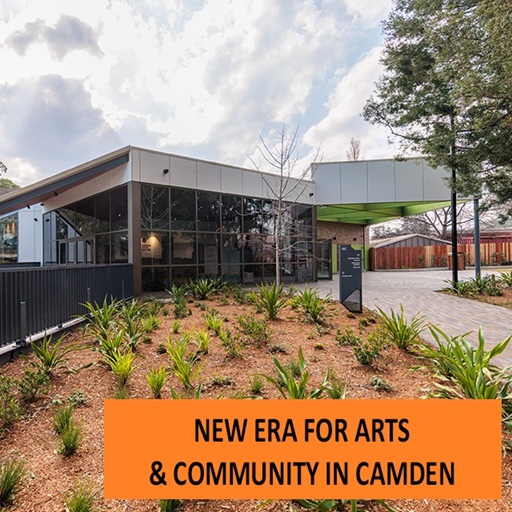
Community Hub Revitalization: Camden Civic Centre’s New Look
The Camden Civic Centre was officially reopened after a $9.9 million upgrade, enhancing its facilities as a modern, multi-purpose venue. The project included improved workspaces, public art installations, and a new grand piano. The council and government funding ensured a functional space for community events, strengthening local cultural support.
Share this:

Share this:
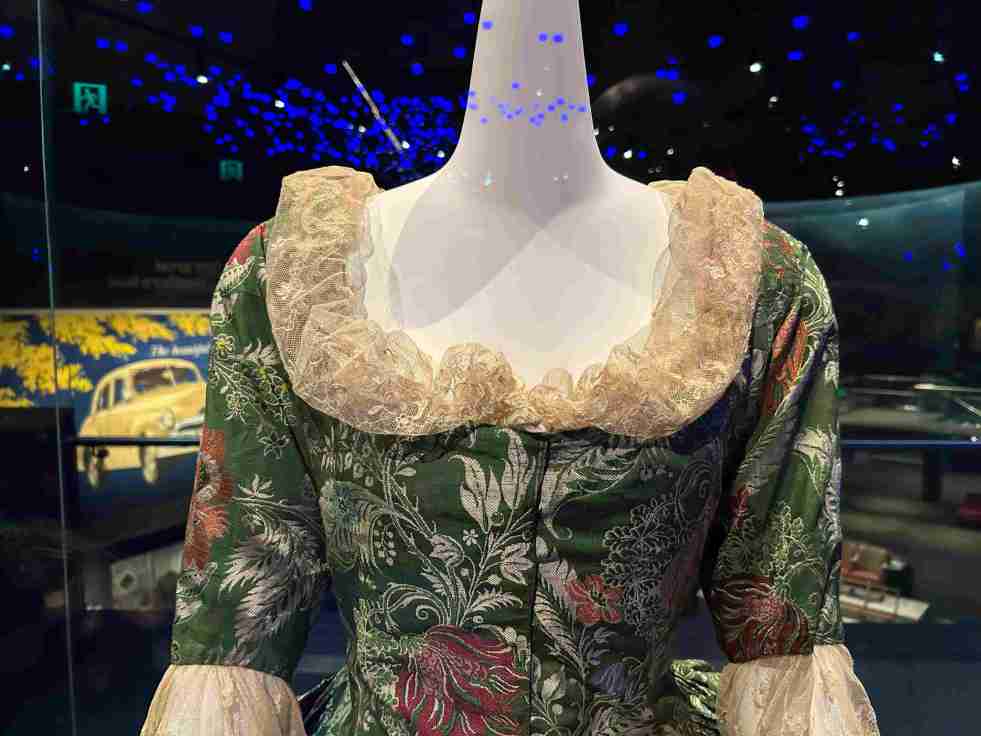
Clarice Faithfull Anderson’s Historic Ball Gown
The 1929 CWA Blue & Gold Ball at Sydney's Ambassador Cabaret was a prestigious fundraising event attended by significant dignitaries, including the Governor General. The ball featured "living pictures" and showcased elaborate gowns, including Clarice Faithfull Anderson's historic dress from the 18th century, which later became a treasured family heirloom and is now part of the textile collection of the National Museum of Australia.
Share this:

Share this:
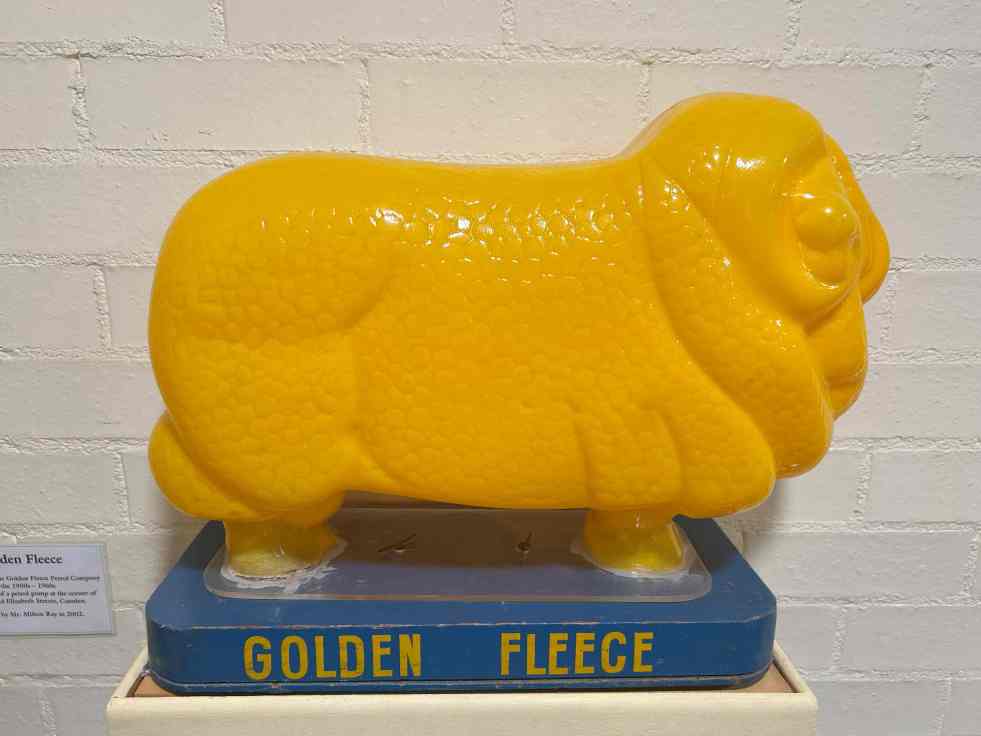
Discover the Golden Fleece Globe Light at Camden Museum
The Camden Museum showcases the Golden Fleece Globe Light, a plastic ram, symbolizing Australia's wool industry and its historical significance. Donated by Milton Ray in 2002, it highlights the Golden Fleece brand's marketing legacy. The ram, based on a prized merino, represents both local history and broader national heritage.
Share this:

Share this:
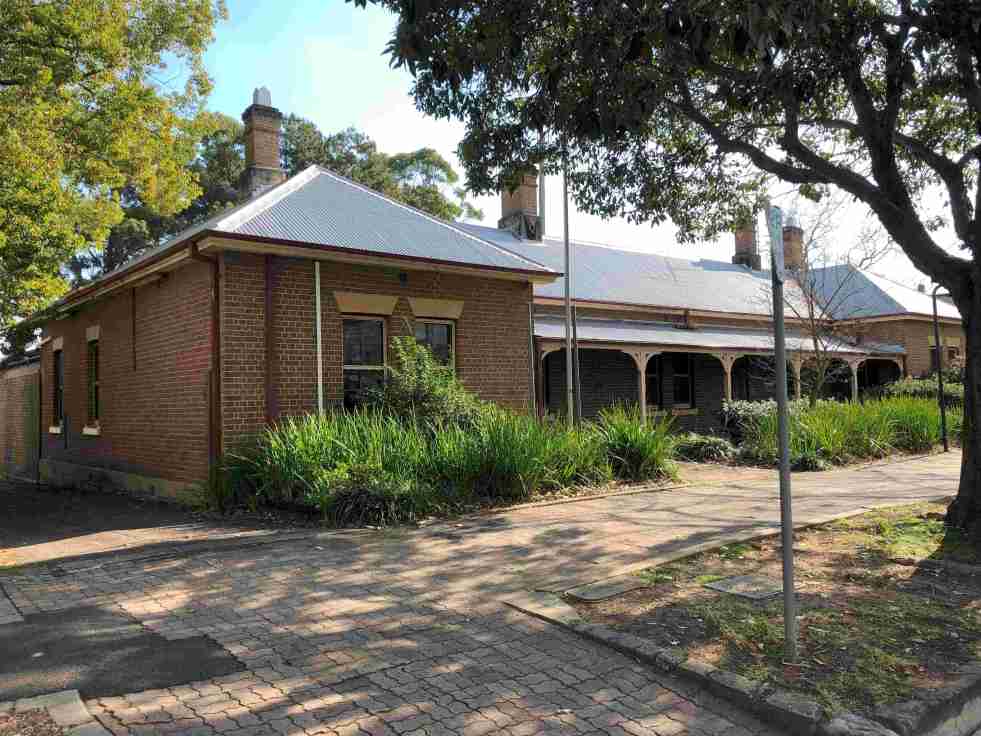
Discovering Australia’s Hidden Historical Sites
The local historical and cultural landscape in Australia is highly fragmented, lacking a central repository for information. Various apps, websites, and blogs exist but offer scattered data. Clio, a well-coordinated platform in the USA, exemplifies effective organization of local history, contrasting with Australia's disjointed efforts, which face funding challenges.
Share this:

Share this:
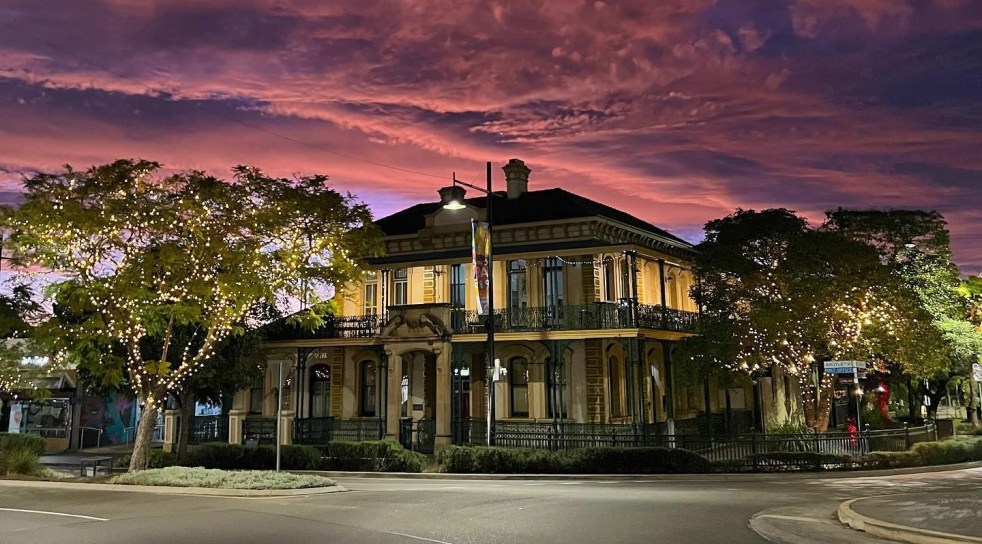
Discover the Hidden Signatures of Camden’s Former Bank
In Camden's old bank building, a hidden strongroom features signatures of former bank employees, each telling a unique story. Now part of Camden Markets Collective, these signatures are viewed as graffiti art, reflecting local history and culture. The community seeks to preserve this unique public art for future generations.
Share this:

Share this:
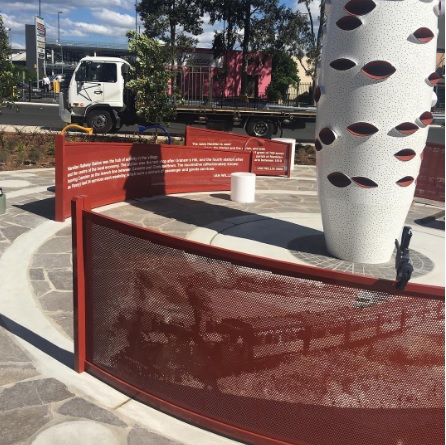
Narellan Town Centre Revitalization: a community-centric approach through placemaking
The redevelopment of Narellan Town Centre in 2017 enhanced its community space through placemaking, incorporating public art and amenities. Valued at $200 million, the extension nearly doubled its size, accommodating 100+ retailers and encouraging social interactions. The design reflects local history, fostering cultural identity and community engagement, achieving successful early usage by families.
Share this:

Share this:
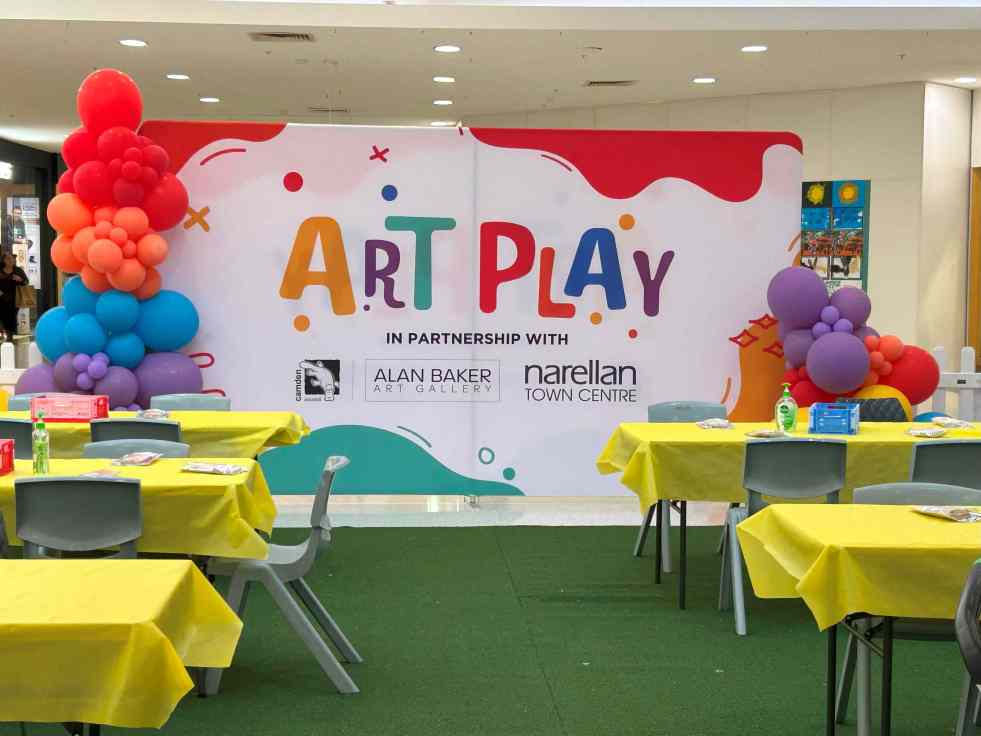
Creative Kids: Art Play Workshops at Narellan Town Centre
Over two weeks, the Narellan Town Centre hosted 'Art Play' workshops for kids aged 5 to 12, featuring various creative activities led by artists from the Alan Baker Art Gallery. The free sessions attracted over 200 children daily, providing an engaging and stress-free school holiday opportunity for families while fostering creativity and artistic skills.

