Attachment to place · British colonialism · Colonial Camden · Colonialism · Community identity · Convicts · Cowpastures · Elderslie · England · Farming · Governor Macquarie · Heritage · Historical consciousness · History · Landscape aesthetics · Local History · Place making · Sense of place · Settler colonialism · Victorian

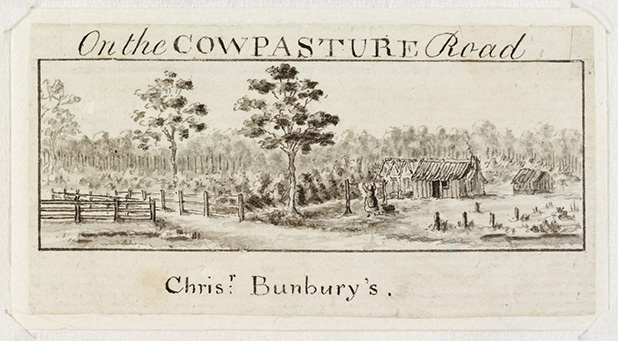
The Cowpastures Project

The Cowpastures was one of the earliest sites of European settlement in Australia

Agricultural heritage · Agriculture · Appin · Attachment to place · British colonialism · Burragorang Valley · Business · Camden · Camden Museum · Camden Story · Colonial Camden · Colonialism · Communications · Community identity · Cultural Heritage · Cultural icon · Economy · Engineering Heritage · Families · Family history · Farming · Heritage · Historical consciousness · Historical Research · Historical thinking · History · Living History · Local History · Local Studies · Lost trades · Macarthur · Memory · Moveable Heritage · Myths · Pioneers · Place making · Placemaking · Ruralism · Sense of place · Settler Society · Silver mining · Storytelling · Teamsters · Traditional Trades · Transport · transport history · Yerranderie

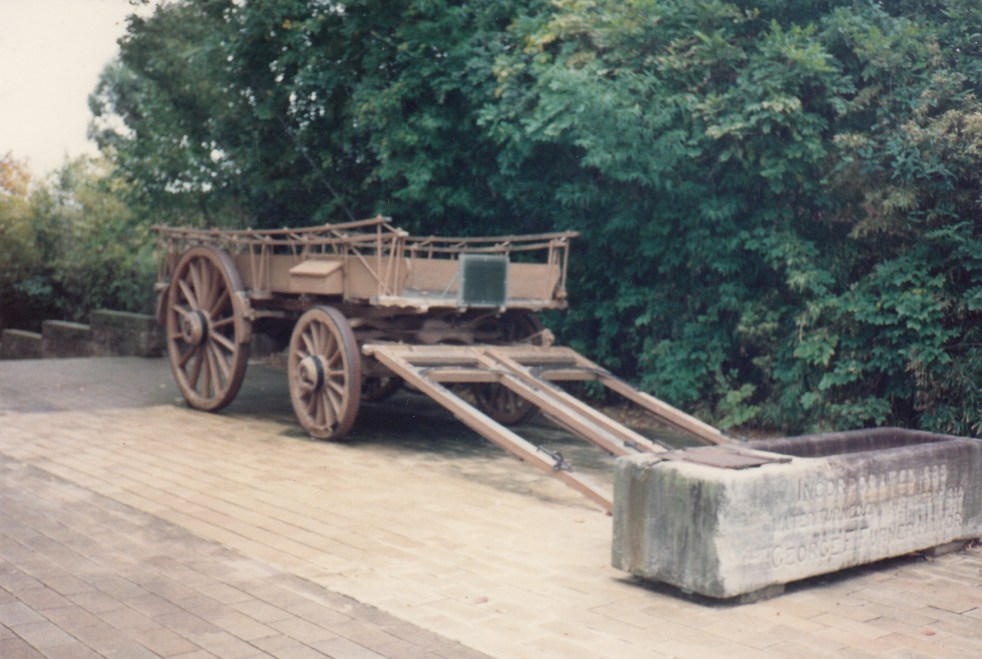
The Bennett wagon, a piece of transport history

The historic Bennett (Percival) Wagon is a cultural icon of a different time when horse and bullock teams were kings of the road.

Adaptive Re-use · Aesthetics · Architecture · Attachment to place · Australia · Bella Vista Farm · Belonging · British colonialism · Camden Park House and Garden · Colonial Camden · Colonial frontier · Colonialism · Community identity · Convicts · Cultural Heritage · Cultural icon · Family history · Farming · Frontier violence · Georgian · Heritage · Historical consciousness · Historical Research · Historical thinking · History · History of a house · House history · Landscape · Landscape aesthetics · Lifestyle · Living History · Local History · Local Studies · Macarthur · Memory · Monuments · Myths · Place making · Ruralism · Sense of place · Settler colonialism · Storytelling · Tourism · Urban growth · urban sprawl · Women's history

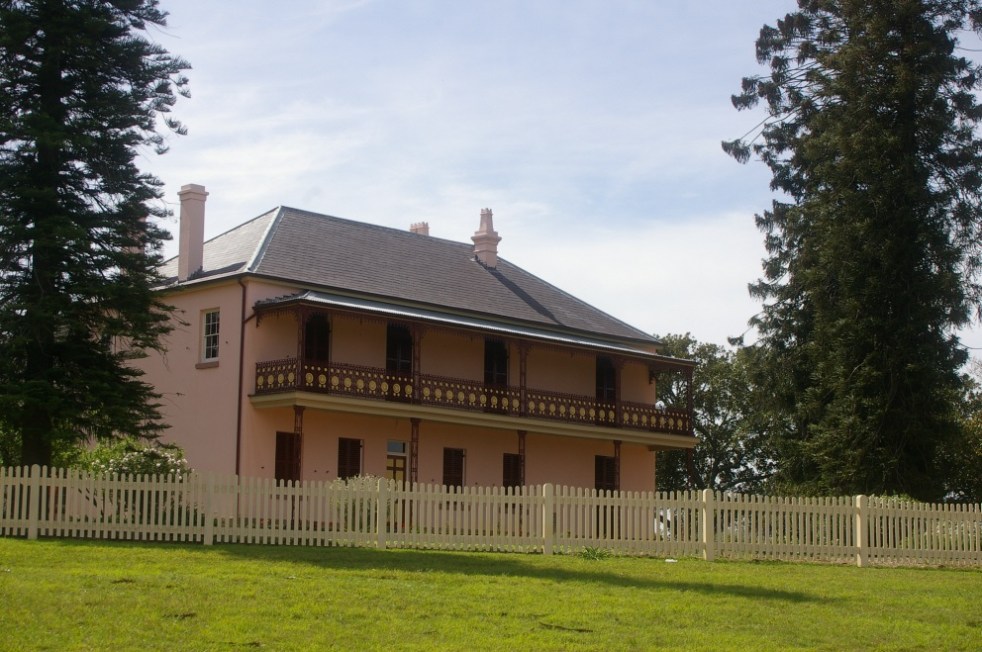
Bella Vista Farm, an early part of the Macarthur rural empire

Bella Vista Farm is an early part of the Macarthur family pastoral empire and an important site in the history of colonial NSW.

Adaptive Re-use · Aesthetics · Agricultural heritage · Agriculture · Architecture · Attachment to place · Australia · Australian Historic Themes · Camden Story · Colonial Camden · Colonial frontier · Colonialism · Community identity · Conservation · Convicts · Cultural Heritage · Cultural icon · Elizabeth Farm · Elizabeth Macarthur · England · Families · Family history · Gardening · Georgian · Heritage · Historical consciousness · Historical Research · Historical thinking · History · History of a house · House history · Landscape · Landscape aesthetics · Living History · Local History · Macarthur · Memory · Parramatta · Place making · Sense of place · Settler colonialism · Settler Society · Storytelling · Victorian · Women's history

Elizabeth Farm, the foundation story of the Macarthur rural empire

Elizabeth Farm was the home of John and Elizabeth Macarthur for over 35 years, playing a central role in Australia's wool industry. Following years of neglect, it was transformed into a house museum in 1984. With extensive gardens and historical significance, it stands as one of the oldest surviving constructions in Australia.

Appin · Colonialism · Governor Macquarie

Was Governor Lachlan Macquarie a terrorist?

In The Guardian Australia online this week there has appeared an article that asks the question: 'Was Governor Lachlan Macquarie a terrorist?' Paul Daley writes: Macquarie is the Australian leader who used terrorism and slaughter to quell hostile Indigenous resistance to invasion and dispossession. The colonial frontier was a violent location and many people suffered… Continue reading Was Governor Lachlan Macquarie a terrorist?

Aesthetics · Agriculture · Attachment to place · Australia · Belonging · British colonialism · Colonial Camden · Colonial frontier · Colonialism · Community identity · Convicts · Cowpastures · Cultural Heritage · Cultural icon · Curtilage · Economy · Elderslie · England · Farming · Frontier violence · Georgian · Gothic · Heritage · Historical consciousness · Historical Research · Historical thinking · History · Landscape · Landscape aesthetics · Local History · Local Studies · Macarthur · Narellan · Place making · Ruralism · Sense of place · Settler colonialism · Storytelling · Stuart Park Wollongong

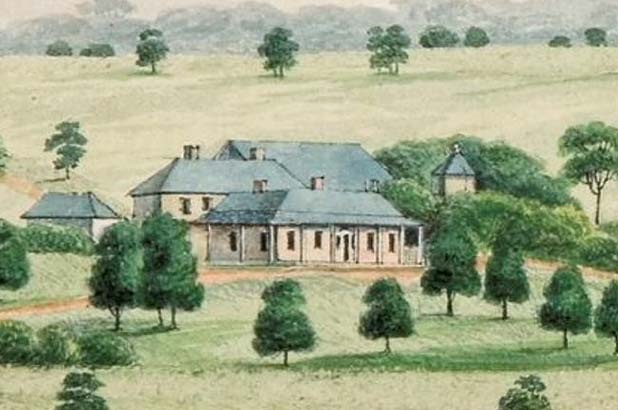
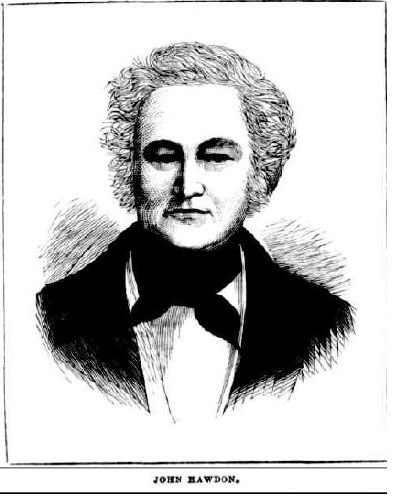
John Hawdon of Elderslie in a settler society

John Hawdon of Elderslie was part of the story of settler colonialism in New South Wales in the early 19th century.

1930s · Agricultural heritage · Agriculture · Attachment to place · Australia · Belgenny Farm · British colonialism · Camden Festivals · Camden Park Estate · Camden Park House and Garden · Camden Story · Colonial Australia · Colonial Camden · Colonial frontier · Colonialism · Cowpastures · Cowpastures district · Cowpastures Estates · Cowpastures Gentry · Cowpastures Region · Cultural Heritage · Cultural icon · Dairying · Elizabeth Farm · England · Family history · Farming · Farming history · Governor Macquarie · History · Interwar · Johm Macarthur · Legends · Local History · Local Studies · Macarthur · Macarthur family · Memory · Monuments · Myths · Pioneers · Place making · Placemaking · Ruralism · Sense of place · Settler colonialism · Storytelling

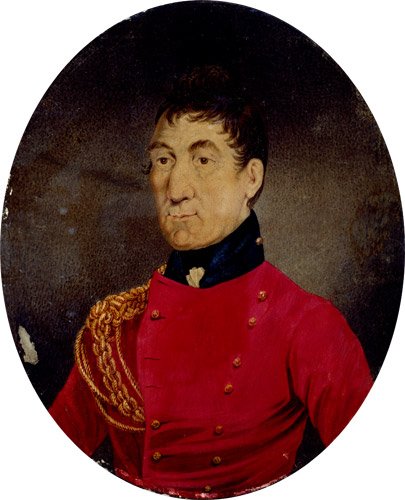
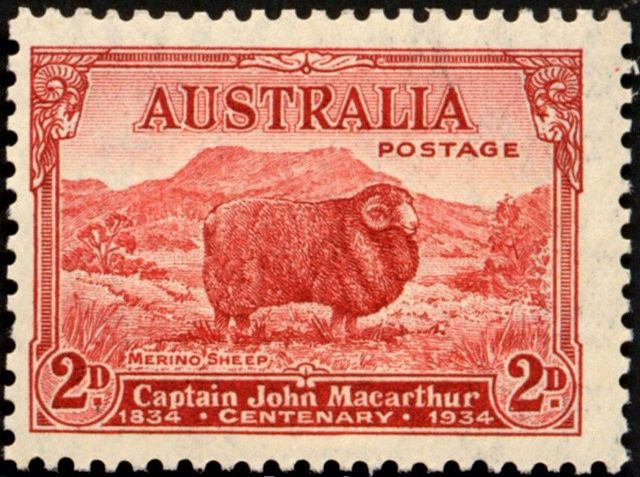
John Macarthur, Father of Australia’s Wool Industry, fact or fiction

John Macarthur is credited with establishing fine wool as a key industry in New South Wales. During the interwar period, it was claimed that he was the father of the Australian wool industry. While significant, his contributions are part of a larger narrative involving many key figures in the industry. His legacy includes commemorative postage stamps, as well as his portrayal in literature and festivals celebrating wool production.