20th century · Architecture · Argyle Street · Built heritag · Business History · Camden Story · Camden Town Centre · Colonial Camden · Cultural Heritage · Cultural icon · Heritage · History · Hotel History · Hume Highway · Lifestyle · Local History · Place making · Sense of place

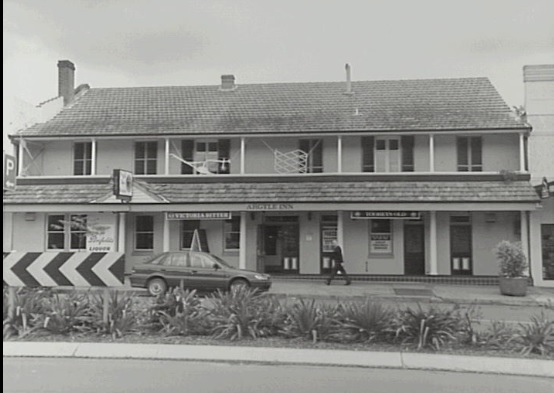
The Plough and Harrow Hotel: an early colonial Camden inn

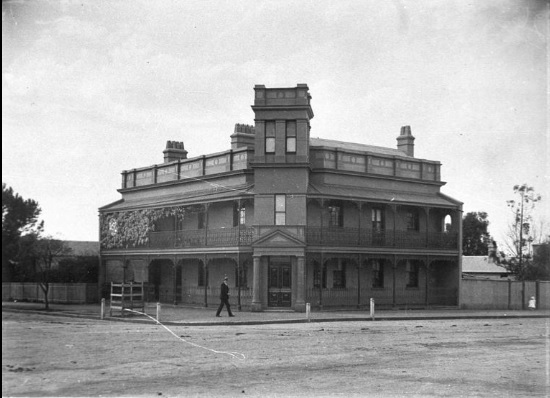
The Plough and Harrow Hotel is the second oldest pub in the Camden town centre and was built in the early 1850s. The hotel is still on its original site located on the former Great South Road, later the Hume Highway, now relocated.

1920s · 1930s · 1932 · 20th century · Adaptive Re-use · Aesthetics · Architecture · Argyle Street · Attachment to place · Belonging · Built heritag · Business History · Camden Story · Camden Town Centre · Collective Memory · Colonial Camden · Community identity · Cultural Heritage · Cultural icon · Design · Economy · Governor Macquarie · Historical consciousness · History · Interwar · Local History · Local Studies · localism · Macarthur region · Mid-century modernism · Modernism · Place making · Placemaking · Sense of place · Storytelling · Streetscapes · Town planning · Uncategorized · Urban growth · Urban history · Urbanism

 The former Bank of New South Wales building in the country town of Camden

In central Camden is an empty bank building of understated significance at the intersection of John and Argyle Streets. This building was the premises of Westpac, formerly the Bank of New South Wales, and was the second banking chamber on that site. Constructed in the 1930s by a prominent firm of local builders and designed by one of Sydney’s top award-winning architects. It is a building of much architectural merit, and few know its history. 

20th century · Adaptive Re-use · Aesthetics · Architecture · Attachment to place · Belonging · Burra Charter · Camden Story · Church History · Churches · Collective Memory · Commemoration · Community identity · Cultural Heritage · Elderslie · Families · Family history · Farming · First World War · Genealogy · Heritage · History · Living History · Local History · Local Studies · Memorial · Place making · Placemaking · Sense of place · St Mark's Church Elderslie · Urban development · Urban growth · Urbanism · Village · Wartime

St Mark’s Church Elderslie, the little church on the hill

St Mark's Church Elderslie tells the story of a small farming community that has disappeared through the mists of time. The history of St Mark’s church is the history of Elderslie, and the church was a special place of community celebrations and commemorations along with family celebrations, traditions, and events. The church has been a gathering place, a sacred site.

Attachment to place · Bibliography · Camden · Camden Museum · Camden Story · Cultural Heritage · Historiography · History · Local History · Place making · Placemaking · References · Sense of place · Storytelling

Camden Bibliography, a guide to the story of a country town

This is a list of references for the story of Camden and District. It includes newspapers, books, articles, theses and audio-visual sources.

Advertising · Agricultural heritage · Agriculture · Agriculture history · Business · Business History · Camden · Camden Story · Community identity · Country town · Cultural Heritage · Cultural plantings · Economy · Family history · Fergusons Australian Nurseries · Gardening · Heritage · History · Horticulture · Landscape · Local History · Local Studies · localism · Nursery · Place making · Placemaking · Plant Nursery · Retailing · Sense of place · Storytelling · Street Trees · Sydney's rural-urban fringe · Technology · Trees · Uncategorized · Urban development · Urban growth · Urban history · Urban Planning · urban sprawl · Urbanism

Ferguson’s Nursery, the post-war years

During the post-war years, Ferguson's Nurseries continued to be located on Sydney’s urban fringe as the metropolitan area expanded into the rural surrounds.

1920s · Agricultural heritage · Agriculture · Agriculture history · Attachment to place · Belonging · Business · Business History · Camden · Camden Story · Cultural Heritage · Cultural plantings · Economy · Family history · Fergusons Australian Nurseries · Gardening · Heritage · History · Horticulture · Local History · Local Studies · Nepean River · Nursery · Place making · Placemaking · Plant Nursery · Retailing · rural-urban fringe · Sense of place · Storytelling · Sydney · Sydney's rural-urban fringe · The Great South Road · Uncategorized · Urban growth · Urban history · Urban Planning · urban sprawl · Urbanism

Ferguson’s Australian Nurseries on the urban fringe

The 20th-century story of Ferguson’s Australian Nurseries is about their location within Sydney’s rural-urban fringe.

Agricultural heritage · Agriculture · Agriculture history · Business · Business History · Camden · Camden Story · Campbelltown · Colonial Camden · Colonialism · Community identity · Cowpastures · Cultural Heritage · Cultural icon · Cultural plantings · Economy · England · Family history · Farming · Fergusons Australian Nurseries · Gardening · Heritage · Horticulture · Landscape · Landscape aesthetics · Local History · Local Studies · Memory · Nepean River · Nursery · Place making · Plant Nursery · Sense of place · Storytelling · Trees · Uncategorized · Urban growth · Urban history

Ferguson’s Australian Nurseries, a century of horticulture

Ferguson's Australian Nursery was part of the horticulture industry in the Camden area for over 100 years. Francis Ferguson established a nursery opposite Macquarie Grove on the Nepean River.

20th century · Agriculture · Argyle Street · Attachment to place · Belonging · Camden Festivals · Camden Regional Economic Taskforce · Camden Story · Camden Town Centre · Community identity · Cultural Heritage · Economy · Farming · Fergusons Australian Nurseries · Festivals · Gardening · Heritage · History · Jacaranda · Landscape · Landscape aesthetics · Local History · Local Studies · Macarthur · Memory · Newspapers · Nursery · Placemaking · Storytelling · Streetscapes · Tourism · Uncategorized

Camden’s Inaugural Jacaranda Festival Highlights

The 2018 Camden Jacaranda Festival, inspired by the local Jacaranda trees, was launched and featured live music, a Christmas tree lighting, and a street market. The festival evolved from the previous Light Up Camden festival and emphasized local history through walking tours. The inaugural event celebrated the area's rich botanical heritage.

1920s · Argyle Street · Artefacts · Attachment to place · Camden · Camden Story · Collective Memory · Cultural Heritage · Engineering Heritage · Engineering History · Heritage · Highways · History · Hume Highway · Infrastructure · Living History · Local History · Local Studies · Memorial · Memorials · Memory · Mileposts · Monuments · Place making · Public art · Re-enactments · Roads · Service utilities · Storytelling · Technology · The Great South Road · Tourism · Transport · transport history · Travel · Travellers · Utilities · Wayfinding

Mileposts captured the distance of the past

The white concrete mileposts in Camden, remnants of the Hume Highway, mark distances to destinations like Sydney and Mittagong. Originating from Roman times, these posts were part of a 1934 initiative to standardize road markers in NSW, aiding both travelers and road maintenance. They reflect Camden's cultural and engineering heritage.

Agriculture · Art · Attachment to place · Belonging · Camden Story · Colonialism · Cowpastures · Cultural Heritage · Cultural icon · History · Landscape · Local History · Memorial · Memorials · Monuments · Oran Park · Parks · Place making · Placemaking · Public art · Settler colonialism · Settler Society · Storytelling · Tourism

Cowpastures memorial, Oran Park

The story of the Cowpastures can be told in many ways including through public art. At Oran Park an art installation of a herd of bronze cows is one approach to storytelling.