20th century · Anzac · Art · Attachment to place · Belonging · Camden Story · Craft · Crafts · Cultural Heritage · Cultural icon · Cultural plantings · Design · Family history · Festivals · History · History of Emotion · Living History · Local History · Local Studies · localism · Memorial · Memorialisation · Memorials · Memory · Metaphor · Military history · Modernism · Monuments · Patriotism · Place making · Propaganda · Second World War · Sense of place · Sewing · Stereotypes · Storytelling · Symbolism · Uncategorized · Volunteering · Volunteerism · War · War at home · Wartime · Women's diaries · Women's history · World War One

Red Flanders poppies, a field of memories

The red poppy carries a lot of symbolism in cultural mythologies from remembrance to sacrifices. The simple flower triggers outpouring of emotion, memories and commemorations on Anzac Day and Remembrance Day every year.

1920s · 1930s · 20th century · Argyle Street · Camden · Camden Story · Collective Memory · Community identity · Cowpastures · Cultural Heritage · Cultural plantings · Dairying · Farming · Gardening · Horticulture · Landscape · Landscape aesthetics · Local Studies · Memorials · Memory · Pepper Trees · Place making · Settler colonialism · Settler Society · Storytelling · Street Trees · Town planning · Urban Planning

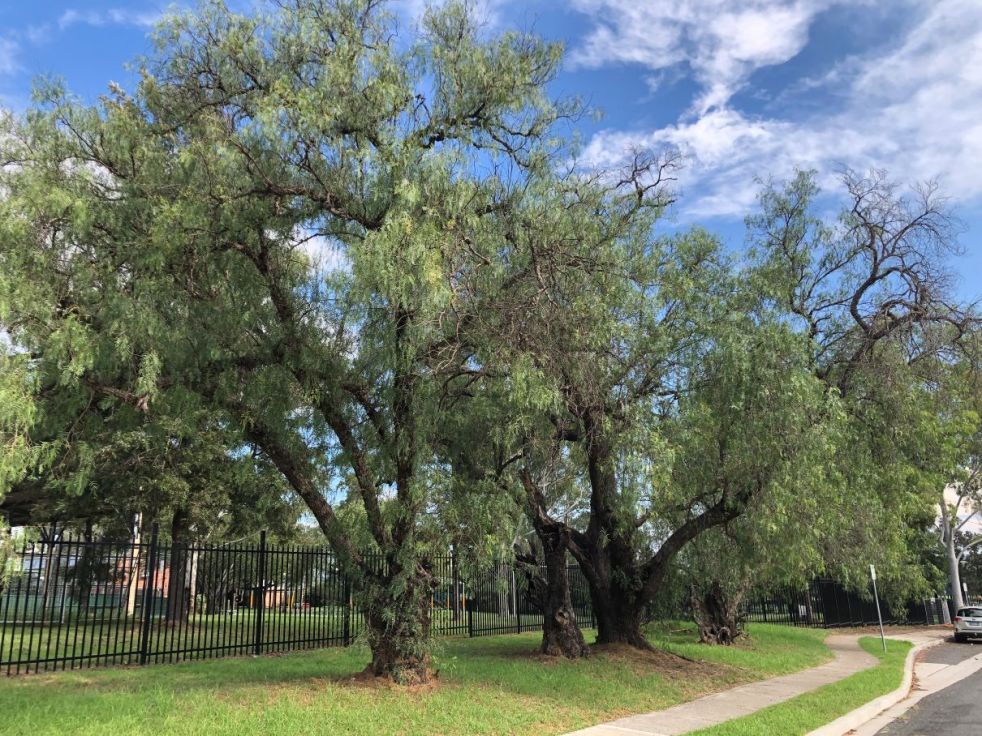
Camden pepper trees, a remnant of the past

In the 1890s, Camden Municipal Council started beautifying the town area by planting various trees, including peppercorns. These cultural plantings defined the local urban landscape for decades, yet only a handful remain today.

Advertising · Agricultural heritage · Agriculture · Agriculture history · Business · Business History · Camden · Camden Story · Community identity · Country town · Cultural Heritage · Cultural plantings · Economy · Family history · Fergusons Australian Nurseries · Gardening · Heritage · History · Horticulture · Landscape · Local History · Local Studies · localism · Nursery · Place making · Placemaking · Plant Nursery · Retailing · Sense of place · Storytelling · Street Trees · Sydney's rural-urban fringe · Technology · Trees · Uncategorized · Urban development · Urban growth · Urban history · Urban Planning · urban sprawl · Urbanism

Ferguson’s Nursery, the post-war years

During the post-war years, Ferguson's Nurseries continued to be located on Sydney’s urban fringe as the metropolitan area expanded into the rural surrounds.

1920s · Agricultural heritage · Agriculture · Agriculture history · Attachment to place · Belonging · Business · Business History · Camden · Camden Story · Cultural Heritage · Cultural plantings · Economy · Family history · Fergusons Australian Nurseries · Gardening · Heritage · History · Horticulture · Local History · Local Studies · Nepean River · Nursery · Place making · Placemaking · Plant Nursery · Retailing · rural-urban fringe · Sense of place · Storytelling · Sydney · Sydney's rural-urban fringe · The Great South Road · Uncategorized · Urban growth · Urban history · Urban Planning · urban sprawl · Urbanism

Ferguson’s Australian Nurseries on the urban fringe

The 20th-century story of Ferguson’s Australian Nurseries is about their location within Sydney’s rural-urban fringe.

Agricultural heritage · Agriculture · Agriculture history · Business · Business History · Camden · Camden Story · Campbelltown · Colonial Camden · Colonialism · Community identity · Cowpastures · Cultural Heritage · Cultural icon · Cultural plantings · Economy · England · Family history · Farming · Fergusons Australian Nurseries · Gardening · Heritage · Horticulture · Landscape · Landscape aesthetics · Local History · Local Studies · Memory · Nepean River · Nursery · Place making · Plant Nursery · Sense of place · Storytelling · Trees · Uncategorized · Urban growth · Urban history

Ferguson’s Australian Nurseries, a century of horticulture

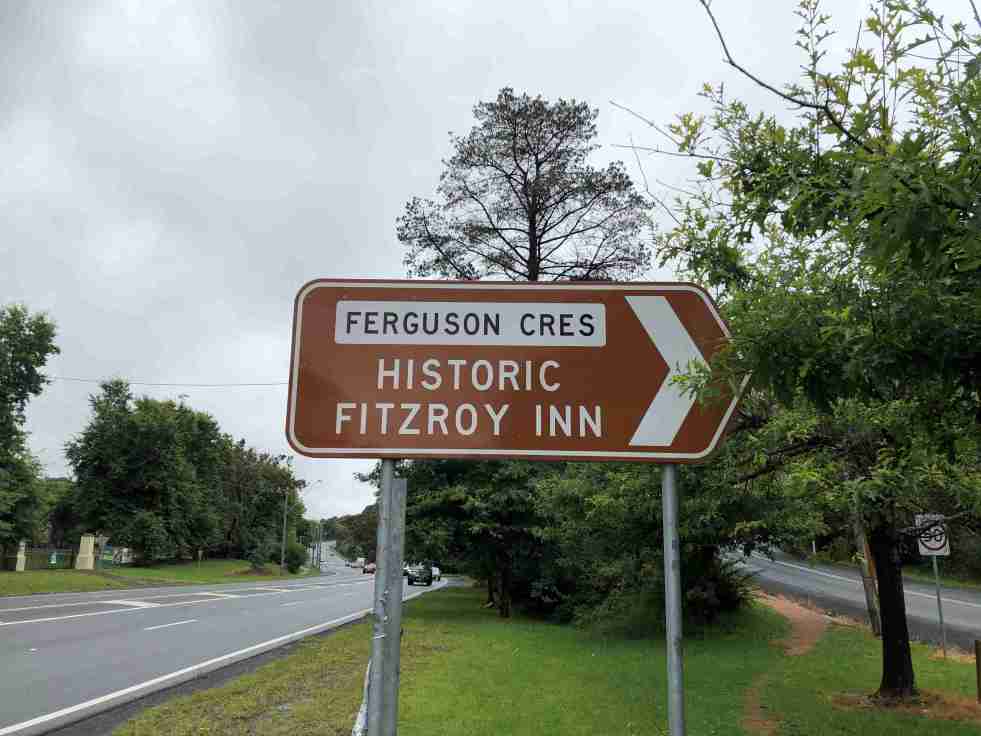
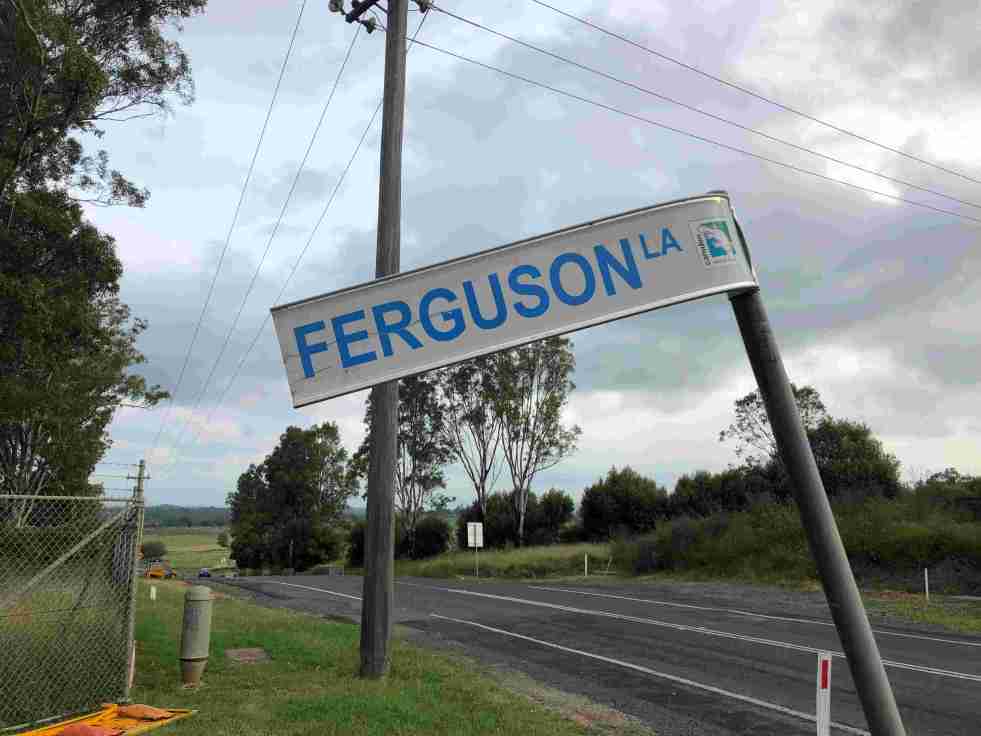
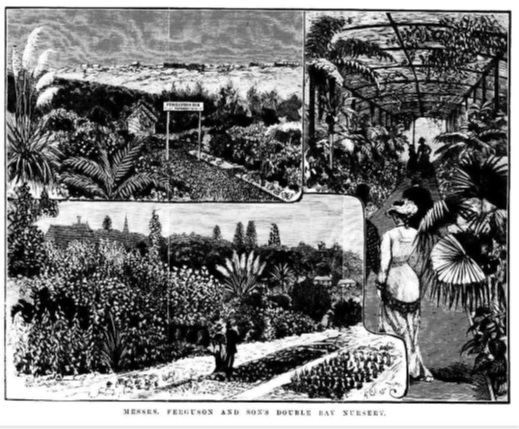
Ferguson's Australian Nursery was part of the horticulture industry in the Camden area for over 100 years. Francis Ferguson established a nursery opposite Macquarie Grove on the Nepean River.

Aesthetics · Attachment to place · Belonging · Colonialism · Community identity · Country town · Cultural and Heritage Tourism · Cultural Heritage · Cultural plantings · Design · Edwardian · Entertainment · Fashion · Garden history · Heritage · Landscape · Leisure · Local History · Local Studies · Memorial · Memorialisation · Memorials · Memory · Monuments · Parks · Place making · Sense of place · Social History · Tourism · Uncategorized · Urban history · Urban Planning · Victorian

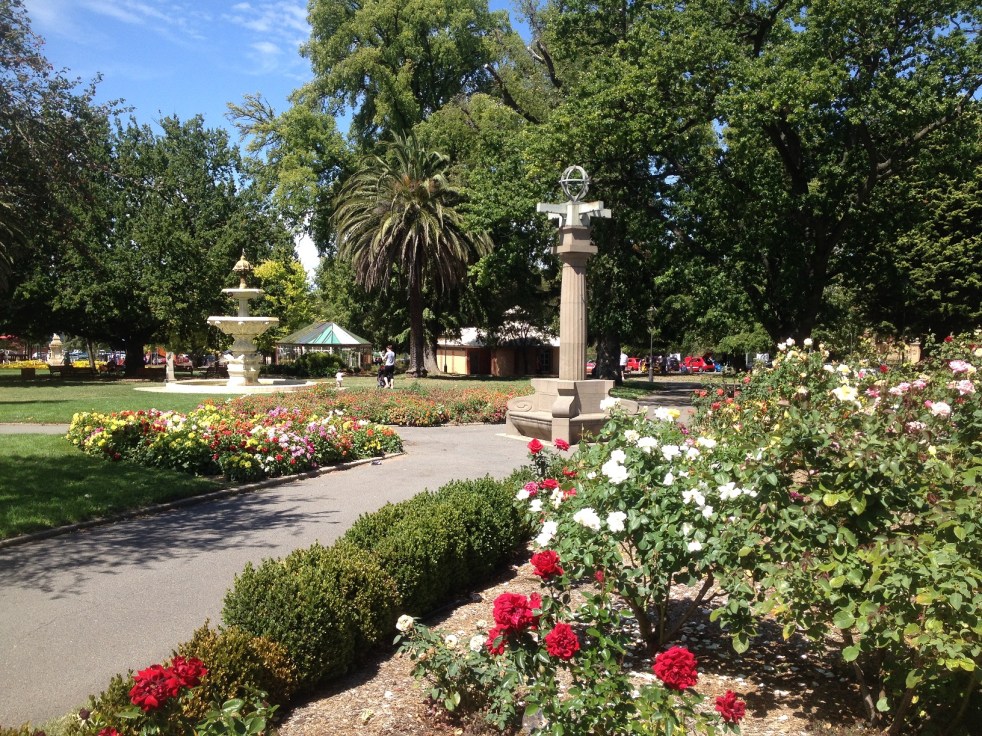
Goulburn’s Belmore Park, a space of memories and monuments

In central Goulburn is an urban park with formal paths and gardens that dates back Victorian times. The park has evolved to become a landscape of monuments and memorials.

Architecture · Attachment to place · British Heritage · Colonialism · Conservation · Cricket · Cultural and Heritage Tourism · Cultural Heritage · Cultural icon · Cultural plantings · Design · Education · England · Entertainment · Environment · Farming · Fashion · Garden history · Gardening · Governor Macquarie · Heritage · Historical consciousness · Historical Research · Historical source · Historical thinking · History · Horticulture · Landscape · Landscape aesthetics · Leisure · Living History · Memorialisation · Memorials · Memory · Modernism · Place making · Placemaking · Plant Nursery · Plants · Retailing · Sculpture · Sense of place · Settler Society · Social History · Storytelling · Sydney · Uncategorized · Urban development · Urbanism · Victorian

Sydney’s Royal Botanic Gardens

The Royal Botanic Gardens in Sydney, Australia, cover 29 hectares of gardens and 51 hectares of surrounding parkland. Established in 1816, it is the oldest colonial botanic garden in Australia, attracting 4 million visitors annually. With historical significance dating back to 1788, the Gardens reflect changing landscape styles and serve as a popular public space.