1920s · 19th Century · Adaptive Re-use · Aesthetics · Agency · Balls · Camden · Camden Story · Camelot · Cultural Heritage · Cultural icon · CWA · Design · Dress history · Emotion · Entertainment · Fashion · Fashion History · Heritage · Lifestyle · Local History · Local Studies · Macarthur family · Place making · Placemaking · Re-enactments · Sense of place · Stories · Storytelling · Women's agency · Women's history · Women's stories

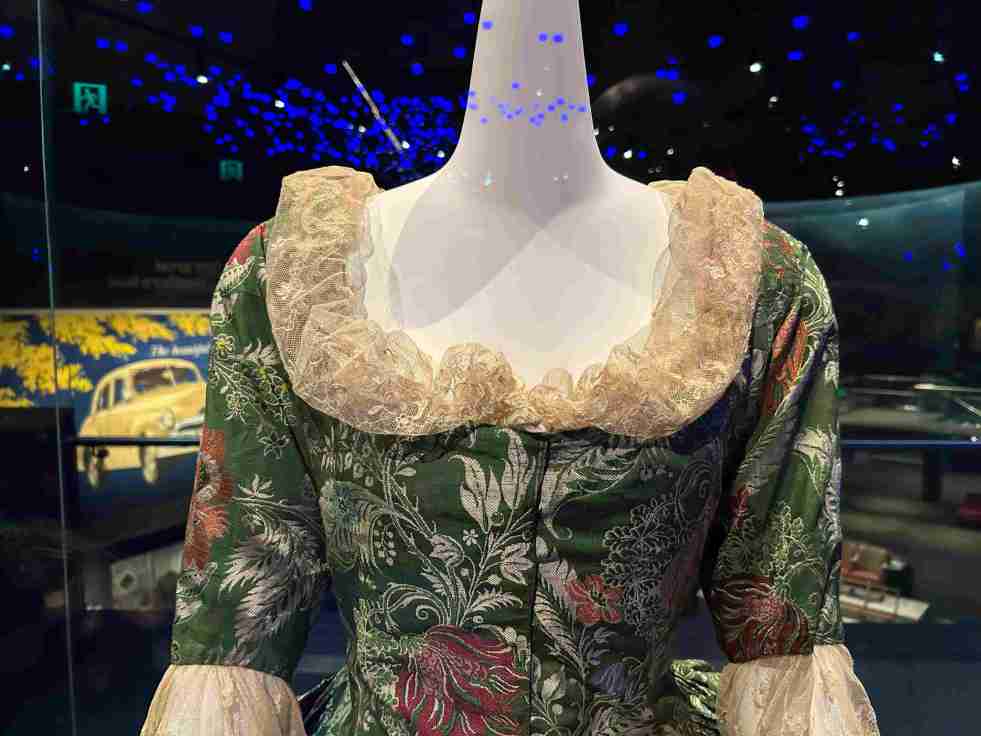
Clarice Faithfull Anderson’s Historic Ball Gown

The 1929 CWA Blue & Gold Ball at Sydney's Ambassador Cabaret was a prestigious fundraising event attended by significant dignitaries, including the Governor General. The ball featured "living pictures" and showcased elaborate gowns, including Clarice Faithfull Anderson's historic dress from the 18th century, which later became a treasured family heirloom and is now part of the textile collection of the National Museum of Australia.

Aesthetics · Agency · Attachment to place · Biography · British colonialism · Camden · Camden Story · Colonial Australia · Colonial Camden · Colonial frontier · Colonial NSW · Colonial Settler Community · Colonialism · Community identity · Cowpastures district · Cultural Heritage · England · Entertainment · Families · Family history · Farming · Farming history · Fashion · Genealogy · Heritage · Historical consciousness · Historical source · History · Leisure · Local History · Memory · Parramatta · Philanthropy · Pioneers · Place making · Ruralism · Sense of place · Settler colonialism · The Cowpastures · Victorian · Volunteering · Women's diaries · Women's history · Women's stories · Women's Writing

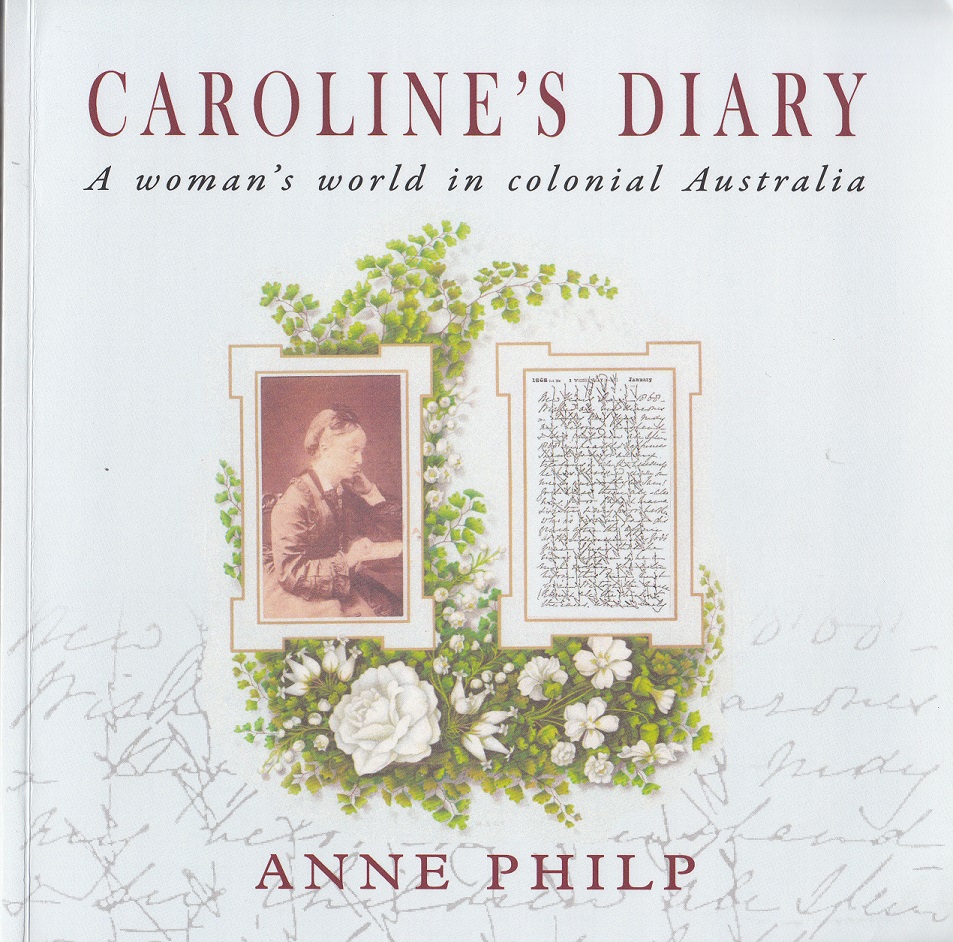
Exploring Caroline’s Diary: A Women’s Perspective on Colonial Australia

Anne Philp's "Caroline’s Diary" narrates the life of Caroline Husband, an Englishwoman who migrated to colonial Australia in the mid-19th century. Through her personal diaries, readers explore her adventures, social life, and experiences from England to New South Wales, providing insights into women's roles and societal dynamics during this period.

19th Century · 20th century · Active citizenship · Agency · Artefacts · Blue Plaques · Business · Business History · Camden · Camden Modernism · Camden Story · Commemoration · Community identity · Craft · Crafts · Cultural icon · Dress history · Economy · Fashion · Fashion History · Handcraft · Heritage · History · History of a building · Industrial Heritage · Local History · Local Studies · Memorialisation · Nationalism · Place making · Placemaking · Red Cross · School of Arts · Second World War · Sense of place · Sewing · Sewing Machine · Social History · Stories · Storytelling · Volunteering · Volunteerism · War · War at home · Wartime · Women's agency · Women's stories · World War One · World War Two

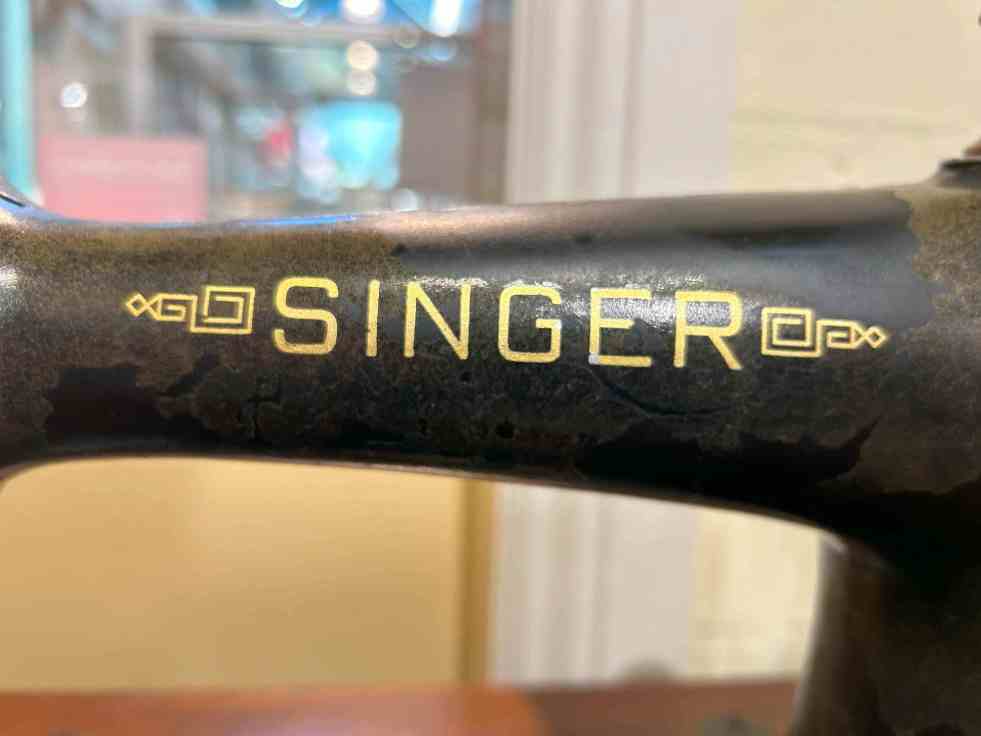
Camden’s Treadle Sewing Machine: A Revolution in Women’s Agency

The Camden Museum's treadle sewing machine symbolizes the significant role of sewing in women's lives from the 19th century onwards. Sewing machines democratized work, enhancing women’s agency by saving time and allowing for business opportunities. Women contributed immensely to the war efforts through Red Cross circles, producing thousands of items during both World Wars.

1920s · Adaptive Re-use · Aesthetics · Architecture · Attachment to place · Belonging · Business · Camden · Camden Museum · Camden Park House and Garden · Colonial Camden · Communications · Community identity · Cowpastures · Cultural Heritage · Cultural icon · Economy · Entertainment · Family history · Fashion · Festivals · Genealogy · Heritage · Historical consciousness · Historical Research · Historical thinking · History · History of a house · History theory and practice · House history · Job creation · Lifestyle · Living History · Local History · Local Studies · Macarthur · Media · Menangle · Military history · Modernism · NSW History K-10 Syllabus · Place making · Ruralism · Sense of place · Settler colonialism · Stereotypes · Storytelling · Streetscapes · Sydney's rural-urban fringe · Tourism · Travel · Urban growth · Urban Planning · urban sprawl · Volunteering · Volunteerism · Women's history

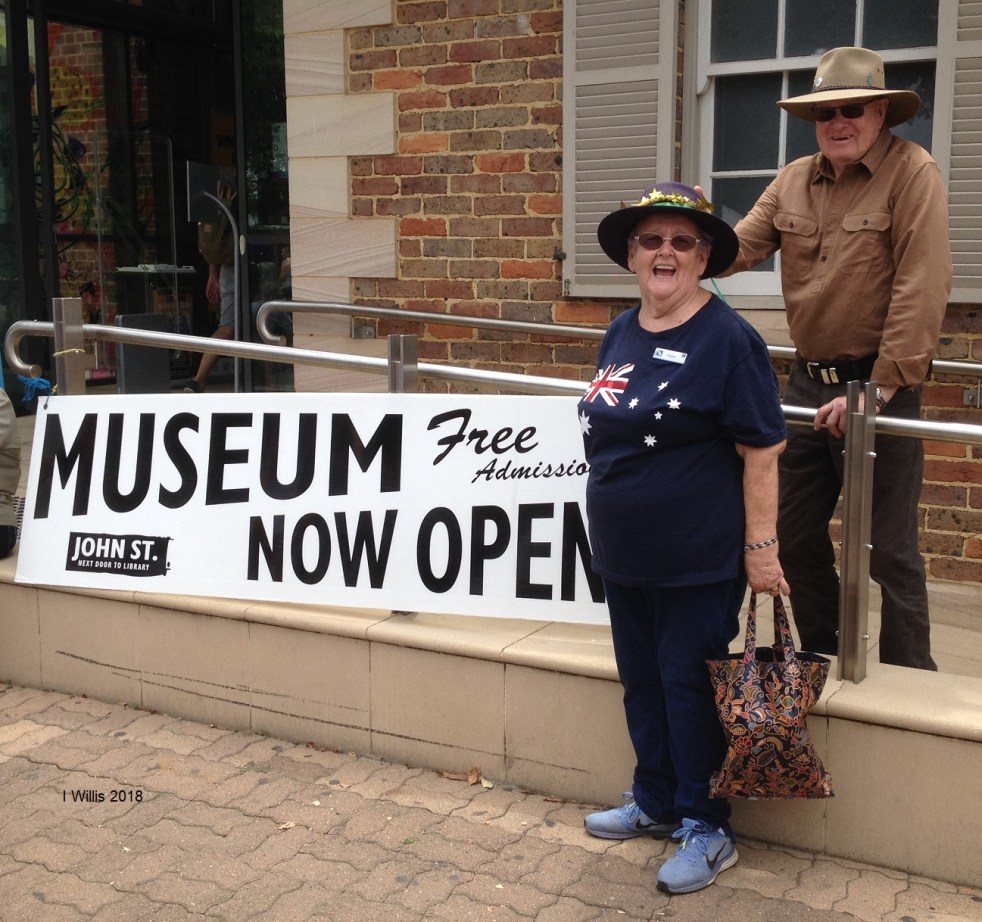
Understanding the Camden Story: History, Community, and Identity

The Camden story encapsulates the rich tapestry of tales and histories that define the Camden community, including dreamtime legends and settler accounts. It offers insight into the community's values, identity, and resilience, serving as both a historical narrative and a tool for local businesses, fostering deeper connections among residents.

1920s · Agency · Attachment to place · Australia · Camden · Camden Museum · Camden Show · Camden Story · Collective Memory · Community identity · Cultural Heritage · Education · Entertainment · Fashion · Gender · Heritage · Historical consciousness · Historical Research · Historical thinking · History · Interwar · Leisure · Lifestyle · Living History · Local History · Local Studies · Macarthur · Memory · Modernism · Mysteries · Myths · Newspapers · Onslow Park · Place making · Placemaking · Schools · Sense of place · Social History · Storytelling · Trainee Teachers · Women's history

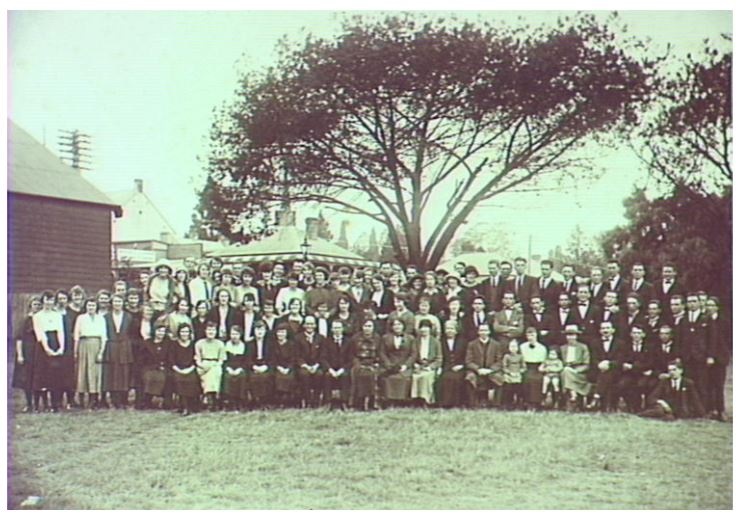
Camden Trainee Teachers Camp 1924: Unveiling a Mysterious Journey

In 1924, a group of trainee teachers from Sydney Teachers College visited Camden for practical training, sparking local curiosity. This visit was part of a tradition that began in 1921, providing hands-on experience in local schools. The program's success was notable, drawing attention from education authorities and the media, and leaving a lasting impact on the community.

Aesthetics · Art · Artefacts · Artists · Belonging · Camden · Camden Story · Craft · Cultural and Heritage Tourism · Cultural Heritage · Ephemera · Families · Family history · Fashion · First World War · France · Grief · Heritage · Local History · Memorial · Memory · Place making · Placemaking · War · War at home · Wartime · Women's stories · World War One

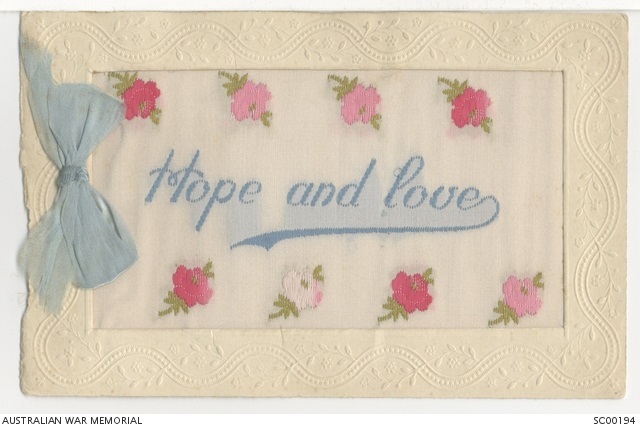
An embroidered silk postcard for Millie at Christmas 1916

A postcard from Frederick for sister Millie During the First World War, local soldier Frederick Kelloway sent his sister, Millie, an embroidered silk postcard to celebrate Christmas and New Year at home in 1916. The front of the embroidered silk postcard that Frederick Kelloway sent his sister Millie in 1916. (KCordina 2023) Millie’s great-granddaughter Kellee… Continue reading An embroidered silk postcard for Millie at Christmas 1916

Art · Artefacts · Artists · Collective Memory · Crafts · Cultural Heritage · Embroidery · Families · Family history · Fashion · Fashion History · First World War · France · Heritage · Hope and loss · Local History · Local Studies · Memory · Storytelling · War · War at home · Wartime

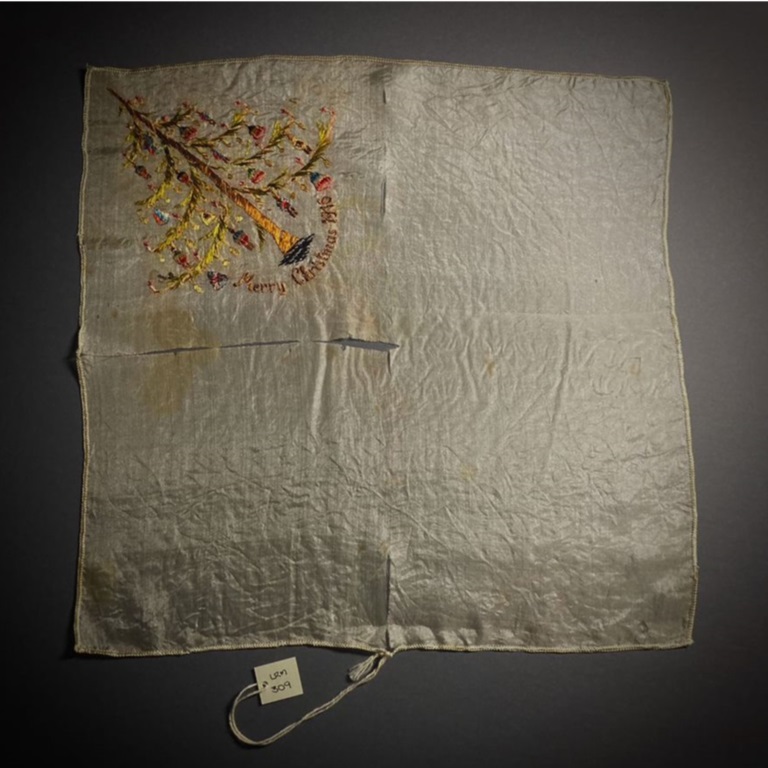
Embroided handkerchief, memories of home at Christmas on the frontline in 1916

Christmas during wartime is a period of hope and memories of home. This embroidered silk handkerchief is full of meaning and memories for an Australian soldier at the front in 1916.

Aesthetics · Art · Artefacts · Colonial Camden · Cowpastures · Cowpastures Bicentennial · Craft · Crafts · Cultural Heritage · Fashion · Heritage · Leisure · Local History · Local Studies · Memorial · Memorials · Memory · Place making · Placemaking · Public art · Quilting · Sense of place · Settler colonialism · Sewing · Storytelling · Women's history

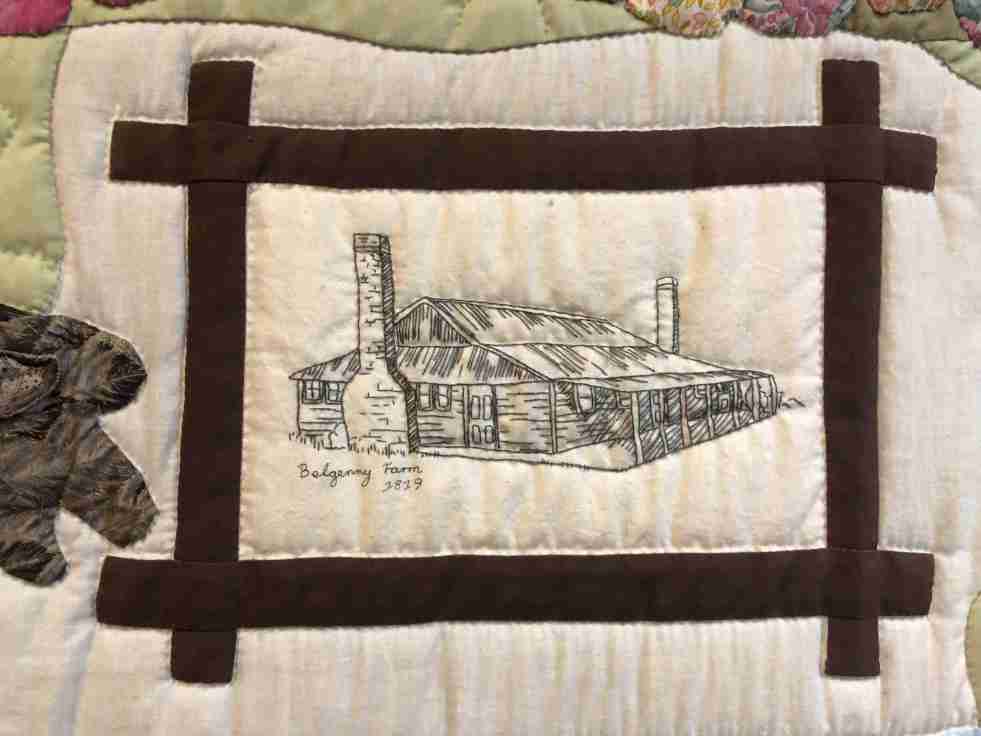
A Cowpastures memorial quilt

Hanging on the wall in the Camden Library is a quilt, but no ordinary quilt. It is a hand-made quilt that had previously hung in the foyer of the Camden Civic Centre for many years. The quilt celebrated the Cowpastures Bicentenary (1995) and was made by members of the Camden Country Quilters Guild.

1920s · Advertising · Aesthetics · Attachment to place · Belonging · Community identity · Cultural Heritage · Cultural icon · Dress history · Fashion · Heritage · Historical consciousness · History · Interwar · Lifestyle · Living History · Local History · Local newspapers · Local Studies · Modernism · Movies · Myths · Place making · Sense of place · Stereotypes · Storytelling · Uncategorized · Women's history

The Camden News affronted by Sydney ‘flappers’ and the appearance of the modern girl.

The modern girl appeared in Camden in the 1920s as she did elsewhere in the world. One representation of the modern girl was the 'flapper' who had a variety of responses in the town.

1920s · 20th century · Aesthetics · Attachment to place · Australia · Camden · Camping · Coal mining · Community identity · Cultural Heritage · Cultural icon · Dairying · Dress history · Engineering Heritage · Family history · Farming · Fashion · Gender · Heritage · Historical consciousness · Historical Research · Historical thinking · History · Industrial Heritage · Interwar · Leisure · Lifestyle · Living History · Local History · Local Studies · Memory · Mining · Modernism · Place making · Railway · Sense of place · Social media · Storytelling · Stuart Park Wollongong · Stuart Park, Wollongong · Technology · Travel · Urbanism · Wollongong · Women's history

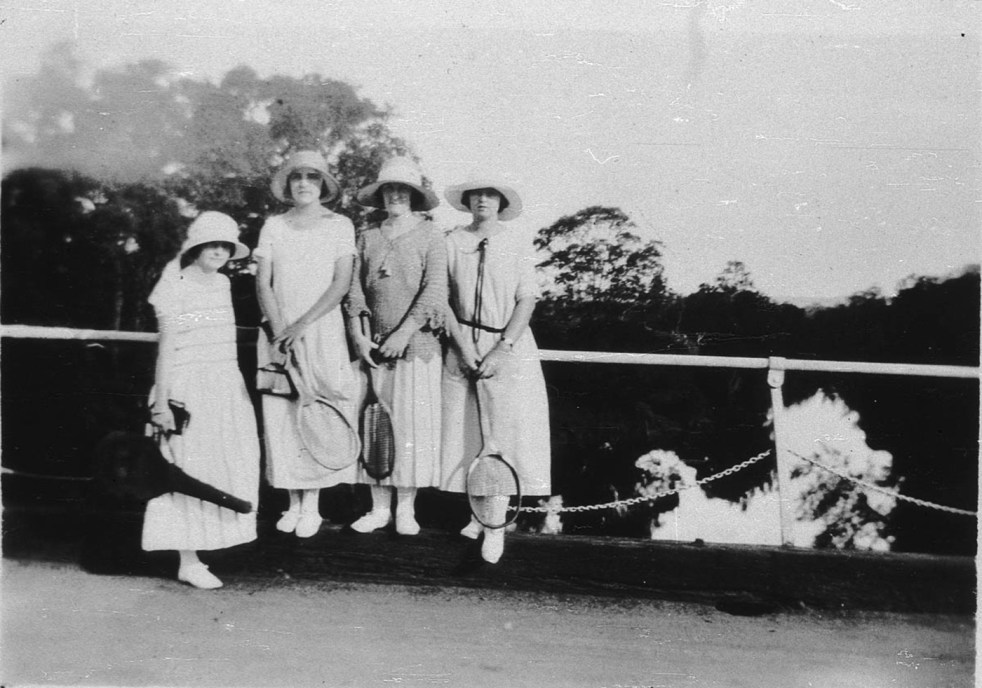
The mysteries of a photograph

How the mysteries of a pretty picture from yesteryear allows you to peel back the layers of the past. Each layer has a meaning and a story that is told by the historian. The stories provide context for the photograph and give it greater meaning.