Aesthetics · Architecture · Attachment to place · Australian History · Built heritag · Built Heritage · Camden Built Heritage · Camden Modernism · Camden Story · Community identity · Country town · Cultural Heritage · Domestic Architecture · Elderslie · Heritage · History of a building · History of a house · Hope and loss · House history · Housing · Housing styles · Landscape · Landscape aesthetics · Living History · Lost Camden · Mid-century modernism · Modernism · Narellan · Nostalgia · Place making · Placemaking · Small town · Stories · Storytelling · Uncategorized · Urban development · Urban growth · Urban history · Urban Planning · Urbanism

A Journey Through Camden’s Mid-Century Housing Architecture

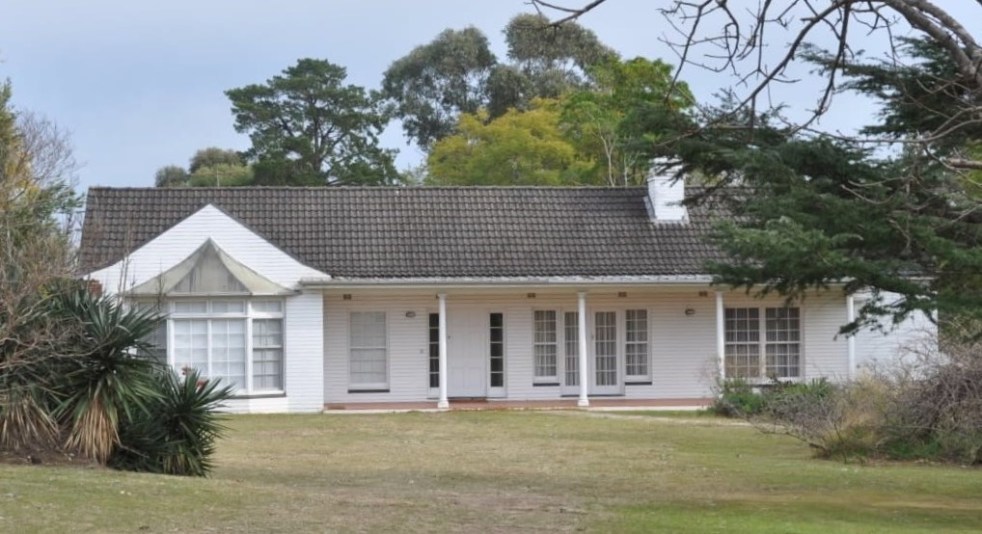
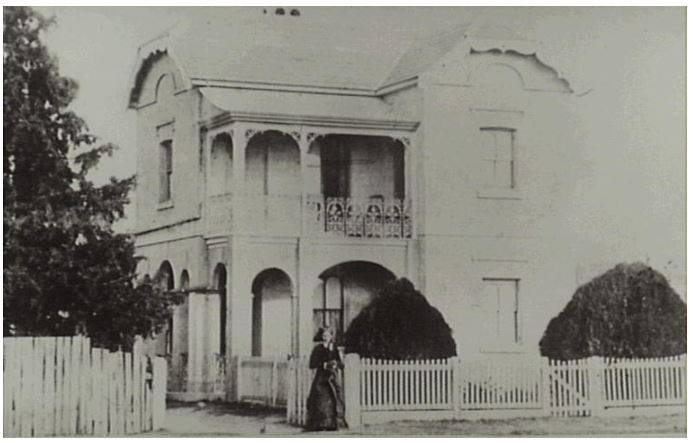
Camden's mid-century housing, developed between the 1940s and 1970s, reflects a worldwide modernism movement. Characterized by simple lines and open spaces, these homes arose amid urban growth linked to the new jobs created by the Burragorang coalfields. Unfortunately, many of these historic structures are disappearing, necessitating greater recognition and appreciation of their significance.

19th Century · Architecture · Attachment to place · Built heritag · Built Heritage · Camden Built Heritage · Camden Cottage Hospital · Camden Hospital · Camden Story · Community · Community building · Community Health · Country town · Cultural Heritage · Family history · History of a building · History of a house · House history · Humanitarianism · Local History · Local newspapers · Local Studies · Medical history · Medical Humanities · Place making · Placemaking · Sense of place · Small town · Social History · Stories · Storytelling · Transport · transport history · Trauma · Women's agency · Women's history · Women's stories

Camden Cottage Hospital, from accidents to amputations and early patient experiences

The Camden Cottage Hospital, opened in April 1899, initially struggled with low patient admissions due to community reluctance. Early cases included accidents and serious conditions, leading to treatments and surgeries like amputations. By early 1900, there was increasing community trust and the permanent facility opened in May 1902.

19th Century · 20th century · Active citizenship · Anniversary Day · Australia Day · British colonialism · British Heritage · Camden · Camden Cottage Hospital · Camden Story · Community Health · Community work · Country town · Friendly Societies · Health and Medical History · Health History · History · Humanitarianism · Local History · Local newspapers · Newspaper history · Newspapers · Philanthropy · Place making · Placemaking · Sense of place · Small communities · Small town · Stories · Storytelling · Volunteering · Volunteerism

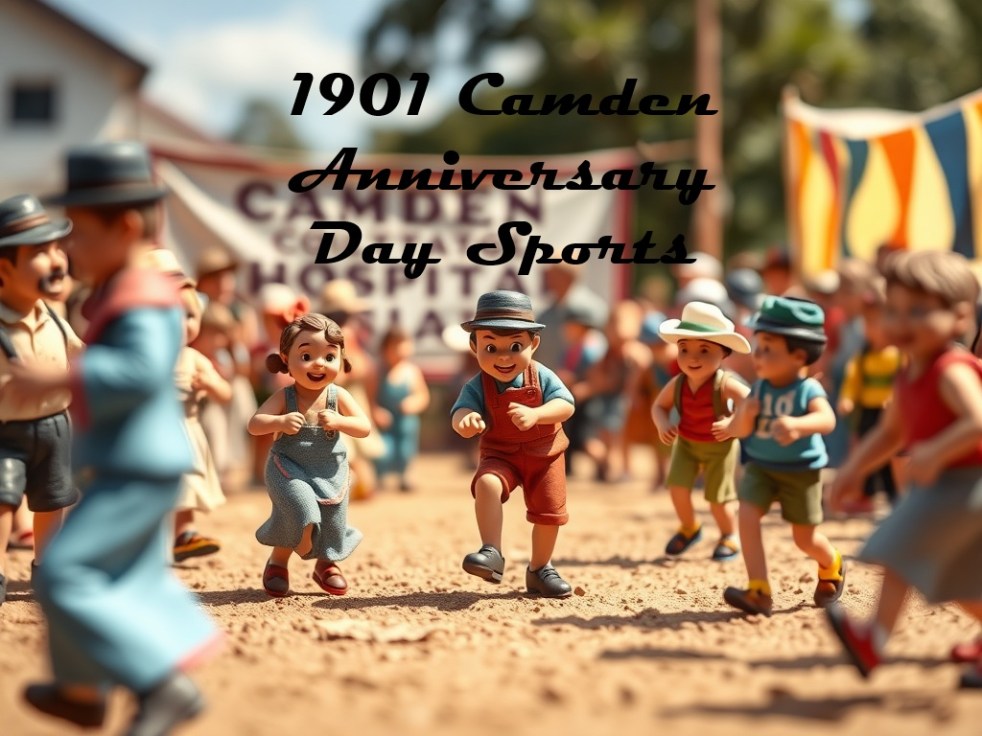
1901 Anniversary Day sports and other amusements on January 26 in aid of the Camden Cottage Hospital.

On January 26, 1901, a sports day organized by the Combined United Friendly Societies raised funds for the Camden Cottage Hospital. The event featured various competitions and attracted around 1,000 attendees, earning ยฃ60. Despite mixed reviews from the local editor, the day represented community unity and historical significance in celebrating European settlement.

19th Century · Australian History · British colonialism · British Heritage · Camden Built Heritage · Camden Cottage Hospital · Camden Story · Camden Town Centre · Colonialism · Community building · Community Health · Community identity · Country town · Health and Medical History · Health History · Heritage · History of a house · Local History · Nursing · Place making · Sense of place · Small communities · Small town · Social History · Stories · Storytelling · Uncategorized · Village

Camden Cottage Hospital – early English influences and the cottage hospital movement

The Camden Cottage Hospital, inspired by the English cottage hospital movement, was established in 1899 in New South Wales. This model provided the community with a small, welcoming healthcare facility, funded by donations and subscriptions. Over time, cottage hospitals became integral to the healthcare landscape in rural Australia, adapting local characteristics.

Built Heritage · Camden Cottage Hospital · Camden Hospital · Camden Story · Camden Town Centre · Community Health · Health and Medical History · Health History · Heritage · History · History of a house · Local History · Medical history · Medical Humanities · Nursing · Place · Regionalism · Sense of place · Small town · Stories · Storytelling

Camden Cottage Hospital – foundation and early days

By the 1890s, Camden's economy depended on dairy, but health concerns arose due to contaminated water and infectious diseases like scarlet fever. In response, the community pushed for a cottage hospital, leading to its opening in 1899. Local efforts highlighted the crucial link between health and the dairy industry's sustainability.

19th Century · Architectural History · Architecture · Australian History · Built Heritage · Colonial Architecture · Colonial Australia · Colonialism · Country town · Cultural Heritage · Georgian · Heritage · Historiography · History · Housing styles · Local History · Pioneers · Place · Sense of place · Small communities · Small town · Stories · Storytelling

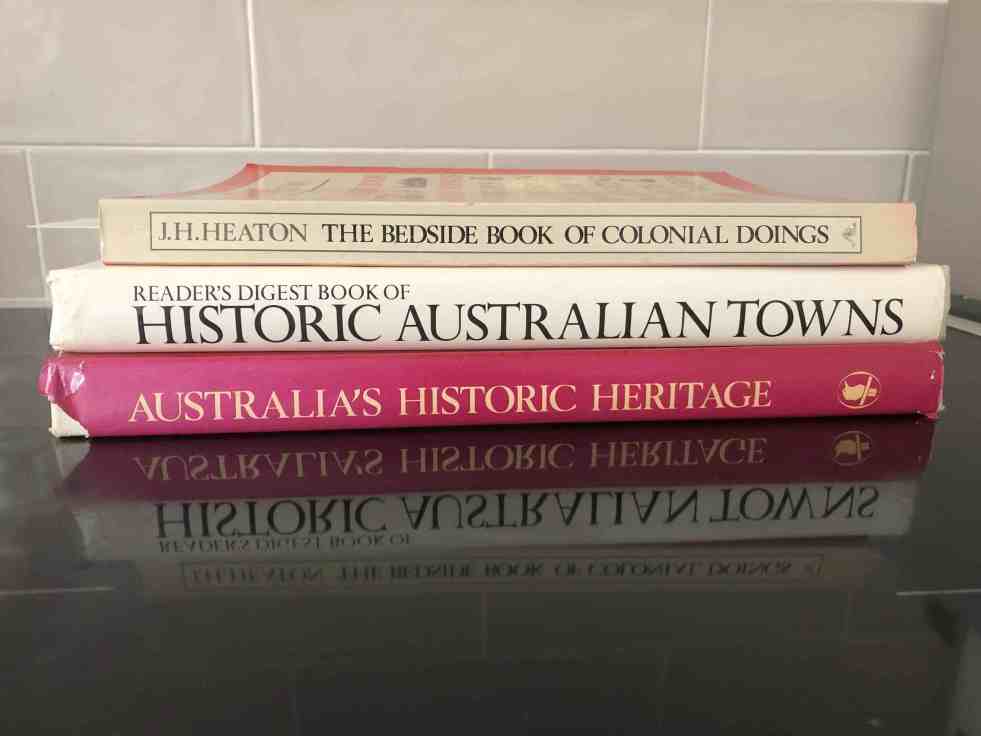
Rediscovering Forgotten Australian History Books

The blog post discusses three historically significant Australian books from the 1980s, which have become neglected items. Heatonโ€™s work is a reference on early Australian history, while Smithโ€™s volume showcases historical sites through photography. Morrison and Irving focus on historic towns and architectural heritage. Collectively, they reflect on popular historiography in Australia.

Adaptive Re-use · Adaptive Reuse · Aesthetics · Agricultural heritage · Agricultural modernism · Agriculture · Agriculture history · Architecture · Artists · Belgenny Farm · Camden Park Estate · Camden Story · Carpentry · Colonial Camden · Colonialism · Commemoration · Cowpastures · Cowpastures Estates · Cowpastures Gentry · Crafts · Cultural Heritage · Dairying · Elizabeth Macarthur · Entertainment · Farming · History of a building · Landscape · Landscape aesthetics · Living History · Local History · Local Studies · Macarthur · Macarthur family · Memorial · Monuments · Nationalism · Place making · Placemaking · Ruralism · Sense of place · Settler Society · Small town · Stories · Storytelling · Traditional Trades · Village

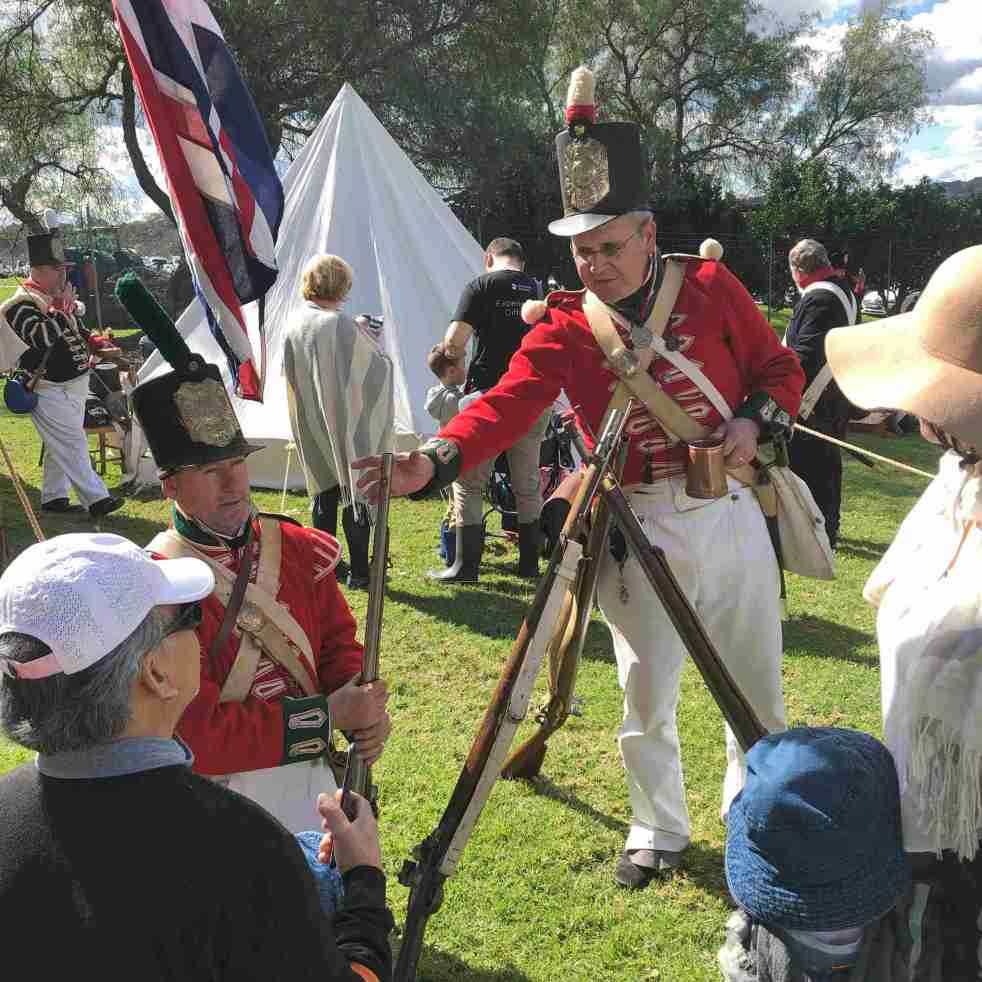
Back to Belgenny 2024, a festival of living history

The 2024 Back to Belgenny festival at Belgenny Farm in South Camden showcased living history with reenactments, traditional trades, and stalls selling arts and crafts of the past. Activities included sheepdog trials, live music, vintage cars, and guided history tours of the site. The farm represents the settler society through the generations of the Macarthur family and their workers.

Active citizenship · Agency · Anzac · Australia · Australia Day · Australian Red Cross · British Red Cross · Camden Park Estate · Camden Park House and Garden · Camden Story · Collective Memory · Community building · Community celebrations · Community Engagement · Community organisations · Community work · Country town · First World War · Local Studies · Macarthur · Macarthur family · Medical Humanities · Place making · Placemaking · Red Cross · Red Cross Humanitarianism · Red Cross Movement · Small town · Stories · Storytelling · Volunteering · Volunteerism · War · War at home · Wartime · Women's stories · World War One

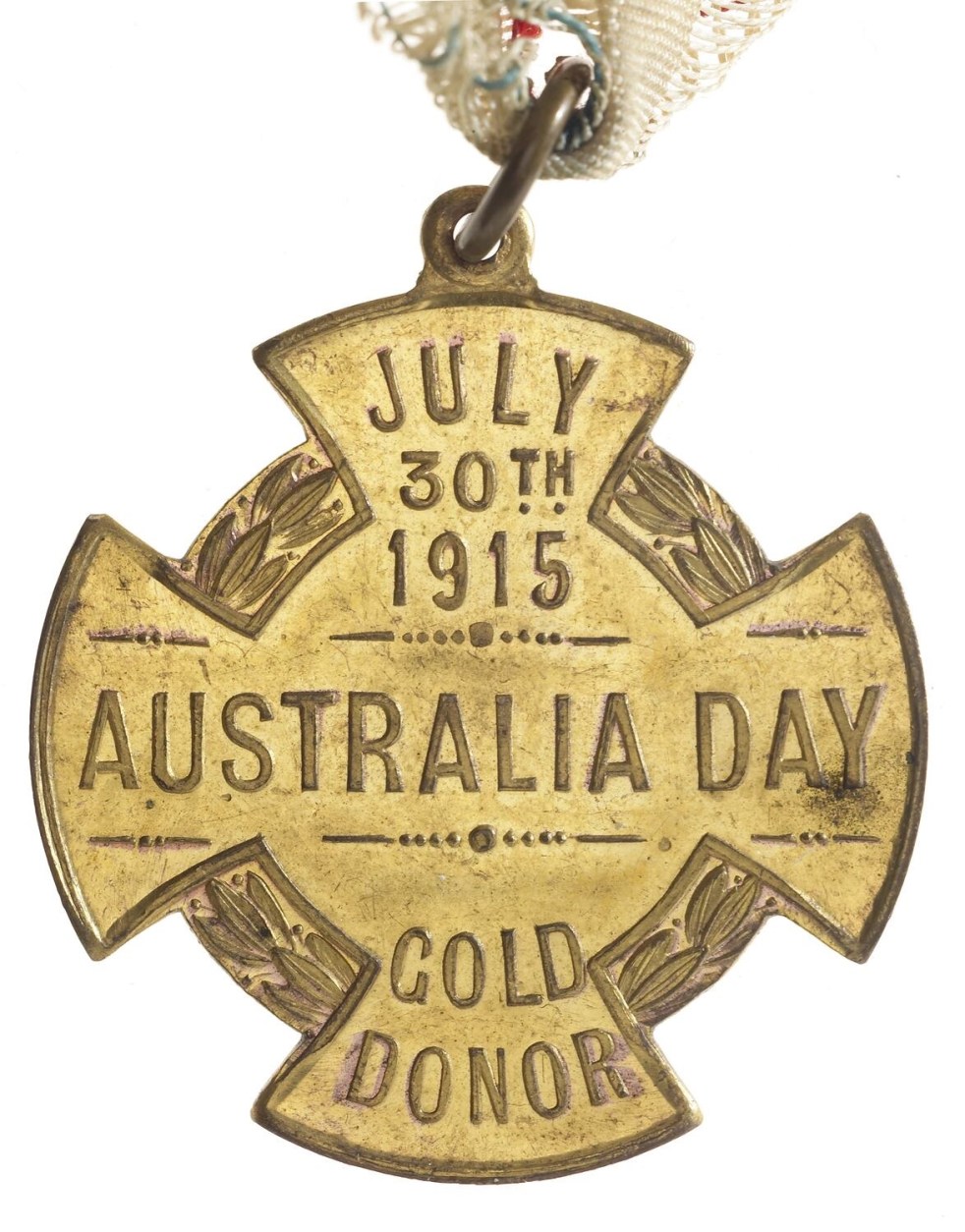
Australia Day 1915 in Camden: Record-breaking Wartime Fundraiser

In mid-1915, the Camden Patriotic Fund took over fundraising for the first Australia Day appeal directing proceeds to the Red Cross for Australian wounded. The patriotic fund raised a substantial amount of money through various events. Meanwhile, on a national scale, the significance of the first Australia Day evolved from an idea initiated by Mrs. Elle Warton-Kirke of Manly NSW to an important Red Cross day. In Camden, the 1915 Australia Day activities were a significant wartime fundraiser, demonstrating the community's support for the war effort.

19th Century · 20th century · Architecture · British colonialism · Built heritag · Camden Built Heritage · Camden John Street Precinct · Camden Police Barracks · Collective Memory · Colonial Camden · Colonial frontier · Colonialism · Country town · Court of Petty Sessions · Cowpastures · Cowpastures district · Cowpastures Estates · Cowpastures Gentry · Cowpastures Region · Cultural Heritage · Heritage · History of a building · Local History · Local Studies · Military history · Place making · Policing · Sense of place · Settler Society · Small town · Stories · Storytelling · Uncategorized · Urban history · Victorian

Camden Police Station and Residence: A Historical Landmark in Camden

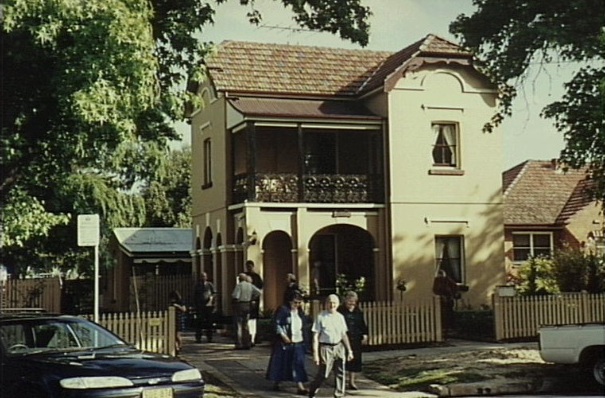
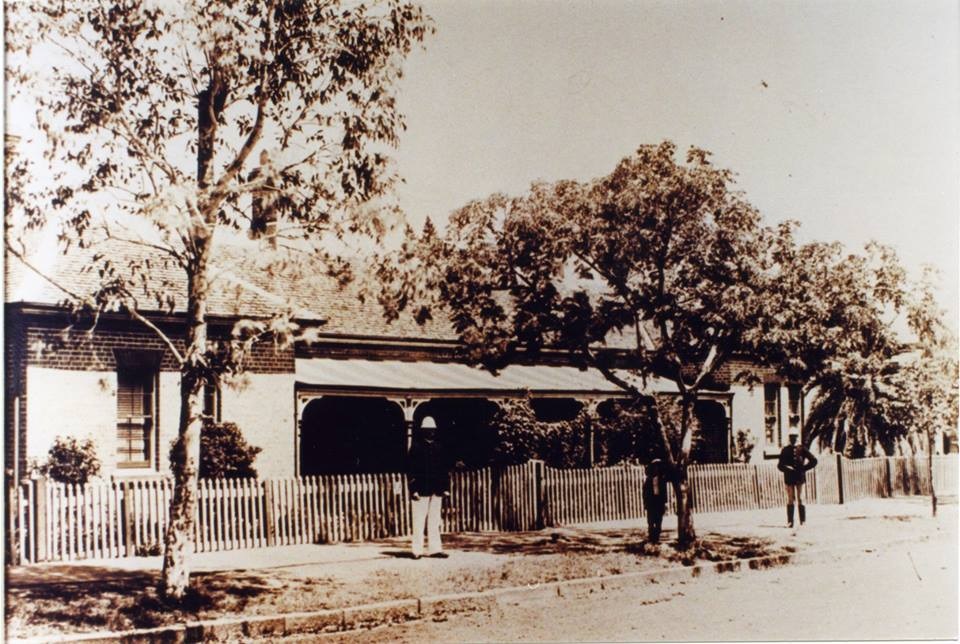
Camden Police Station, a single-storey brick building at 35 John Street, was constructed in 1878 and served the NSW Police Service until 2011. Designed by James Barnet, it features historical architectural elements, including a paved verandah and brick chimneys. Currently vacant, it is recognized for its heritage value within the Camden community.

Active citizenship · Agency · Anzac · Australian Red Cross · British Red Cross · Camden Red Cross · Camden Story · Community Health · Community identity · Community organisations · Community work · Country town · Craft · Cultural Heritage · First World War · History · Interwar · Lady Helen Munro Ferguson · Local Studies · Lost Camden · Medical history · Medical Humanities · Military history · Nationalism · Not-for-profit · Nursing · Patriotism · Place making · Political history · Red Cross · Red Cross Humanitarianism · Red Cross Movement · Second World War · Sense of place · Small town · Social History · Stories · Storytelling · Trauma · VAD · Voluntary Aid Detachment · Volunteering · War · War at home · Wartime · Women's agency · Women's history · Women's stories · World War One

Camden Red Cross 110 Years Display: Objects and Ephemera Exhibition 2024

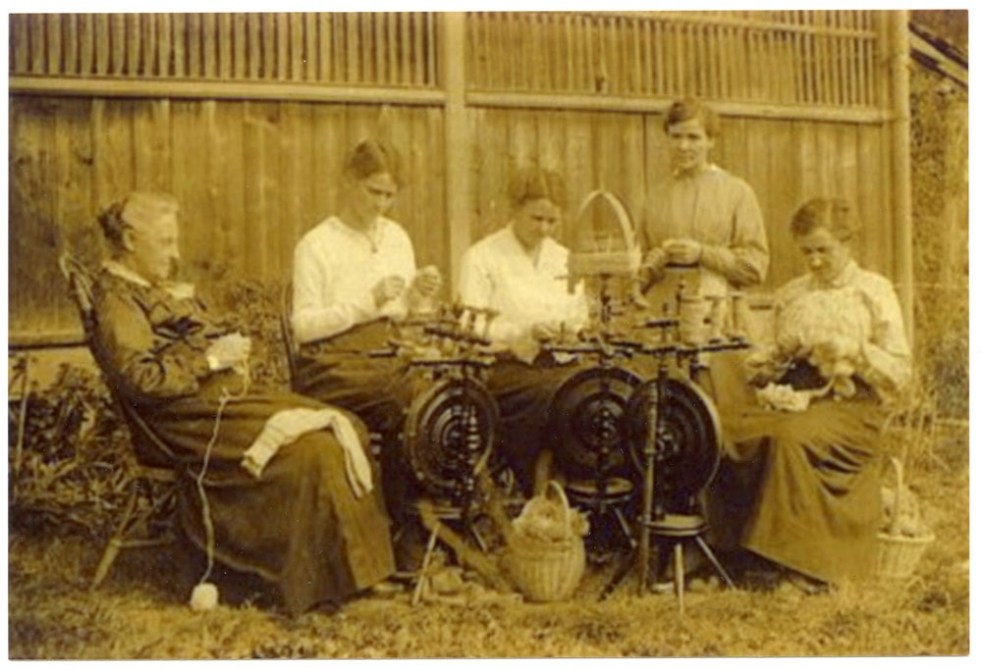
The Camden Red Cross exhibition at Camden Library in August 2024 showcased the historical contributions of local women to the Red Cross during World Wars I and II. Women from the Camden district played a pivotal role in supporting soldiers and shaping the narrative of the Australian Red Cross, creating over 20,300 articles in 40,000 volunteer hours during WWI.