1920s · 19th Century · Adaptive Re-use · Aesthetics · Agency · Balls · Camden · Camden Story · Camelot · Cultural Heritage · Cultural icon · CWA · Design · Dress history · Emotion · Entertainment · Fashion · Fashion History · Heritage · Lifestyle · Local History · Local Studies · Macarthur family · Place making · Placemaking · Re-enactments · Sense of place · Stories · Storytelling · Women's agency · Women's history · Women's stories

Clarice Faithfull Anderson’s Historic Ball Gown

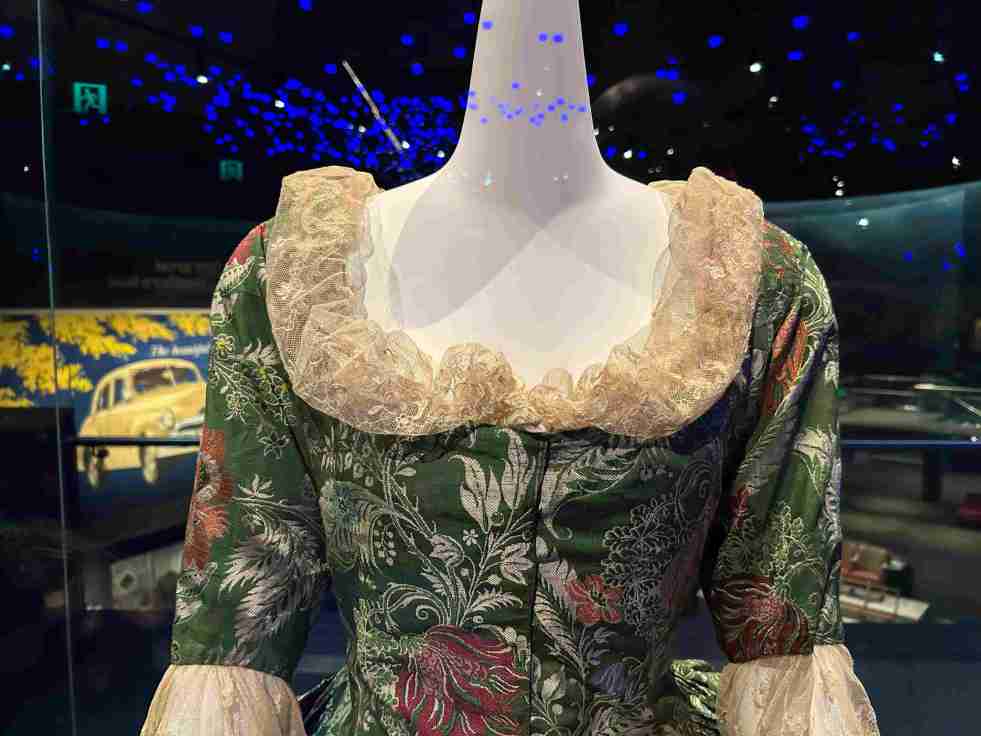
The 1929 CWA Blue & Gold Ball at Sydney's Ambassador Cabaret was a prestigious fundraising event attended by significant dignitaries, including the Governor General. The ball featured "living pictures" and showcased elaborate gowns, including Clarice Faithfull Anderson's historic dress from the 18th century, which later became a treasured family heirloom and is now part of the textile collection of the National Museum of Australia.

19th Century · 20th century · Active citizenship · Agency · Artefacts · Blue Plaques · Business · Business History · Camden · Camden Modernism · Camden Story · Commemoration · Community identity · Craft · Crafts · Cultural icon · Dress history · Economy · Fashion · Fashion History · Handcraft · Heritage · History · History of a building · Industrial Heritage · Local History · Local Studies · Memorialisation · Nationalism · Place making · Placemaking · Red Cross · School of Arts · Second World War · Sense of place · Sewing · Sewing Machine · Social History · Stories · Storytelling · Volunteering · Volunteerism · War · War at home · Wartime · Women's agency · Women's stories · World War One · World War Two

Camden’s Treadle Sewing Machine: A Revolution in Women’s Agency

The Camden Museum's treadle sewing machine symbolizes the significant role of sewing in women's lives from the 19th century onwards. Sewing machines democratized work, enhancing womenโ€™s agency by saving time and allowing for business opportunities. Women contributed immensely to the war efforts through Red Cross circles, producing thousands of items during both World Wars.

Agency · Alan Baker Art Gallery Camden NSW · Architectural History · Architecture · Art · Artists · Artworks · Belonging · Built heritag · Built Heritage · Camden Built Heritage · Camden Story · Crafts · Lifestyle · Local Studies · Macaria · Place · Place making · Placemaking · Public art · Social History · Storytelling · Street Art · The Arts · Women's agency · Women's history · Women's Writing

Sarah Ashcroft: Art as a Journey of Healing

The Camden area boasts a vibrant art culture, featuring public art and local artists like Sarah Ashcroft. After retiring from the NSW Police Force due to PTSD, Sarah found solace in drawing, particularly architectural pieces. She aims to preserve local history through her art while promoting awareness about mental health and creativity.

Anniversary Day · Anzac · Australia · Australia Day · Australian Red Cross · British Red Cross · Camden Red Cross · Cultural Heritage · First World War · Grief · Military history · Myths · Nationalism · Patriotism · Place making · Red Cross · Red Cross Humanitarianism · Red Cross Movement · Sense of place · Stories · Storytelling · Trauma · Uncategorized · Volunteering · Volunteerism · War · War at home · Wartime · Women's agency · Women's history · Women's stories · World War One

The Untold Woman’s Contribution to Australia Day

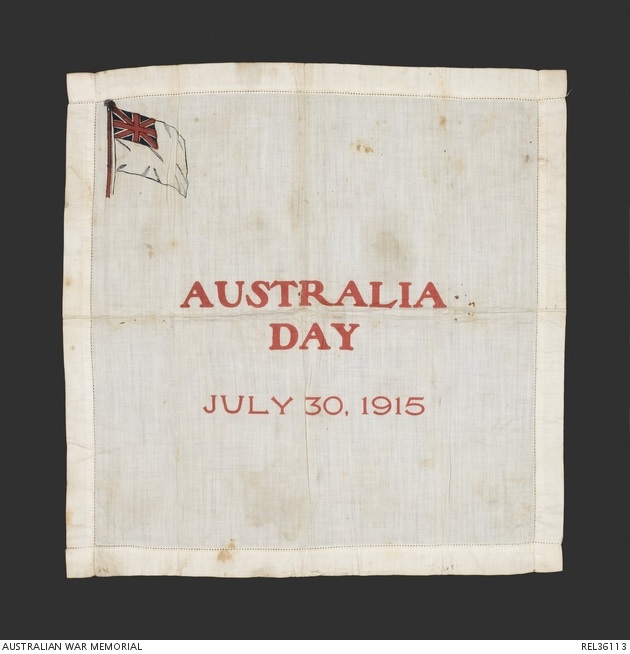
Australian women played a crucial role in the first Australia Day on July 30, 1915, which aimed to support sick and wounded soldiers from World War I. Originally suggested by Ellen Wharton-Kirke, the day centered on fundraising for the Red Cross. Women's contributions towards Australia Day remain overlooked in historical narratives surrounding Australia Day and the Anzac story.

19th Century · Architecture · Attachment to place · Built heritag · Built Heritage · Camden Built Heritage · Camden Cottage Hospital · Camden Hospital · Camden Story · Community · Community building · Community Health · Country town · Cultural Heritage · Family history · History of a building · History of a house · House history · Humanitarianism · Local History · Local newspapers · Local Studies · Medical history · Medical Humanities · Place making · Placemaking · Sense of place · Small town · Social History · Stories · Storytelling · Transport · transport history · Trauma · Women's agency · Women's history · Women's stories

Camden Cottage Hospital, from accidents to amputations and early patient experiences

The Camden Cottage Hospital, opened in April 1899, initially struggled with low patient admissions due to community reluctance. Early cases included accidents and serious conditions, leading to treatments and surgeries like amputations. By early 1900, there was increasing community trust and the permanent facility opened in May 1902.

Active citizenship · Agency · Anzac · Australian Red Cross · British Red Cross · Camden Red Cross · Camden Story · Community Health · Community identity · Community organisations · Community work · Country town · Craft · Cultural Heritage · First World War · History · Interwar · Lady Helen Munro Ferguson · Local Studies · Lost Camden · Medical history · Medical Humanities · Military history · Nationalism · Not-for-profit · Nursing · Patriotism · Place making · Political history · Red Cross · Red Cross Humanitarianism · Red Cross Movement · Second World War · Sense of place · Small town · Social History · Stories · Storytelling · Trauma · VAD · Voluntary Aid Detachment · Volunteering · War · War at home · Wartime · Women's agency · Women's history · Women's stories · World War One

Camden Red Cross 110 Years Display: Objects and Ephemera Exhibition 2024

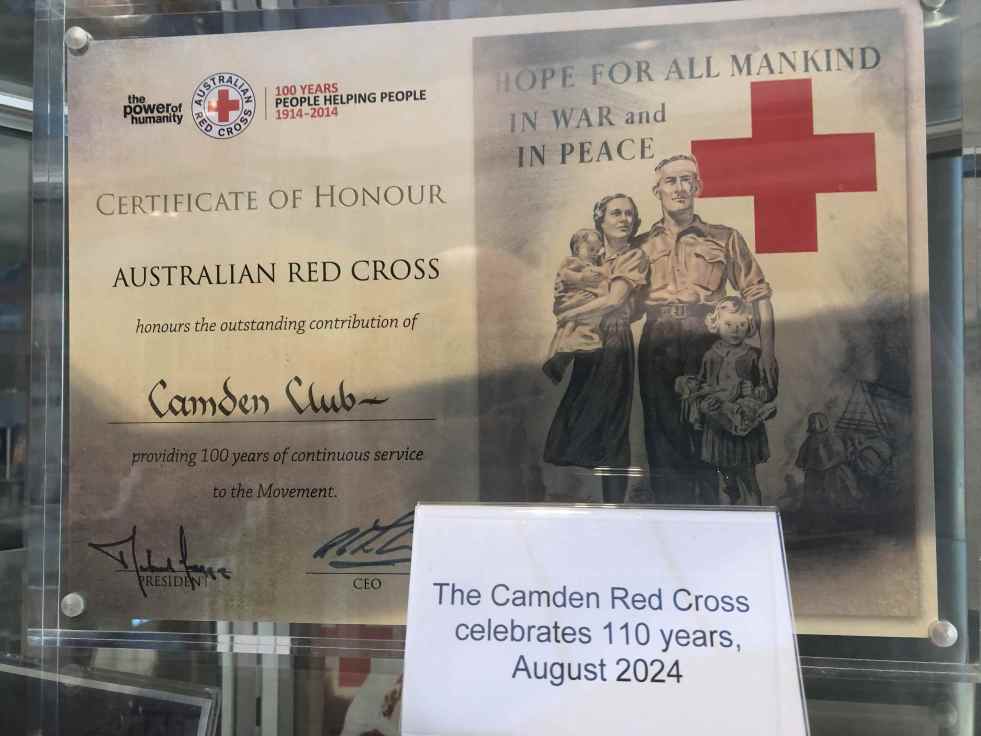
The Camden Red Cross exhibition at Camden Library in August 2024 showcased the historical contributions of local women to the Red Cross during World Wars I and II. Women from the Camden district played a pivotal role in supporting soldiers and shaping the narrative of the Australian Red Cross, creating over 20,300 articles in 40,000 volunteer hours during WWI.

20th century · Agricultural heritage · Agriculture history · Art · Attachment to place · Camden · Camden District · Camden Show · Camden Story · Church History · Collective Memory · Commemoration · Community · Community celebrations · Community Health · Community identity · Community organisations · Community work · Cultural Heritage · Disasters · Engineering Heritage · Engineering History · Families · Family history · Farming · Festivals · Floods · Folklore · Genealogy · Health History · Heritage · Historian · Historical consciousness · Historical Research · Historical source · Historical thinking · History of a house · History of Emotion · Hotel History · House history · Housing · Landscape · Landscape aesthetics · Legends · Living History · Local History · Local Studies · Macarthur region · Memorial · Memorialisation · Memorials · Monuments · Myths · Paintings · Photographs · Photography · Pictures · Placemaking · References · Small communities · Small town · Social History · Stereotypes · Stories · Storytelling · Urban growth · Women's agency · Women's art · Women's history · Women's stories

Exploring Historical Themes: Pictorial History Camden & District Presentation Summary

This presentation examined the role of the historian and researcher and presented the importance of history and the role of a historian. Dr Ian Willis discussed the significance of historical consciousness and collective memory, emphasising the role of a historian as a researcher, analyst, interpreter, and storyteller. The presentation also highlighted "Pictorial History Camden & District," a book by Kingsclear Books, and covered aspects such as structure, select bibliography, index of names, and district maps. Additionally, various related sources and themes, such as the Whiteman and Macarthur families, were explored. The presentation concluded with suggestions for experiencing the past through community festivals, local studies, and living libraries.

20th century · Active citizenship · British Heritage · British Red Cross · Collective Memory · Community identity · Cultural Heritage · First World War · Gender · Humanitarianism · Ideology of Motherhood · International Relief · Lady Helen Munro Ferguson · Living History · Medical history · Medical Humanities · Memory · Metaphor · Modernism · Motherhood · Nationalism · Propaganda · Red Cross · Red Cross Humanitarianism · Red Cross Movement · Second World War · Sense of place · Sewing · Small communities · Small town · Social History · Stories · Storytelling · Symbolism · Trauma · Voluntary Aid Detachment · Volunteering · Volunteerism · War · War at home · Wartime · Women's agency · Women's history · Women's stories · World War One

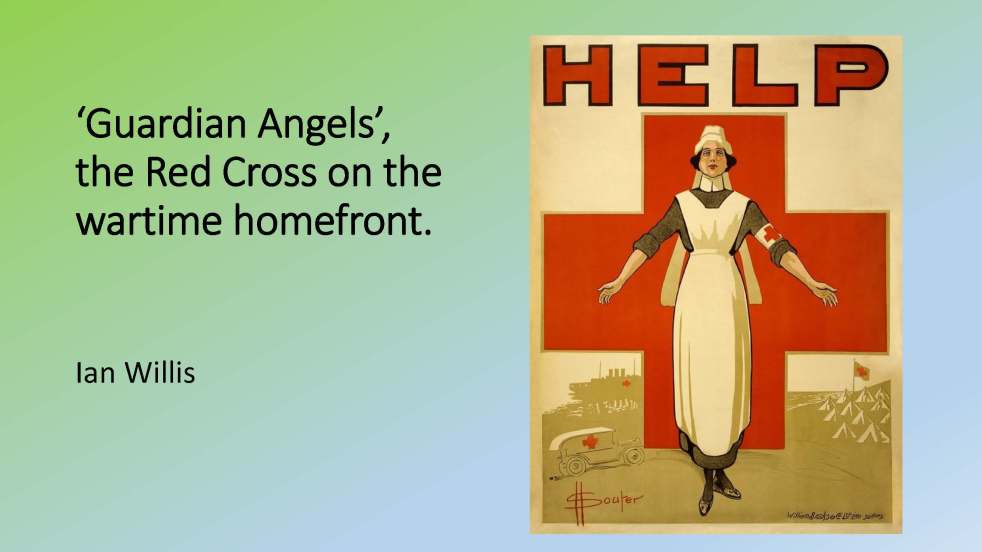
โ€˜Guardian Angelsโ€™, the Red Cross on the wartime homefront

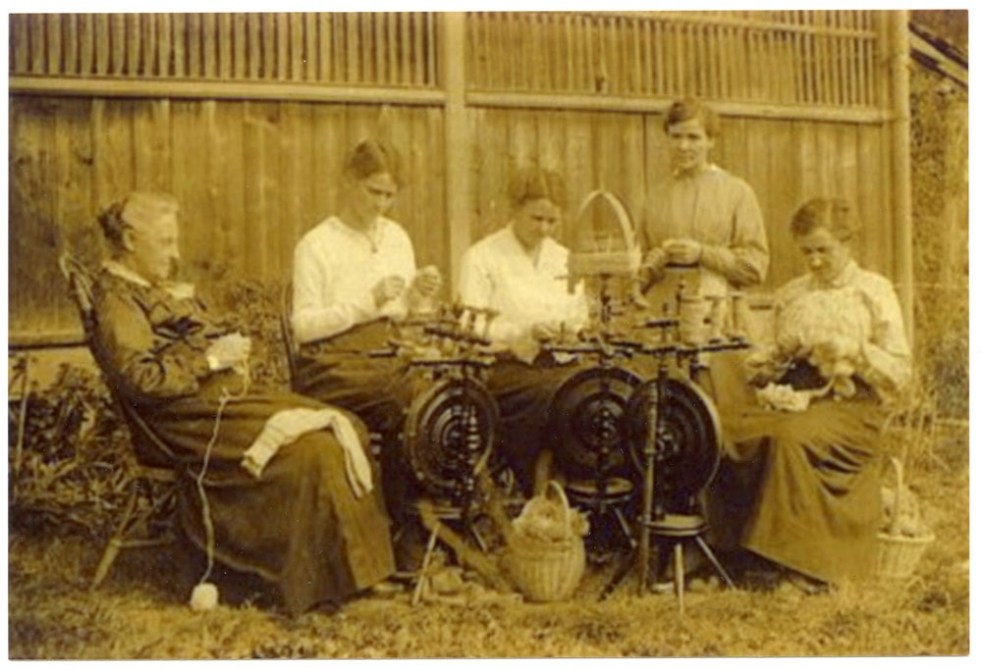
During the First World War, Australian women independently joined the Red Cross to support the war effort. The Red Cross provided a space for women to express agency and contribute to the war through practical activities and fundraising. The organization's local branches established a sense of community and played a significant role in the homefront war effort.

Active citizenship · Australian Red Cross · British Red Cross · Collective Memory · Cultural Heritage · Health History · Humanitarianism · Ideology of Motherhood · International Relief · Medical history · Medical Humanities · Modernism · Motherhood · Nationalism · Philanthropy · Poster Art · Propaganda · Public art · Red Cross · Red Cross Humanitarianism · Red Cross Movement · Trauma · Volunteering · Volunteerism · War · War at home · Wartime · Women's agency · Women's history · Women's stories · World War One

โ€˜Angels Of Mercyโ€™, The Red Cross On the Homefront During the First World War

During World War I, the Australian Red Cross mobilized women as 'Angels of Mercy' and 'ministering angels' to provide aid with strong moral overtone. The organization used motherhood imagery to rally support, portraying itself as the 'Greatest Mother in the World'. This approach effectively garnered community backing and positioned Red Cross workers as soldiers' guardian angels.

Anzac · Art · Australia · Australian Comforts Fund · Camden · Camden District · Camden Story · Community Health · Craft · Crafts · Cultural Heritage · Cultural icon · Dress history · Fashion · First World War · Handcraft · Heritage · Historical consciousness · Historical Research · Historical thinking · History · Local History · Local Studies · Memory · Military history · Nationalism · Paintings · Patriotism · Philanthropy · Pictures · Red Cross · Second World War · Social History · Storytelling · Volunteering · Volunteerism · War · War at home · Wartime · Women's agency · Women's history · Women's stories · World War One

The patriotism of the wartime sock knitter

During World War I, hand-knitted socks became crucial for soldiers facing harsh conditions, preventing trench foot. Women across the British Empire, particularly in Australia, organized knitting efforts, leading to over 1.3 million pairs made. These efforts provided essential support and represented women's patriotism in wartime, often alleviating grief through their contributions.