

The Camden story represents a rich tapestry of community history, emphasizing narratives from marginalized voices. It highlights how cultural memory, shaped through oral traditions and historical artifacts, fosters shared identity. Essential sites like museums and monuments facilitate the transmission of collective memories, preserving the community's past and influencing its identity.
Tag: Community identity

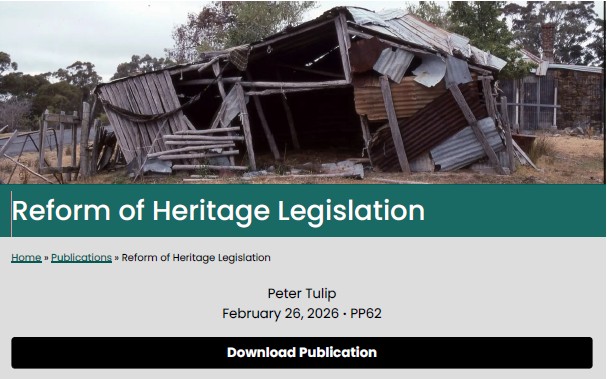
Balancing Heritage and Development in Australia
The Centre for Independent Studies argues that NSW heritage laws exacerbate the housing affordability crisis by preserving unremarkable buildings, thus restricting development. It critiques a narrow economic view of heritage that neglects community values, highlighting that a broader understanding of heritage's social and economic benefits is essential for sustainable urban planning.
Share this:

Share this:
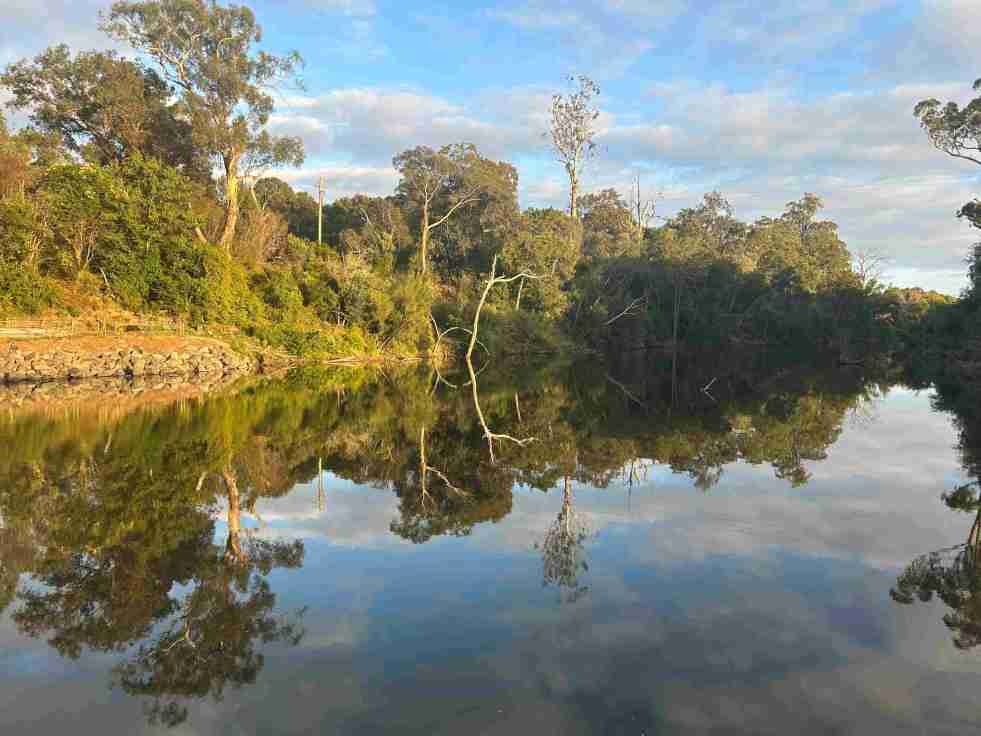
Upper Nepean River: Cultural and Environmental Insights
The Upper Nepean River is the upper catchment of the Hawkesbury-Nepean system, extending over 470 km from Goulburn to the Hunter Valley. Named in 1789, it has a complex history shaped by floods, droughts, and the settlements of Indigenous peoples and Europeans, significantly influencing the region's culture and land use.
Share this:

Share this:
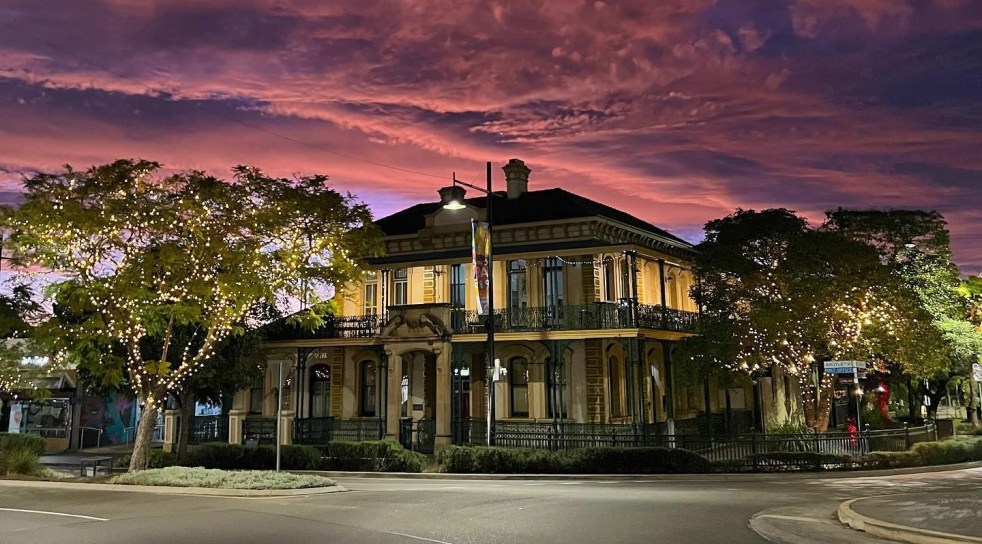
Discover the Hidden Signatures of Camden’s Former Bank
In Camden's old bank building, a hidden strongroom features signatures of former bank employees, each telling a unique story. Now part of Camden Markets Collective, these signatures are viewed as graffiti art, reflecting local history and culture. The community seeks to preserve this unique public art for future generations.
Share this:

Share this:

Exploring Community History: Benefits and Applications
Community history focuses on the stories and experiences of specific groups, emphasizing local and social history often overlooked in traditional research. It fosters empowerment, engages community members, preserves unique cultural heritage, and creates a deeper connection to place, ultimately enhancing social cohesion and supporting informed decision-making for future generations.
Share this:

Share this:

How History Shapes Our Present and Future
History enables us to comprehend the past and influences the future by revealing how past events shape current realities. It provides context, identifies patterns, and highlights cultural influences. Additionally, it inspires critical thinking, informs decision-making, and prompts social justice efforts, reinforcing that the future is shaped by choices made today.
Share this:

Share this:

Understanding NSW’s 2025 Draft Heritage Strategy
The NSW Government has unveiled the NSW Heritage Strategy, marking a significant update in over twenty years. Aiming to broaden the understanding of heritage, it includes Aboriginal culture, historic structures, and natural heritage. Public feedback is welcomed until July 13, 2025, to shape the final strategy guiding future heritage policies.
Share this:

Share this:
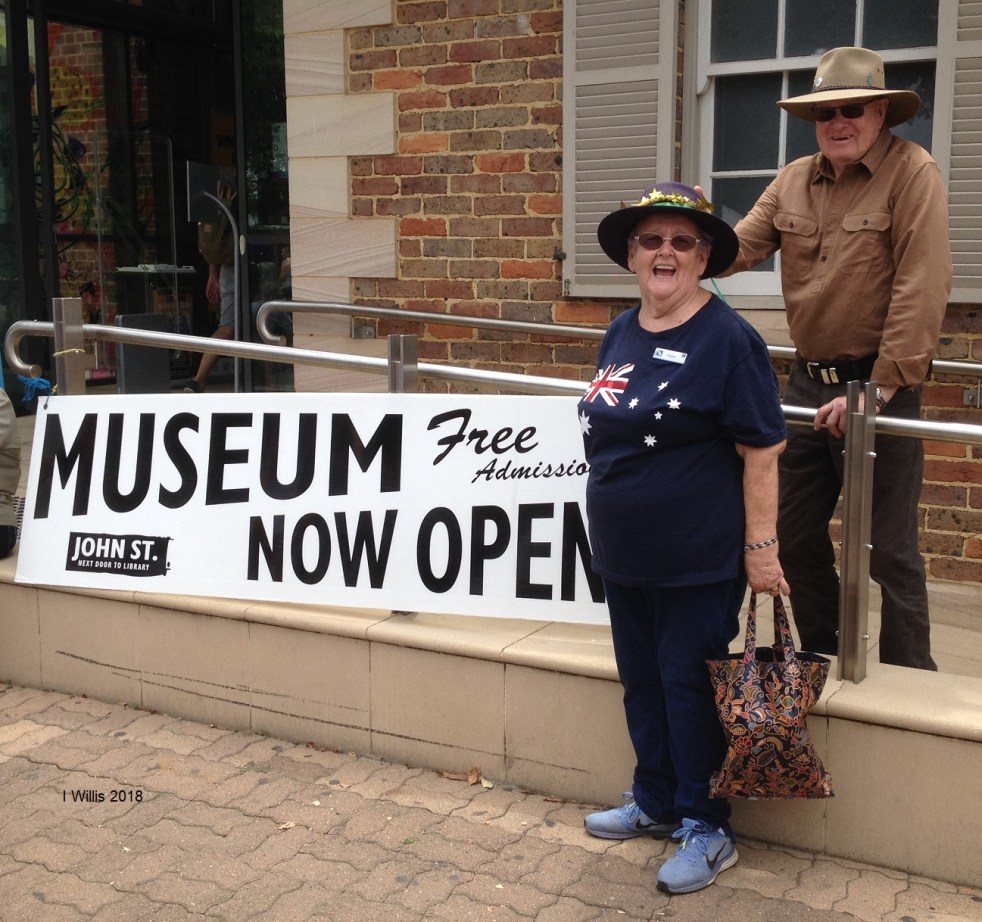
Understanding the Camden Story: History, Community, and Identity
The Camden story encapsulates the rich tapestry of tales and histories that define the Camden community, including dreamtime legends and settler accounts. It offers insight into the community's values, identity, and resilience, serving as both a historical narrative and a tool for local businesses, fostering deeper connections among residents.
Share this:

Share this:
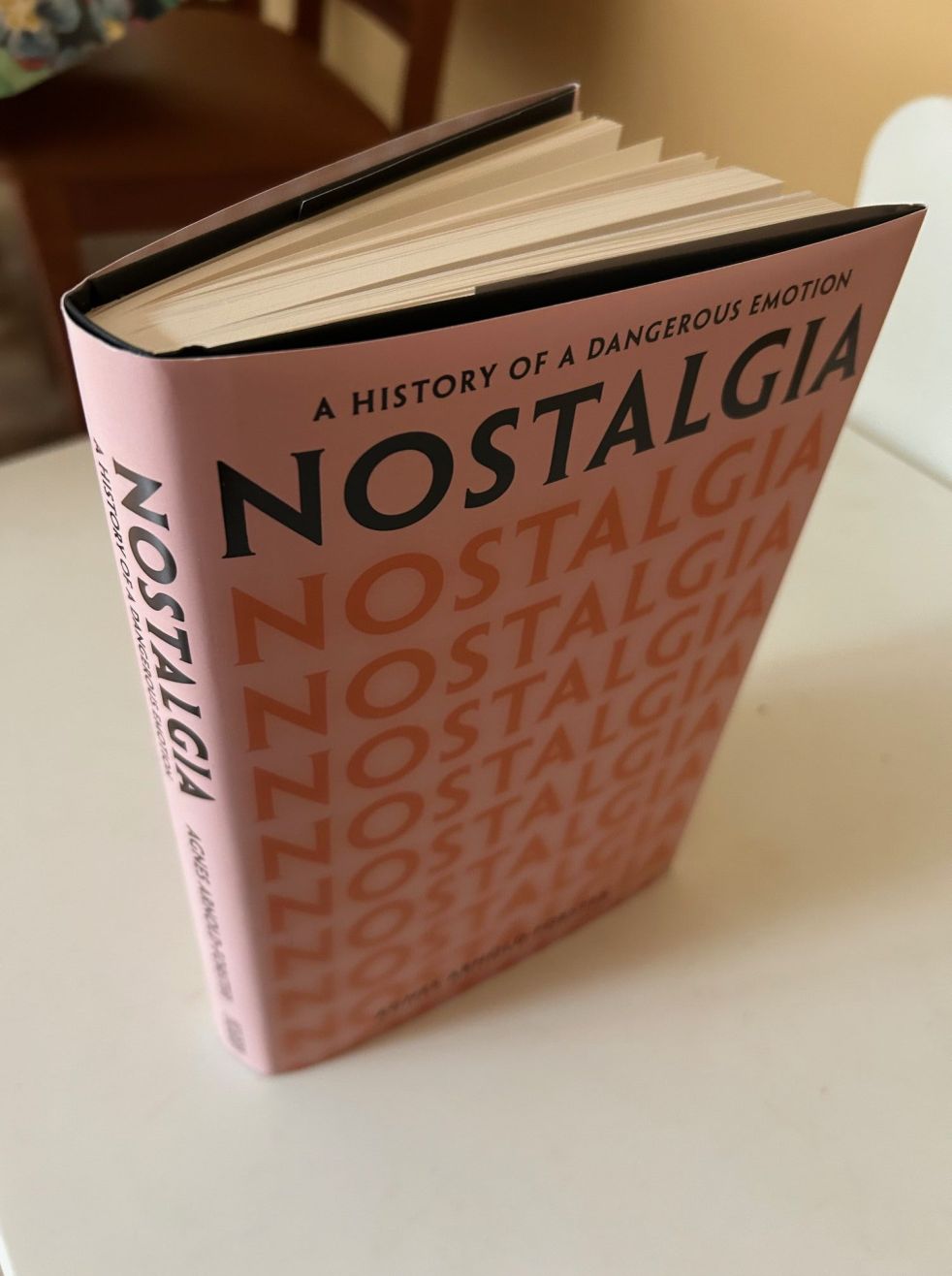
Exploring nostalgia, more than a rear vision view of the world
Agnes Arnold-Forster's "Nostalgia: A History of a Dangerous Emotion" explores the multifaceted nature of nostalgia, reflecting societal anxieties and its weaponization by politicians. The book illustrates nostalgia's importance in contemporary culture, as seen in varying contexts like music and Australia Day debates, while offering a historical perspective on its evolution and impact.
Share this:

Share this:
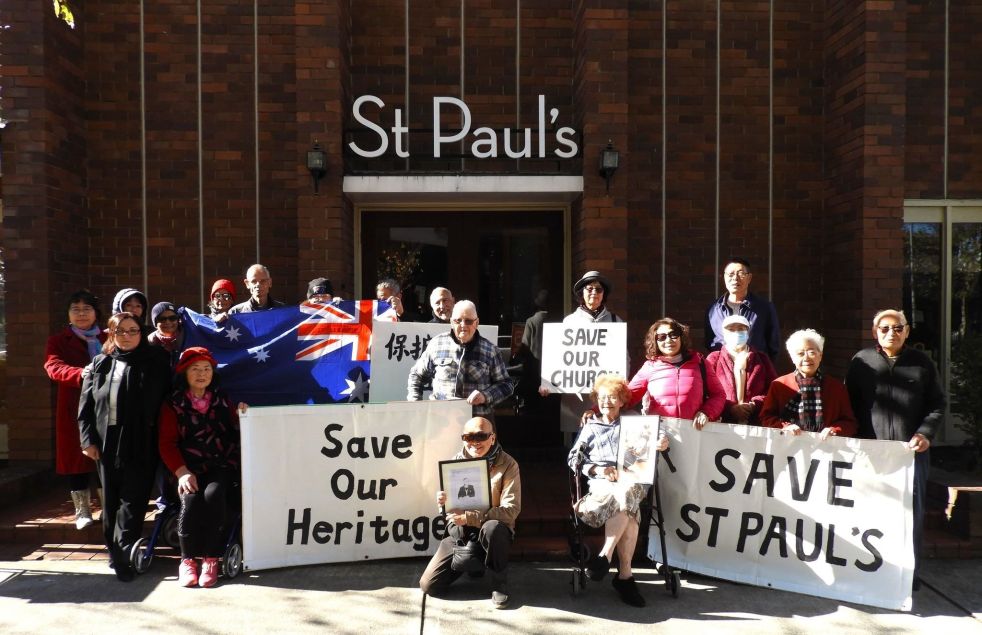
Why does the sale of a local church create community angst? What is going on?
The sale of church land has sparked community angst, particularly at St. Paul's Anglican Church in Bankstown. The proposed heritage listing has led to concerns about redevelopment and closure. Similar issues have arisen in Tasmania, where the sale of local churches has evoked strong emotional and historical attachments. The opposing views between churchgoers and non-churchgoers present an unresolved ethical dilemma.

