Aesthetics · Agricultural heritage · Architecture · Attachment to place · Belonging · Camden · Camden Story · Collective Memory · Colonial Camden · Colonial frontier · Community identity · Cowpastures · Environment · Governor Macquarie · Heritage · Historical consciousness · History · Landscape · Landscape aesthetics · Local History · Local Studies · localism · Place making · Placemaking · Sense of place · Settler Society · Storytelling · Urbanism

Viewing the Cowpastures landscape

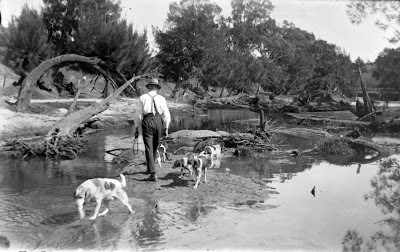
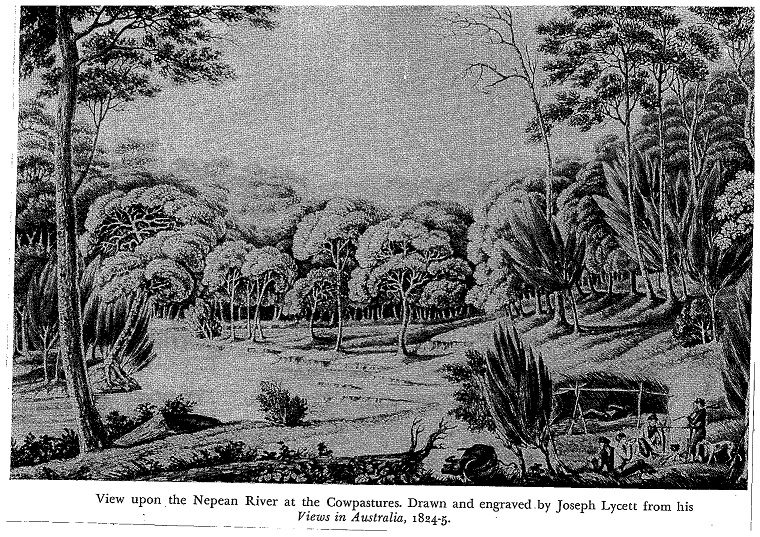
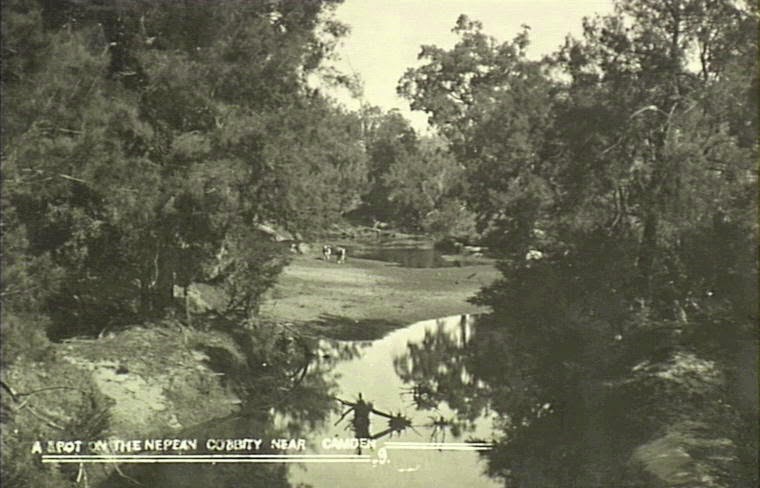
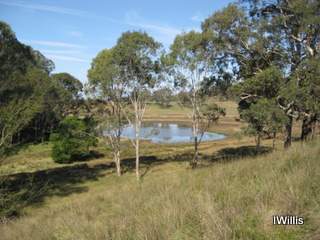
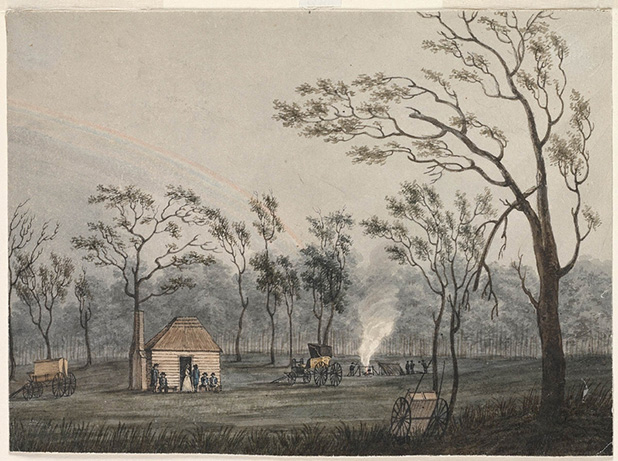
The early colonists of the Sydney area viewed the landscape from a number of different perspectives according to historian Grace Karskins in her book The Colony a History of Early Sydney (2009) and this also applied to the Cowpastures.

Camden · Colonial Camden · Community identity · Convicts · Cowpastures · Edwardian · Elderslie · Farming · First World War · Floods · Heritage · Historical consciousness · Historical Research · History · Interwar · Local History · Macarthur · Modernism · Place making · Red Cross · Second World War · Sense of place · Settler colonialism · Urban growth · Volunteering · War

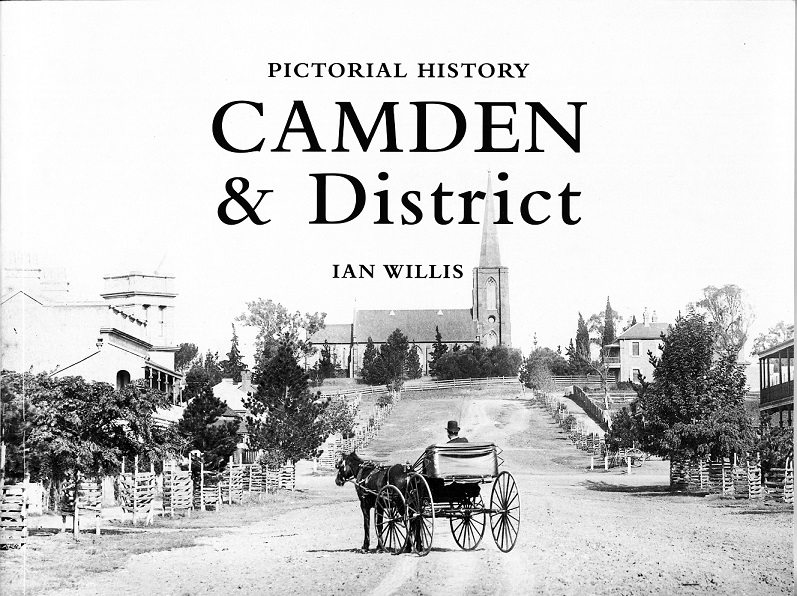
Pictorial History of Camden and District

The history of the Camden District is told in a recent publication that has been recently been republished by Kingsclear Books. Pictorial History of Camden & District.

1968 Sydney Region Outline Plan · 1973 New Cities Campbelltown Camden Appin Structure Plan · Airds · Attachment to place · Belonging · Camden · Camden Story · Campbelltown · Elderslie · History · Hope and loss · Land releases · Landscape · Landscape aesthetics · Leppington · Local History · Local Studies · localism · Lost Sydney · Macarthur · Mount Annan · Mount Gilead · Narellan · Oran Park · Place making · Regionalism · rural-urban fringe · Ruralism · Sense of place · Storytelling · Sydney's rural-urban fringe · The Oaks · Town planning · Transition zone · Uncategorized · Urban development · Urban growth · Urban history · Urban Planning · urban sprawl · Urbanism

Sydney’s urban fringe: a transition zone of hope and loss

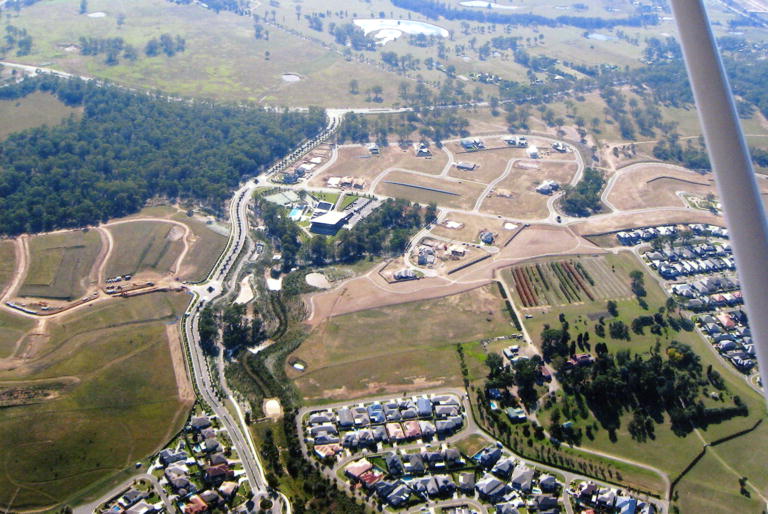
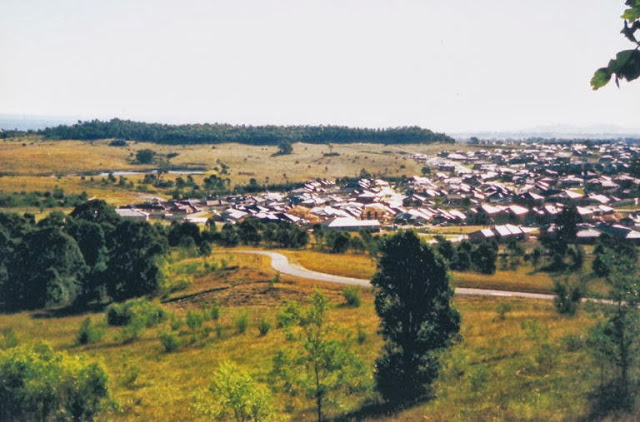
Sydney’s rural-urban fringe is a site of winners and losers. It is a landscape where dreams are fulfilled and memories are lost. The promises of land developers in master-planned suburban utopias meet the hope and expectations of newcomers.

1968 Sydney Region Outline Plan · 1973 New Cities Campbelltown Camden Appin Structure Plan · 20th century · Attachment to place · Camden · Campbelltown · Collective Memory · Country town · Cultural Heritage · Local History · Local Studies · Macarthur · Macarthur region · Memory · Peri-urban region · Place making · Placemaking · Regionalism · rural-urban fringe · Ruralism · Sense of place · Stereotypes · Storytelling · Sydney's rural-urban fringe · Urban development · Urban growth · Urban history · Urban Planning · Urbanism

Sydney’s urban sprawl invades the Macarthur region

Urban sprawl has invaded the Macarthur region. It is re-run of the planning policies of the 1970s.

20th century · Agricultural heritage · Agriculture · Agriculture history · Camden · Camden Story · Cawdor · Collective Memory · Cowpastures · Cultural Heritage · Farming · Floods · Harold Perkins Photographer · Historical Research · Historical source · Local History · Local Studies · Memory · Photographs · Photography · Placemaking · Storytelling

The Perkins family album of Cawdor

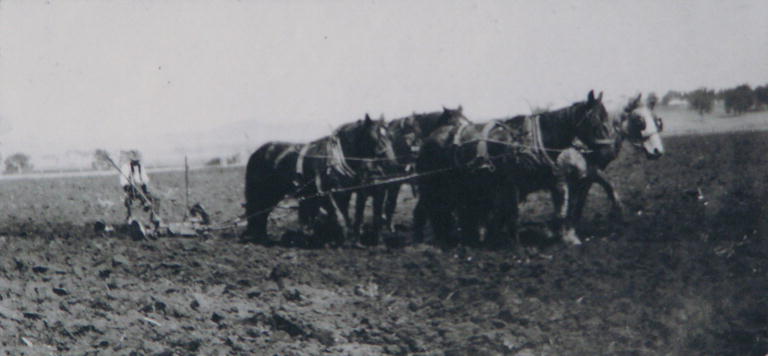
Photographs tell a story about the local area and represent a moment frozen in time. The Perkins family donated a family photograph album to the Camden Historical Society and it tells the story of the Cawdor area..

Camden · Colonial Camden · Cowpastures · Uncategorized

175th Anniversary of Camden’s foundation, 1840-2015

A Photographic Essay                              Source: Camden Images

Colonial Camden · Cowpastures · Governor Macquarie · Uncategorized

Macquarie returns to the Cowpastures

Governor Macquarie returned for his third visit to the Cowpastures in 1820. Macquarie and his party set out from Parramatta Monday 16 October 1820 and journeyed through the Cowpasture in southern New South Wales. They returned to the Cowpasture on 3 November 1820. Read for yourself Governor Macquarie’s journal of the trip. Extracts from the… Continue reading Macquarie returns to the Cowpastures

Camden · Colonial Camden · Cowpastures · Governor Macquarie · Uncategorized

The Bicentenary of the 1815 visit by Governor Macquarie

Governor Macquarie made a second visit to the Cowpastures in 1815. It is 200 years since Governor Macquarie journeyed through the Cowpasture and 2015 is the bicentenary year visit to the local area. On Macquarie's 1815 journey to the Cowpasture he travelled with a group of colonial notables or gentlemen as he called them. Amongst those… Continue reading The Bicentenary of the 1815 visit by Governor Macquarie

British colonialism · Camden · Camden Story · Colonial Camden · Colonialism · Commemoration · Communications · Community identity · Cowpastures · Cowpastures Bicentennial · Cultural and Heritage Tourism · Cultural Heritage · Cultural icon · Dharawal · European Exceptionalism · Frontier violence · Governor Macquarie · Heritage · History · Landscape · Landscape aesthetics · Legends · Local History · Macarthur · Memorial · Memorialisation · Memorials · Memory · Monuments · Place making · Settler colonialism · Settler Society · Stereotypes · Storytelling · Symbolism · Trauma · Uncategorized

Governor Macquarie’s visit to the Cowpasture 1810

In November 1810, Governor Lachlan Macquarie (1762-1824) and Mrs Elizabeth Macquarie visited the Cowpastures. On that occasion, the Governor and Elizabeth Macarthur met the Dharawal people.

Adaptive Re-use · Agricultural heritage · Architecture · Attachment to place · Belonging · Camden · Community identity · Cultural Heritage · Cultural icon · Edwardian · Family history · Farming · Heritage · Historical consciousness · History · History of a house · House history · Interwar · Kirkham · Lifestyle · Local History · Local Studies · Macarthur · Narellan · Place making · Ruralism · Sense of place · Storytelling · urban sprawl

Do or Die! Heritage and urban planning in the burbs

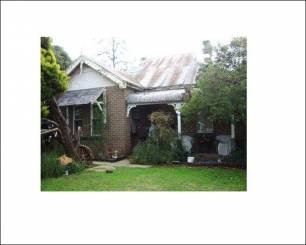
There is a loss of Edwardian farming heritage on the urban-rural interface on Sydney’s edge. There is a distinct lack appreciation amongst many contemporaries of simple robust country farm cottages.