

A Microsoft study suggests historians are among jobs most at risk from AI, particularly due to AI's ability to gather data. However, historians play a crucial role in interpretation, analysis, and narrative construction, capabilities AI lacks. Therefore, while AI may assist, it cannot replace historians, ensuring their continued relevance in understanding the past.
Category: Historical Research


Discovering Australia’s Hidden Historical Sites
The local historical and cultural landscape in Australia is highly fragmented, lacking a central repository for information. Various apps, websites, and blogs exist but offer scattered data. Clio, a well-coordinated platform in the USA, exemplifies effective organization of local history, contrasting with Australia's disjointed efforts, which face funding challenges.
Share this:

Share this:

Exploring Community History: Benefits and Applications
Community history focuses on the stories and experiences of specific groups, emphasizing local and social history often overlooked in traditional research. It fosters empowerment, engages community members, preserves unique cultural heritage, and creates a deeper connection to place, ultimately enhancing social cohesion and supporting informed decision-making for future generations.
Share this:

Share this:

How History Shapes Our Present and Future
History enables us to comprehend the past and influences the future by revealing how past events shape current realities. It provides context, identifies patterns, and highlights cultural influences. Additionally, it inspires critical thinking, informs decision-making, and prompts social justice efforts, reinforcing that the future is shaped by choices made today.
Share this:

Share this:
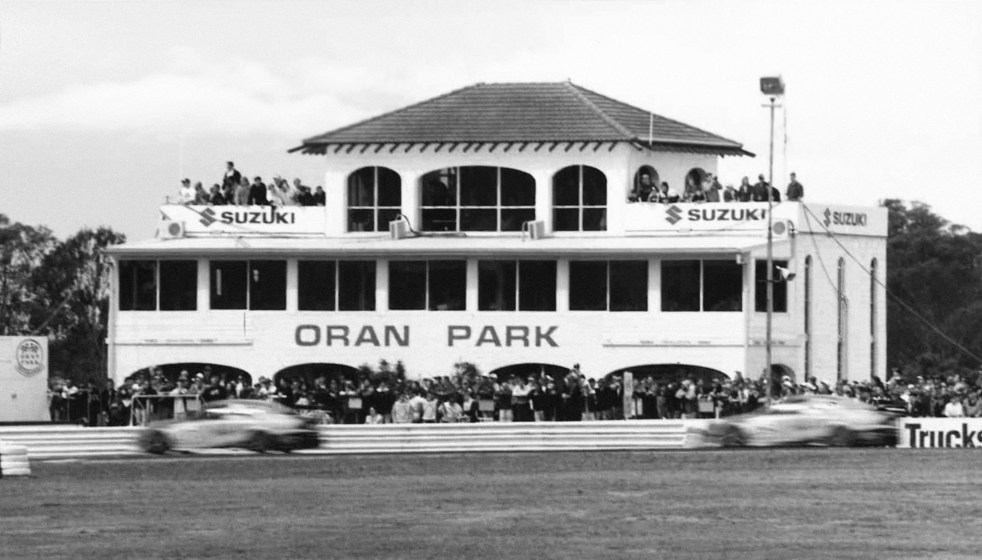
Exploring Your Hometown: Hidden Gems Await
Exploring your hometown can reveal hidden wonders and local history often overlooked. Resources like libraries and historical societies offer insights into the past, while nature provides adventurous experiences. Engaging with local culture, festivals, and unique culinary offerings can enhance your appreciation of familiar surroundings. Stay curious and discover the extraordinary in the ordinary.
Share this:

Share this:
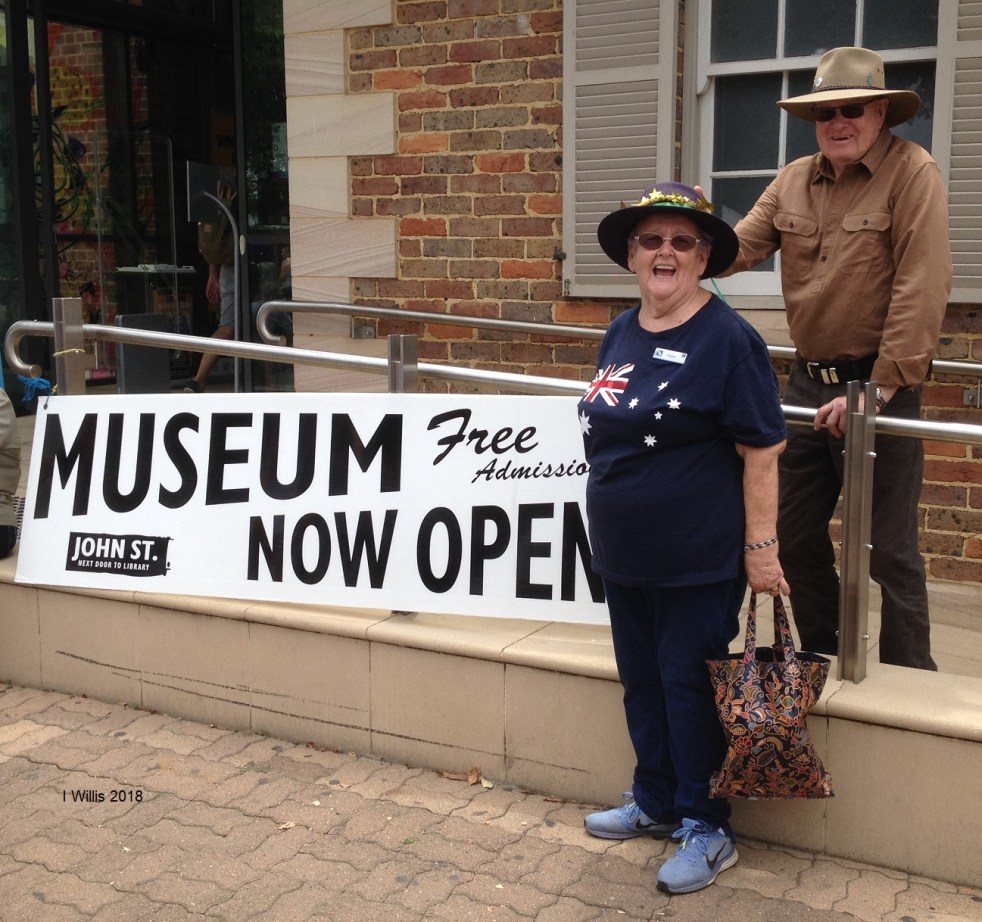
Understanding the Camden Story: History, Community, and Identity
The Camden story encapsulates the rich tapestry of tales and histories that define the Camden community, including dreamtime legends and settler accounts. It offers insight into the community's values, identity, and resilience, serving as both a historical narrative and a tool for local businesses, fostering deeper connections among residents.
Share this:

Share this:
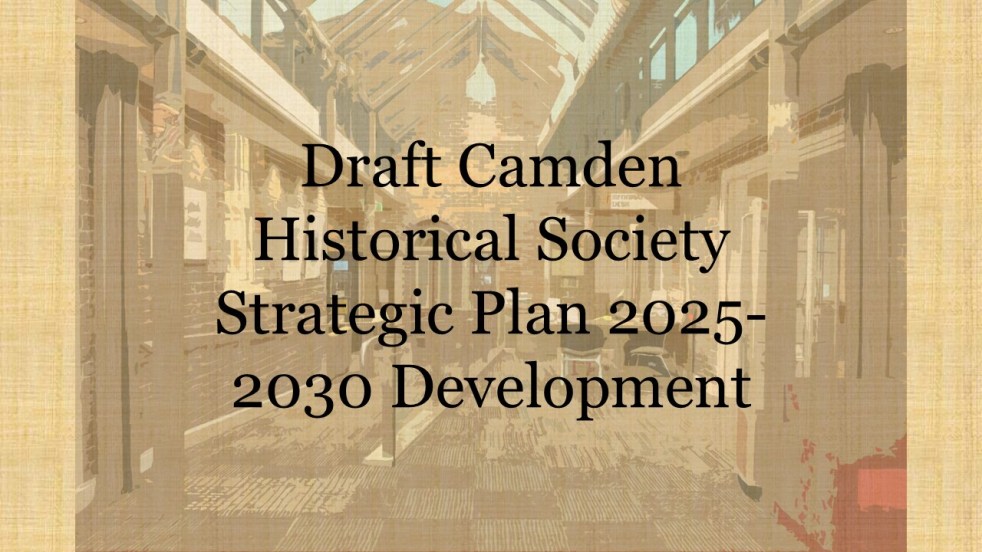
Camden Historical Society’s Strategic Plan Draft Unveiled
The Camden Historical Society is developing a strategic plan for 2025-2030, focusing on governance, programming, and collection management at the Camden Museum. With 113 members and 50 active volunteers contributing significantly to local heritage, the society aims to enhance the community's knowledge and appreciation of Camden's history.
Share this:

Share this:
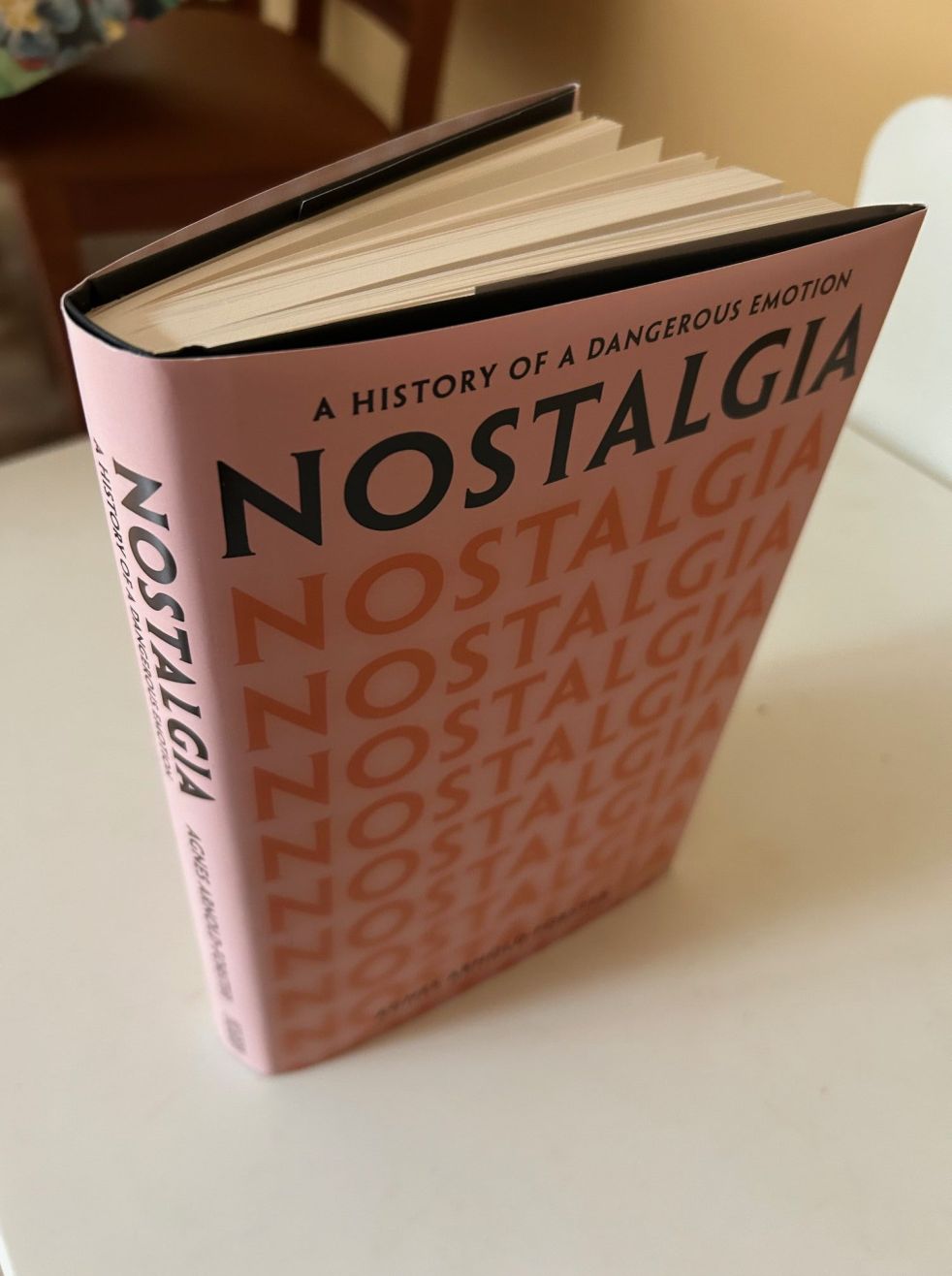
Exploring nostalgia, more than a rear vision view of the world
Agnes Arnold-Forster's "Nostalgia: A History of a Dangerous Emotion" explores the multifaceted nature of nostalgia, reflecting societal anxieties and its weaponization by politicians. The book illustrates nostalgia's importance in contemporary culture, as seen in varying contexts like music and Australia Day debates, while offering a historical perspective on its evolution and impact.
Share this:

Share this:
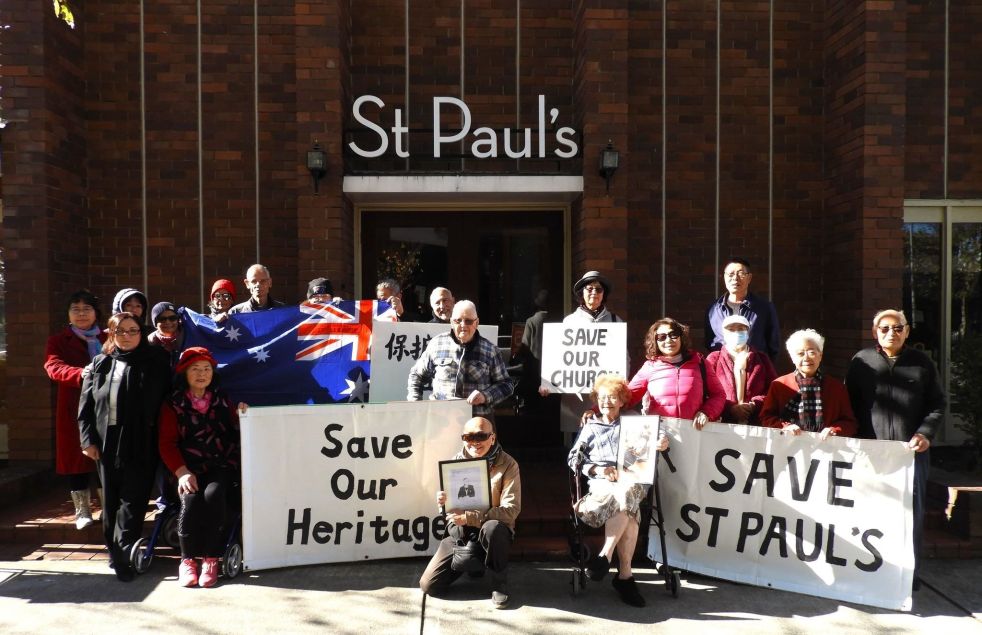
Why does the sale of a local church create community angst? What is going on?
The sale of church land has sparked community angst, particularly at St. Paul's Anglican Church in Bankstown. The proposed heritage listing has led to concerns about redevelopment and closure. Similar issues have arisen in Tasmania, where the sale of local churches has evoked strong emotional and historical attachments. The opposing views between churchgoers and non-churchgoers present an unresolved ethical dilemma.
Share this:

Share this:

Exploring Historical Themes: Pictorial History Camden & District Presentation Summary
This presentation examined the role of the historian and researcher and presented the importance of history and the role of a historian. Dr Ian Willis discussed the significance of historical consciousness and collective memory, emphasising the role of a historian as a researcher, analyst, interpreter, and storyteller. The presentation also highlighted "Pictorial History Camden & District," a book by Kingsclear Books, and covered aspects such as structure, select bibliography, index of names, and district maps. Additionally, various related sources and themes, such as the Whiteman and Macarthur families, were explored. The presentation concluded with suggestions for experiencing the past through community festivals, local studies, and living libraries.

