
Alan Baker Art Gallery Camden NSW · Attachment to place · Belonging · Built heritag · Built Heritage · Camden · Camden Library · Camden Story · Churches · Community celebrations · Community Engagement · Community identity · Cultural Heritage · Festivals · Heritage · Historical consciousness · Historical thinking · History · Johm Macarthur · Macarthur family · Memorialisation · Memorials · Memory · Place · Place making · Placemaking · Public art · Sense of place · Stories · Storytelling · Street Art · Uncategorized · Village

Revitalizing John Street: A Vision for Community Placemaking

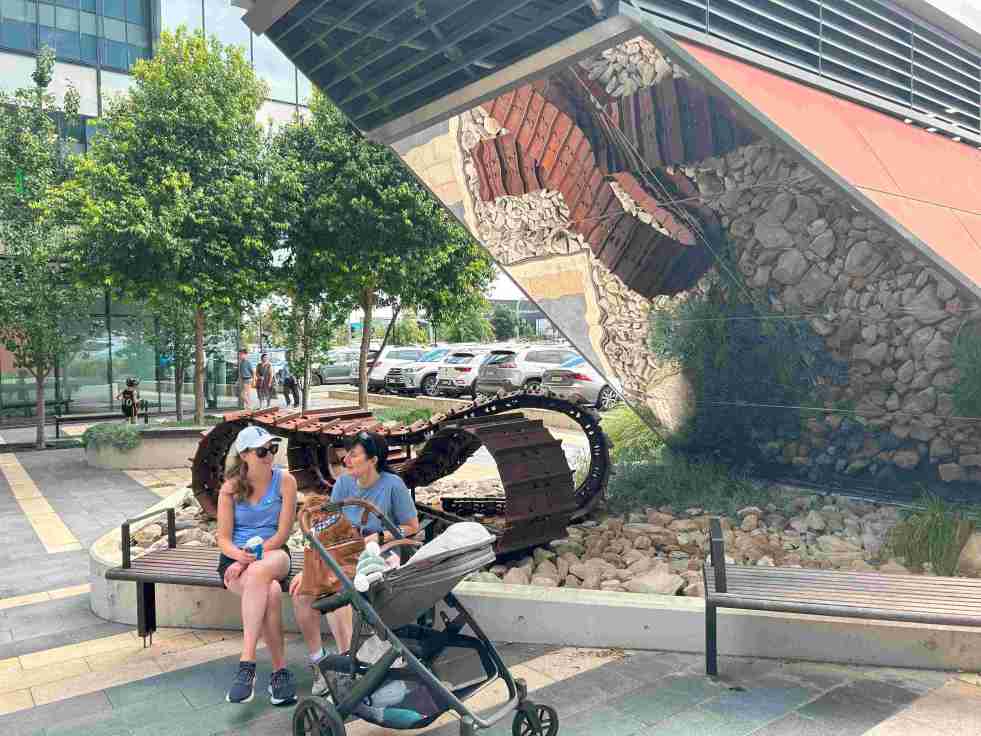
The proposal advocates for transforming John Street in Camden into an Italian-style piazza, enhancing community bonding and social capital. By activating and enhancing various existing and under-utilised elements this revitalized space could foster deeper connections among residents and serve as a vibrant, meaningful heart for the town.

Aesthetics · Architecture · Attachment to place · Belonging · Built heritag · Camden · Camden Council · Camden Museum · Camden Story · Church History · Colonial Camden · Community identity · Country town · Cowpastures · Cowpastures Gentry · Cultural and Heritage Tourism · Cultural Heritage · Cultural icon · Engineering Heritage · Heritage · History · Landscape · Landscape aesthetics · Living History · Local History · Local newspapers · Memory · Place making · Settler Society · St John's Church Camden · Storytelling · Tourism · Uncategorized · Urban development · Urban history

Cultural and Heritage Tourism in Camden: Unveiling a $6.4 Million Per Year Industry

Cultural and heritage tourism adds $6.4 million a year to the local economy. The Camden Museum and the Alan Baker Art Gallery add over $1.7 million annually.

Adaptive Re-use · Aesthetics · Architecture · Art · Attachment to place · Australia · Built heritag · Camden · Camden Story · Church History · Churches · Community identity · Cultural Heritage · Cultural icon · Curtilage · Georgian · Gothic · Heritage · Historical consciousness · Historical Research · Historical thinking · History · Landscape aesthetics · Lifestyle · Living History · Local History · Local Studies · Macarthur · Memory · Monuments · Myths · Place making · Placemaking · Ruralism · Sense of place · Social History · Storytelling · Streetscapes · Trust · Victorian · Weddings

Why does the sale of a local church create community angst? What is going on?

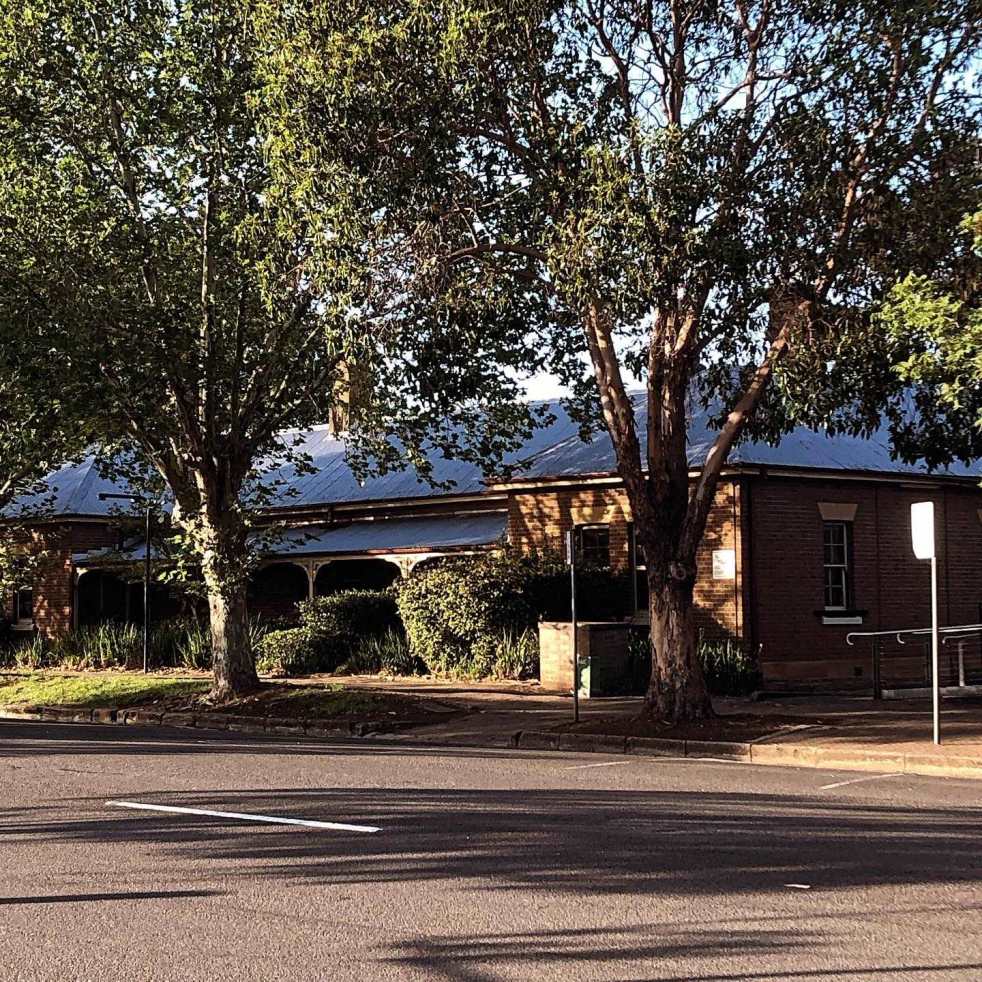
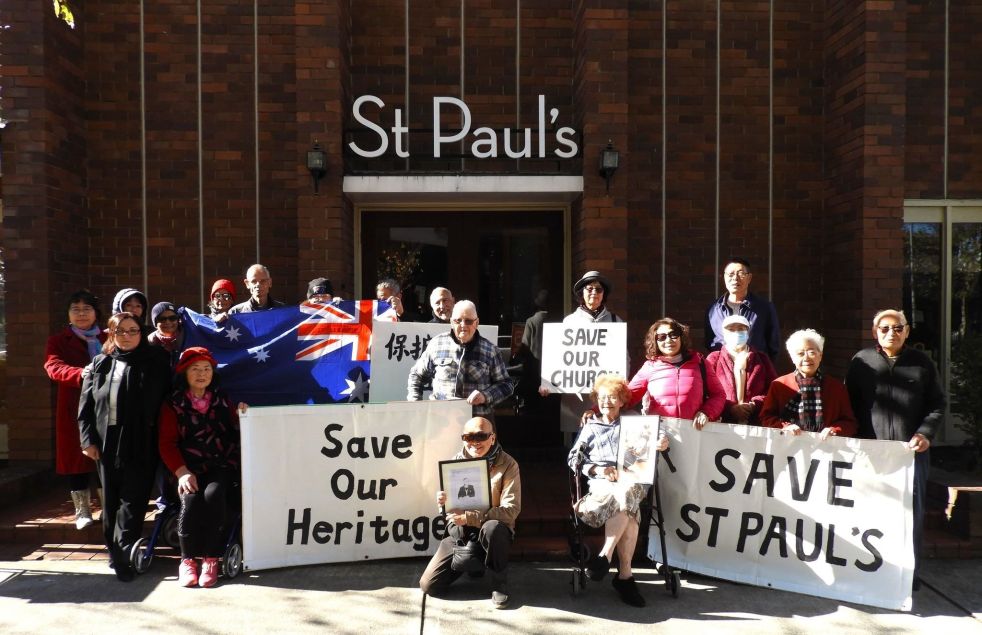
The sale of church land has sparked community angst, particularly at St. Paul's Anglican Church in Bankstown. The proposed heritage listing has led to concerns about redevelopment and closure. Similar issues have arisen in Tasmania, where the sale of local churches has evoked strong emotional and historical attachments. The opposing views between churchgoers and non-churchgoers present an unresolved ethical dilemma.

Agricultural heritage · Agricultural modernism · Agriculture · Agriculture history · Belonging · Camden · Camden Chinese Market Gardeners · Camden District · Camden Rotary Club · Camden Story · Camden Town Farm · Community identity · Country town · Cultural Heritage · Economy · Elderslie · Families · Family history · Farming · Gardening · History · Horticulture · Intensive agriculture · Irrigation · Landscape · Lifestyle · Local History · Local Studies · Lost Camden · Memory · Modernism · Nepean River · Plants · Ruralism · Sense of place · Small town · Social History · Stories · Storytelling

History of Camden Chinese Market Gardeners: Resilience, Innovation, and Struggles

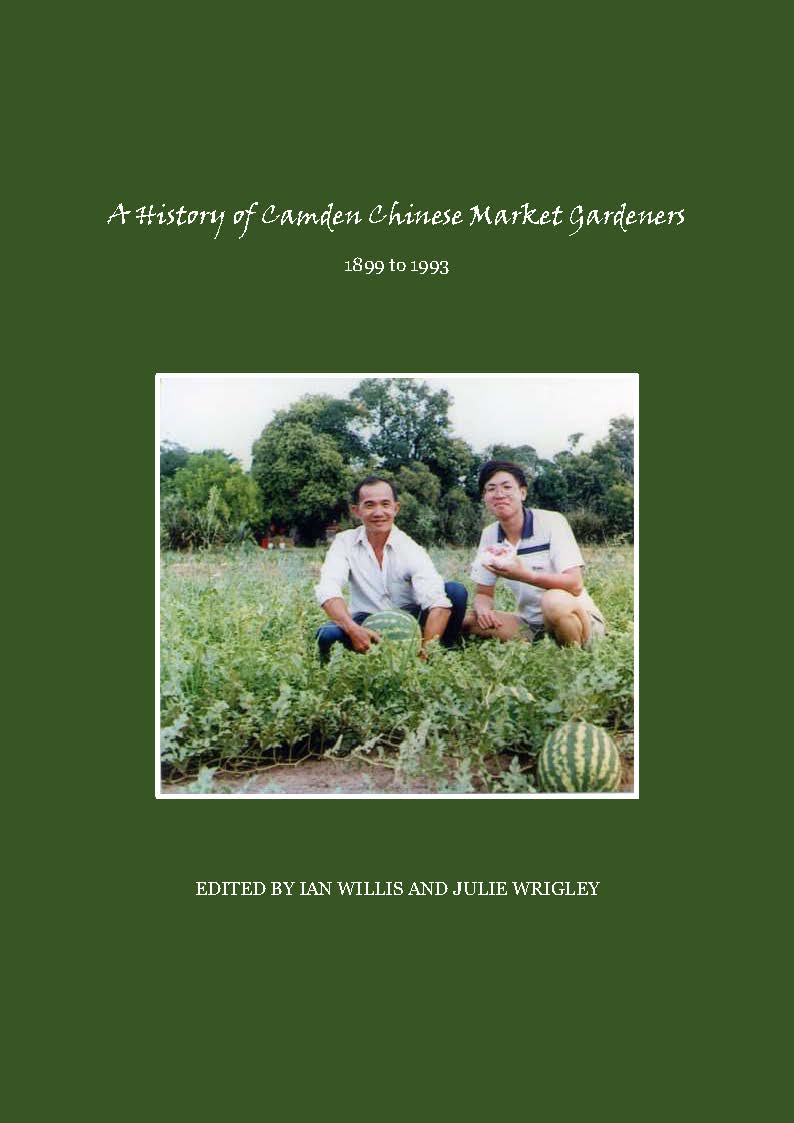
The presentation at Camden Rotary Club details the significant contributions and challenges faced by Chinese market gardeners in Camden. It sheds light on their resilience, innovation, discrimination, and impact on the local economy. The book "A History of Camden Chinese Market Gardeners 1899-1993" emphasizes their agency, making an important contribution to local history and the literature of the Chinese diaspora in Australia.

Attachment to place · Belonging · British Heritage · British Red Cross · Camden · Camden Red Cross · Camden Story · Collective Memory · Community Health · Community organisations · Community work · Cultural Heritage · First World War · Health History · Helen Munro Ferguson · Heritage · History · Humanitarianism · Ideology of Motherhood · Local Studies · Medical history · Medical Humanities · Memory · Metaphor · Motherhood · Myths · Nationalism · Patriotism · Placemaking · Red Cross · Red Cross Humanitarianism · Red Cross Movement · Social History · Stereotypes · Stories · Storytelling · Symbolism · Trauma · VAD · Voluntary Aid Detachment · Volunteering · Volunteerism · War · War at home · Wartime · Women's history · Women's stories · World War One

Ministering Angels, Myth and the Red Cross on the Australian Wartime Homefront

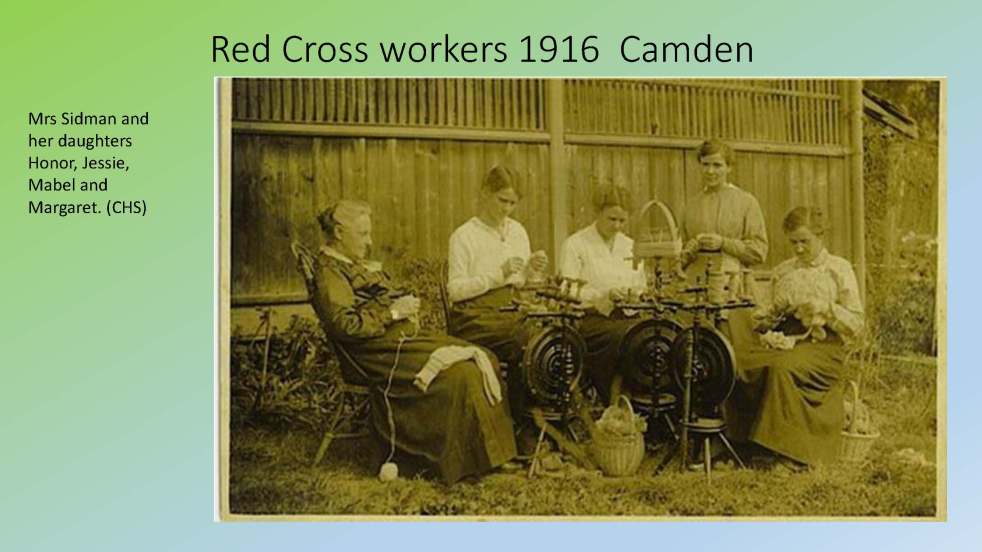
The paper presented at the 33rd Annual Conference of the Australian Historical Association at the University of Queensland in 2014 explored the role of Australian country women in supporting the Red Cross during the First World War. The paper focused on the Camden District Red Cross, emphasizing the conservative womenโ€™s empowerment in embracing the Red Cross, serving as ministering angels, and upholding patriotic values. Total words: 78

20th century · Active citizenship · British Heritage · British Red Cross · Collective Memory · Community identity · Cultural Heritage · First World War · Gender · Humanitarianism · Ideology of Motherhood · International Relief · Lady Helen Munro Ferguson · Living History · Medical history · Medical Humanities · Memory · Metaphor · Modernism · Motherhood · Nationalism · Propaganda · Red Cross · Red Cross Humanitarianism · Red Cross Movement · Second World War · Sense of place · Sewing · Small communities · Small town · Social History · Stories · Storytelling · Symbolism · Trauma · Voluntary Aid Detachment · Volunteering · Volunteerism · War · War at home · Wartime · Women's agency · Women's history · Women's stories · World War One

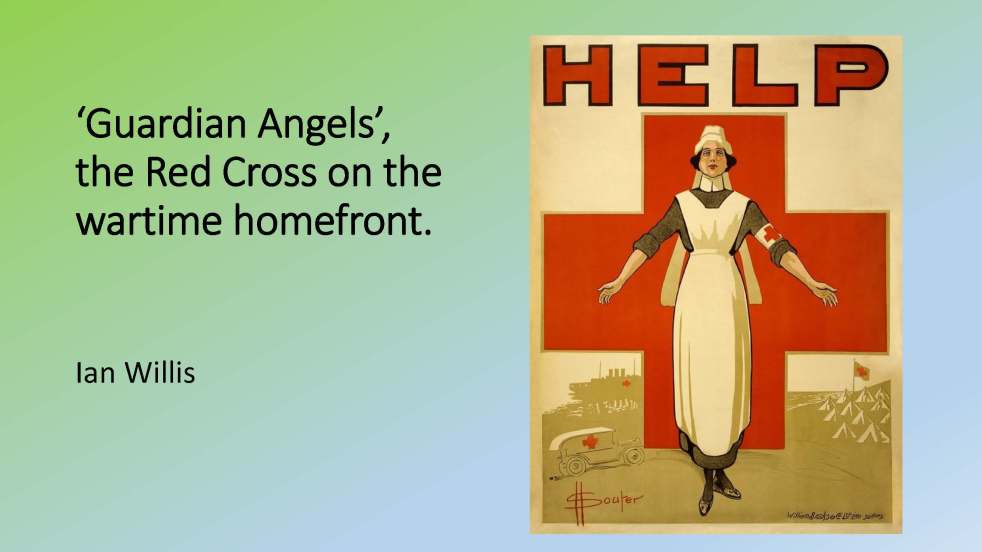
โ€˜Guardian Angelsโ€™, the Red Cross on the wartime homefront

During the First World War, Australian women independently joined the Red Cross to support the war effort. The Red Cross provided a space for women to express agency and contribute to the war through practical activities and fundraising. The organization's local branches established a sense of community and played a significant role in the homefront war effort.

1930s · 20th century · Burragorang Miners Memorial · Burragorang Valley · Business · Business History · Camden Story · Coal mining · Economy · Electricity · Engineering Heritage · Engineering History · Heritage · Industrial Heritage · Local Studies · Lost Camden · Memorial · Memorialisation · Memorials · Memory · Mining History · Monuments · Narellan Story · Oakdale · Place making · Public art · Sense of place · Stories · Storytelling · The Oaks Historical Society · Wollondilly Heritage Centre

Burragorang Coalfields: From Prosperity to Closure

The Burragorang Valley's coal mining history spans from the early 1800s to the closure of the last operational mine in 2000. The community relied on coal for jobs, but the inevitable end affected the region. International mining companies became involved, and the introduction of electricity transformed mining processes. Many mines opened and closed throughout the years, leaving a rich and complex history documented in various sources.

1920s · Agency · Attachment to place · Australia · Camden · Camden Museum · Camden Show · Camden Story · Collective Memory · Community identity · Cultural Heritage · Education · Entertainment · Fashion · Gender · Heritage · Historical consciousness · Historical Research · Historical thinking · History · Interwar · Leisure · Lifestyle · Living History · Local History · Local Studies · Macarthur · Memory · Modernism · Mysteries · Myths · Newspapers · Onslow Park · Place making · Placemaking · Schools · Sense of place · Social History · Storytelling · Trainee Teachers · Women's history

Camden Trainee Teachers Camp 1924: Unveiling a Mysterious Journey

In 1924, a group of trainee teachers from Sydney Teachers College visited Camden for practical training, sparking local curiosity. This visit was part of a tradition that began in 1921, providing hands-on experience in local schools. The program's success was notable, drawing attention from education authorities and the media, and leaving a lasting impact on the community.

Argyle Street · Attachment to place · Camden · Camden Hospital · Camden Story · Community building · Community identity · Community organisations · Cultural Heritage · Cultural icon · Entertainment · Farming · Festivals · Heritage · Historical consciousness · Historical Research · History · Leisure · Living History · Local History · Local newspapers · Memory · Modernism · Newspapers · Place making · Ruralism · Sense of place · Social History · Volunteering · Volunteerism

Camden Rose Festival 1968: history and festivities

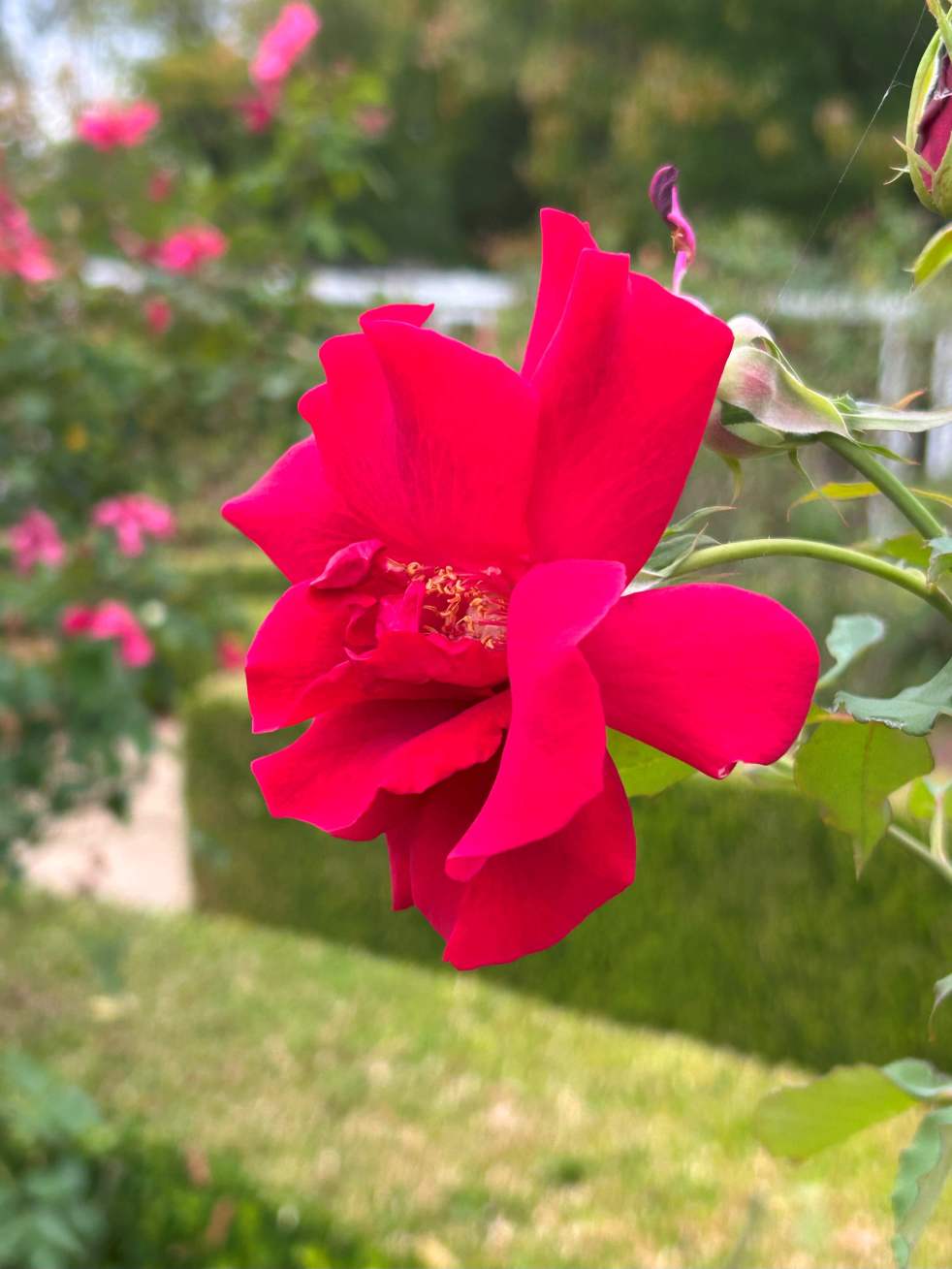
The Camden Rose Festival, founded by JW Hill, celebrated the 1960s' prosperity and optimism. The festival included a street parade, wheelbarrow derby, art exhibition, and a masked ball. The event attracted significant community participation and raised funds for Camden District Hospital. The festival reflected the spirit of the post-war years and local community engagement.

Attachment to place · Belonging · Camden · Camden Museum · Camden Story · Collective Memory · Colonial Camden · Community identity · Cultural Heritage · Cultural icon · Economy · Education · Farming · Heritage · Historical consciousness · Historical Research · Historical thinking · History · Legends · Living History · Local History · Local Studies · Lost Camden · Macarthur · Memory · Modernism · Narellan · Place making · Placemaking · Railway · Railway history · Second World War · Sense of place · Stories · Storytelling · Tourism · Transport

Exploring Camden’s Railway Heritage: Pansy and Its Timeless Stories

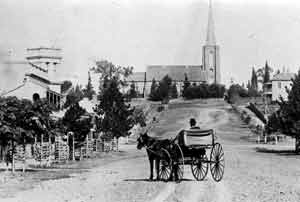
The Camden branch line, with its famous locomotive Pansy, holds a special place in the memories of locals and visitors. Operating from 1882 to 1963, it served as a lifeline for the community, transporting goods, passengers, and even wartime heroes. Despite its eventual closure, remnants of the line can still be seen today.