Architecture · Art · Attachment to place · Australia · Catherine Fields · Community identity · Cultural Heritage · Cultural icon · Entertainment · Fashion · Festivals · Heritage · History · Holidays · Leisure · Local History · Lost Sydney · Macarthur · Memory · Modernism · Music · Myths · Place making · Retailing · Sense of place · Sydney · Sydney's rural-urban fringe · Theme Parks · Tourism

El Caballo Blanco, A Forgotten Past

El Caballo Blanco was a horse show and theme park located at Catherine Fields on Sydney rural-urban fringe

Architecture · Attachment to place · British Heritage · Colonialism · Conservation · Cricket · Cultural and Heritage Tourism · Cultural Heritage · Cultural icon · Cultural plantings · Design · Education · England · Entertainment · Environment · Farming · Fashion · Garden history · Gardening · Governor Macquarie · Heritage · Historical consciousness · Historical Research · Historical source · Historical thinking · History · Horticulture · Landscape · Landscape aesthetics · Leisure · Living History · Memorialisation · Memorials · Memory · Modernism · Place making · Placemaking · Plant Nursery · Plants · Retailing · Sculpture · Sense of place · Settler Society · Social History · Storytelling · Sydney · Uncategorized · Urban development · Urbanism · Victorian

Sydney’s Royal Botanic Gardens

The Royal Botanic Gardens in Sydney, Australia, cover 29 hectares of gardens and 51 hectares of surrounding parkland. Established in 1816, it is the oldest colonial botanic garden in Australia, attracting 4 million visitors annually. With historical significance dating back to 1788, the Gardens reflect changing landscape styles and serve as a popular public space.

Appin · Architecture · Attachment to place · Australia · British colonialism · Campbelltown · Colonial frontier · Colonialism · Communications · Community identity · Cowpastures · Cultural Heritage · Cultural icon · Curtilage · Dairying · Farming · Frontier violence · Governor Macquarie · Heritage · Historical consciousness · Historical Research · Historical thinking · History · Landscape aesthetics · Local History · Local Studies · Macarthur · Monuments · Place making · Ruralism · Sense of place · Settler colonialism · Sydney's rural-urban fringe · Town planning · Transport · Urban growth · Urban Planning · urban sprawl · Urbanism · Victorian

Beulah and Sydney’s Urban Sprawl

Beulah estate, Sydney's urban sprawl and the Appin Road

Aesthetics · Architecture · Attachment to place · Campbelltown · Colonialism · Community identity · Cultural Heritage · Cultural icon · Edwardian · Entertainment · Farming · Fashion · Georgian · Heritage · Historical consciousness · Historical thinking · History · Hotels · Interwar · Leisure · Local History · Lost Sydney · Macarthur · Memory · Modernism · Place making · Railway · Retailing · Ruralism · Sense of place · Settler colonialism · Streetscapes · Sydney's rural-urban fringe · Tourism · Town planning · Urban growth · Urban Planning · urban sprawl · Urbanism · Victorian

Lost Campbelltown heritage

The lost built heritage of a country town on Sydney's urban fringe at Campbelltown

Attachment to place · Australia · British colonialism · Camden · Camden District · Camden Park House and Garden · Camden Show · Camden Story · Community identity · Cultural and Heritage Tourism · Cultural Heritage · Edwardian · England · First World War · Gilbulla · Heritage · Historical consciousness · Historical Research · Historical thinking · History · Interwar · Landscape aesthetics · Local History · Local newspapers · Macarthur · Menangle · Modernism · Newspaper history · Newspapers · Place making · Placemaking · Railway · Royal Tours · Sense of place · Social History · Tourism · War

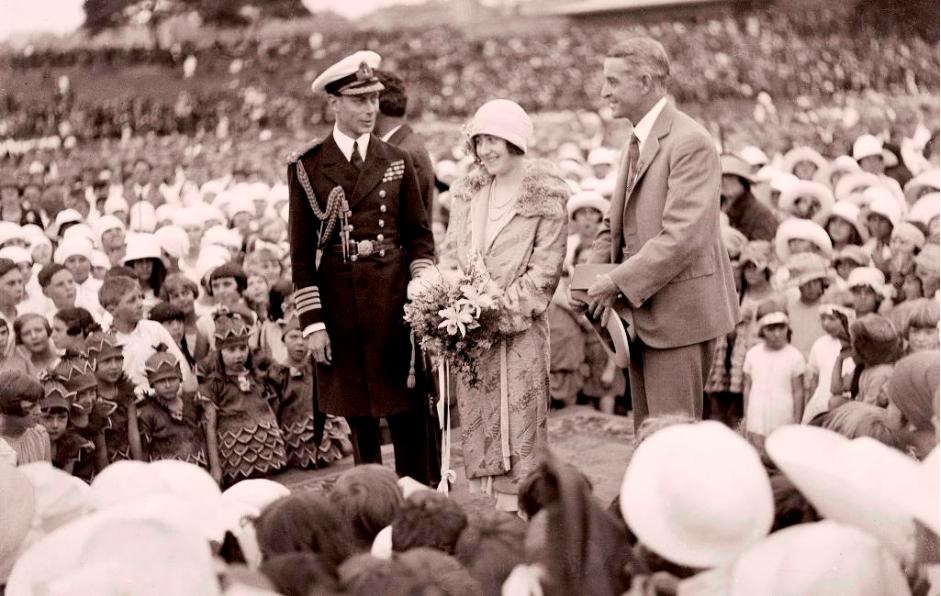
Menangle ‘Little England’ says Duchess of York

In 1927, the Duke and Duchess of York visited Menangle and Camden Park as part of their Australian royal tour. They were guests at the Camden Park house and enjoyed activities such as horse riding and attending the Camden Show. The visit received extensive coverage in newspapers across Australia, highlighting the English countryside-like environment.

Attachment to place · Australia · Camden · Community identity · Cultural Heritage · Cultural icon · Family history · Heritage · Historical consciousness · Historical Research · Historical thinking · History · History of a house · History theory and practice · House history · Living History · Local History · Local Studies · Media History · Medical history · Motoring History · Moveable Heritage · Place making · Sense of place · Storytelling · Women's history

History is nice, but…

The value of history is more important now than almost at any other time in the past.

Agriculture · Attachment to place · Belonging · Camden · Churches · Colonialism · Community identity · Cowpastures · Cultural Heritage · Elderslie · Farming · Hawkesbury-Nepean river · Heritage · Horticulture · John Oxley · Landscape · Local History · Local Studies · Pioneers · Place making · Railway · Sense of place · Settler colonialism · Settler Society · St Mark's Church Elderslie · Storytelling · Sydney's rural-urban fringe · Urban development · Urban growth · Urban Planning · urban sprawl · Urbanism · Village

Elderslie, a suburb on Sydney’s fringe

A history of continuity and change Elderslie is a suburb of Camden, the traditional land of the Dharawal people.  It lies on the southern end of the Camden Municipality, 62 km southwest of Sydney, on the rural-urban fringe. Elderslie borders the Nepean River to the west, Narellan Creek to the north, Camden By-Pass to the… Continue reading Elderslie, a suburb on Sydney’s fringe

Attachment to place · Belonging · Business History · Camden · Camden Story · Campbelltown · Campbelltown Story · Community identity · Cultural Heritage · Cultural icon · Heritage · Historical consciousness · Local History · Local newspapers · Local Studies · Macarthur · Macarthur region · Myths · Narellan Story · Newspapers · Picton · Place · Place making · Placemaking · Sense of place · Stereotypes · Stories · Storytelling · Sydney's rural-urban fringe · Tourism · Urban development · Urban growth · Urban history · urban sprawl · Urbanism · Village

Westies, Bogans and Yobbos. What’s in a name?

The article explores regional identity in Sydney's Macarthur district, focusing on the communities of Campbelltown, Camden, and Picton. It discusses the strong local attachment to identity, which is challenged by perceptions of western Sydney as a cultural wasteland. Jeff McGill’s criticism of regional labeling sparked significant community response, revealing a conflict over identification and stereotypes. While Macarthur's regionalism reflects urban expansion, it struggles for acceptance amidst historical, cultural, and emotional ties that residents hold with their distinct localities.

1920s · 1930s · Aesthetics · Architecture · Argyle Street · Belonging · Cafes · Camden · Camden Hospital · Camden Modern · Camden Modernism · Camden Story · Camden Town Centre · Country town · Country town idyll · Cultural Heritage · Heritage · House history · Housing · Housing styles · Interwar · Local History · Local Studies · Modernism · Narellan · Place making · Placemaking · Sense of place · Small town · Storytelling · Urban growth · Urban history

Interwar Camden, the heritage of a country town

During the interwar period, Camden experienced economic growth driven by dairy and coal industries. The town's population grew by over 35%, making it a vital commercial and administrative center. The Hume Highway and railway brought modern influences, leading to developments such as motor industry, cinemas, and the airfield. Camden has maintained its bucolic charm, but has also experienced urbanization pressure. The town centre has many buildings from the interwar period.

Architecture · Cafes · Camden · Community identity · Cultural Heritage · Cultural icon · Entertainment · Food · Heritage · Historical consciousness · Historical Research · History · Holidays · Interwar · Leisure · Local History · Macarthur · Memory · Modernism · Place making · Retailing · Sense of place

Camden Cafes and Milk Bars

Cafes and Milk Bars were a vibrant part of the retail precinct of any country town in Australia