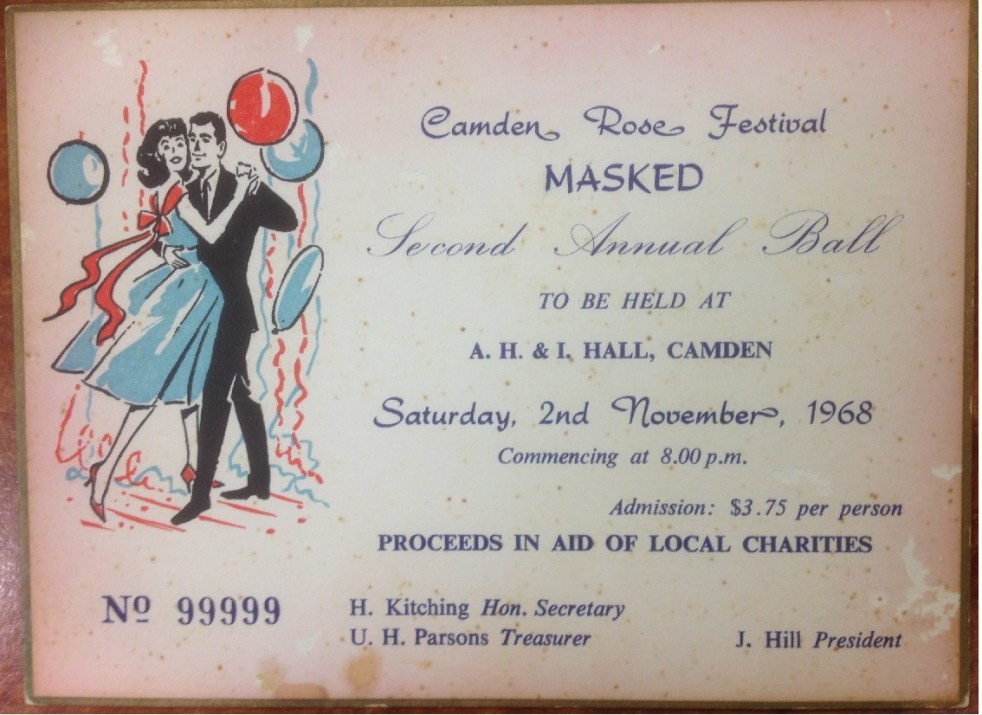
The Camden Rose Festival, founded by JW Hill, celebrated the 1960s' prosperity and optimism. The festival included a street parade, wheelbarrow derby, art exhibition, and a masked ball. The event attracted significant community participation and raised funds for Camden District Hospital. The festival reflected the spirit of the post-war years and local community engagement.
Category: Sense of place

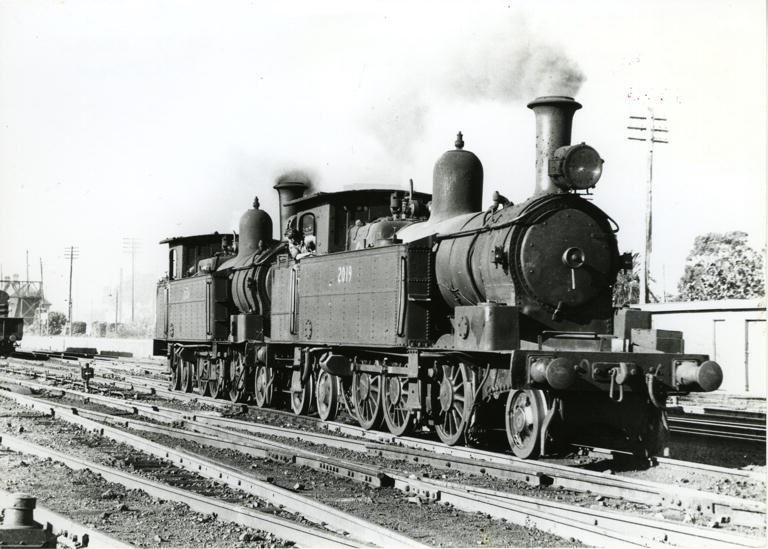
Exploring Camden’s Railway Heritage: Pansy and Its Timeless Stories
The Camden branch line, with its famous locomotive Pansy, holds a special place in the memories of locals and visitors. Operating from 1882 to 1963, it served as a lifeline for the community, transporting goods, passengers, and even wartime heroes. Despite its eventual closure, remnants of the line can still be seen today.
Share this:

Share this:

Connecting Community: John Street and the Art of Placemaking
John Street in Camden embodies the concept of 'place' as defined by various scholars. The precinct holds significance for the community, influencing their identity and emotional attachment. It possesses the potential for placemaking through elements such as cultural traditions, memorials, and events. Leverage of these elements can enhance community interactions and attachment, enriching residents' lives.
Share this:

Share this:
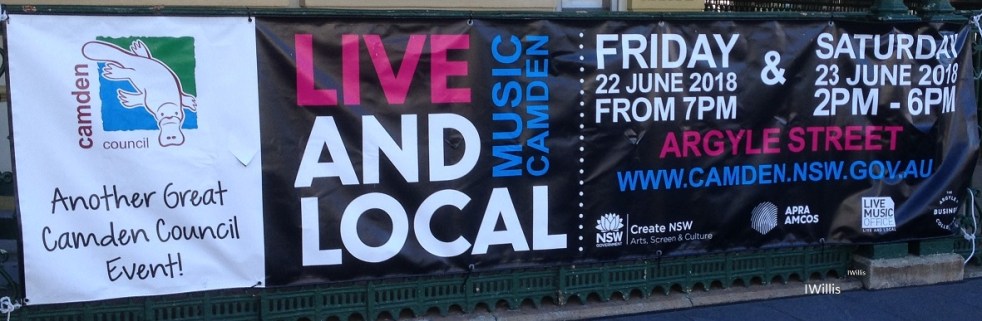
Camden Live & Local 2018: Eclectic Music Festival Across Camden’s Venues
The 2018 Live and Local Camden music festival showcased over 50 musicians across 15 eclectic venues. The festival's growth included jazz ensembles, young talents, and accomplished musicians, creating a diverse and immersive experience for attendees. This cultural event contributed to the development of an arts precinct and celebrated the significance of live music in community storytelling and place-making.
Share this:

Share this:

Airds Shopping Mall demolition, the unmet expectations of mid-century modernism
The Airds shopping mall's future encapsulates the decline of mid-century modernism in the midst of urban neglect. Once a symbol of optimism, the area's decay reflects broader global trends in retail. From failed Radburn principles to public housing challenges, the mall's history mirrors the clash of modernism and neoliberalism in Campbelltown. Despite the despair former residents report that they recall happy memories and stories of hope growing up in the area.
Share this:

Share this:
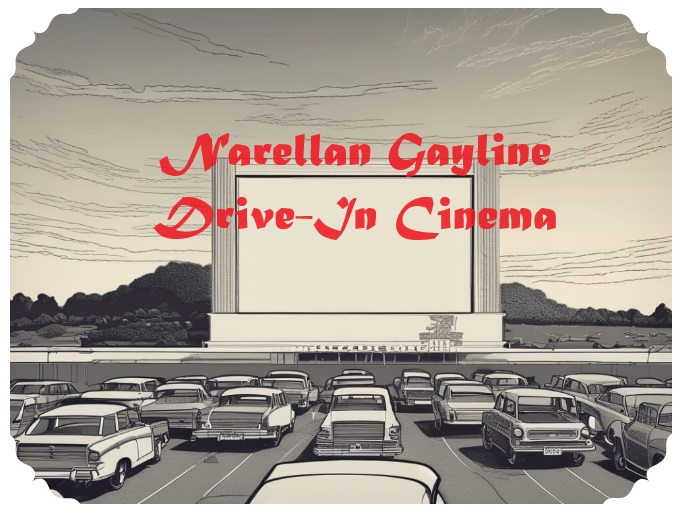
Narellan ‘Gayline’ Drive-In Movie Theatre, a touch of modernism
The Narellan Gayline Drive-In Movie Theatre in Camden was a defining feature of the local 1960s-1980s culture, offering a relaxed, family-friendly movie experience. The drive-in's success peaked in the early 1970s but eventually closed in 1990 due to changing lifestyles and real estate development. It provided a memorable experience for many local residents, offering a nostalgic look back at a bygone era.
Share this:

Share this:
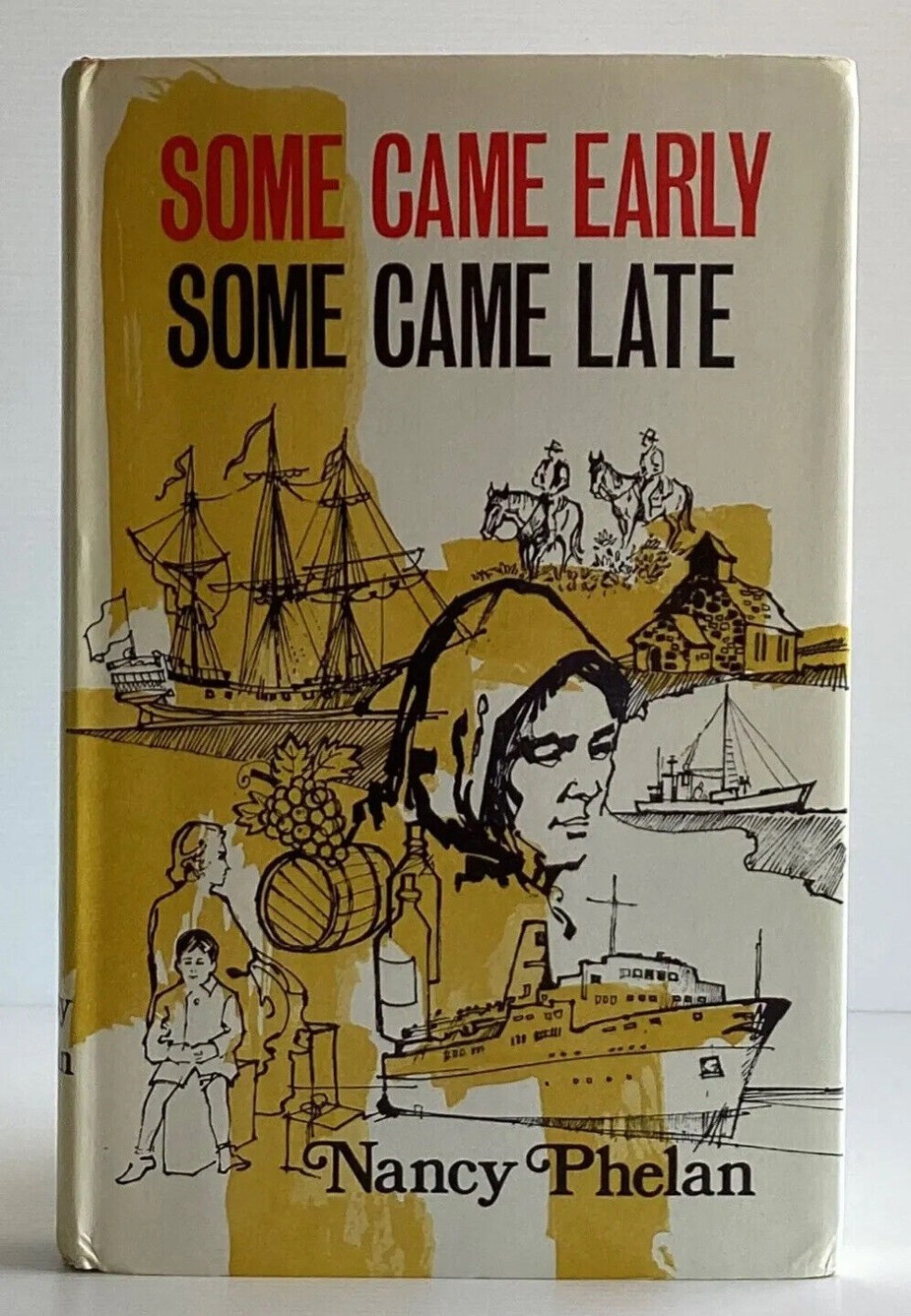
Nancy Phelan’s Reflections on the English Resemblance of Cobbitty, NSW
Australian writer Nancy Phelan's "Some Came Early Some Came Late" (1970) explores the historical significance of the Cobbitty region in New South Wales, focusing on the efforts of early colonial English immigrants to recreate a 'little England'. Phelan's unique perspective, influenced by her own experiences and observations, offers a fresh and captivating view of the region's history, accentuating the deep emotional ties and cultural significance.
Share this:

Share this:
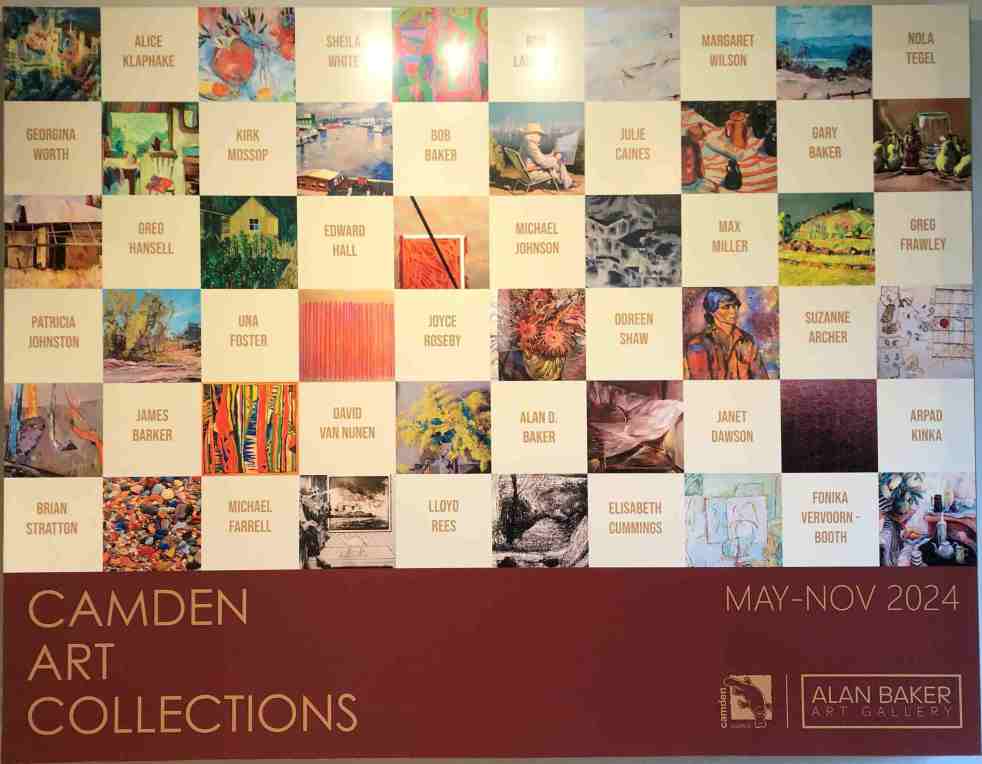
Camden Art Prize, a new exhibition at the Alan Baker Art Gallery celebrates a local institution
The Camden Art Prize was initiated in 1975 as an acquisitive art prize aiming to create a collection. This collection now includes over 200 artworks and has been on display at the Alan Baker Art Gallery. The prize has had many notable judges and dignitaries present at its exhibitions. Some of the winning works are on display in a new exhibition at the gallery.
Share this:

Share this:
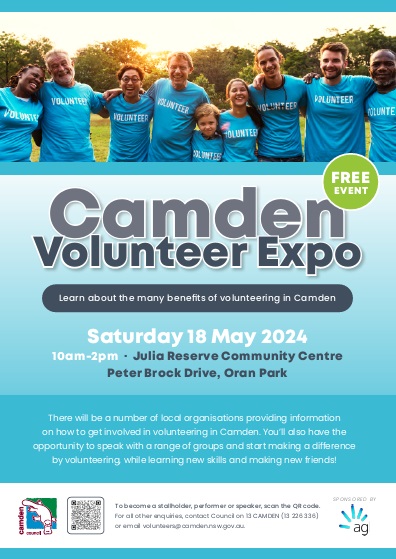
Volunteer Expo, an exceptional networking event
The Volunteer Expo at Julia Reserve Community Centre, Oran Park, NSW, showcased local community organizations during National Volunteer Week. The event aimed to promote volunteering and featured 36 organizations. The expo provided networking opportunities and highlighted the importance of social capital and storytelling in building community resilience. The Camden Council played a vital role in organizing the successful event.
Share this:

Share this:

Garden Palace, showing the wonders of the age
In 1882, a massive fire at Macquarie Street, Sydney, destroyed the Garden Palace and valuable contents, causing significant loss of records and artefacts. The origin of the fire remains a mystery. The Palace was originally built for the Sydney International Exhibition in 1879.

