1973 New Cities Campbelltown Camden Appin Structure Plan · 20th century · Attachment to place · Built heritag · Camden Council · Camden District · Camden Heritage Conservation Area · Camden Museum · Camden Show · Camden Story · Camden Town Farm · Church History · Churches · Collective Memory · Colonial Camden · Commemoration · Community identity · Country town · Country town idyll · Cultural and Heritage Tourism · Cultural Heritage · Elizabeth Macarthur · Folklore · Hope and loss · Landscape · Legends · Local History · Local newspapers · Local Studies · Lost Camden · Memorial · Memory · Monuments · Place making · Placemaking · rural-urban fringe · Ruralism · Sense of place · Settler Society · Social History · Stereotypes · Stories · Storytelling · Sydney's rural-urban fringe · Tourism · Town planning · Uncategorized · Urban development · Urban growth · Urban history · Urban Planning · urban sprawl · Urbanism

Yearning, Longing and The Remaking of Camdenโ€™s Identity: the myths and reality of โ€˜a country town idyllโ€™.

This article discusses the concept of a "country town idyll" in Camden, an idealised version of a country town from an imagined past that uses history to construct imagery based on Camden's heritage buildings and other material fabrics. The paper delves into the origins of the idyll, examines its development, and investigates its validity in its contemporary context. It shows how its supporters have used history as a community asset to remake Camden's identity and explore how the 'country town idyll' has been used variously as a political weapon, a marketing tool, and a tourist promotion.

Agriculture · Agriculture history · Attachment to place · Book · Camden Story · Chinese Market Gardeners · Community · Country town · Cultural Heritage · Farming · Horticulture · Local History · Local Studies · Lost Camden · Memory · Place making · Sense of place · Social History · Storytelling · Uncategorized

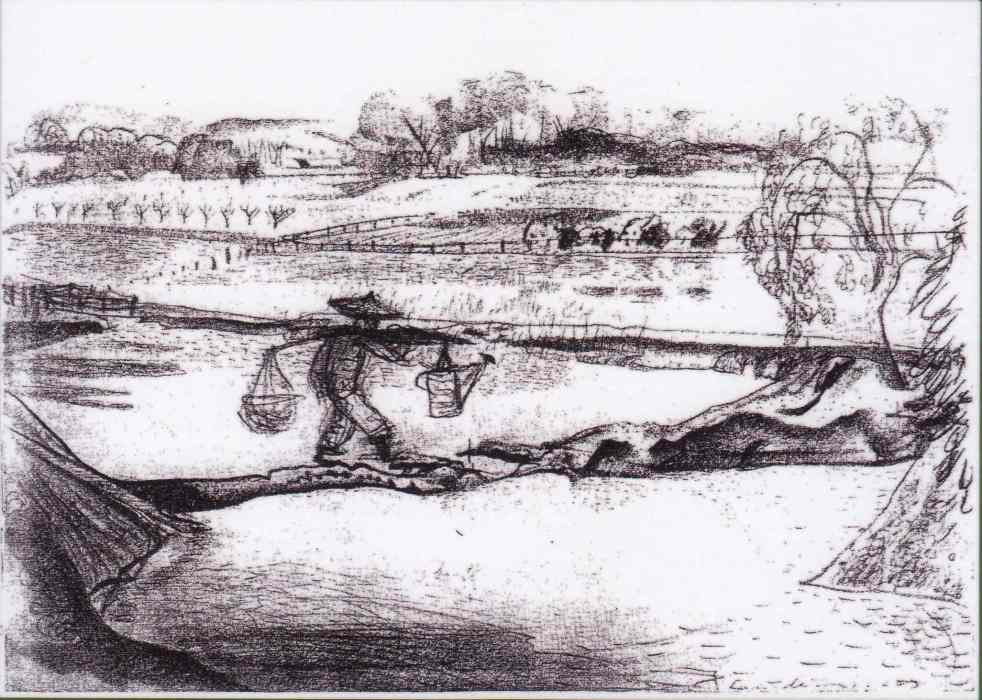
Who were the Camden Chinese market gardeners, a new book reveals the story

The book "A History of Camden Chinese Market Gardeners 1899-1993" edited by Ian Willis & Julie Wrigley tells the story of Chinese market gardeners in Camden. They faced challenges such as the White Australia Policy and local ostracism but demonstrated resilience. The book sheds light on their history and is recommended for those interested in local studies and the Chinese diaspora.

Agency · Art · Artists · Artworks · Attachment to place · Belonging · Camden Council · Community · Community building · Community Engagement · Community identity · Craft · Cultural Heritage · Heritage · Living History · Local History · Local Studies · Oran Park · Place making · Placemaking · Public art · Sense of place · Social History · Stories · Storytelling · Women's art · Women's stories

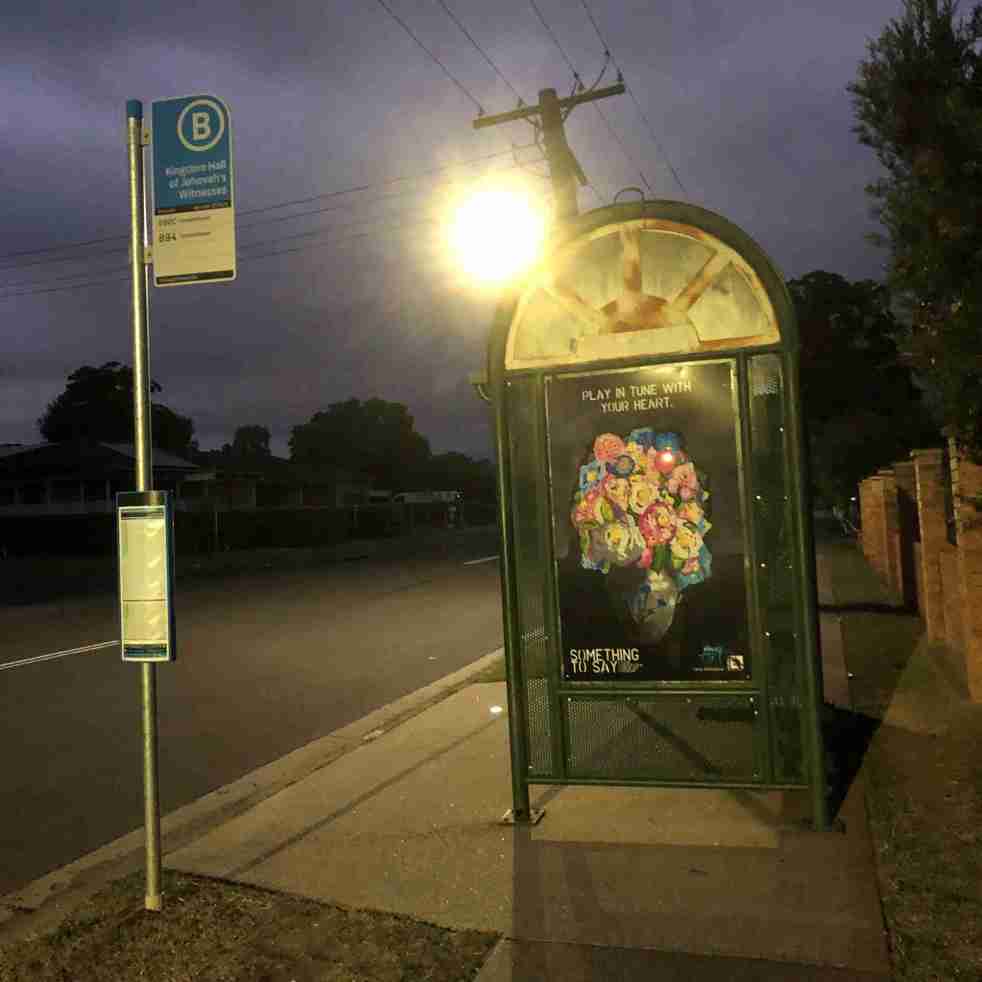
Public Art, Young Women Artists Have Something to Say

Young women artists from the Camden area have had their artworks on public display in a program called Something to Say. The art installations were located outside the Camden Council administration building at Oran Park NSW from late 2023 to early 2024..

Adaptive Re-use · Adaptive Reuse · Art · Artists · Artworks · Attachment to place · Belonging · Cascades Female Factory · Collective Memory · Colonialism · Community identity · Convicts · Cultural and Heritage Tourism · Cultural Heritage · Cultural icon · Grief · History · History of Emotion · Hobart · Hope and loss · Local History · Local Studies · Memorial · Memorialisation · Memorials · Memory · Monuments · Place making · Placemaking · Public art · Sense of place · Social History · Stories · Storytelling · Uncategorized · Women's history · Women's stories

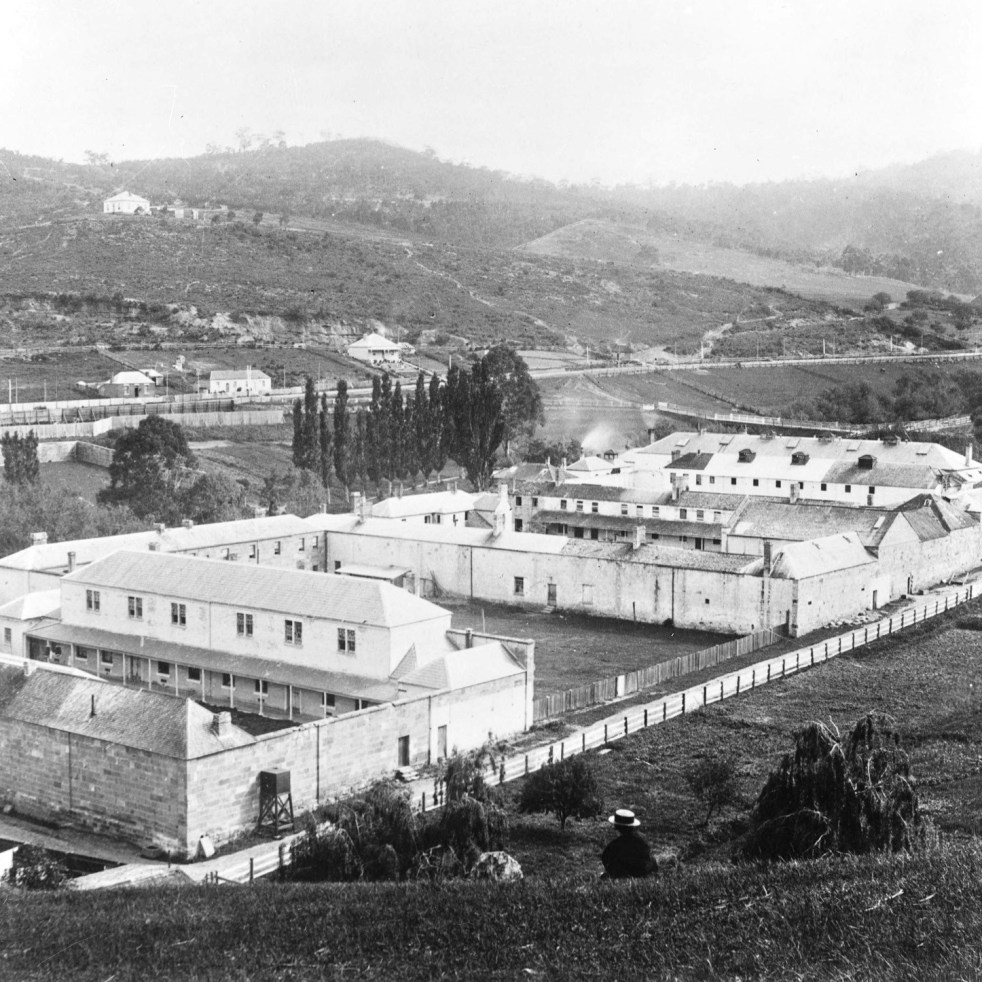
Public art in Hobart tells the story of female convicts in Van Diemen’s Land

Public art has been used in Hobart to reveal stories of female convicts that have been hidden in the shadows for decades on the Hobart waterfront and at the Cascades Female Factory.

20th century · Architecture · Burragorang Valley · Camden Cottage · Camden High School · Camden Modern · Camden Modernism · Camden Story · Coal mining · Community identity · Heritage · History · History of a house · House history · Housing · Housing styles · Local History · Lost Camden · Mid-century modernism · Modernism · Placemaking · Sense of place · Social History · Uncategorized · Urban development · Urban growth · Urban history · Urban Planning · urban sprawl · Urbanism · USA

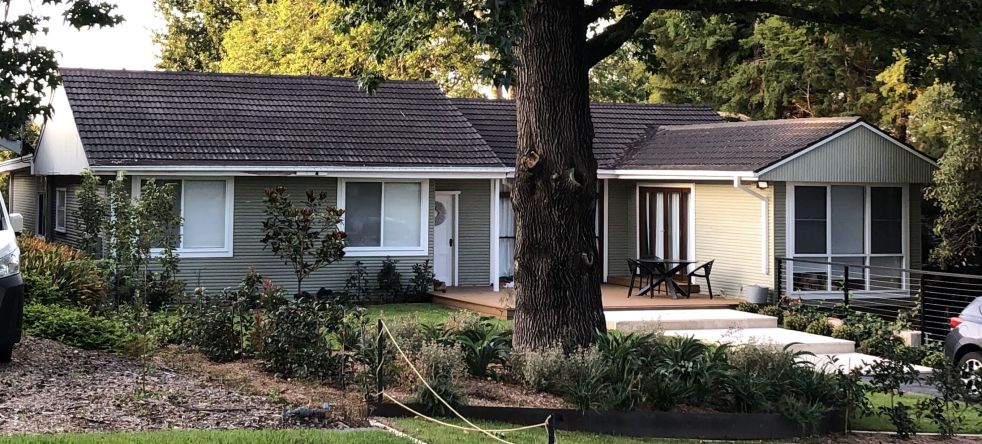
Types of Mid-Century Modernist Housing in Camden

This blog post discusses the types mid-century houses of the Camden NSW area that were built as part of the economic growth and development created by the Burragorang coalfields. These houses were built between the Second World War and the early 1970s, have a variety of residential architectural styles are located south of the town centre, in Elderslie and at Narellan.

1920s · 1930s · 1973 New Cities Campbelltown Camden Appin Structure Plan · 20th century · Agriculture history · Attachment to place · Belonging · Camden Council · Camden Council Heritage Advisory Committee · Camden Mayor · Camden Museum · Camden Produce Market · Camden Story · Camden Town Centre · Camden Town Farm · Colonialism · Commemoration · Country town · Cowpastures · Cultural and Heritage Tourism · Cultural Heritage · Entertainment · Festivals · Food · Heritage · History · Interwar · Living History · Local History · Local Studies · Macarthur · Memorialisation · Place making · Ruralism · Sense of place · Social History · Storytelling · Symbolism · Tourism · Unlock Camden · Urban history

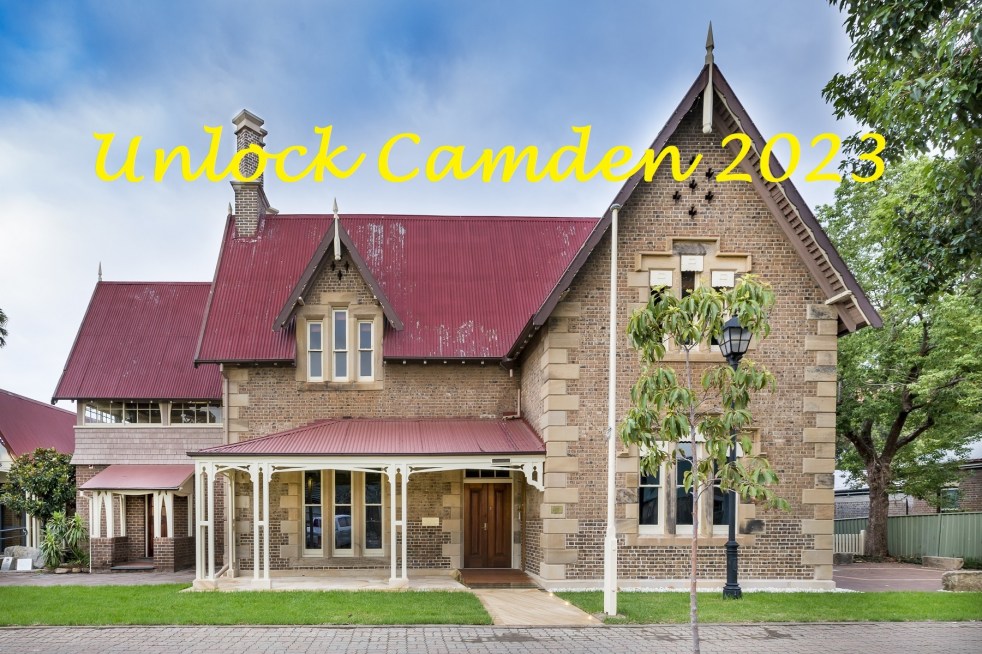
Unlock Camden 2023, a festival celebrating our past

Unlock Camden is a history festival that celebrates the Camden story through walks, art, images, stories, and a host of other activities. Events are centred in historic the John Street precinct around the Alan Baker Art Gallery Macaria.

20th century · Aesthetics · Architecture · Attachment to place · Belonging · Biography · Built heritag · Camden Cottage · Camden Story · Campbelltown Art Centre · Campbelltown Mid-century modernism · Campbelltown Modern · Campbelltown Modernism · Collective Memory · Community identity · Cultural Heritage · Cultural icon · Domestic Architecture · Family history · History · History of a house · Hope and loss · House history · Housing · Housing styles · Lifestyle · Living History · Local History · Local Studies · Macarthur · Macarthur region · Memory · Mid-century modernism · Modernism · Peri-urban region · Placemaking · rural-urban fringe · Social History · Stereotypes · Storytelling · Symbolism · Urban development · Urban growth · Urban history · Urbanism

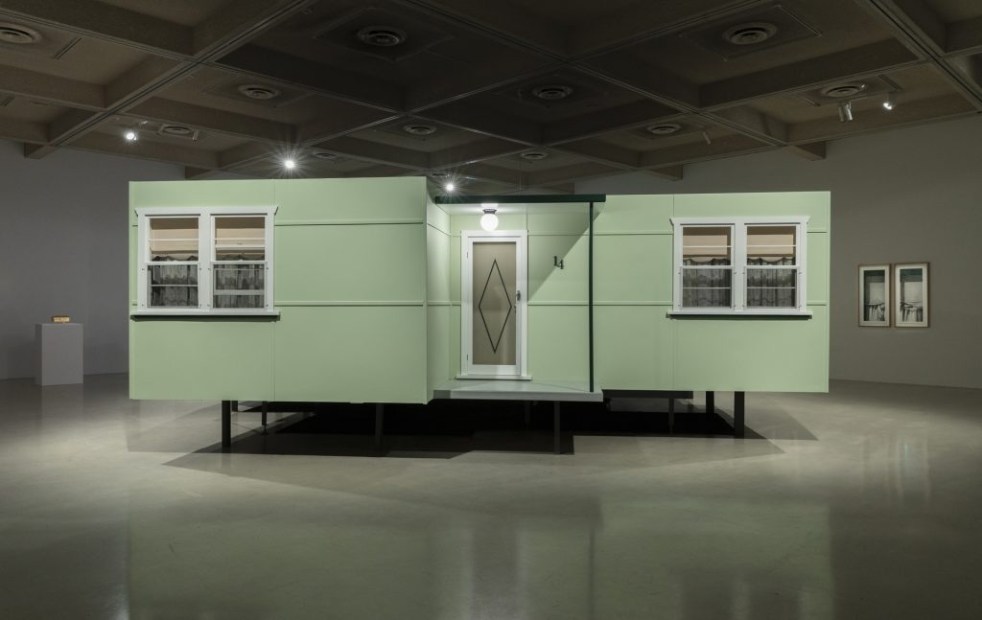
‘Fibro Majestic’: A Celebration of Mid-Century Housing at Campbelltown Arts Centre by Catherine O’Donnell

The "Fibro Majestic" exhibition at Campbelltown Arts Centre celebrates the historical significance of fibro housing in Australia, highlighting its role in post-war society. Artist Catherine O'Donnell's work reflects on the nostalgia, memories, and social contexts surrounding these humble structures, transforming perceptions of an architecture once deemed unattractive.

Aesthetics · Agricultural heritage · Art · Artists · Attachment to place · Belonging · British colonialism · Burragorang Valley · Camden · Camden Hospital · Camden Story · Church History · Coal mining · Colonial Camden · Community identity · Cultural Heritage · Cultural icon · Dairying · Dharawal · Farming · Heritage · Historical consciousness · Historical thinking · History · Living History · Local History · Local Studies · Macarthur · Memorial · Memorialisation · Memorials · Memory · Mid-century modernism · Modernism · Monuments · Pioneers · Place making · Public art · Sense of place · Settler colonialism · Settler Society · Social History · Stereotypes · Storytelling · Tourism

Camden Rotary Pioneer Mural: public art, a mural, a memorial wall and a wishing well

The Camden Pioneer Mural is an example of public art. The Camden mural depicts the Camden story as interpreted in 1962 by ceramic artist Byram Mansell.

1920s · 1930s · Agricultural heritage · Agriculture history · Argyle Street · Artefacts · Attachment to place · Belonging · Built heritag · Camden · Camden Story · Cawdor · Churches · Cobbitty · Community identity · Country town · Cultural Heritage · Cultural icon · Elderslie · Family history · Farming · Fashion History · Festivals · Heritage · Historical consciousness · Historical Research · History · Interwar · Living History · Local Studies · Memory · Monuments · Mount Hunter · Photography · Place making · Placemaking · Retail history · Roy Dowle photographer · Ruralism · Sense of place · Settler colonialism · Social History · Stereotypes · Storytelling · Teamsters · The Oaks · Transport · transport history · Urban history · War

The Roy Dowle collection and old photographs

Old photographs are a glimpse into the past and capture many memories of another time. The Roy Dowle Glass Plate collection at The Oaks Historical Society is a source of many local images.

Anzac · Art · Australia · Australian Comforts Fund · Camden · Camden District · Camden Story · Community Health · Craft · Crafts · Cultural Heritage · Cultural icon · Dress history · Fashion · First World War · Handcraft · Heritage · Historical consciousness · Historical Research · Historical thinking · History · Local History · Local Studies · Memory · Military history · Nationalism · Paintings · Patriotism · Philanthropy · Pictures · Red Cross · Second World War · Social History · Storytelling · Volunteering · Volunteerism · War · War at home · Wartime · Women's agency · Women's history · Women's stories · World War One

The patriotism of the wartime sock knitter

During World War I, hand-knitted socks became crucial for soldiers facing harsh conditions, preventing trench foot. Women across the British Empire, particularly in Australia, organized knitting efforts, leading to over 1.3 million pairs made. These efforts provided essential support and represented women's patriotism in wartime, often alleviating grief through their contributions.