Anzac · Art · Australia · Australian Comforts Fund · Camden · Camden District · Camden Story · Community Health · Craft · Crafts · Cultural Heritage · Cultural icon · Dress history · Fashion · First World War · Handcraft · Heritage · Historical consciousness · Historical Research · Historical thinking · History · Local History · Local Studies · Memory · Military history · Nationalism · Paintings · Patriotism · Philanthropy · Pictures · Red Cross · Second World War · Social History · Storytelling · Volunteering · Volunteerism · War · War at home · Wartime · Women's agency · Women's history · Women's stories · World War One

The patriotism of the wartime sock knitter

During World War I, hand-knitted socks became crucial for soldiers facing harsh conditions, preventing trench foot. Women across the British Empire, particularly in Australia, organized knitting efforts, leading to over 1.3 million pairs made. These efforts provided essential support and represented women's patriotism in wartime, often alleviating grief through their contributions.

1920s · Attachment to place · Australia · Belonging · Burragorang Valley · Camden · Colonial Camden · Community identity · Cultural Heritage · Cultural icon · Dairying · Economy · Farming · First World War · Heritage · Historical consciousness · Historical Research · Historical thinking · History · House history · Landscape · Lifestyle · Living History · Local History · Local newspapers · Local Studies · Macarthur · Memory · Modernism · Myths · Newspapers · Place making · Ruralism · Second World War · Sense of place · Storytelling · Sydney's rural-urban fringe · Tourism · Travel · Urban growth · Urban Planning · urban sprawl · Urbanism · War · War at home · Women's history

The Camden district in 1939

The 1939 Camden district concept was developed in the 1990s by UOW historian Dr Ian Willis as part of his research on the effect of the Second World War on Camden township.

Counterfactural · Family history · Heritage · Historical consciousness · Historical Research · Historical thinking · History · History theory and practice · Local History · Local Studies · Media History · Medical history · Motoring History · Women's history

What if? What might have been? What could have been?

What if? What might have been? What could have been? Counterfactual history is a contested area of historiography.

Anzac · Attachment to place · Australia · Camden · Community identity · Cultural Heritage · Cultural icon · First World War · Heritage · Historical consciousness · Historical Research · Historical thinking · History · Living History · Local History · Local Studies · Macarthur · Memory · Myths · Place making · Red Cross · Second World War · Sense of place · Storytelling · War · War at home · Women's history · Women's Writing

How The War Workers’ Gazette Documented Civilian Contributions

The War Workers' Gazette, edited by Eleanor Mackinnon and Constance Sly in 1918, documents thousands of volunteers in New South Wales who supported the First World War. Initially a fundraiser, it serves as a vital historical resource despite shortcomings, capturing the organized civilian effort and preserving the names of participants for future generations.

Anzac · Attachment to place · Belonging · Camden · Camden Museum · Community Health · Community identity · Convalescent Home · Convalescent hospital · Cultural Heritage · Cultural icon · Edwardian · First World War · Gender · Heritage · Historical consciousness · Historical Research · History · Interwar · Lifestyle · Living History · Local History · Local Studies · Macarthur · Memory · Menangle Army Camp · Modernism · Moveable Heritage · Myths · Narellan Military Camp · Newspapers · Nursing · Philanthropy · Place making · Red Cross · Ruralism · Second World War · Sense of place · Stereotypes · Storytelling · Trust · Victorian · Volunteering · War · War at home · Women's diaries · Women's history · Women's Writing

Crisis relief in wartime and the peace

Crisis relief in wartime and the peace from the Camden and district Red Cross volunteers

Attachment to place · Camden Park House and Garden · Colonial Camden · Community identity · Country Women's Association · Cultural Heritage · CWA · Edwardian · First World War · Gender · Heritage · Historical consciousness · History · Interwar · Local History · Local Studies · Macarthur · Memory · Menangle · Modernism · Movies · Myths · Philanthropy · Place making · Red Cross · Second World War · Sense of place · Settler colonialism · Stereotypes · Storytelling · TV Series Shows · Volunteering · Volunteerism · War · War at home · Women's diaries · Women's history · Women's Writing

Formidable women from the past

Formidable women from the past in the country town of Camden NSW

Adaptive Re-use · Anzac · Architecture · Attachment to place · Belonging · Community Health · Convalescent Home · Convalescent hospital · Cultural Heritage · First World War · Heritage · Historical consciousness · Historical Research · Historical thinking · History · Job creation · Living History · Local History · Medical history · Memory · Place making · Red Cross · Second World War · Sense of place · Storytelling · Tourism · Travel · Volunteering · Volunteerism · War · War at home · Women's history

A scholarly visit to the harbour city

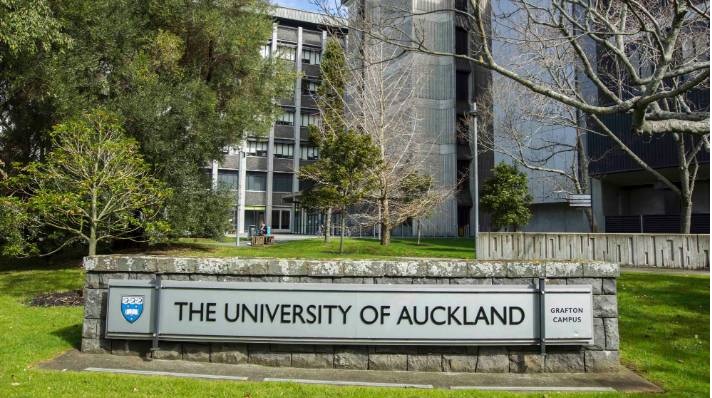
A scholarly visit to the harbour city of Auckland New Zealand by UOW historian Dr Ian Willis was an opportunity to learn more about medical history.

1920s · Aesthetics · Anzac · Architecture · Art · Attachment to place · Australia · Belonging · Cafes · Camden · Camden Airfield · Camden Museum · Camden Show · Colonial Camden · Community identity · Convicts · Country Women's Association · Cultural Heritage · Cultural icon · CWA · Farming · First World War · Gender · Heritage · Historical consciousness · Historical Research · Historical thinking · History · Interwar · Lifestyle · Living History · Local History · Local newspapers · Local Studies · Macarthur · Memory · Modernism · Monuments · Movies · Narellan Military Camp · Place making · Railway · Restaurant · Retailing · Ruralism · Second World War · Sense of place · Tourism · Urban Planning · urban sprawl · Urbanism · War · War at home · Women's history

The Camden story, an evolving project

The Camden story, a continually evolving project that details some of the parts of the local story.

1920s · Aesthetics · Attachment to place · Belonging · Camden · Community identity · Cultural Heritage · Cultural icon · Dress history · Entertainment · Fashion · Heritage · Historical consciousness · History · Interwar · Leisure · Lifestyle · Local History · Local Studies · Memory · Modernism · Place making · Sense of place · Women's history

The Story Behind Mrs Wilson’s 1920s Black Dress

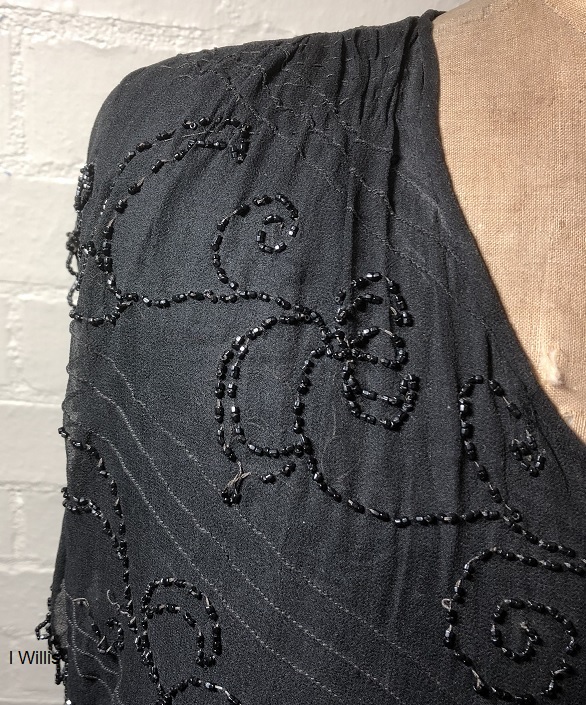
The little black dress from the 1920s, exhibited at Camden Museum, represents the era's fashion evolution and women's newfound freedom post-war. Owned by Mrs Mary Wilson, it features elegant georgette fabric and intricate beading. While it's uncertain if it was worn at the 1926 Camden District Hospital Ball, its design captures the period's chic aesthetic.

Art · Australia · Belonging · British colonialism · Camden · Colonial Camden · Colonialism · Community identity · Cultural Heritage · Edwardian · England · Fashion · Gender · Heritage · Historical consciousness · Historical Research · Historical thinking · History · Interwar · Living History · Local History · Local Studies · Memory · Modernism · Place making · Sense of place · Settler colonialism · Tourism · Travel · Women's diaries · Women's history · Women's Writing

Going to London

Going to London was an experience for thousands of young single Australian born women in the 20th century.