

History enables us to comprehend the past and influences the future by revealing how past events shape current realities. It provides context, identifies patterns, and highlights cultural influences. Additionally, it inspires critical thinking, informs decision-making, and prompts social justice efforts, reinforcing that the future is shaped by choices made today.
Tag: Place Studies


Understanding NSW’s 2025 Draft Heritage Strategy
The NSW Government has unveiled the NSW Heritage Strategy, marking a significant update in over twenty years. Aiming to broaden the understanding of heritage, it includes Aboriginal culture, historic structures, and natural heritage. Public feedback is welcomed until July 13, 2025, to shape the final strategy guiding future heritage policies.
Share this:

Share this:
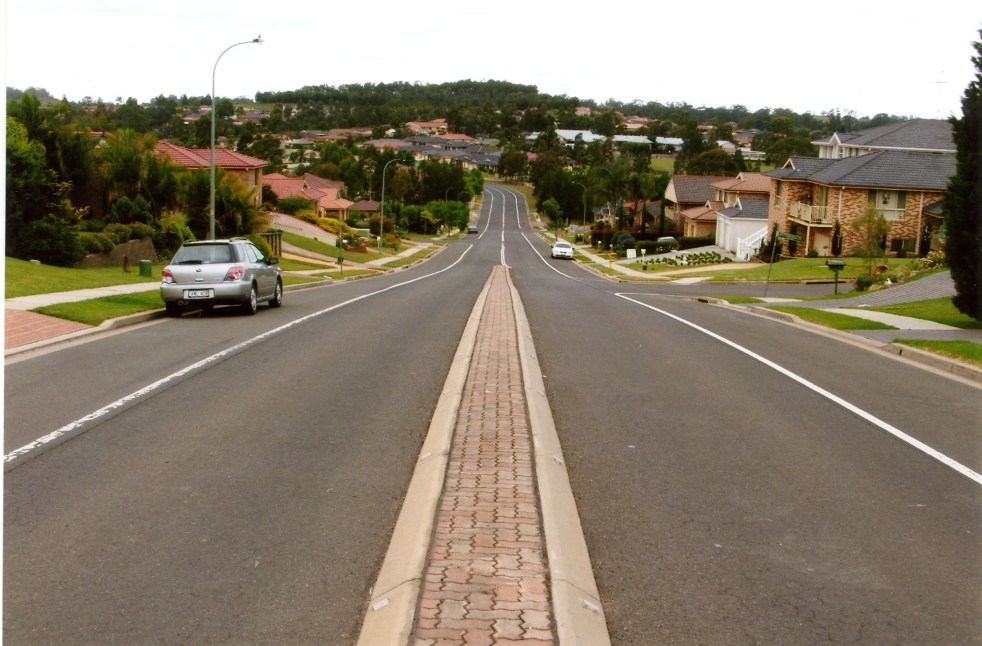
Navigating Australia’s Housing Crisis: Insights from Sydney’s Urban Fringe
The complexities of addressing Australia's housing challenges, suggests an article from ABC News, on Sydney's urban fringes are not as simple as they might seem. While author Ian Willis explores how the growing population has created demand for housing, the reality often falls short of expectations. Many new residents, he writes, are drawn by promises of suburbia, face disillusionment due to inadequate infrastructure, high density, and unresolved issues like traffic congestion and housing quality. Willis argues that the ongoing crises reflect a disconnect between development aspirations and lived experiences, suggesting the need for improved planning and understanding of community needs.
Share this:

Share this:
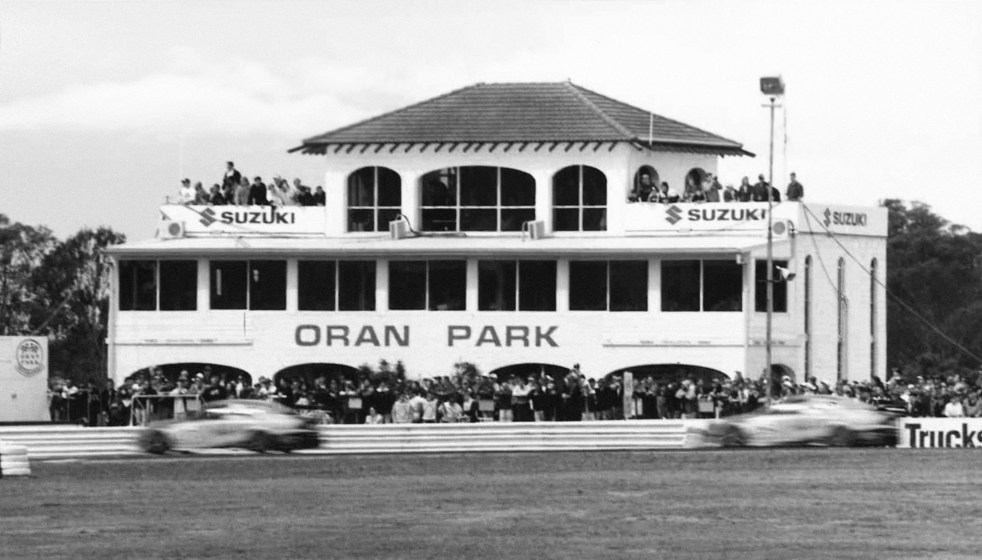
Exploring Your Hometown: Hidden Gems Await
Exploring your hometown can reveal hidden wonders and local history often overlooked. Resources like libraries and historical societies offer insights into the past, while nature provides adventurous experiences. Engaging with local culture, festivals, and unique culinary offerings can enhance your appreciation of familiar surroundings. Stay curious and discover the extraordinary in the ordinary.
Share this:

Share this:
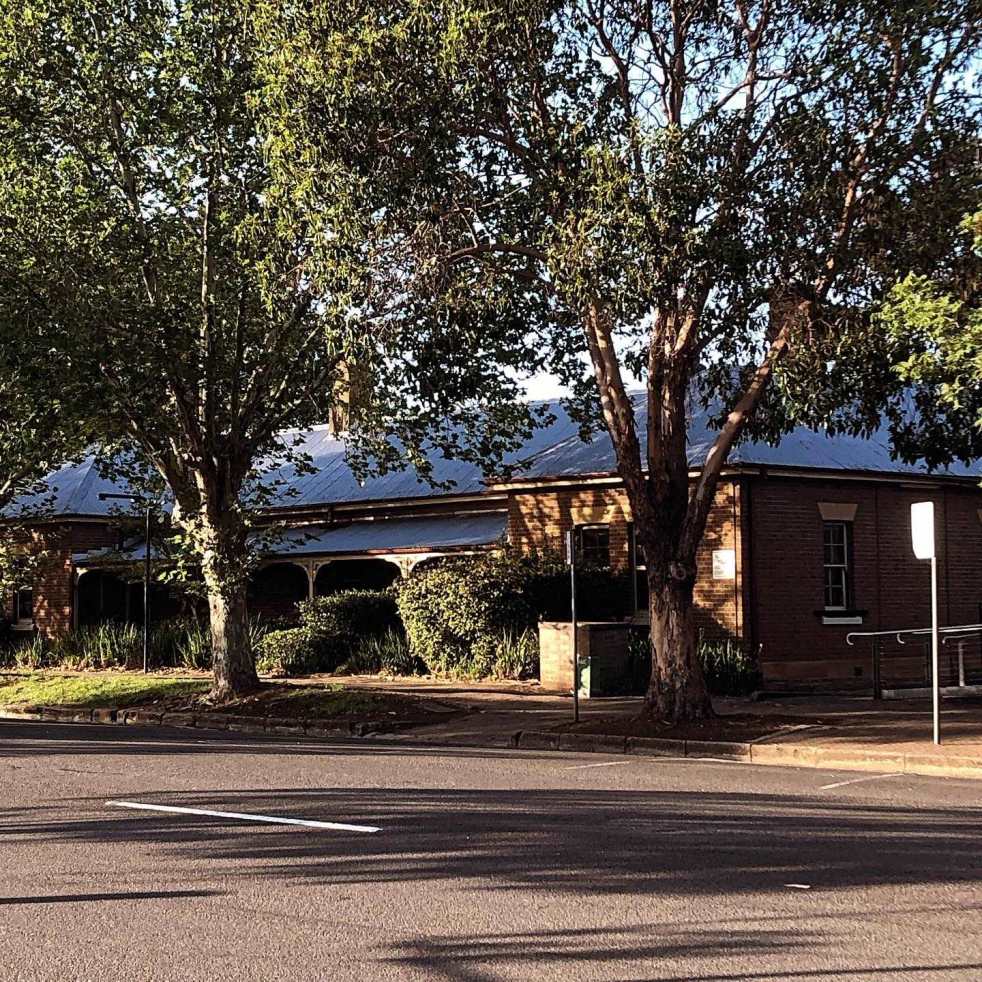
Revitalizing John Street: A Vision for Community Placemaking
The proposal advocates for transforming John Street in Camden into an Italian-style piazza, enhancing community bonding and social capital. By activating and enhancing various existing and under-utilised elements this revitalized space could foster deeper connections among residents and serve as a vibrant, meaningful heart for the town.
Share this:

Share this:
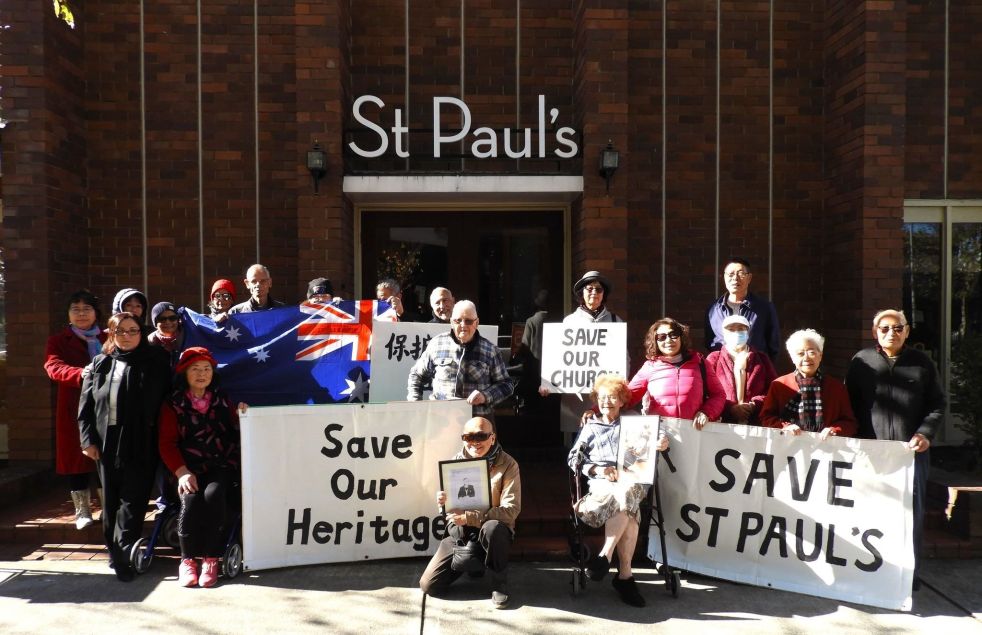
Why does the sale of a local church create community angst? What is going on?
The sale of church land has sparked community angst, particularly at St. Paul's Anglican Church in Bankstown. The proposed heritage listing has led to concerns about redevelopment and closure. Similar issues have arisen in Tasmania, where the sale of local churches has evoked strong emotional and historical attachments. The opposing views between churchgoers and non-churchgoers present an unresolved ethical dilemma.
Share this:

Share this:

Connecting Community: John Street and the Art of Placemaking
John Street in Camden embodies the concept of 'place' as defined by various scholars. The precinct holds significance for the community, influencing their identity and emotional attachment. It possesses the potential for placemaking through elements such as cultural traditions, memorials, and events. Leverage of these elements can enhance community interactions and attachment, enriching residents' lives.
Share this:

Share this:
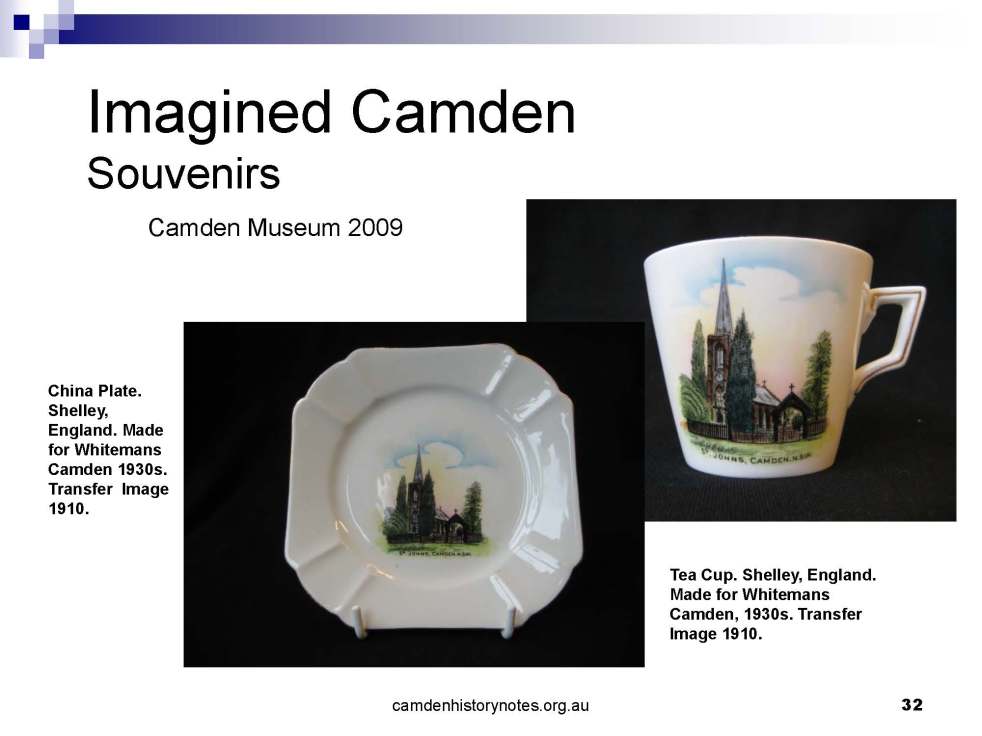
Camden, the making and re-making of familiar places
This presentation at the WEA-RAHS Seminar Series on 28 October 2009 at History House, Sydney, explores the conflict between urban expansion and the desire to preserve Camden's identity as a country town. It delves into the tension between nostalgic ideals and the reality of modern development in the area.
Share this:

Share this:
Take a stroll through the past
The past is all around us and has created the present. The present would not exist without the past. We need to understand the past to understand the present.
Share this:

Share this:

Camden Rotary Pioneer Mural: public art, a mural, a memorial wall and a wishing well
The Camden Pioneer Mural is an example of public art. The Camden mural depicts the Camden story as interpreted in 1962 by ceramic artist Byram Mansell.

