
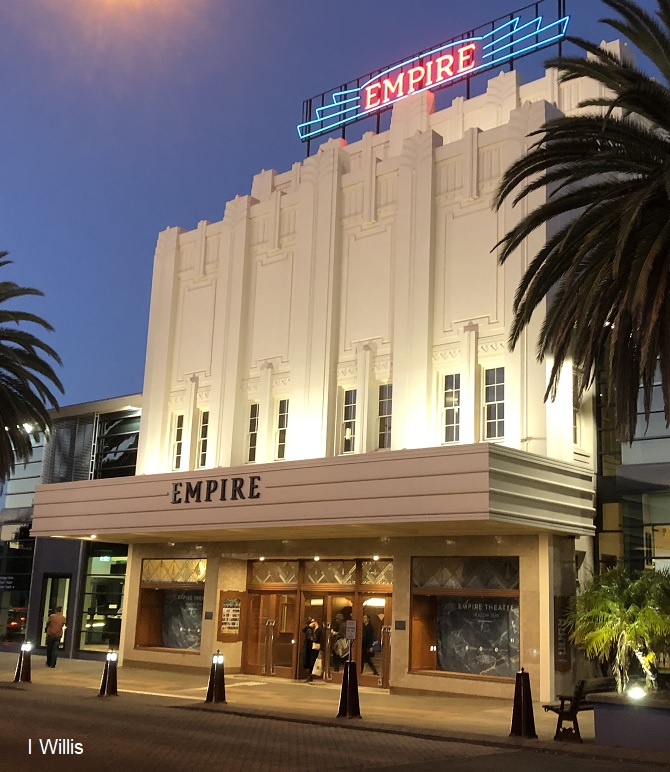
Living history in southern Queensland in the regional centre of Toowoomba
Category: 1920s


The Camden story, an evolving project
The Camden story, a continually evolving project that details some of the parts of the local story.
Share this:

Share this:
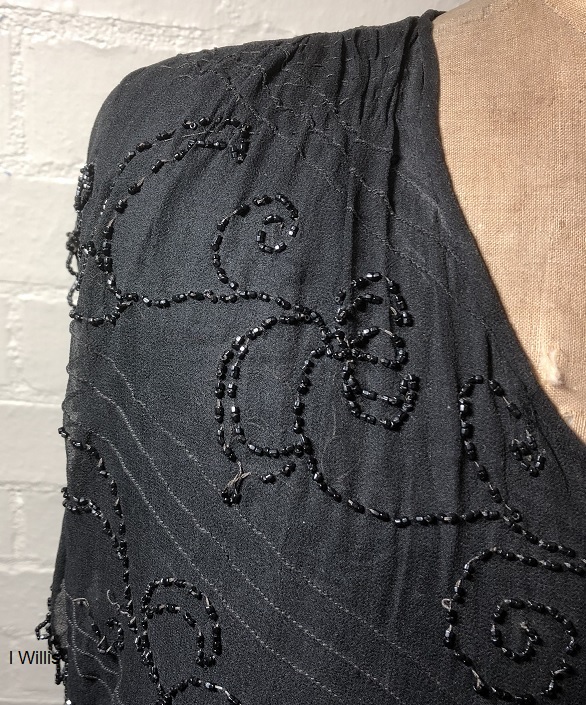
A little black ball dress
A little black ball dress was worn at the 1926 Camden District Hospital Ball at the Camden AH&I Hall.
Share this:

Share this:
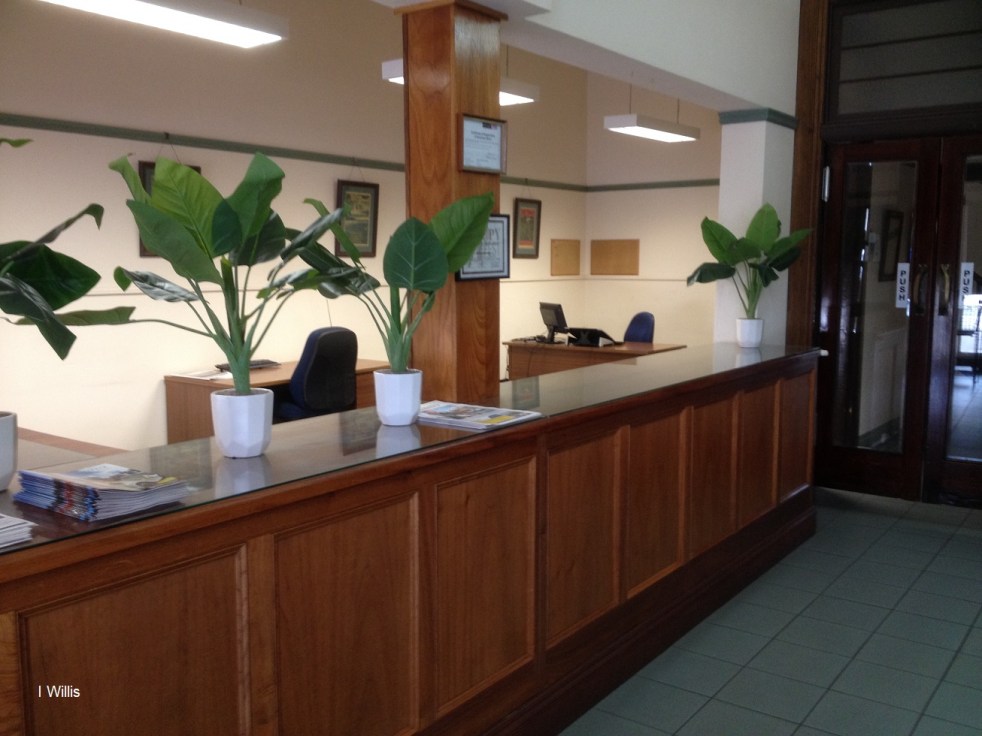
Goulburn Evening Penny Post and its Art-Deco newspaper office and printery
In 1935 a moderne Art-Deco style office was opened for the Goulburn Evening Penny Post
Share this:

Share this:
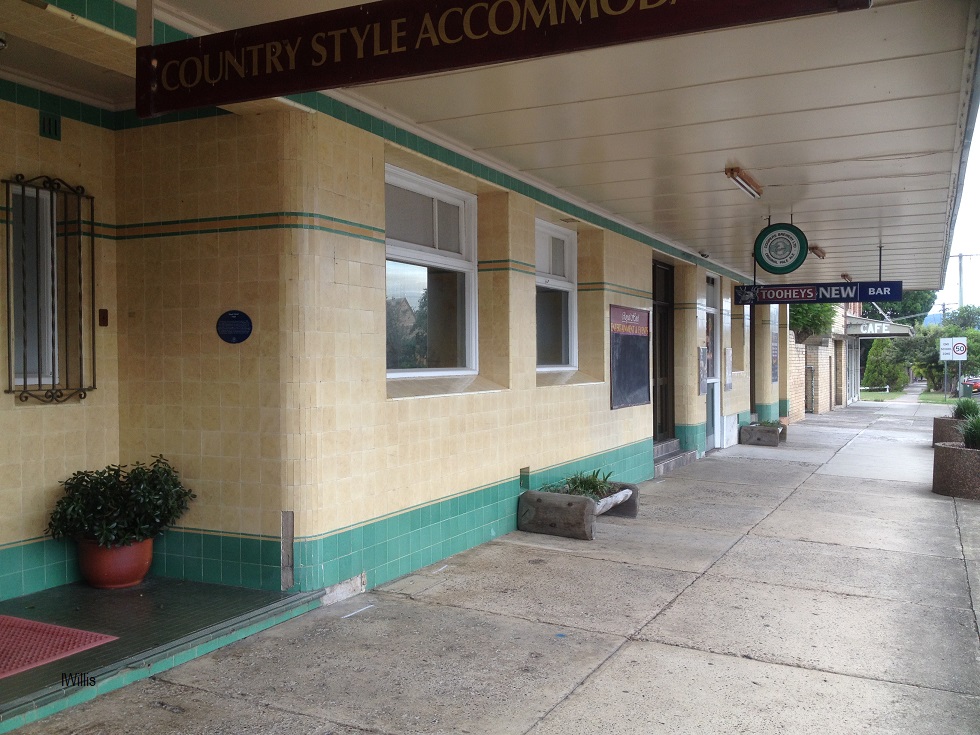
Dungog’s Royal Hotel, an Art Deco Bush Pub
The Dungog Royal Hotel is an example of an Interwar Art Deco style hotel in an Australian country town
Share this:

Share this:
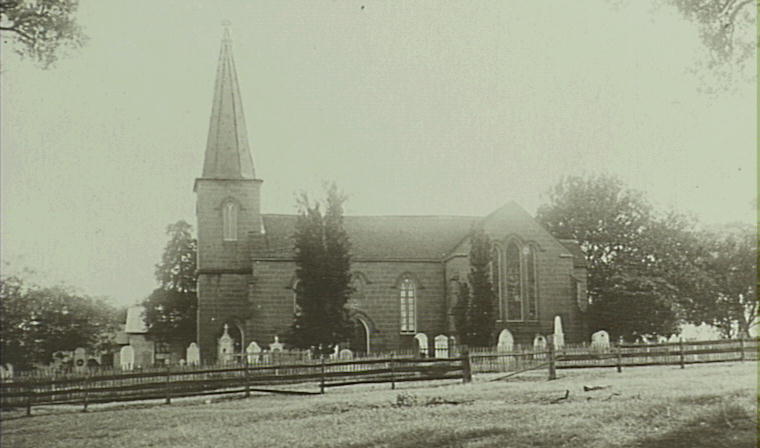
Whiteman & McIntosh, Camden Colonial Families Celebrate a Moderne Wedding at Cobbitty
A modern Cobbitty wedding for two important colonial families, the McIntosh family and the Whiteman family was an important social event in the district calendar.
Share this:

Share this:
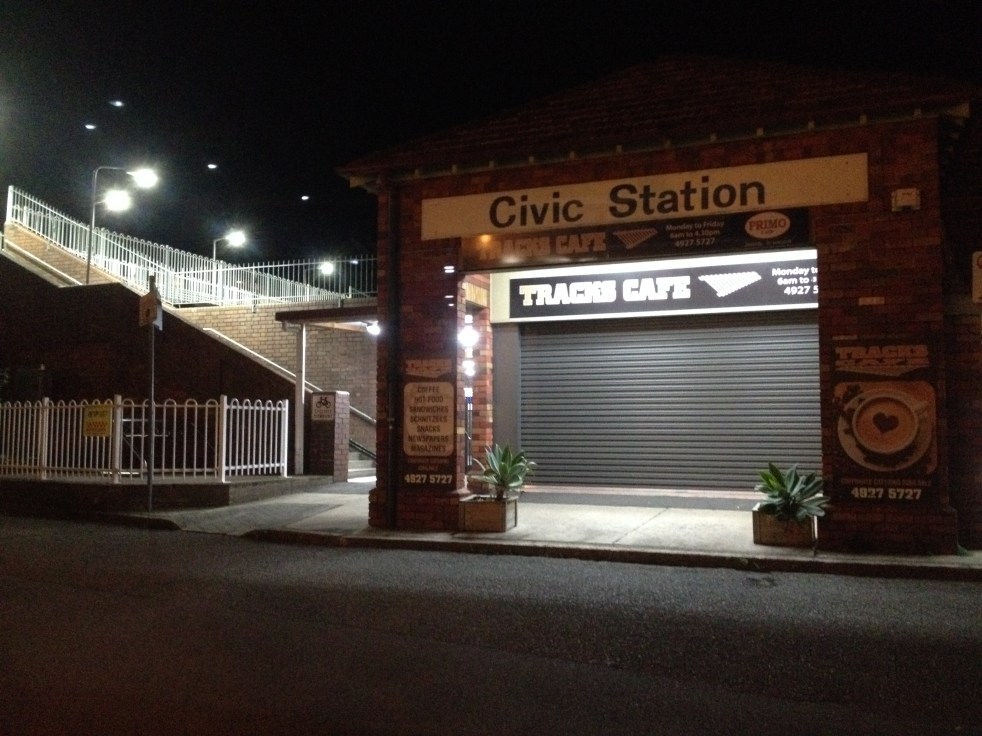
Civic Railway Station, revealing part of Newcastle modernism
Civic Railway Station, now closed, reveals some of the aesthetics of Newcastle modernism.
Share this:

Share this:
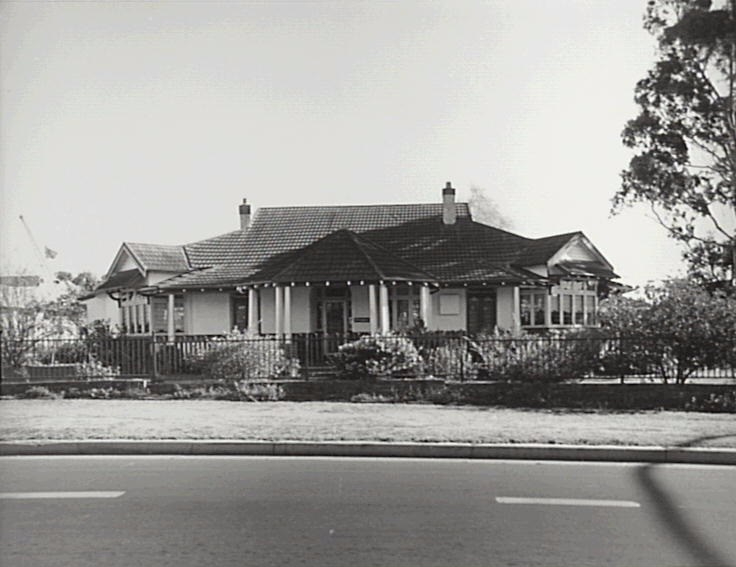
Ben Linden Narellan An Edwardian Gem
Ben Linden in Narellan is a notable Edwardian cottage representing early twentieth-century Australian architecture. The style emerged after the Federation of the Commonwealth of Australia in 1901, influenced by English Edwardian houses but tailored to suit local conditions. This housing style provides insight into the cultural heritage of Camden and the people who built and lived in these houses.
Share this:

Share this:
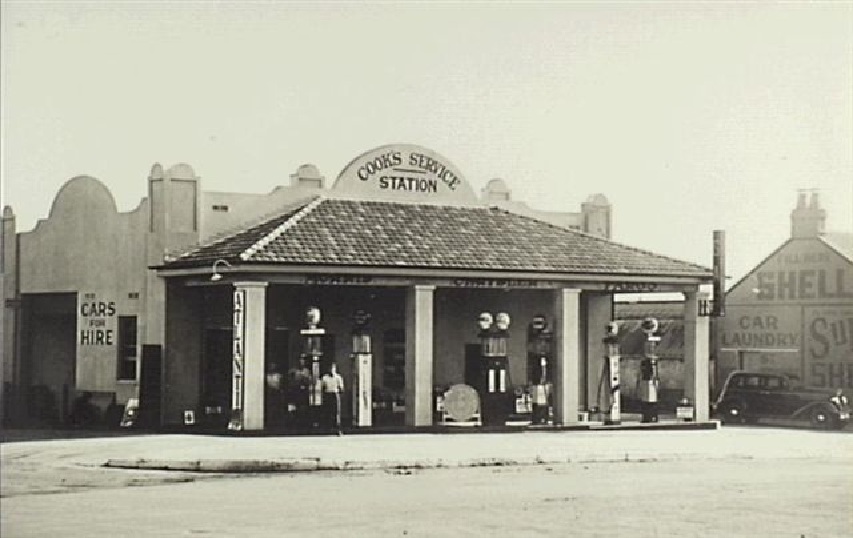
Interwar Camden, the heritage of a country town
During the interwar period, Camden experienced economic growth driven by dairy and coal industries. The town's population grew by over 35%, making it a vital commercial and administrative center. The Hume Highway and railway brought modern influences, leading to developments such as motor industry, cinemas, and the airfield. Camden has maintained its bucolic charm, but has also experienced urbanization pressure. The town centre has many buildings from the interwar period.
Share this:

Share this:
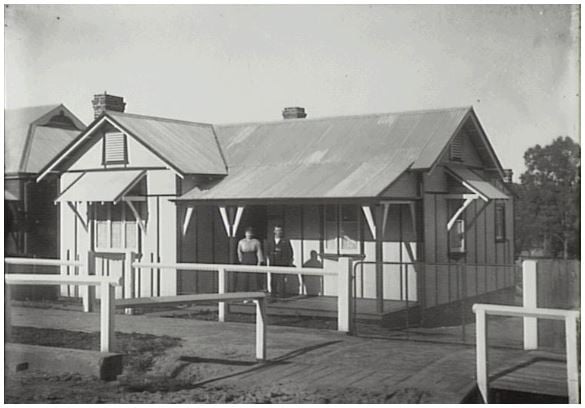
The Camden Fibro Cottage and its connection to mid-century housing styles
The Camden fibro cottage symbolizes the mid-20th century's affordable housing solution, catering to the working class in a post-war Australia. Representing nostalgia and simplicity, these homes were practical yet modern. Although their popularity declined due to issues like poor insulation and asbestos risks, they remain a significant aspect of Camden's architectural heritage.

