Adaptive Re-use · Aesthetics · Architecture · Attachment to place · Australia · Bella Vista Farm · Belonging · British colonialism · Camden Park House and Garden · Colonial Camden · Colonial frontier · Colonialism · Community identity · Convicts · Cultural Heritage · Cultural icon · Family history · Farming · Frontier violence · Georgian · Heritage · Historical consciousness · Historical Research · Historical thinking · History · History of a house · House history · Landscape · Landscape aesthetics · Lifestyle · Living History · Local History · Local Studies · Macarthur · Memory · Monuments · Myths · Place making · Ruralism · Sense of place · Settler colonialism · Storytelling · Tourism · Urban growth · urban sprawl · Women's history

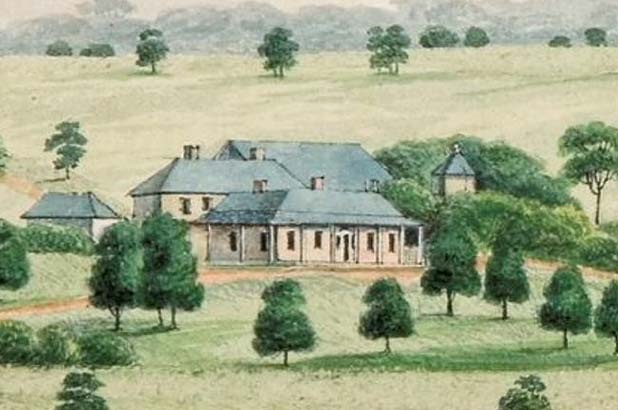
Bella Vista Farm, an early part of the Macarthur rural empire

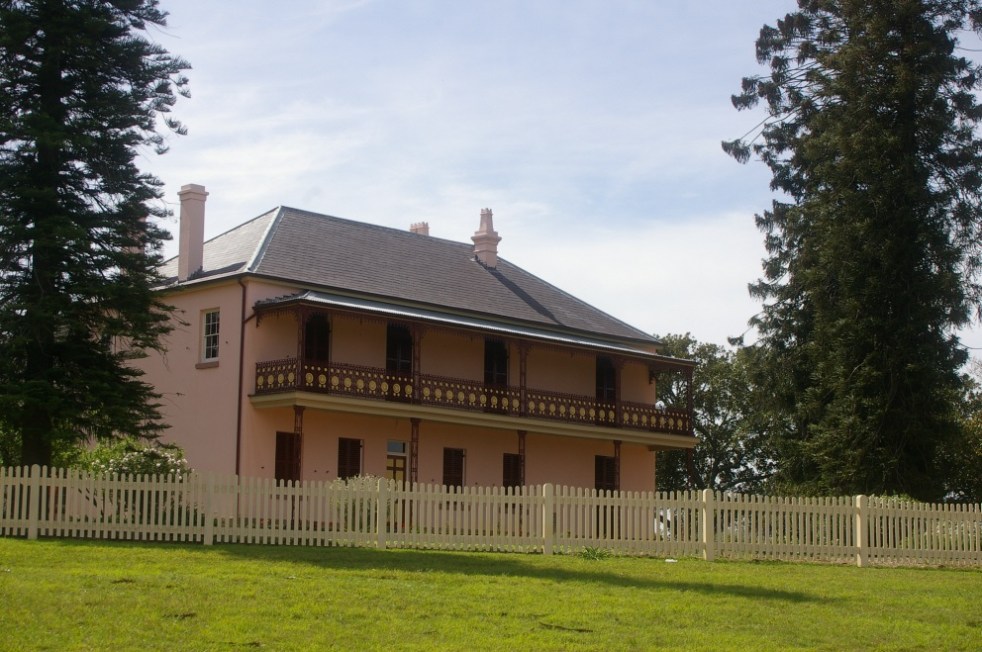
Bella Vista Farm is an early part of the Macarthur family pastoral empire and an important site in the history of colonial NSW.

Adaptive Re-use · Aesthetics · Agricultural heritage · Agriculture · Architecture · Attachment to place · Australia · Australian Historic Themes · Camden Story · Colonial Camden · Colonial frontier · Colonialism · Community identity · Conservation · Convicts · Cultural Heritage · Cultural icon · Elizabeth Farm · Elizabeth Macarthur · England · Families · Family history · Gardening · Georgian · Heritage · Historical consciousness · Historical Research · Historical thinking · History · History of a house · House history · Landscape · Landscape aesthetics · Living History · Local History · Macarthur · Memory · Parramatta · Place making · Sense of place · Settler colonialism · Settler Society · Storytelling · Victorian · Women's history

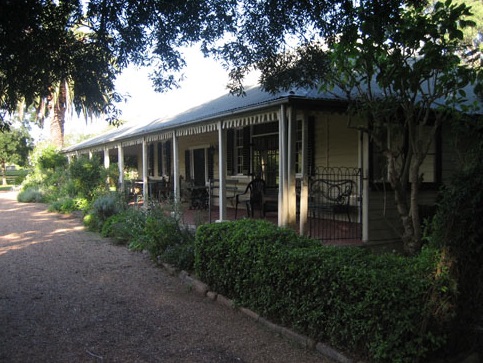
Elizabeth Farm, the foundation story of the Macarthur rural empire

Elizabeth Farm was the home of John and Elizabeth Macarthur for over 35 years, playing a central role in Australia's wool industry. Following years of neglect, it was transformed into a house museum in 1984. With extensive gardens and historical significance, it stands as one of the oldest surviving constructions in Australia.

Agriculture · Attachment to place · Australia · British colonialism · Colonial frontier · Colonialism · Community identity · Convicts · Cowpastures · Cultural Heritage · Denbigh · Economy · Elderslie · England · Farming · Gothic · Heritage · Historical consciousness · Historical Research · Historical thinking · History · Living History · Local History · Local Studies · Macarthur · Memory · Place making · Radical history · Sense of place · Settler colonialism · Storytelling

Convicts in the Cowpastures, an untold story

The convicts in the Cowpastures is an untold story of the colonial settler society of early New South Wales.

Architecture · Art · Attachment to place · Australia · Catherine Fields · Community identity · Cultural Heritage · Cultural icon · Entertainment · Fashion · Festivals · Heritage · History · Holidays · Leisure · Local History · Lost Sydney · Macarthur · Memory · Modernism · Music · Myths · Place making · Retailing · Sense of place · Sydney · Sydney's rural-urban fringe · Theme Parks · Tourism

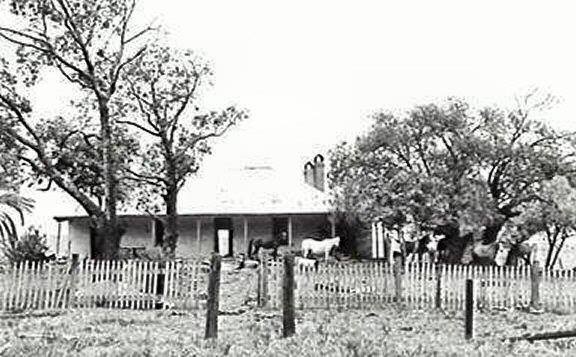
El Caballo Blanco, A Forgotten Past

El Caballo Blanco was a horse show and theme park located at Catherine Fields on Sydney rural-urban fringe

Appin · Architecture · Attachment to place · Australia · British colonialism · Campbelltown · Colonial frontier · Colonialism · Communications · Community identity · Cowpastures · Cultural Heritage · Cultural icon · Curtilage · Dairying · Farming · Frontier violence · Governor Macquarie · Heritage · Historical consciousness · Historical Research · Historical thinking · History · Landscape aesthetics · Local History · Local Studies · Macarthur · Monuments · Place making · Ruralism · Sense of place · Settler colonialism · Sydney's rural-urban fringe · Town planning · Transport · Urban growth · Urban Planning · urban sprawl · Urbanism · Victorian

Beulah and Sydney’s Urban Sprawl

Beulah estate, Sydney's urban sprawl and the Appin Road

Attachment to place · Australia · British colonialism · Camden · Camden District · Camden Park House and Garden · Camden Show · Camden Story · Community identity · Cultural and Heritage Tourism · Cultural Heritage · Edwardian · England · First World War · Gilbulla · Heritage · Historical consciousness · Historical Research · Historical thinking · History · Interwar · Landscape aesthetics · Local History · Local newspapers · Macarthur · Menangle · Modernism · Newspaper history · Newspapers · Place making · Placemaking · Railway · Royal Tours · Sense of place · Social History · Tourism · War

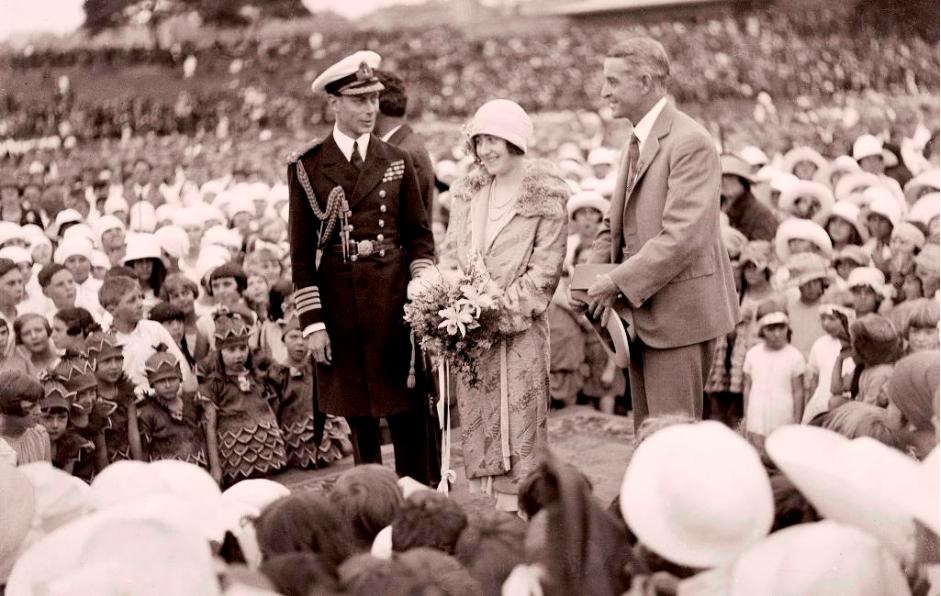
Menangle ‘Little England’ says Duchess of York

In 1927, the Duke and Duchess of York visited Menangle and Camden Park as part of their Australian royal tour. They were guests at the Camden Park house and enjoyed activities such as horse riding and attending the Camden Show. The visit received extensive coverage in newspapers across Australia, highlighting the English countryside-like environment.

Attachment to place · Australia · Camden · Community identity · Cultural Heritage · Cultural icon · Family history · Heritage · Historical consciousness · Historical Research · Historical thinking · History · History of a house · History theory and practice · House history · Living History · Local History · Local Studies · Media History · Medical history · Motoring History · Moveable Heritage · Place making · Sense of place · Storytelling · Women's history

History is nice, but…

The value of history is more important now than almost at any other time in the past.

Anzac · Attachment to place · Australia · Community identity · Heritage · Historical consciousness · Historical Research · Historical thinking · History · Local History · Myths · Narellan · Narellan Military Camp · Place making · Second World War · Sense of place · Technology · War

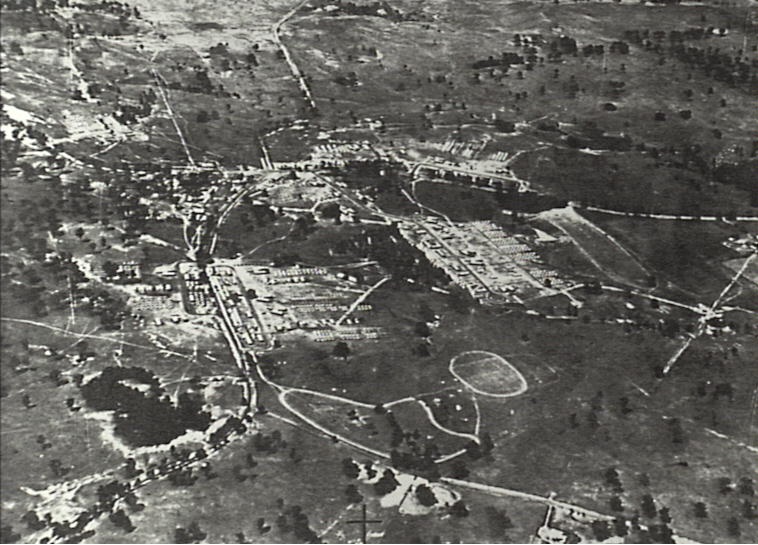
The army in camp at Narellan in WW2

The Narellan Military Camp was an important part of the story of wartime Camden during the Second World War.

Anzac · Attachment to place · Australia · Historical consciousness · Historical Research · Historical thinking · History · Local History · Narellan · Narellan Military Camp · Second World War · Sense of place · War

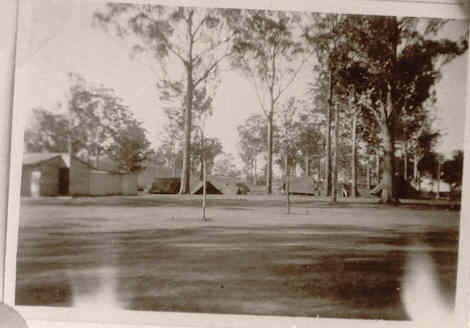
The army arrives at Narellan

The Second World War arrived at Narellan with the establishment of the military camp on Cobbitty Road.

Aesthetics · Agriculture · Attachment to place · Australia · Belonging · British colonialism · Colonial Camden · Colonial frontier · Colonialism · Community identity · Convicts · Cowpastures · Cultural Heritage · Cultural icon · Curtilage · Economy · Elderslie · England · Farming · Frontier violence · Georgian · Gothic · Heritage · Historical consciousness · Historical Research · Historical thinking · History · Landscape · Landscape aesthetics · Local History · Local Studies · Macarthur · Narellan · Place making · Ruralism · Sense of place · Settler colonialism · Storytelling · Stuart Park Wollongong

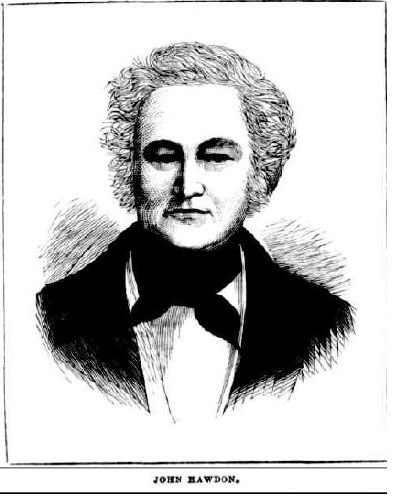
John Hawdon of Elderslie in a settler society

John Hawdon of Elderslie was part of the story of settler colonialism in New South Wales in the early 19th century.