Aesthetics · Agriculture · Attachment to place · Australia · Australian Historic Themes · Belonging · Camden · Camden Town Farm · Colonial Camden · Community identity · Cowpastures · Cultural Heritage · Cultural icon · Dairying · Dharawal · Economy · Education · Farming · Heritage · Historical consciousness · Historical Research · Historical thinking · History · Landscape · Landscape aesthetics · Leisure · Lifestyle · Living History · Local History · Local Studies · Macarthur · Nepean River · Place making · Recreation · Ruralism · Sense of place · Settler colonialism · Storytelling · Tourism

The Llewella Davies Memorial Walkway, a walk in the meadows of the past

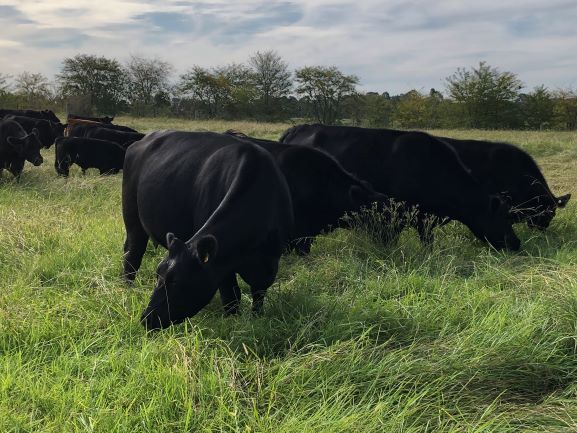
The Camden Town Farm Miss Llewella Davies Pioneers Walkway opened in 2020 in the former colonial landscape of the Cowpastures. The area was part of the original grants that made up the Macarthur family's Camden Park Estate and in pre-European times the country of the Dharawal people.

Adaptive Re-use · Architecture · Attachment to place · Australia · Belonging · British colonialism · Camden · Camden Historical Society · Colonial Camden · Colonial frontier · Colonialism · Community identity · Convicts · Cultural Heritage · Cultural icon · Elderslie · England · Farming · Georgian · Governor Macquarie · Heritage · Historical consciousness · History · History of a house · House history · Landscape · Living History · Local History · Local Studies · Macarthur · Memorials · Memory · Myths · Place making · Sense of place · Settler colonialism · Storytelling · Tourism · Travel

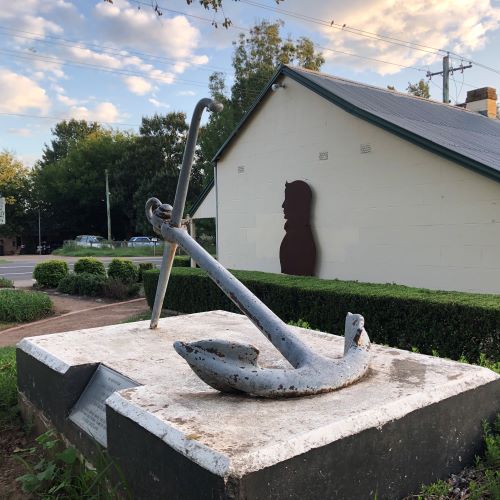
John Oxley’s anchor lost for 34 years

New evidence has emerged challenging previous conclusions about the John Oxley Memorial anchor in Camden. The anchor, a memorial from the British naval authorities, was lost for 34 years before being relocated for public access. John Oxley, an important colonial figure, has multiple commemorations in New South Wales related to his historical significance.

Attachment to place · Australia · Belonging · Community identity · Cultural Heritage · Cultural icon · Families · Family history · Heritage · Historical consciousness · Historical Research · Historical thinking · History · Holidays · Landscape · Landscape aesthetics · Leisure · Lifestyle · Living History · Local History · Local Studies · Macarthur · Memory · Picton · Place making · Ruralism · Sense of place · Storytelling · Sydney · Thirlmere Lakes

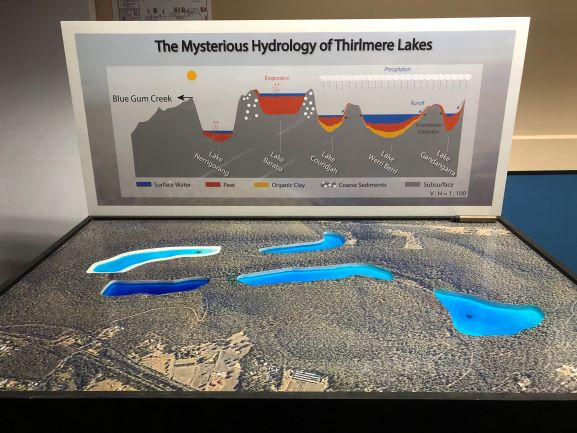
Reflections on the Thirlmere Lakes Science Information Day

The Thirlmere Lakes Science Information Day was held at Picton Bowling Club in February 2020 with the presence of researcher, decision makers and community members.

Adaptive Re-use · Architecture · Attachment to place · Australia · Belonging · Camden · Community identity · Cultural Heritage · Cultural icon · Eastern Command Training School, Narellan, NSW · Heritage · Historical consciousness · Historical Research · Historical thinking · History · Living History · Local History · Local Studies · Macarthur · Memory · Military history · Narellan · Place making · Ruralism · Second World War · Sense of place · Storytelling · Sydney · War · War at home

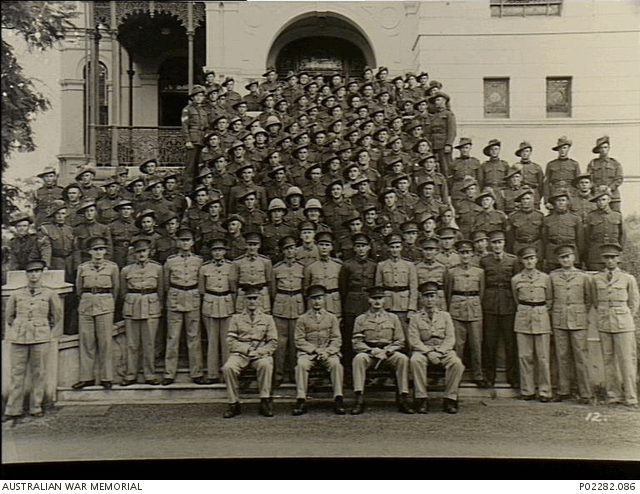
Exploring Studley Park’s Role in Army Training 1939-1945

Studley Park in Narellan, NSW, served as a military training facility for the Australian Army Service Corps during World War II. It was leased by the Department of Defence in 1939 then purchased from its pre-war owners. Post-war, it transitioned into civilian use, notably becoming a golf club.

1920s · Attachment to place · Australia · Belonging · Burragorang Valley · Camden · Colonial Camden · Community identity · Cultural Heritage · Cultural icon · Dairying · Economy · Farming · First World War · Heritage · Historical consciousness · Historical Research · Historical thinking · History · House history · Landscape · Lifestyle · Living History · Local History · Local newspapers · Local Studies · Macarthur · Memory · Modernism · Myths · Newspapers · Place making · Ruralism · Second World War · Sense of place · Storytelling · Sydney's rural-urban fringe · Tourism · Travel · Urban growth · Urban Planning · urban sprawl · Urbanism · War · War at home · Women's history

The Camden district in 1939

The 1939 Camden district concept was developed in the 1990s by UOW historian Dr Ian Willis as part of his research on the effect of the Second World War on Camden township.

Anzac · Attachment to place · Australia · Camden · Community identity · Cultural Heritage · Cultural icon · First World War · Heritage · Historical consciousness · Historical Research · Historical thinking · History · Living History · Local History · Local Studies · Macarthur · Memory · Myths · Place making · Red Cross · Second World War · Sense of place · Storytelling · War · War at home · Women's history · Women's Writing

How The War Workers’ Gazette Documented Civilian Contributions

The War Workers' Gazette, edited by Eleanor Mackinnon and Constance Sly in 1918, documents thousands of volunteers in New South Wales who supported the First World War. Initially a fundraiser, it serves as a vital historical resource despite shortcomings, capturing the organized civilian effort and preserving the names of participants for future generations.

Anzac · Attachment to place · Belonging · Camden · Camden Museum · Community Health · Community identity · Convalescent Home · Convalescent hospital · Cultural Heritage · Cultural icon · Edwardian · First World War · Gender · Heritage · Historical consciousness · Historical Research · History · Interwar · Lifestyle · Living History · Local History · Local Studies · Macarthur · Memory · Menangle Army Camp · Modernism · Moveable Heritage · Myths · Narellan Military Camp · Newspapers · Nursing · Philanthropy · Place making · Red Cross · Ruralism · Second World War · Sense of place · Stereotypes · Storytelling · Trust · Victorian · Volunteering · War · War at home · Women's diaries · Women's history · Women's Writing

Crisis relief in wartime and the peace

Crisis relief in wartime and the peace from the Camden and district Red Cross volunteers

Attachment to place · Camden Park House and Garden · Colonial Camden · Community identity · Country Women's Association · Cultural Heritage · CWA · Edwardian · First World War · Gender · Heritage · Historical consciousness · History · Interwar · Local History · Local Studies · Macarthur · Memory · Menangle · Modernism · Movies · Myths · Philanthropy · Place making · Red Cross · Second World War · Sense of place · Settler colonialism · Stereotypes · Storytelling · TV Series Shows · Volunteering · Volunteerism · War · War at home · Women's diaries · Women's history · Women's Writing

Formidable women from the past

Formidable women from the past in the country town of Camden NSW

1920s · Adaptive Re-use · Aesthetics · Architecture · Attachment to place · Belonging · Business · Camden · Colonial Camden · Colonialism · Community identity · Cultural Heritage · Cultural icon · Economy · Edwardian · Elderslie · Fashion · First World War · Heritage · Historical consciousness · Historical Research · History · Interwar · Lifestyle · Living History · Local History · Local Studies · Macarthur · Memory · Modernism · Myths · Narellan · Place making · Ruralism · Sense of place · Storytelling · Streetscapes · Tourism · Urban growth · Urban Planning · Urbanism · Victorian · War

The Camden cottage

The Camden cottage is an Edwardian housing style typical of the early 20th century.

Adaptive Re-use · Aesthetics · Architecture · Art · Attachment to place · Belonging · Camden · Camden Show · Community identity · Cultural Heritage · Cultural icon · Economy · Farming · Festivals · Heritage · Historical consciousness · Historical Research · Historical thinking · History · Interwar · Leisure · Lifestyle · Living History · Local History · Local Studies · Macarthur · Memorials · Memory · Modernism · Monuments · Myths · Parks · Place making · Public art · Ruralism · Sense of place · Storytelling · Streetscapes · Theatre · Tourism · Urbanism · War

Aaron Bolot, a Sydney architect, and Camden’s Interwar heritage

Sydney architect Aaron Bolot designed the extension to the Camden agricultural hall. This building was one of many that were built in Camden during the Intewar period.