20th century · Anzac · Art · Attachment to place · Belonging · Camden Story · Craft · Crafts · Cultural Heritage · Cultural icon · Cultural plantings · Design · Family history · Festivals · History · History of Emotion · Living History · Local History · Local Studies · localism · Memorial · Memorialisation · Memorials · Memory · Metaphor · Military history · Modernism · Monuments · Patriotism · Place making · Propaganda · Second World War · Sense of place · Sewing · Stereotypes · Storytelling · Symbolism · Uncategorized · Volunteering · Volunteerism · War · War at home · Wartime · Women's diaries · Women's history · World War One

Red Flanders poppies, a field of memories

The red poppy carries a lot of symbolism in cultural mythologies from remembrance to sacrifices. The simple flower triggers outpouring of emotion, memories and commemorations on Anzac Day and Remembrance Day every year.

1920s · 1930s · Architecture · Attachment to place · Built heritag · Business History · Collective Memory · Community Health · Cultural Heritage · Design · Edwardian · Film · Foresters Hall (former) · Heritage · History · Interwar · Leisure · Living History · Local History · Local Studies · Memory · Modernism · Movies · Narellan Military Camp · Placemaking · Second World War

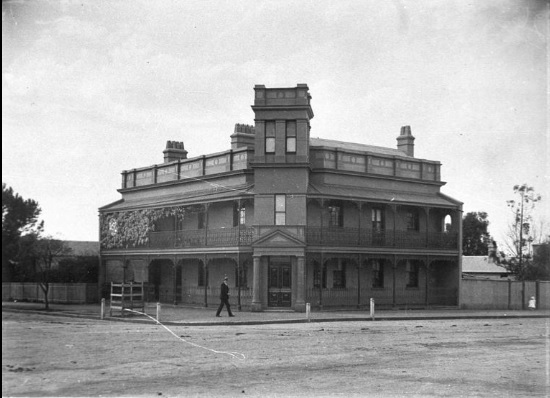
The former Foresters’ Hall, a marvellous Edwardian building

In Camden NSW the former Foresters’ Hall occupies one of the most prominent sites in the Town Centre on Oxley Street and Argyle Street at 147 Argyle Street. On its opening in 1908, the hall was considered the best in New South Wales by the Order of Royal Foresters.

1920s · 1930s · 1932 · 20th century · Adaptive Re-use · Aesthetics · Architecture · Argyle Street · Attachment to place · Belonging · Built heritag · Business History · Camden Story · Camden Town Centre · Collective Memory · Colonial Camden · Community identity · Cultural Heritage · Cultural icon · Design · Economy · Governor Macquarie · Historical consciousness · History · Interwar · Local History · Local Studies · localism · Macarthur region · Mid-century modernism · Modernism · Place making · Placemaking · Sense of place · Storytelling · Streetscapes · Town planning · Uncategorized · Urban growth · Urban history · Urbanism

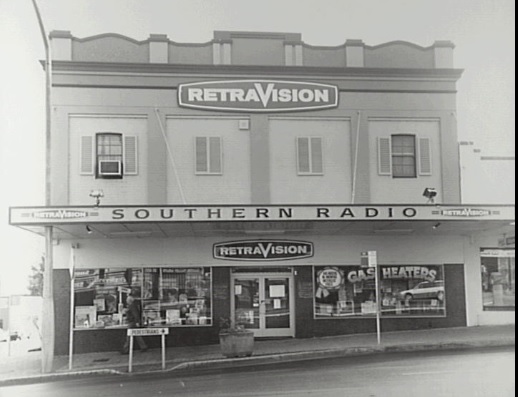
 The former Bank of New South Wales building in the country town of Camden

In central Camden is an empty bank building of understated significance at the intersection of John and Argyle Streets. This building was the premises of Westpac, formerly the Bank of New South Wales, and was the second banking chamber on that site. Constructed in the 1930s by a prominent firm of local builders and designed by one of Sydney’s top award-winning architects. It is a building of much architectural merit, and few know its history. 

Attachment to place · Belonging · Cultural Heritage · Dress history · Family history · Historical consciousness · Historical Research · Historical thinking · Historiography · History · History of a house · History theory and practice · House history · Living History · Local History · Local Studies · Media History · Medical history · Memory · Military history · Modernism · Music history · NSW History K-10 Syllabus · Place making · Placemaking · Schools · Sense of place · Storytelling · Women's history

We need new ways to tell stories of the past

We need new ways to tell local stories in the face of fake news, the search for 'the truth' and a host of conspiracy theories. Stories about our past need to based on evidence from a range of credible sources. There is a need to be a historical detective.

Art · Attachment to place · Belonging · Camden · Colonial Camden · Colonial frontier · Colonialism · Convicts · Cowpastures · Cultural Heritage · Cultural icon · England · Farming · Heritage · Historical consciousness · Historical Research · Historical thinking · History · Interwar · Landscape aesthetics · Lifestyle · Living History · Local History · Local newspapers · Local Studies · Macarthur · Memorials · Memory · Modernism · Monuments · Myths · Newspapers · Place making · Ruralism · Sense of place · Settler colonialism · Stereotypes · Streetscapes · Sydney's rural-urban fringe · Tourism · Urban growth · urban sprawl · Urbanism · War · Women's history

Making Camden History

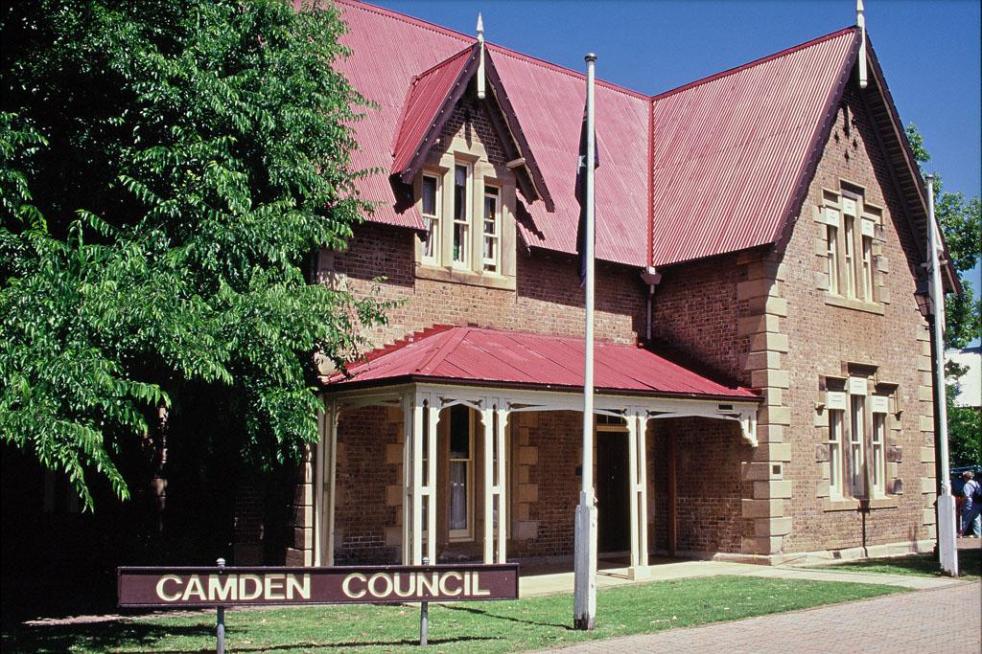
Making Camden History tells the story of how the history of the Camden District has been written from the 19th century. It is the history of the history of the local area.

Architecture · Art · Attachment to place · Belonging · Churches · Cultural Heritage · Education · Heritage · History · Leppington · Local History · Local Studies · Memorial · Memorials · Memory · Modernism · Place making · Sculpture · Town planning · Uncategorized · welfare

Sir John Sulman Medal for Architectural Excellence in 1963 awarded for a local example of mid-century modernism

Bell Tower Park in Leppington is dedicated to the memory of the St Andrews Boys Home that was located on the site. There is a replica bell tower and a number of sculptures of young boys in the park.

Architecture · Attachment to place · Camden · Communications · Cowpastures · Cultural Heritage · Cultural icon · Economy · Elderslie · Floods · Heritage · Historical consciousness · Historical Research · Historical thinking · History · Landscape · Living History · Local History · Local Studies · Macarthur · Memorials · Memory · Modernism · Monuments · Nepean River · Place making · Sense of place · Storytelling · Tourism · Transport · Travel · Urban growth · Urban Planning · urban sprawl · Urbanism · Utilities

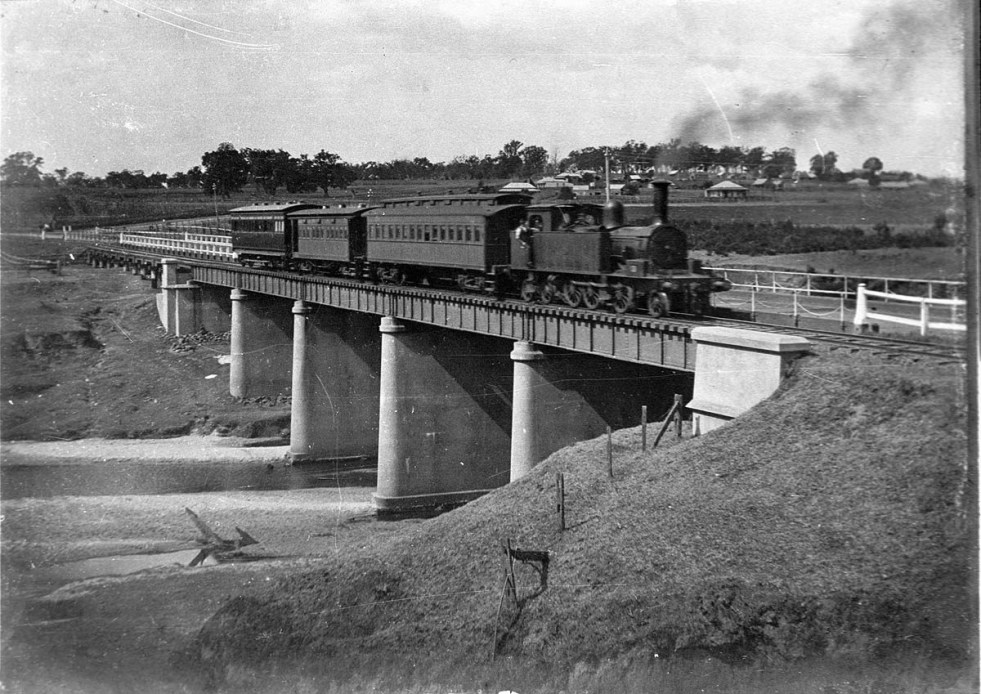
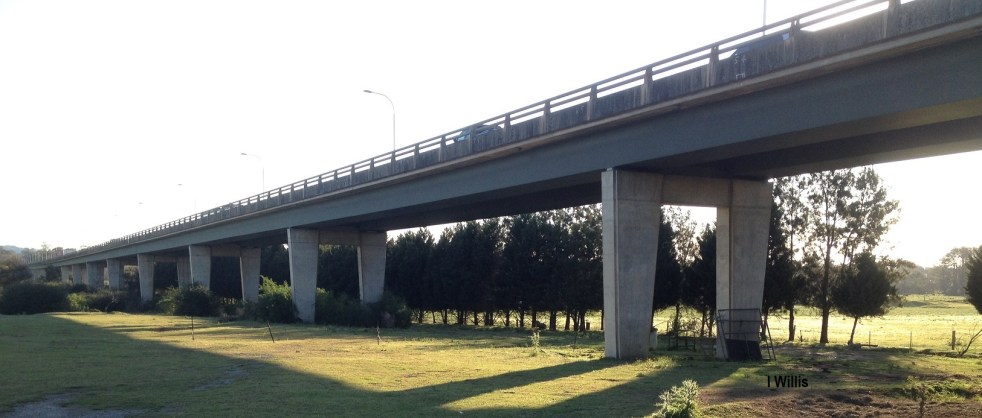
Macarthur Bridge

The Macarthur Bridge across the Nepean River at Camden NSW is an important engineering heritage item.

Adaptive Re-use · Architecture · Attachment to place · Camden · Camden Cottage · Campbelltown Modernism · Cultural Heritage · Cultural icon · Edwardian · Heritage · Historical Research · History · History of a house · House history · Housing · Living History · Local History · Local Studies · Macarthur · Modernism · Place making · Storytelling · Streetscapes · Urbanism

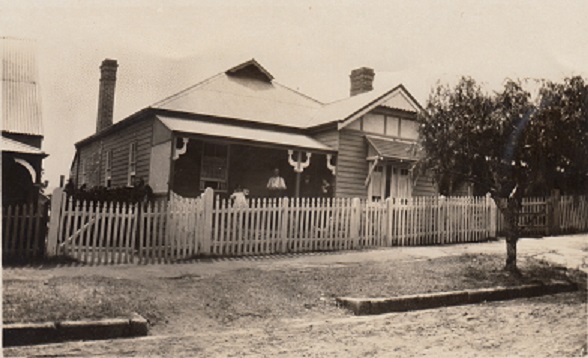
Camden Edwardian Cottages

Camden has quite a number of Edwardian cottages in the town area, on surrounding farms and in local district villages. They are typical of the early twentieth century landscape in the local district. These have been called the Camden Cottage.

Agricultural heritage · Agriculture · Attachment to place · Camden Show · Cultural Heritage · Heritage · History · Lifestyle · Living History · Local History · Local Studies · Macarthur · Miss Showgirl · Modernism · Myths · Pageant · Ruralism · Sense of place · Showgirl competition · Stereotypes · Storytelling · Uncategorized · Volunteering · Volunteerism · Women's history

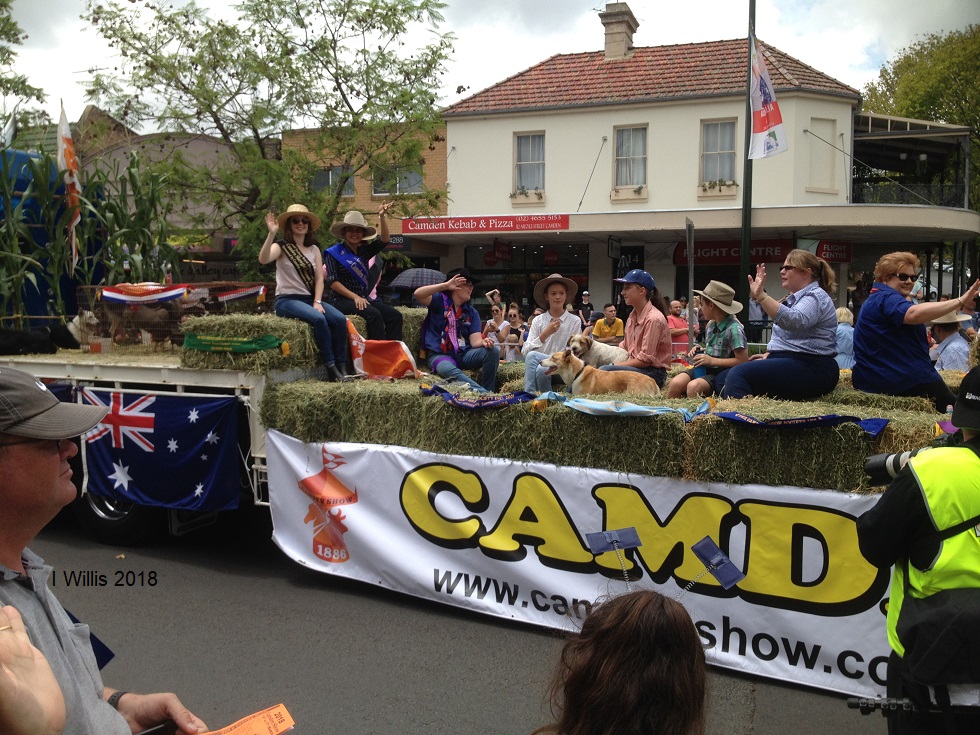
Camden Showgirl, the enduring appeal of a rural pageant

The Showgirl competition (formerly Miss Showgirl) is a complex mix of paradoxes and apparent contradictions reflecting many aspects of rural life. The pageant is an exercise in women's agency with differing representations of womanhood.

1920s · Architecture · Attachment to place · Camden Park House and Garden · Camden Story · Carpentry · Colonial Camden · Colonial frontier · Colonialism · Cowpastures · Craft · Cultural Heritage · Cultural icon · Economy · Engineering Heritage · Farming · Heritage · History · Industrial Heritage · Lifestyle · Local History · Local Studies · Lost trades · Memory · Modernism · Pioneers · Place making · Ruralism · Sense of place · Settler colonialism · Stereotypes · Storytelling · Traditional Trades

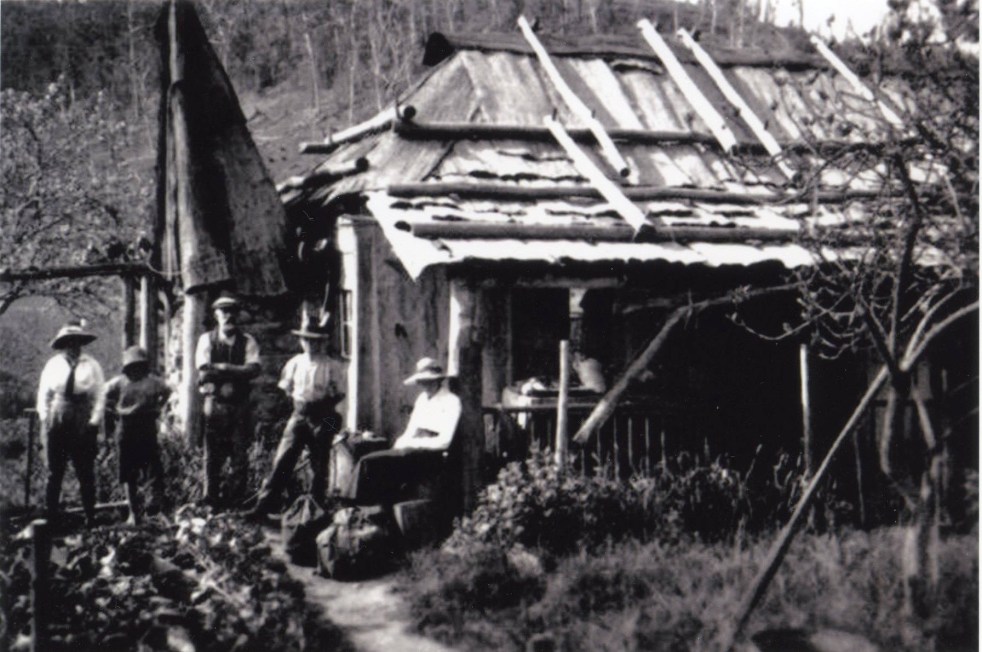
Traditional trades, the legacy of Camden’s carpenters

Carpentry, vital in Camden for centuries, began with Aboriginal bush carpentry using local materials for survival. European settlers adopted this craft, creating simple structures and relying on ingenuity. Formal carpentry evolved with guilds and apprenticeships, maintaining traditional techniques and tools, shaping Camden's architectural landscape with lasting quality.