Aesthetics · Art · Artists · Artworks · Belonging · Camden Council · Camden Story · Community identity · Cultural and Heritage Tourism · Design · Heritage · Landscape · Lifestyle · Local Studies · Oran Park · Oran Park Leisure Centre · Oran Park Library · Place · Place making · Placemaking · Public art · Sculpture · Sense of place · Stories · Storytelling · Uncategorized · Urbanism

Exploring Greg Johns’s public art installation outside the Oran Park Leisure Centre

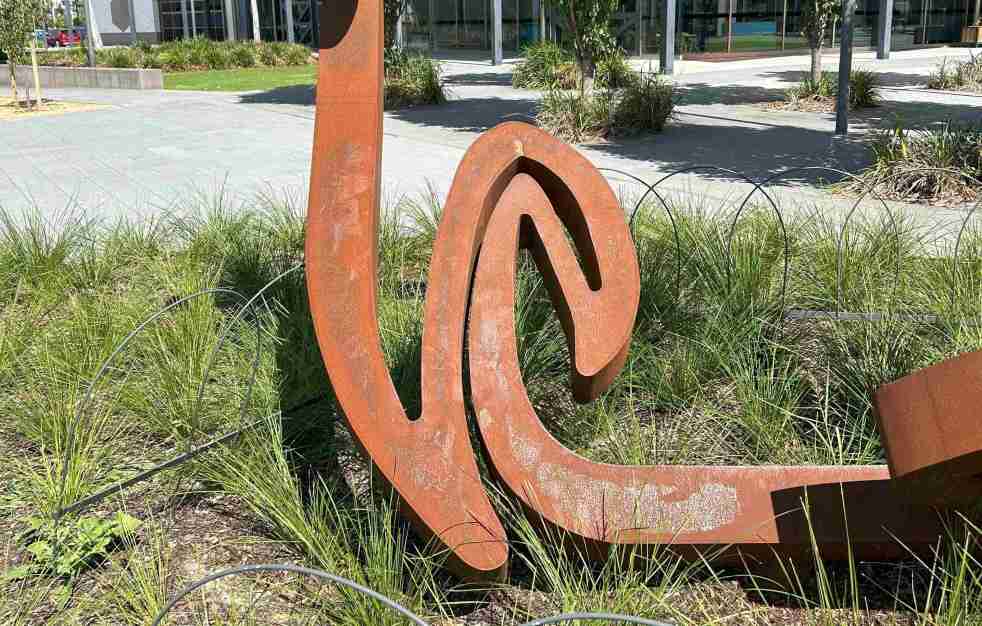
At the front of the Oran Park Leisure Centre is Greg Johns' art installation, Vortex Mandala, which was inaugurated on 21 October 2024. This public artwork reflects swirling patterns symbolizing energy flow and consciousness. Johns, influenced by the Adelaide Hills, aims to create significant public sculptures that engage viewers and enhance the local environment.

Aesthetics · Architecture · Attachment to place · Australian History · Built heritag · Built Heritage · Camden Built Heritage · Camden Modernism · Camden Story · Community identity · Country town · Cultural Heritage · Domestic Architecture · Elderslie · Heritage · History of a building · History of a house · Hope and loss · House history · Housing · Housing styles · Landscape · Landscape aesthetics · Living History · Lost Camden · Mid-century modernism · Modernism · Narellan · Nostalgia · Place making · Placemaking · Small town · Stories · Storytelling · Uncategorized · Urban development · Urban growth · Urban history · Urban Planning · Urbanism

A Journey Through Camden’s Mid-Century Housing Architecture

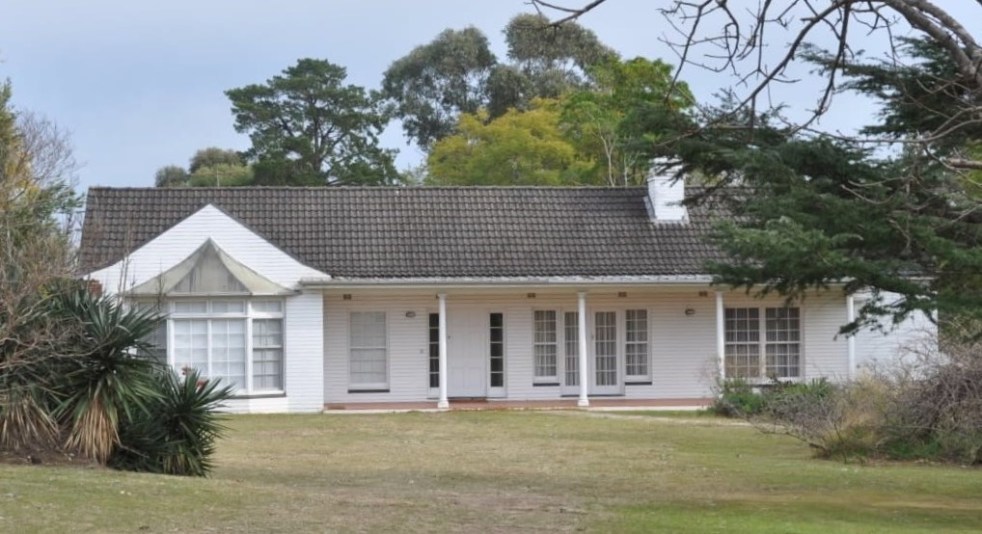
Camden's mid-century housing, developed between the 1940s and 1970s, reflects a worldwide modernism movement. Characterized by simple lines and open spaces, these homes arose amid urban growth linked to the new jobs created by the Burragorang coalfields. Unfortunately, many of these historic structures are disappearing, necessitating greater recognition and appreciation of their significance.

19th Century · 20th century · Aesthetics · Art · Artists · Artworks · Attachment to place · Burragorang Valley · Business History · Camden District · Commemoration · Cultural Heritage · Engineering Heritage · Engineering History · Local History · Local Studies · Memorials · Memory · Mining · Mining History · Monuments · Oran Park · Oran Park Raceway · Place making · Placemaking · Public art · Sense of place · Stories · Storytelling · Teamsters · Town planning · Transport · transport history · Uncategorized · Urban development · Urban growth · Urban history · Urban Planning · urban sprawl · Urbanism

Exploring the ‘Infinity Tracks’ Art Installation in Oran Park

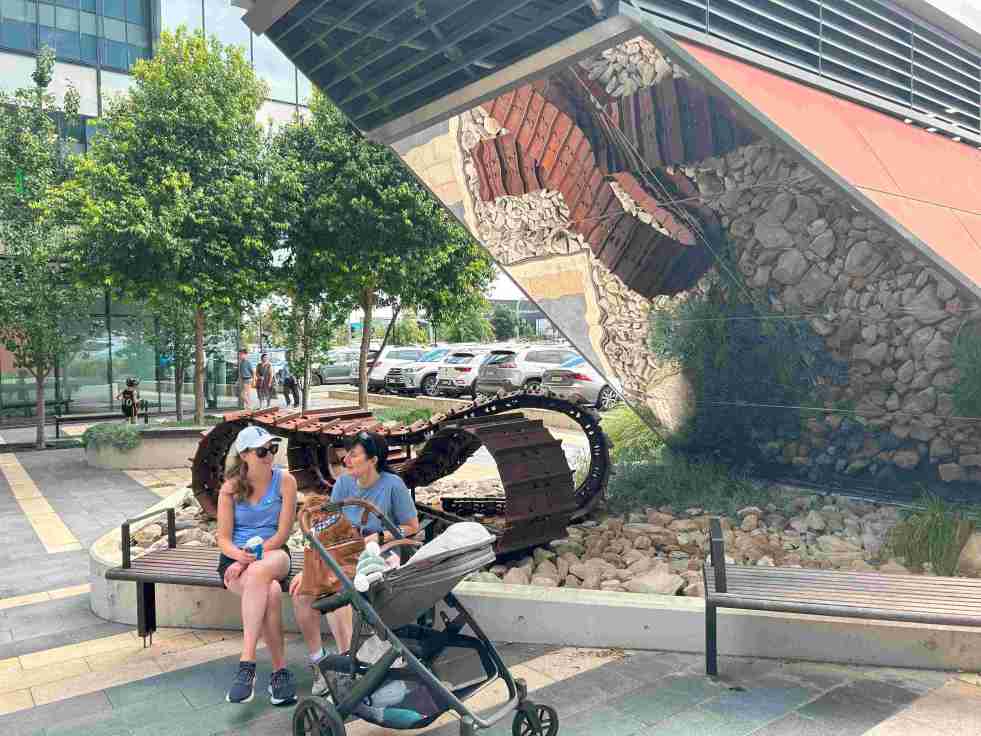
The 'Infinity Tracks' art installation in Oran Park honors the region's heavy haulage industry, highlighting the historical impact of the transport industry and Oran Park Town urban development. Commissioned in 2020 by Greenfields Development Co and TRN House, it enhances the forecourt's aesthetic while reflecting the area's economic growth and employment contributions from the haulage sector and urban development.

Anniversary Day · Anzac · Australia · Australia Day · Australian Red Cross · British Red Cross · Camden Red Cross · Cultural Heritage · First World War · Grief · Military history · Myths · Nationalism · Patriotism · Place making · Red Cross · Red Cross Humanitarianism · Red Cross Movement · Sense of place · Stories · Storytelling · Trauma · Uncategorized · Volunteering · Volunteerism · War · War at home · Wartime · Women's agency · Women's history · Women's stories · World War One

The Untold Woman’s Contribution to Australia Day

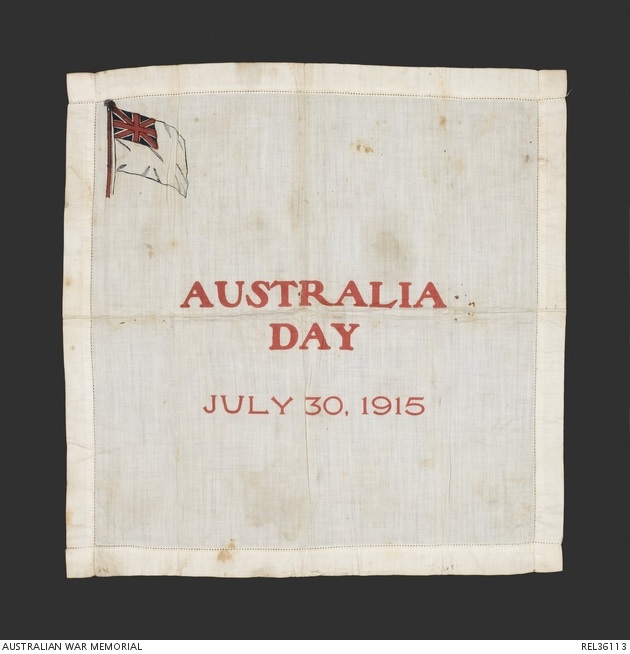
Australian women played a crucial role in the first Australia Day on July 30, 1915, which aimed to support sick and wounded soldiers from World War I. Originally suggested by Ellen Wharton-Kirke, the day centered on fundraising for the Red Cross. Women's contributions towards Australia Day remain overlooked in historical narratives surrounding Australia Day and the Anzac story.

Australia · Australia Day · Australian History · Book · Camden Country Town Idyll · Camden Story · Community identity · Cultural and Heritage Tourism · Cultural Heritage · Dr Crookston · Guesthouse · Historical consciousness · Historical Research · Historical thinking · Local Studies · Memory · Nostalgia · Place making · Placemaking · Propaganda · Sense of place · Stereotypes · Stories · Storytelling · Symbolism · Tourism · Uncategorized

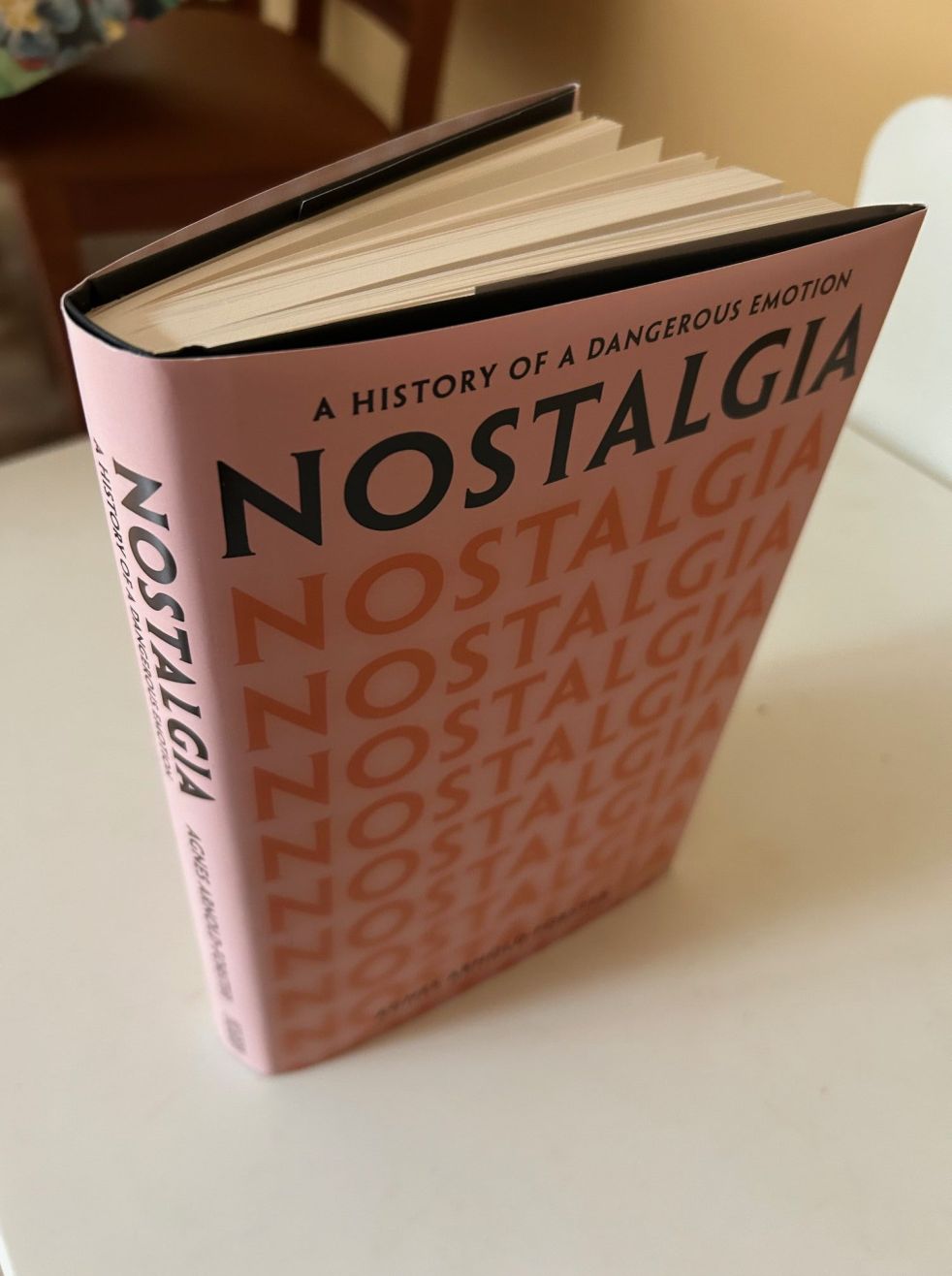
Exploring nostalgia, more than a rear vision view of the world

Agnes Arnold-Forster's "Nostalgia: A History of a Dangerous Emotion" explores the multifaceted nature of nostalgia, reflecting societal anxieties and its weaponization by politicians. The book illustrates nostalgia's importance in contemporary culture, as seen in varying contexts like music and Australia Day debates, while offering a historical perspective on its evolution and impact.

19th Century · Australian History · British colonialism · British Heritage · Camden Built Heritage · Camden Cottage Hospital · Camden Story · Camden Town Centre · Colonialism · Community building · Community Health · Community identity · Country town · Health and Medical History · Health History · Heritage · History of a house · Local History · Nursing · Place making · Sense of place · Small communities · Small town · Social History · Stories · Storytelling · Uncategorized · Village

Camden Cottage Hospital – early English influences and the cottage hospital movement

The Camden Cottage Hospital, inspired by the English cottage hospital movement, was established in 1899 in New South Wales. This model provided the community with a small, welcoming healthcare facility, funded by donations and subscriptions. Over time, cottage hospitals became integral to the healthcare landscape in rural Australia, adapting local characteristics.

20th century · Alan Baker Art Gallery Camden NSW · Architectural History · Art · Artists · Artworks · Camden · Community identity · Cultural and Heritage Tourism · History of a building · Living History · Sense of place · Stories · Storytelling · Uncategorized · Women's art

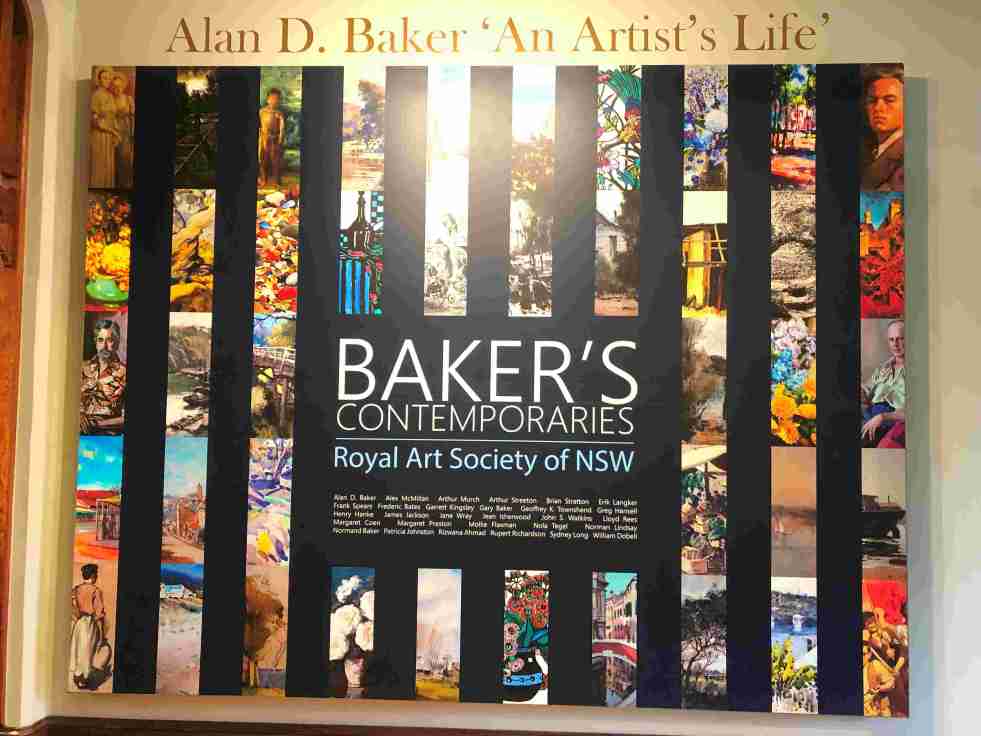
Baker’s Contemporaries: A New Art Exhibition in Camden

The Alan Baker Art Gallery opened its exhibition ‘Baker’s Contemporaries Royal Art Society of NSW’ on December 6, showcasing significant artworks from the 20th century by notable Australian artists. The event featured speeches, local entertainment, and highlighted the historical Macaria building, representing its evolution from a residence to an art gallery. Entry is free until May 2025.

19th Century · Adaptive Re-use · Adaptive Reuse · Architecture · Attachment to place · Australian History · Built Heritage · Camden · Camden Built Heritage · Camden John Street · Camden Story · Camden Town Centre · Community identity · Cultural and Heritage Tourism · Cultural Heritage · Domestic Architecture · Dr Crookston · Economy · History of a house · House history · Housing · Housing styles · Local History · Local Studies · Macarthur family · Place making · Placemaking · Residential Housing Style · Sense of place · Stories · Storytelling · Tourism · Uncategorized

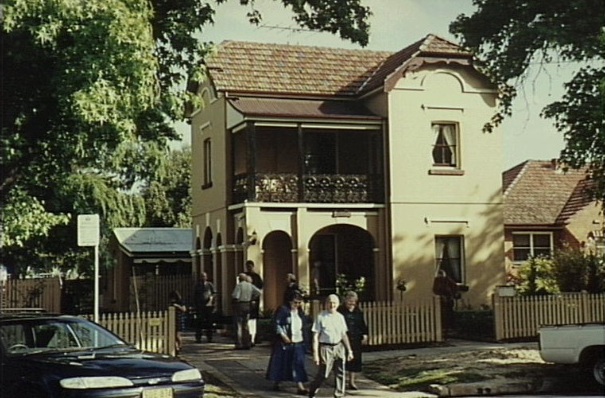
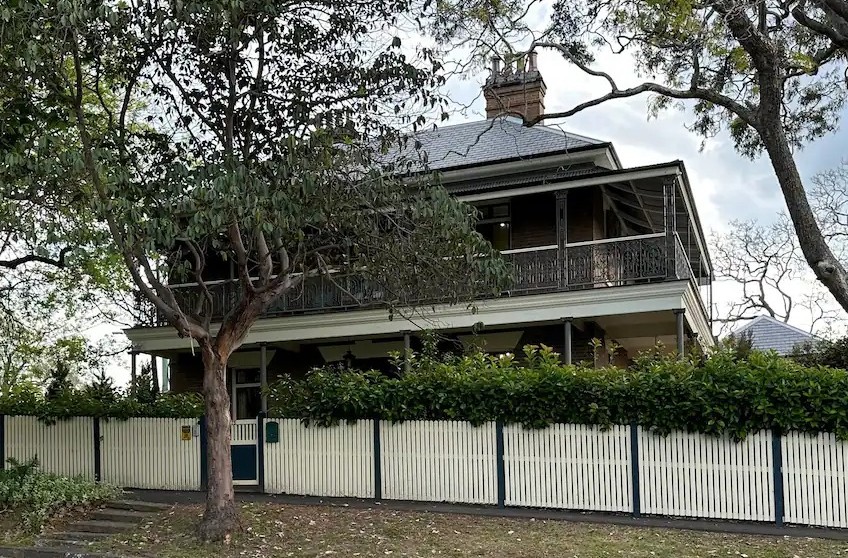
Dr Crookston’s Estate: A New Chapter in Camden’s Heritage

Dr Crookston's house and garden in Camden has been revitalized into an entertainment venue, preserving its rich history. New owners Shane and Rhiannon Smith manage this adaptive reuse, offering various activities that enhance heritage tourism. The estate now fosters local pride while contributing to economic growth, transforming the once-closed site into a vibrant community asset.

Alan Baker Art Gallery Camden NSW · Attachment to place · Belonging · Built heritag · Built Heritage · Camden · Camden Library · Camden Story · Churches · Community celebrations · Community Engagement · Community identity · Cultural Heritage · Festivals · Heritage · Historical consciousness · Historical thinking · History · Johm Macarthur · Macarthur family · Memorialisation · Memorials · Memory · Place · Place making · Placemaking · Public art · Sense of place · Stories · Storytelling · Street Art · Uncategorized · Village

Revitalizing John Street: A Vision for Community Placemaking

The proposal advocates for transforming John Street in Camden into an Italian-style piazza, enhancing community bonding and social capital. By activating and enhancing various existing and under-utilised elements this revitalized space could foster deeper connections among residents and serve as a vibrant, meaningful heart for the town.

19th Century · 20th century · Aesthetics · Architectural History · Architecture · Art · Artists · Artworks · Book · Built Heritage · Colonial Architecture · Colonial Australia · Colonial Camden · Colonial frontier · Colonial garden · Community identity · Cowpastures · Cowpastures district · Cowpastures Gentry · Cowpastures Region · Cultural Heritage · Gardening · Georgian · Heritage · History · House history · Housing styles · Interwar · Landscape aesthetics · Local History · Local Studies · Narellan Built Heritage · Place making · Placemaking · Regionalism · Residential Housing Style · Sense of place · Settler colonialism · Settler Society · Storytelling · Uncategorized · Victorian · William Hardy Wilson

Unveiling Hardy Wilson’s architectural legacy and his influence on Camden’s aesthetics

William Hardy Wilson, a largely unrecognized architect and artist, authored The Cow Pasture Road in 1920, impacting Camden's cultural narrative. His work celebrates colonial architecture and aesthetics, leading to a recent exhibition at the University of Sydney Library, which explores his dual legacy as both a visionary artist and controversial figure in Australian history.