British colonialism · Camden Museum · Colonial Camden · Colonialism · Community identity · Convicts · Cultural Heritage · Elizabeth Farm · Farming · Georgian · Gothic · Governor Macquarie · Heritage · History · Landscape aesthetics · Local History · Macarthur · Myths · Place making · Settler colonialism · Victorian

Celebrity author at Camden Museum

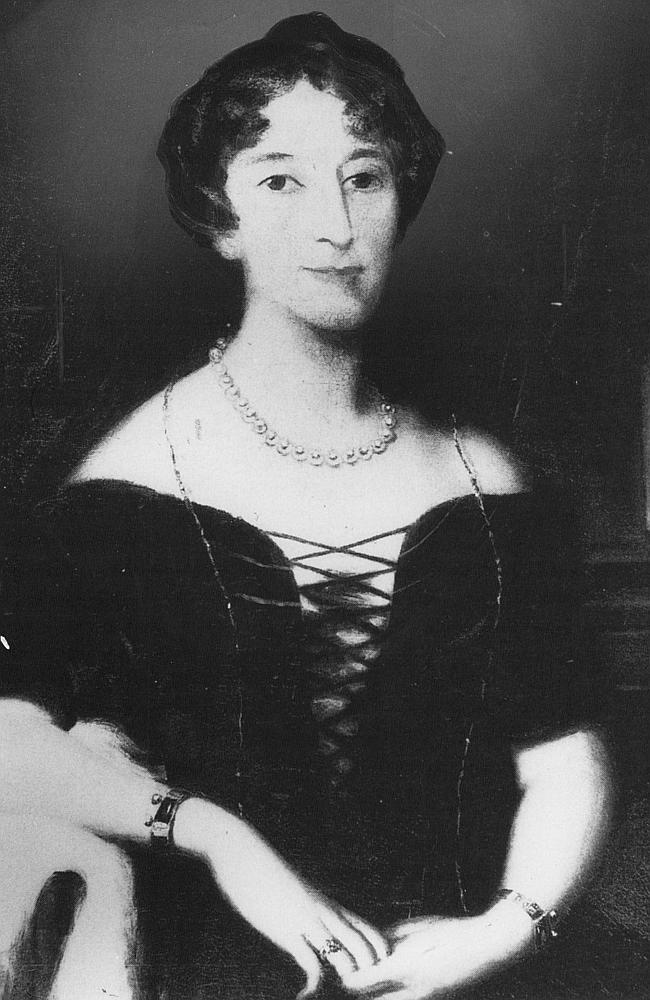
Author Michelle Scott Tucker recently spoke at the Camden Museum about her new book Elizabeth Macarthur A Life at the Edge of the World

Aesthetics · Attachment to place · Australia · British colonialism · Cawdor · Colonial Camden · Colonialism · Community identity · Cowpastures · Cowpastures River · Cultural Heritage · Cultural icon · Governor Macquarie · Heritage · Historical consciousness · Historical Research · Historical thinking · History · Landscape aesthetics · Local History · Local newspapers · Myths · Nepean River · Newspapers · Place making · Sense of place · Settler colonialism

Exploring the Cowpastures region: the early history of a settler society

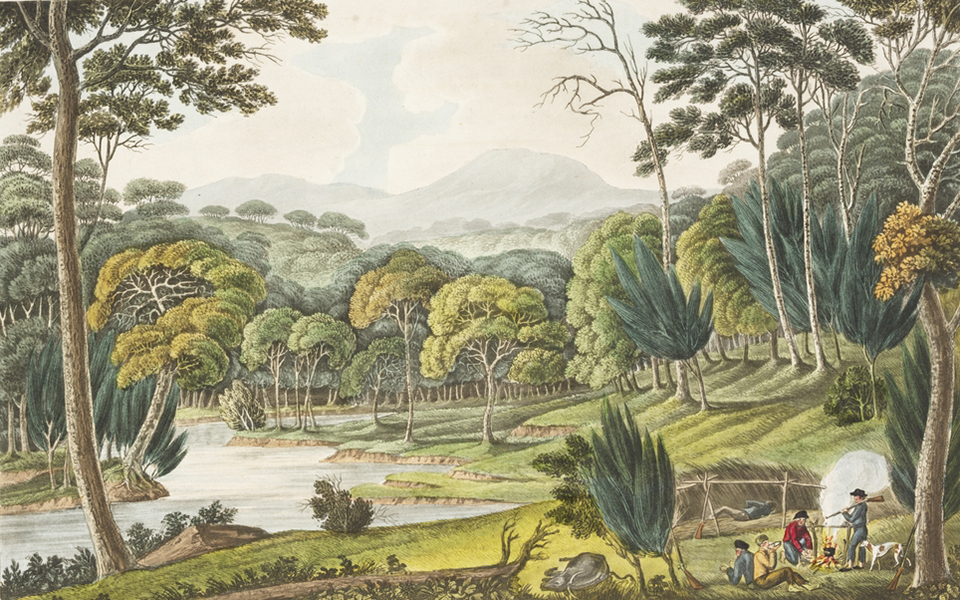
The Cowpastures region, named by Governor Hunter in 1795, reflects a culturally constructed landscape stemming from the 18th century. Originating with wild cattle from the First Fleet, it evolved into a significant colonial area intersecting Indigenous history. The region's identity waned by the late 19th century but is celebrated today for its historical legacy.

Attachment to place · British colonialism · Colonialism · Cowpastures · Farming · Goulburn · Historical consciousness · Historical Research · Historical thinking · History · Local History · Place making · Sense of place · Settler colonialism · Victorian

Mummel and a Cowpastures Oligarch

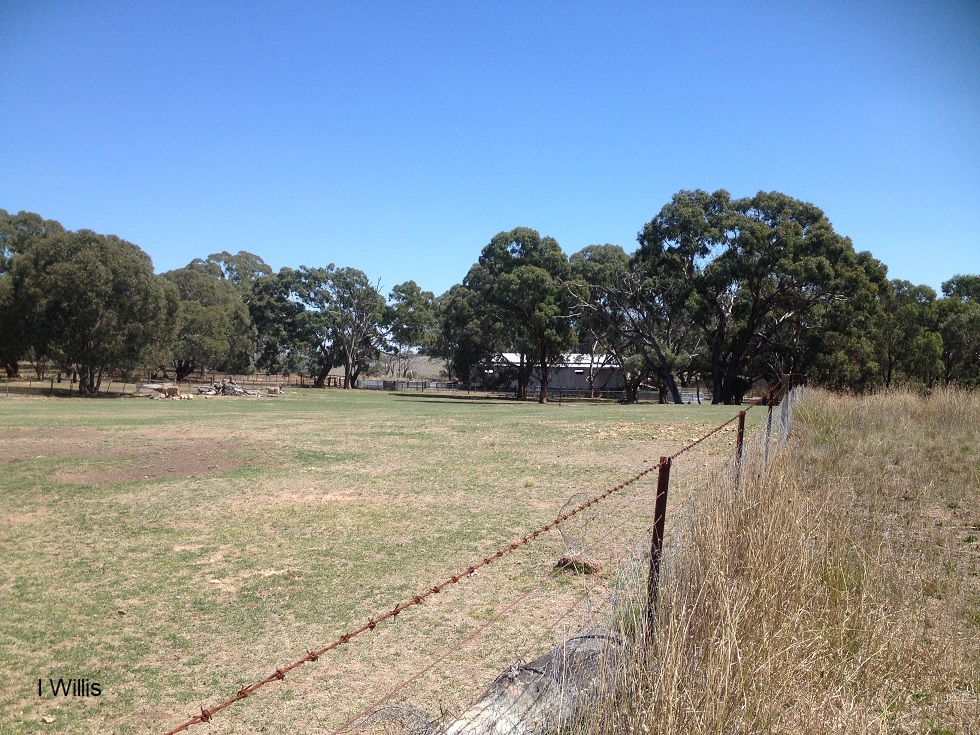
Mummel NSW is an important land grant at Goulburn Plains in colonial NSW and a part of the story of a settler society.

British colonialism · Colonial Camden · Colonialism · Cowpastures · Elderslie · England · Farming · Heritage · History · Local History · Macarthur · Newspapers · Place making · Sense of place · Settler colonialism

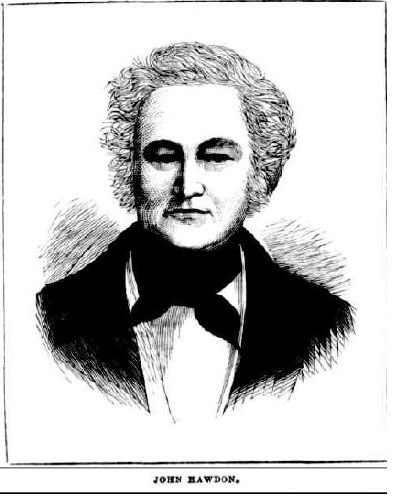
John Hawdon of Elderslie and his English origins

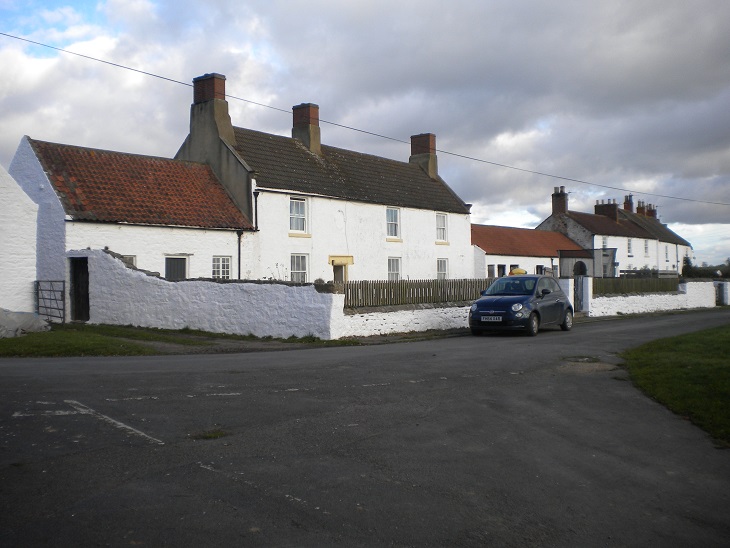
John Hawdon of Elderslie came from the hamlet of Wackerfield County Durham England in 1828

Adaptive Re-use · Aesthetics · Architecture · Attachment to place · Australia · Bella Vista Farm · Belonging · British colonialism · Camden Park House and Garden · Colonial Camden · Colonial frontier · Colonialism · Community identity · Convicts · Cultural Heritage · Cultural icon · Family history · Farming · Frontier violence · Georgian · Heritage · Historical consciousness · Historical Research · Historical thinking · History · History of a house · House history · Landscape · Landscape aesthetics · Lifestyle · Living History · Local History · Local Studies · Macarthur · Memory · Monuments · Myths · Place making · Ruralism · Sense of place · Settler colonialism · Storytelling · Tourism · Urban growth · urban sprawl · Women's history

Bella Vista Farm, an early part of the Macarthur rural empire

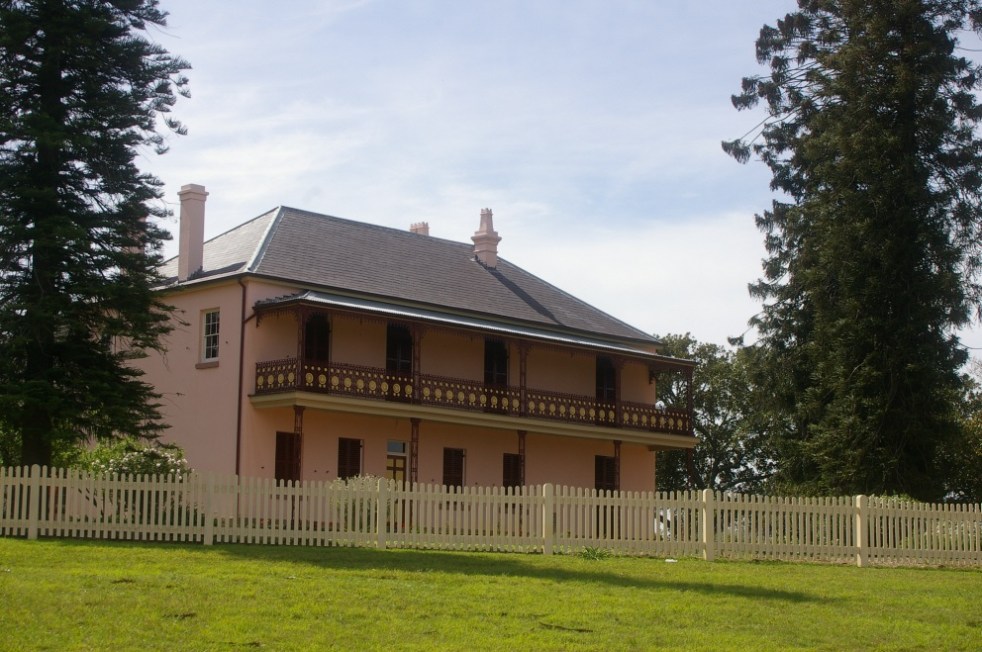
Bella Vista Farm is an early part of the Macarthur family pastoral empire and an important site in the history of colonial NSW.

Architecture · Attachment to place · British Heritage · Colonialism · Conservation · Cricket · Cultural and Heritage Tourism · Cultural Heritage · Cultural icon · Cultural plantings · Design · Education · England · Entertainment · Environment · Farming · Fashion · Garden history · Gardening · Governor Macquarie · Heritage · Historical consciousness · Historical Research · Historical source · Historical thinking · History · Horticulture · Landscape · Landscape aesthetics · Leisure · Living History · Memorialisation · Memorials · Memory · Modernism · Place making · Placemaking · Plant Nursery · Plants · Retailing · Sculpture · Sense of place · Settler Society · Social History · Storytelling · Sydney · Uncategorized · Urban development · Urbanism · Victorian

Sydney’s Royal Botanic Gardens

The Royal Botanic Gardens in Sydney, Australia, cover 29 hectares of gardens and 51 hectares of surrounding parkland. Established in 1816, it is the oldest colonial botanic garden in Australia, attracting 4 million visitors annually. With historical significance dating back to 1788, the Gardens reflect changing landscape styles and serve as a popular public space.

Aesthetics · Agriculture · Attachment to place · Australia · Belonging · British colonialism · Colonial Camden · Colonial frontier · Colonialism · Community identity · Convicts · Cowpastures · Cultural Heritage · Cultural icon · Curtilage · Economy · Elderslie · England · Farming · Frontier violence · Georgian · Gothic · Heritage · Historical consciousness · Historical Research · Historical thinking · History · Landscape · Landscape aesthetics · Local History · Local Studies · Macarthur · Narellan · Place making · Ruralism · Sense of place · Settler colonialism · Storytelling · Stuart Park Wollongong

John Hawdon of Elderslie in a settler society

John Hawdon of Elderslie was part of the story of settler colonialism in New South Wales in the early 19th century.

Agricultural heritage · Agriculture · Agriculture history · Attachment to place · Belgenny Farm · Belonging · Camden Story · Colonial Camden · Colonial frontier · Colonialism · Commemoration · Community celebrations · Community Engagement · Community identity · Cowpastures · Cowpastures Bicentennial · Cowpastures Estates · Cowpastures Gentry · Cowpastures River · Cultural Heritage · Entertainment · Festivals · Hawkesbury-Nepean river · Historical Research · Leisure · Local Studies · Lost Camden · Memorial · Memorialisation · Memorials · Memory · Monuments · Pioneers · Place making · Sense of place · Settler Society · Uncategorized

Cowpastures Bicentennial Celebrations 1995, the beginning of a settler society

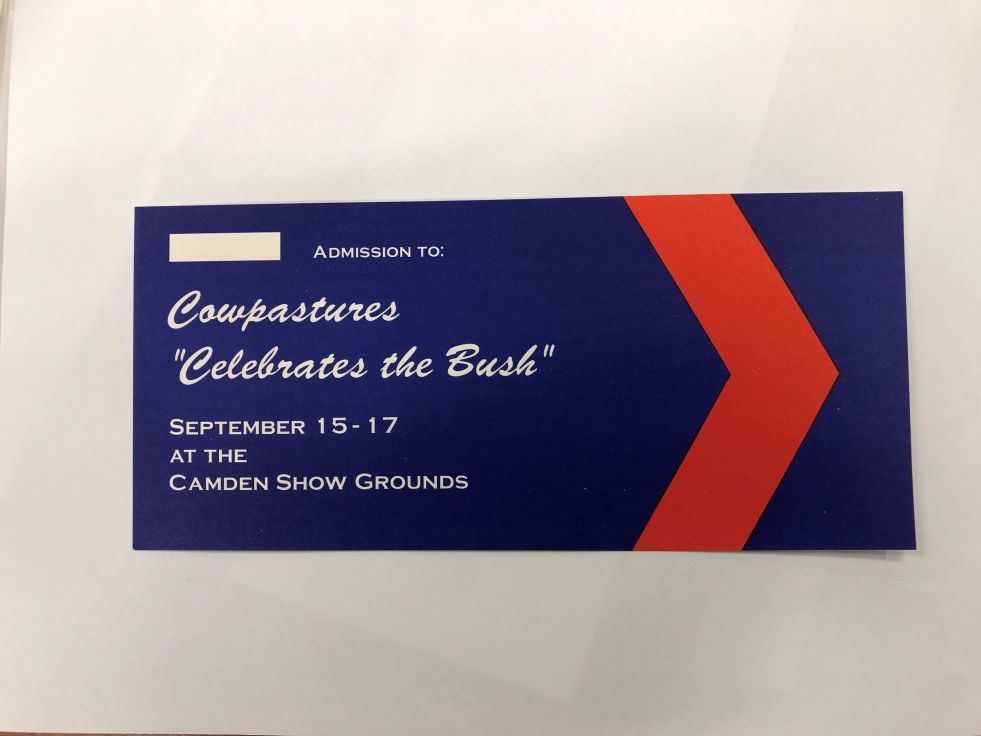
Local festival In 1995, the Camden community held a 12-month programme of events to celebrate the bicentennial of the naming of the Cow Pastures by Governor Hunter in 1795 and the discovery of 61 head of wild cattle. The discovery of the cattle herd was an important event in the life of the fledgling colony… Continue reading Cowpastures Bicentennial Celebrations 1995, the beginning of a settler society

1930s · Agricultural heritage · Agriculture · Attachment to place · Australia · Belgenny Farm · British colonialism · Camden Festivals · Camden Park Estate · Camden Park House and Garden · Camden Story · Colonial Australia · Colonial Camden · Colonial frontier · Colonialism · Cowpastures · Cowpastures district · Cowpastures Estates · Cowpastures Gentry · Cowpastures Region · Cultural Heritage · Cultural icon · Dairying · Elizabeth Farm · England · Family history · Farming · Farming history · Governor Macquarie · History · Interwar · Johm Macarthur · Legends · Local History · Local Studies · Macarthur · Macarthur family · Memory · Monuments · Myths · Pioneers · Place making · Placemaking · Ruralism · Sense of place · Settler colonialism · Storytelling

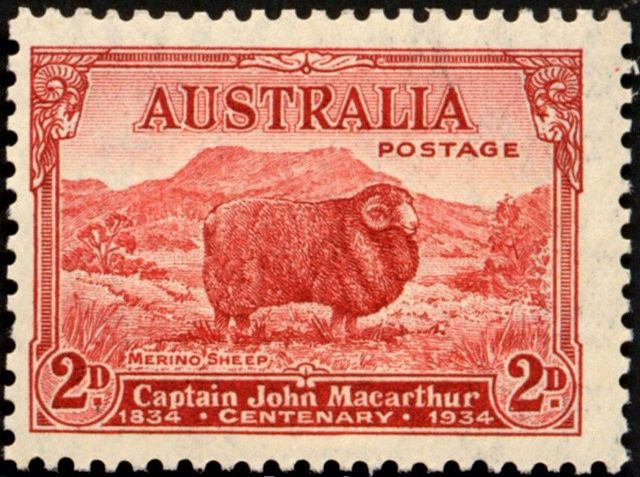
John Macarthur, Father of Australia’s Wool Industry, fact or fiction

John Macarthur is credited with establishing fine wool as a key industry in New South Wales. During the interwar period, it was claimed that he was the father of the Australian wool industry. While significant, his contributions are part of a larger narrative involving many key figures in the industry. His legacy includes commemorative postage stamps, as well as his portrayal in literature and festivals celebrating wool production.