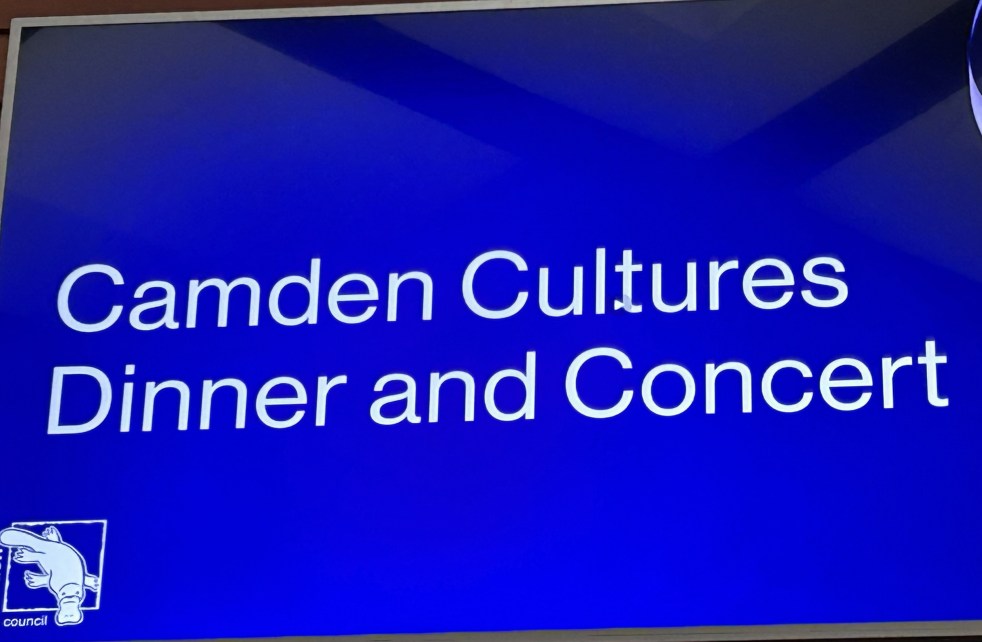
On March 27, 2026, Camden Civic Centre hosted a Cultural Concert and Dinner, attracting over 200 attendees. The event, part of Multicultural March, showcased diverse performances, promoting inclusion and belonging within the community. Mayor Theresa Fedeli celebrated Camden’s cultural richness, emphasizing the importance of unity and connection among different backgrounds.
Tag: writing


Exploring the Camden story through collective memory and community history
The Camden story represents a rich tapestry of community history, emphasizing narratives from marginalized voices. It highlights how cultural memory, shaped through oral traditions and historical artifacts, fosters shared identity. Essential sites like museums and monuments facilitate the transmission of collective memories, preserving the community's past and influencing its identity.
Share this:

Share this:
Balancing Heritage and Development in Australia
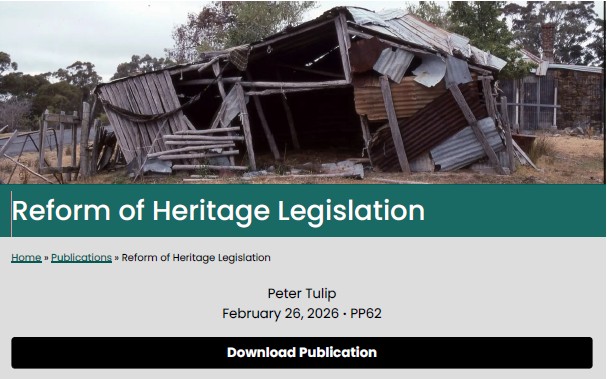
The Centre for Independent Studies argues that NSW heritage laws exacerbate the housing affordability crisis by preserving unremarkable buildings, thus restricting development. It critiques a narrow economic view of heritage that neglects community values, highlighting that a broader understanding of heritage's social and economic benefits is essential for sustainable urban planning.
Share this:

Share this:
Discover Camden’s Agricultural Heritage and Legacy
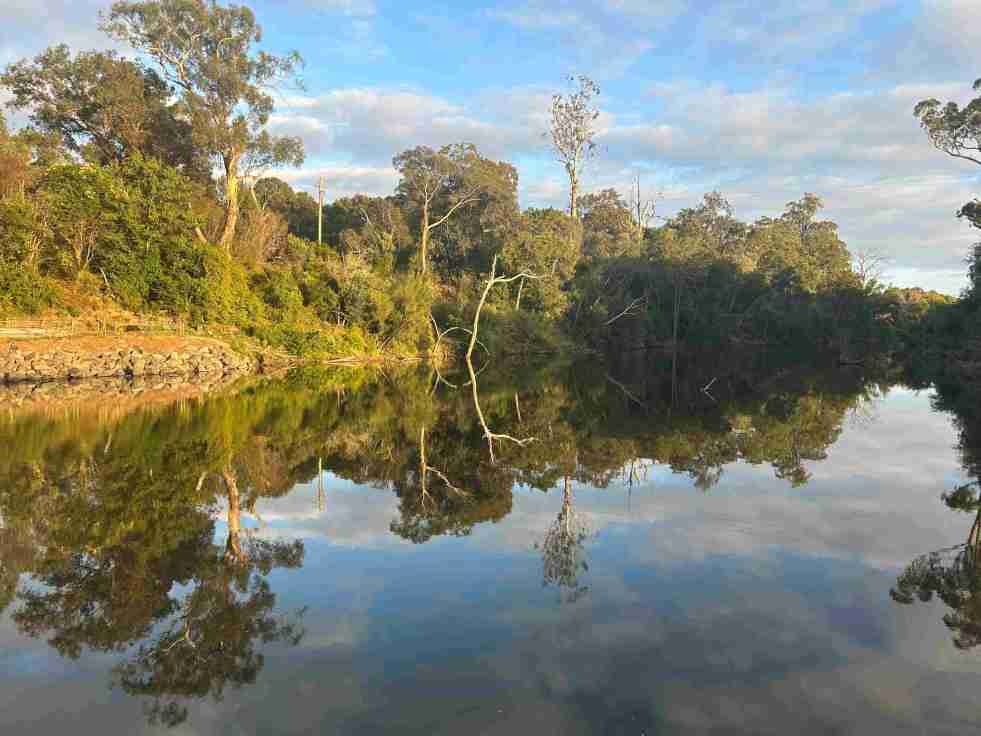
Camden, New South Wales, is recognized as the birthplace of Australian agriculture, boasting significant historical and contemporary agricultural sites. Despite rapid growth and new residents' limited awareness of its agricultural legacy, Camden remains a vital hub for agricultural research and education, blending rural lifestyle with community connections and open spaces.
Share this:

Share this:
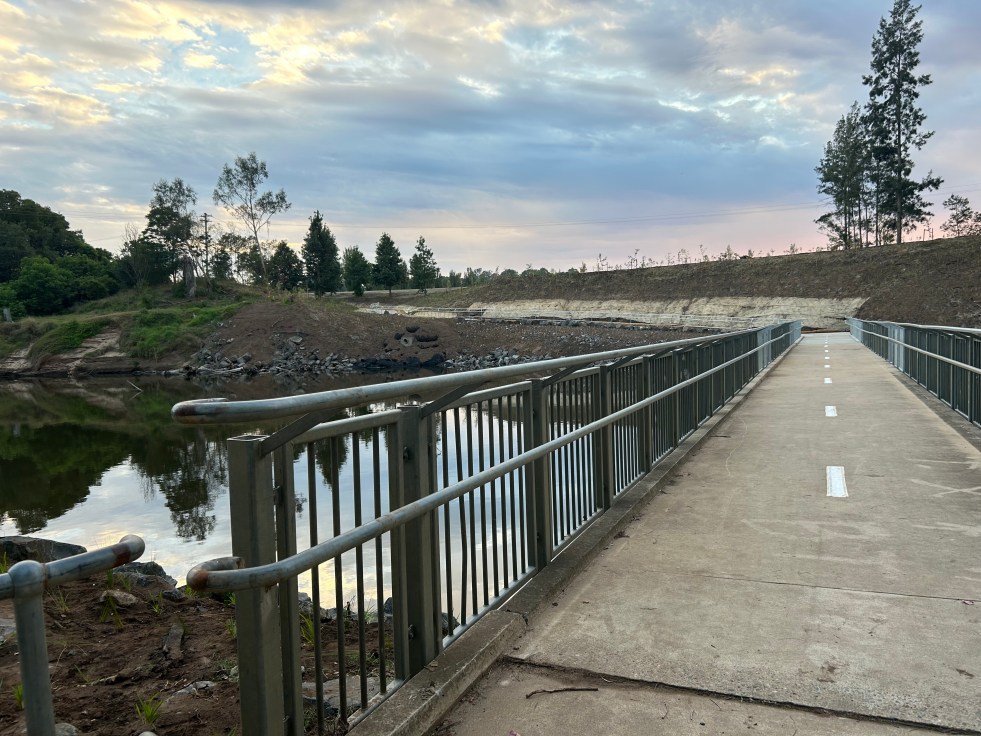
Little Sandy Footbridge Reopens: A Community Treasure
The Little Sandy Footbridge in Camden has reopened, restoring an essential link in the Nepean River Trail after extensive flood-related repairs. Originally constructed during WWII, the bridge has been a beloved community feature, supporting recreational activities for over a century. The project was funded by government sources, totaling $3.7 million.
Share this:

Share this:
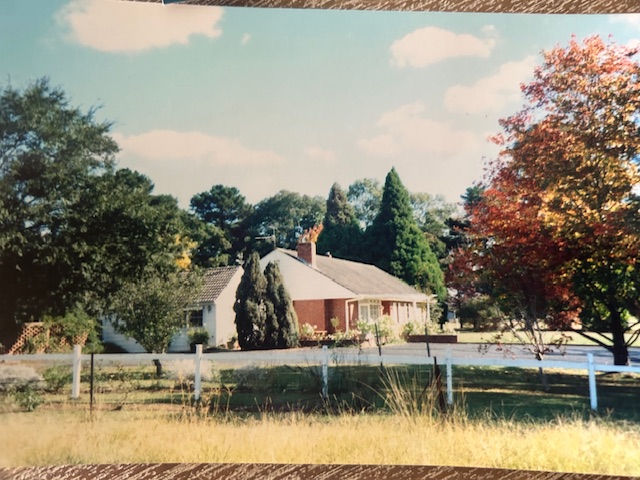
Exploring Elderslie’s Ranch-Style Homes, lost mid-century Camden
Tarn House, a ranch-style residence built in 1963 by Dr. Gordon Clowes in Elderslie, represents Camden's mid-century modern architecture. Clowes, an influential community figure and surgeon, lived there with his family. The house, now lost, was part of a broader trend of ranch-style homes in the area during the 1960s.
Share this:

Share this:
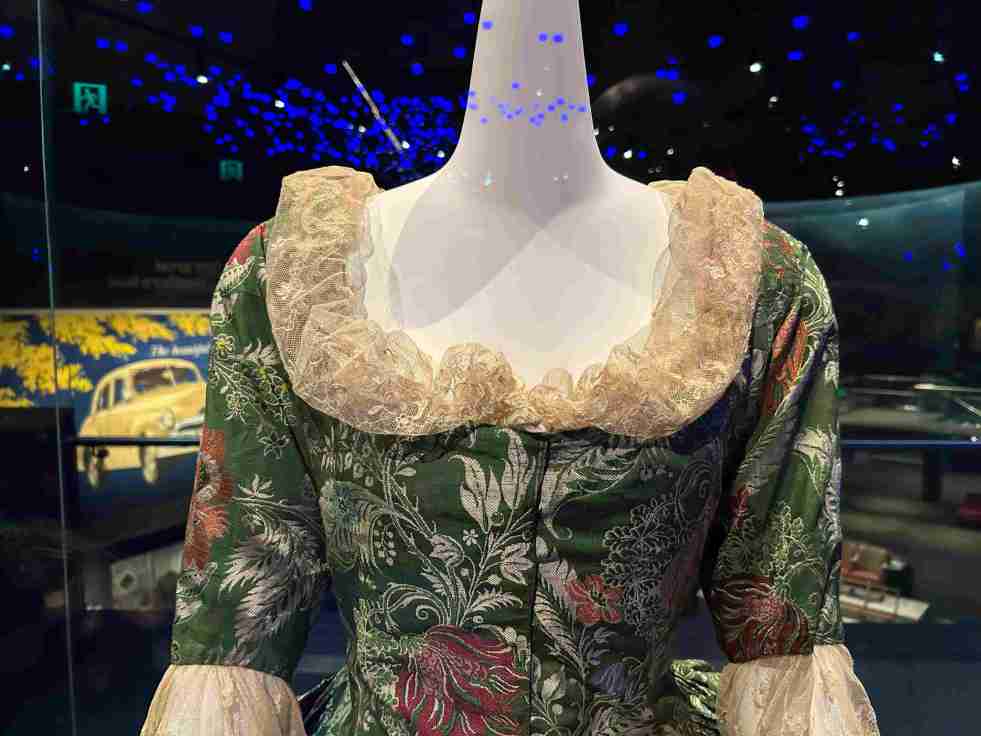
Clarice Faithfull Anderson’s Historic Ball Gown
The 1929 CWA Blue & Gold Ball at Sydney's Ambassador Cabaret was a prestigious fundraising event attended by significant dignitaries, including the Governor General. The ball featured "living pictures" and showcased elaborate gowns, including Clarice Faithfull Anderson's historic dress from the 18th century, which later became a treasured family heirloom and is now part of the textile collection of the National Museum of Australia.
Share this:

Share this:
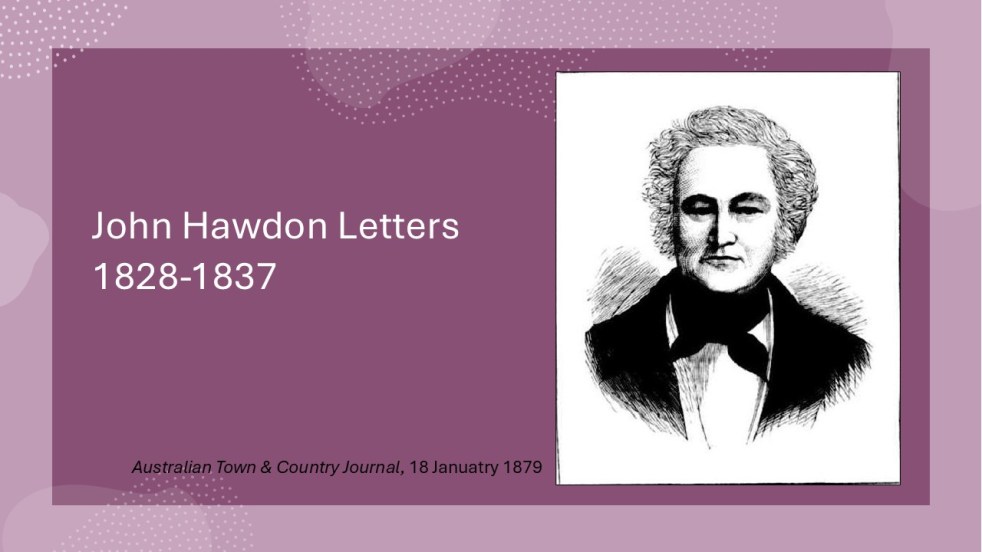
Insights from the Hawdon Letters: Colonial Life in NSW, Part 3, 1833-1837
The letters of John Hawdon and others from 1828 to 1837, preserved in the State Library of NSW, provide insights into colonial life in New South Wales. They highlight themes of isolation, communication challenges, economic struggles, and attitudes toward gender and Indigenous populations, alongside Hawdon's farming experiences and family connections.
Share this:

Share this:
Insights from the Hawdon Letters: Colonial Life in NSW, Part 2, 1831-1833
John Hawdon's letters from New South Wales (1831-1833) reveal colonial life, highlighting farming challenges, isolation from England, and the high costs of communication. These letters provide insights into market conditions, crop successes, and family updates, showcasing the Hawdons' experiences and adaptations in a new land, while retaining original spelling and structure.
Share this:

Share this:
Insights from the Hawdon Letters: Colonial Life in NSW, Part 1, 1828-1830
John Hawdon's letters (1828-1830) provide an intimate view of colonial life in New South Wales. Addressed to family in England, they detail challenges of farming, personal hardships, and isolation. The cross-written letters, located at the State Library of NSW, are difficult to decipher but are significant historical records of early colonial settlement in the Cowpastures.

