1920s · 1930s · Architecture · Attachment to place · Built heritag · Business History · Collective Memory · Community Health · Cultural Heritage · Design · Edwardian · Film · Foresters Hall (former) · Heritage · History · Interwar · Leisure · Living History · Local History · Local Studies · Memory · Modernism · Movies · Narellan Military Camp · Placemaking · Second World War

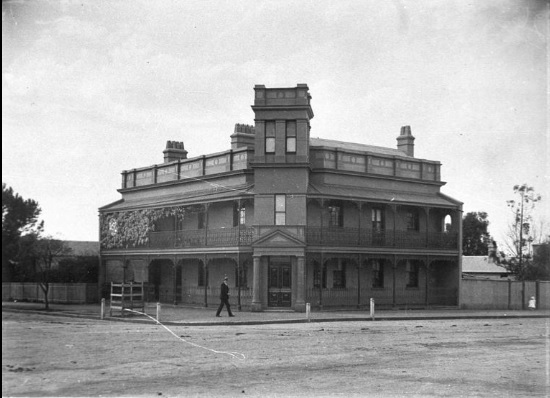
The former Foresters’ Hall, a marvellous Edwardian building

In Camden NSW the former Foresters’ Hall occupies one of the most prominent sites in the Town Centre on Oxley Street and Argyle Street at 147 Argyle Street. On its opening in 1908, the hall was considered the best in New South Wales by the Order of Royal Foresters.

1920s · 1930s · 1932 · 20th century · Adaptive Re-use · Aesthetics · Architecture · Argyle Street · Attachment to place · Belonging · Built heritag · Business History · Camden Story · Camden Town Centre · Collective Memory · Colonial Camden · Community identity · Cultural Heritage · Cultural icon · Design · Economy · Governor Macquarie · Historical consciousness · History · Interwar · Local History · Local Studies · localism · Macarthur region · Mid-century modernism · Modernism · Place making · Placemaking · Sense of place · Storytelling · Streetscapes · Town planning · Uncategorized · Urban growth · Urban history · Urbanism

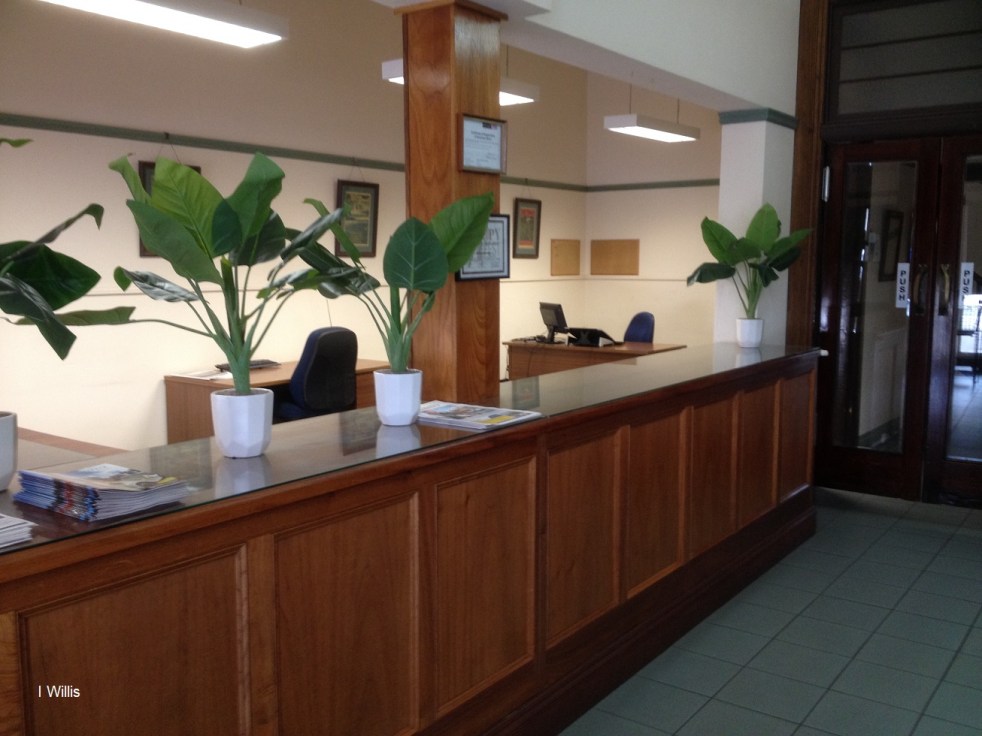
 The former Bank of New South Wales building in the country town of Camden

In central Camden is an empty bank building of understated significance at the intersection of John and Argyle Streets. This building was the premises of Westpac, formerly the Bank of New South Wales, and was the second banking chamber on that site. Constructed in the 1930s by a prominent firm of local builders and designed by one of Sydney’s top award-winning architects. It is a building of much architectural merit, and few know its history. 

1920s · 1930s · Agricultural heritage · Agriculture history · Argyle Street · Artefacts · Attachment to place · Belonging · Built heritag · Camden · Camden Story · Cawdor · Churches · Cobbitty · Community identity · Country town · Cultural Heritage · Cultural icon · Elderslie · Family history · Farming · Fashion History · Festivals · Heritage · Historical consciousness · Historical Research · History · Interwar · Living History · Local Studies · Memory · Monuments · Mount Hunter · Photography · Place making · Placemaking · Retail history · Roy Dowle photographer · Ruralism · Sense of place · Settler colonialism · Social History · Stereotypes · Storytelling · Teamsters · The Oaks · Transport · transport history · Urban history · War

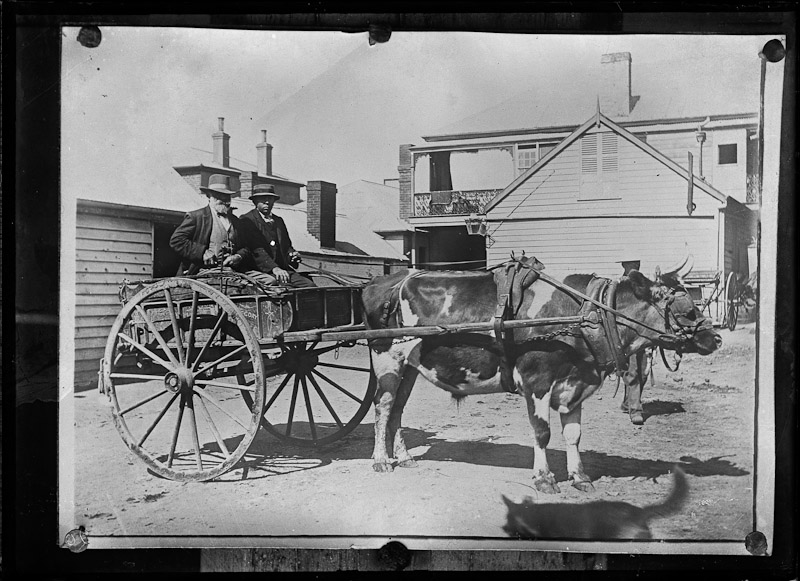
The Roy Dowle collection and old photographs

Old photographs are a glimpse into the past and capture many memories of another time. The Roy Dowle Glass Plate collection at The Oaks Historical Society is a source of many local images.

1920s · 1930s · Architecture · Art · Attachment to place · Business · Business History · Collective Memory · Communications · Community identity · Cultural Heritage · Entertainment · Fashion · Goulburn · Heritage · Historical consciousness · Historical Research · Historical thinking · History · Interwar · Local History · Local newspapers · Local Studies · Media History · Memory · Modernism · Newspapers · Place making · Placemaking · Sense of place · Storytelling · Tourism · Urban history · Victorian

Goulburn Evening Penny Post and its Art-Deco newspaper office and printery

In 1935 a moderne Art-Deco style office was opened for the Goulburn Evening Penny Post

1920s · 1930s · Advertising · Aesthetics · Architecture · Attachment to place · Built heritag · Business · Business History · Community identity · Country town · Cultural and Heritage Tourism · Cultural Heritage · Cultural icon · Design · Dungog · Economy · Fashion · Heritage · Historical consciousness · Historical Research · History · Hotel History · Hotels · Interwar · Lifestyle · Local History · Local Studies · Modernism · Place making · Placemaking · Royal Hotel Dungog · Sense of place · Storytelling · Urban growth · Urban history

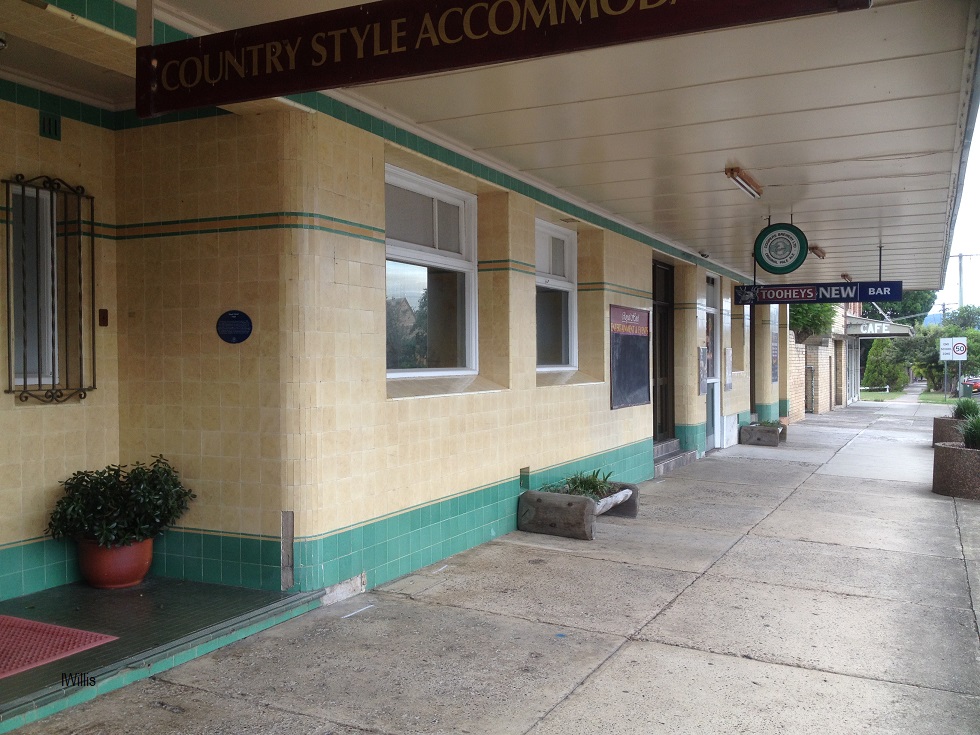
Dungog’s Royal Hotel, an Art Deco Bush Pub

The Dungog Royal Hotel is an example of an Interwar Art Deco style hotel in an Australian country town

1920s · 1930s · Adaptive Re-use · Architecture · Attachment to place · Belonging · Built heritag · Communications · Community identity · Cultural Heritage · Design · Heritage · History · Industrial Heritage · Interwar · Local History · Local Studies · Memory · Modernism · Place making · Placemaking · Railway · Railway history · Sense of place · Social History · Storytelling · Transport · transport history · Urban history · Utilities

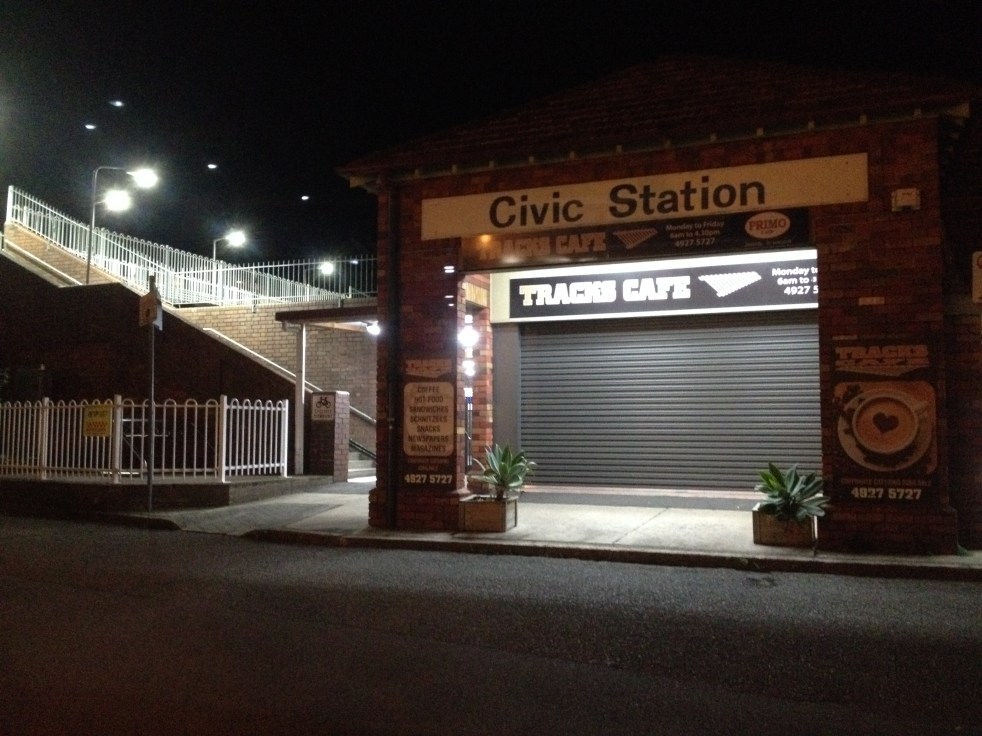
Civic Railway Station, revealing part of Newcastle modernism

Civic Railway Station, now closed, reveals some of the aesthetics of Newcastle modernism.

1930s · 20th century · Attachment to place · Camden · Camden Airfield · Camden Post Office · Camden Public School · Cultural Heritage · Cultural icon · Edward Macarthur Onslow · Entertainment · Families · Family history · Farming · Heritage · History · Interwar · Local History · Local Studies · Macquarie Grove Flying School · Memory · Military history · Modernism · Place making · Placemaking · Sense of place · Social History · Storytelling · Theresa Park Public School · Wartime

Memories of Cec Smith, bare feet and the adventures of flight in Camden

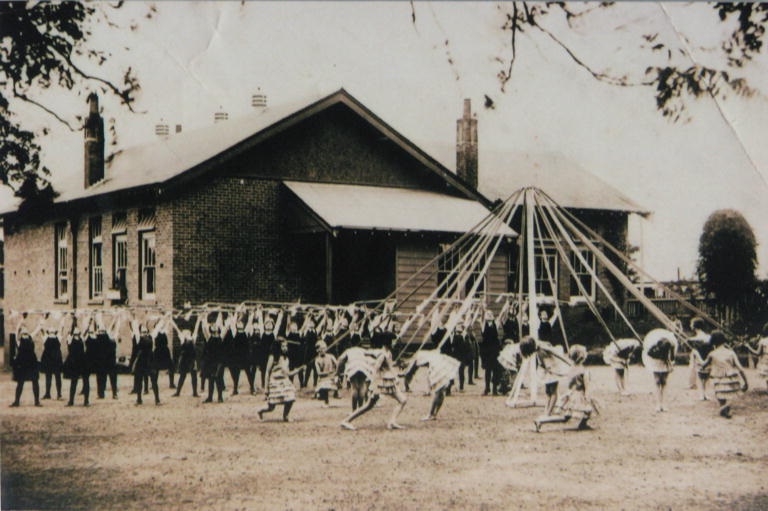
The memories of Cec Smith as a small boy in Camden vividly recall many events in the area. Flying pageants and parachuting practice at Macquarie Flying School along with other adventures were part of growing up in the area.

1920s · 1930s · Aesthetics · Architecture · Argyle Street · Belonging · Cafes · Camden · Camden Hospital · Camden Modern · Camden Modernism · Camden Story · Camden Town Centre · Country town · Country town idyll · Cultural Heritage · Heritage · House history · Housing · Housing styles · Interwar · Local History · Local Studies · Modernism · Narellan · Place making · Placemaking · Sense of place · Small town · Storytelling · Urban growth · Urban history

Interwar Camden, the heritage of a country town

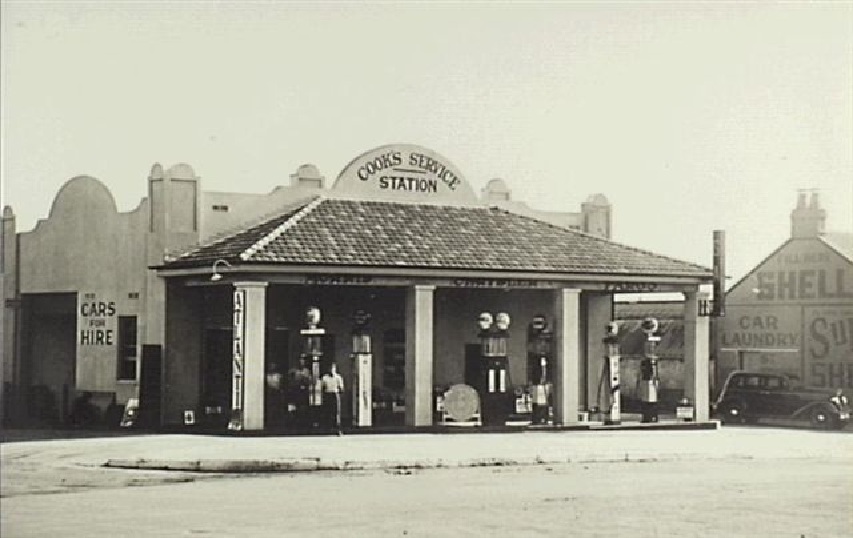
During the interwar period, Camden experienced economic growth driven by dairy and coal industries. The town's population grew by over 35%, making it a vital commercial and administrative center. The Hume Highway and railway brought modern influences, leading to developments such as motor industry, cinemas, and the airfield. Camden has maintained its bucolic charm, but has also experienced urbanization pressure. The town centre has many buildings from the interwar period.

1930s · Agricultural heritage · Agriculture · Attachment to place · Australia · Belgenny Farm · British colonialism · Camden Festivals · Camden Park Estate · Camden Park House and Garden · Camden Story · Colonial Australia · Colonial Camden · Colonial frontier · Colonialism · Cowpastures · Cowpastures district · Cowpastures Estates · Cowpastures Gentry · Cowpastures Region · Cultural Heritage · Cultural icon · Dairying · Elizabeth Farm · England · Family history · Farming · Farming history · Governor Macquarie · History · Interwar · Johm Macarthur · Legends · Local History · Local Studies · Macarthur · Macarthur family · Memory · Monuments · Myths · Pioneers · Place making · Placemaking · Ruralism · Sense of place · Settler colonialism · Storytelling

John Macarthur, Father of Australia’s Wool Industry, fact or fiction

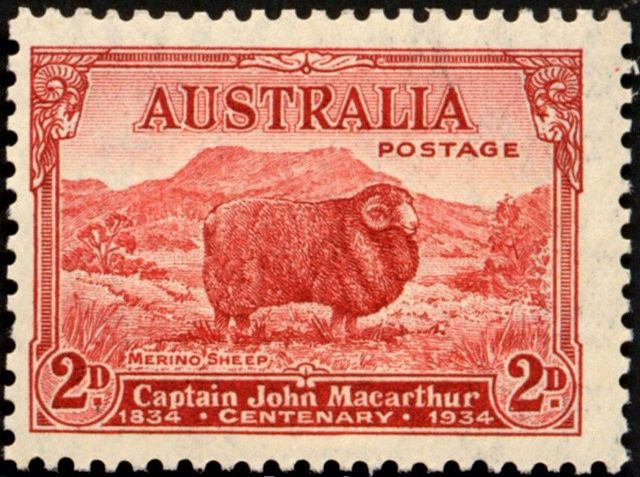
John Macarthur is credited with establishing fine wool as a key industry in New South Wales. During the interwar period, it was claimed that he was the father of the Australian wool industry. While significant, his contributions are part of a larger narrative involving many key figures in the industry. His legacy includes commemorative postage stamps, as well as his portrayal in literature and festivals celebrating wool production.