19th Century · Adaptive Re-use · Adaptive Reuse · Architecture · Attachment to place · Australian History · Built Heritage · Camden · Camden Built Heritage · Camden John Street · Camden Story · Camden Town Centre · Community identity · Cultural and Heritage Tourism · Cultural Heritage · Domestic Architecture · Dr Crookston · Economy · History of a house · House history · Housing · Housing styles · Local History · Local Studies · Macarthur family · Place making · Placemaking · Residential Housing Style · Sense of place · Stories · Storytelling · Tourism · Uncategorized

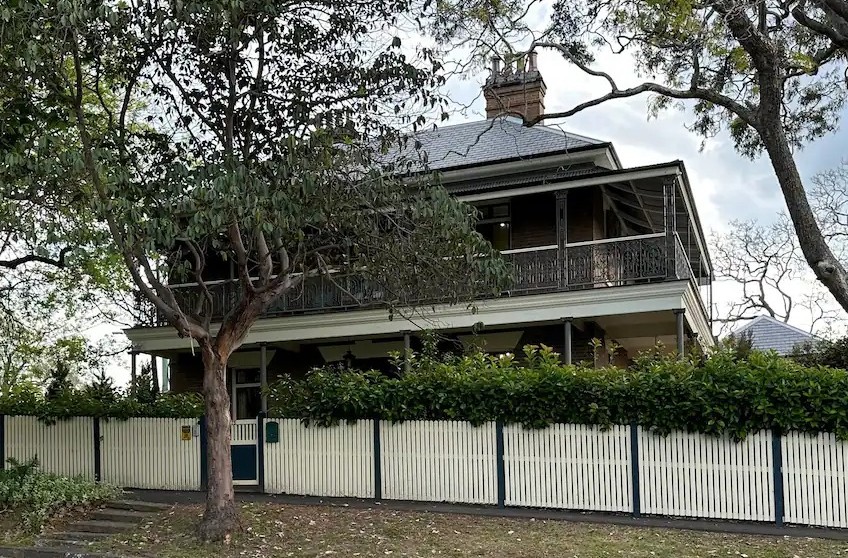
Dr Crookston’s Estate: A New Chapter in Camden’s Heritage

Dr Crookston's house and garden in Camden has been revitalized into an entertainment venue, preserving its rich history. New owners Shane and Rhiannon Smith manage this adaptive reuse, offering various activities that enhance heritage tourism. The estate now fosters local pride while contributing to economic growth, transforming the once-closed site into a vibrant community asset.

19th Century · 20th century · Adaptive Re-use · Adaptive Reuse · Agricultural heritage · Agricultural modernism · Agriculture · Agriculture history · Architectural History · Architecture · Artefacts · Attachment to place · Belgenny Farm · Belonging · British colonialism · Built Heritage · Business History · Camden Park Estate · Camden Park House and Garden · Camden Story · Carpentry · Collective Memory · Colonial Australia · Colonial Camden · Colonial frontier · Community Engagement · Community identity · Cultural and Heritage Tourism · Cultural Heritage · Dairying · Farming · Farming history · History · History Festival · Living History · Local History · Local Studies · Lost trades · Macarthur family · Place making · Placemaking · Sense of place · Settler Society · Stories · Storytelling

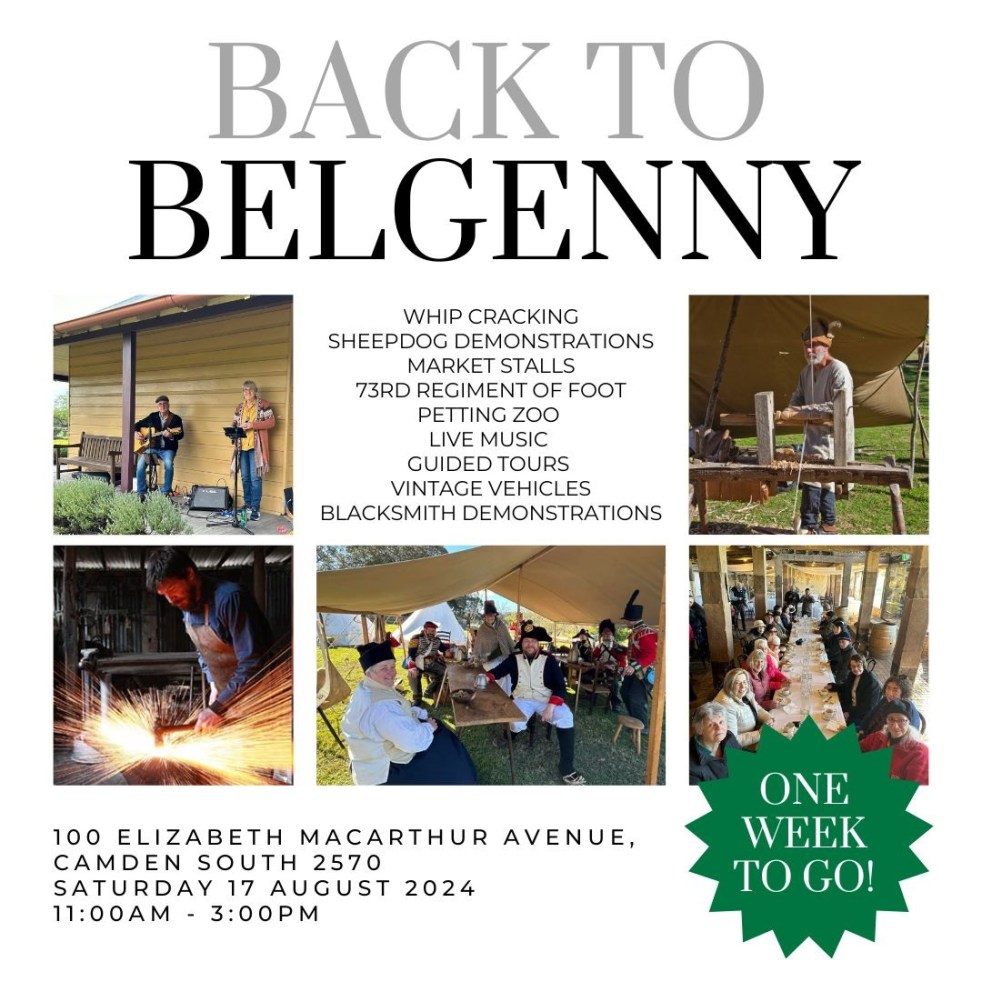
Explore Belgenny Farm: A Journey Through Time 2024

The 2024 Back to Belgenny festival showcased living history at Belgenny Farm, featuring reenactments, traditional trades, and various activities such as sheepdog trials and guided tours. The event included a demonstration by Governor Macquarieโ€™s regiment and highlighted the farm's historical significance, providing visitors with an immersive glimpse into colonial agricultural life.

Aesthetics · Agricultural heritage · Agriculture · Agriculture history · Appin · Appin Massacre 1816 · Architecture · Attachment to place · British colonialism · British Heritage · Built heritag · Cobbitty · Colonial frontier · Colonialism · Cultural and Heritage Tourism · Cultural Heritage · Denbigh · Dharawal · Farming · Frontier violence · Heritage · History · History of a building · History of a house · History Week · Local History · Local Studies · Place making · Sense of place · Stories · Storytelling · Trees · Uncategorized · Urban development

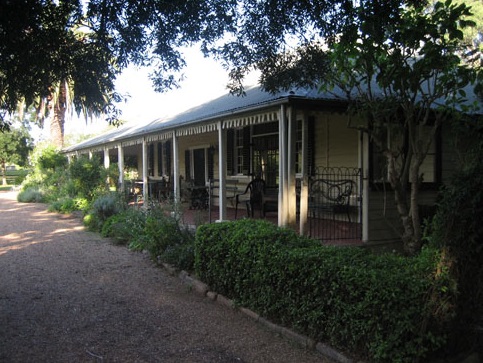
Denbigh Open Days: Exploring Historic Colonial Farm

Denbigh, a significant colonial farming complex in Australia, recently opened its gardens to the public for a rare charity viewing. The property, with a dark history of conflict and anxiety, reveals layers of history from dispossession of Aboriginal lands to dairying and urban invasion. Denbigh's fortified structures reflect the fear and violence of the Cowpastures frontier.

Aesthetics · Architecture · Attachment to place · Belonging · Built heritag · Camden · Camden Council · Camden Museum · Camden Story · Church History · Colonial Camden · Community identity · Country town · Cowpastures · Cowpastures Gentry · Cultural and Heritage Tourism · Cultural Heritage · Cultural icon · Engineering Heritage · Heritage · History · Landscape · Landscape aesthetics · Living History · Local History · Local newspapers · Memory · Place making · Settler Society · St John's Church Camden · Storytelling · Tourism · Uncategorized · Urban development · Urban history

Cultural and Heritage Tourism in Camden: Unveiling a $6.4 Million Per Year Industry

Cultural and heritage tourism adds $6.4 million a year to the local economy. The Camden Museum and the Alan Baker Art Gallery add over $1.7 million annually.

Alan Baker Art Gallery Camden NSW · Art · Artists · Artworks · Camden Art Prize · Camden Story · Crafts · Cultural and Heritage Tourism · Cultural Heritage · Entertainment · Heritage · Living History · Local History · Place making · Placemaking · Sense of place · Storytelling · The Arts · Tourism · Uncategorized

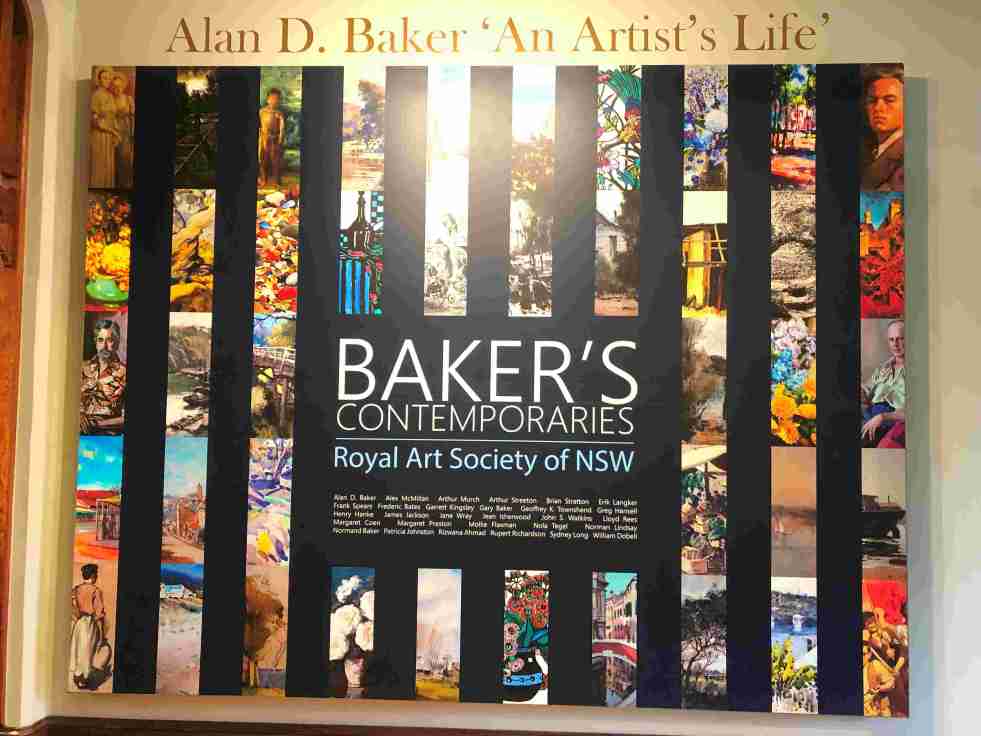
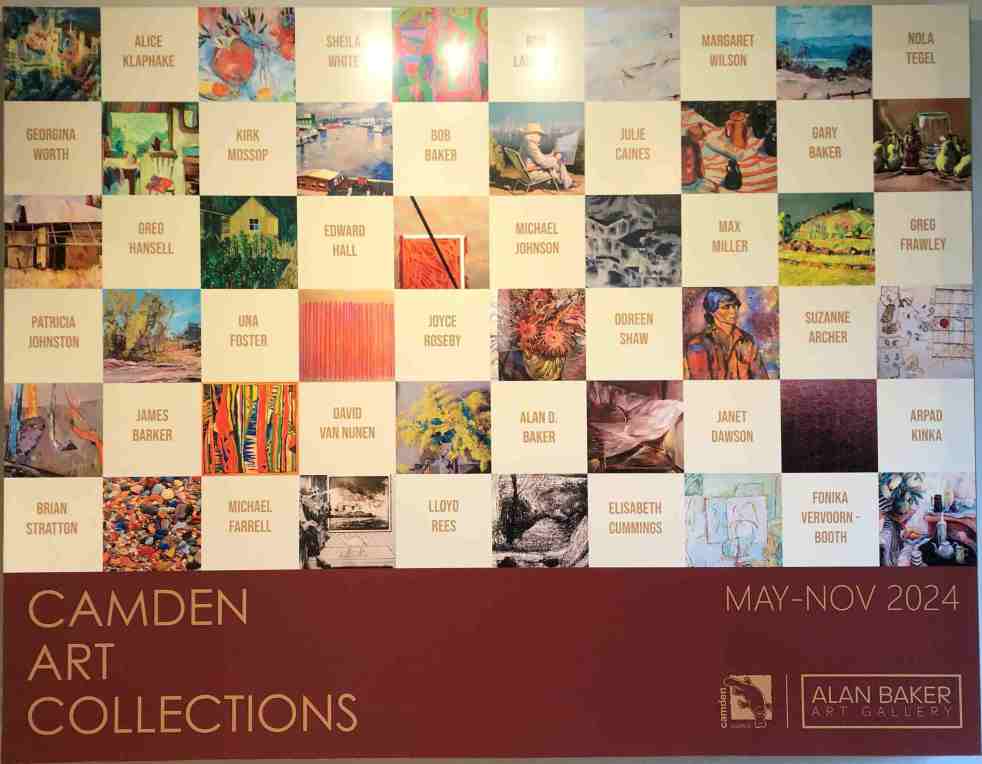
Camden Art Prize, a new exhibition at the Alan Baker Art Gallery celebrates a local institution

The Camden Art Prize was initiated in 1975 as an acquisitive art prize aiming to create a collection. This collection now includes over 200 artworks and has been on display at the Alan Baker Art Gallery. The prize has had many notable judges and dignitaries present at its exhibitions. Some of the winning works are on display in a new exhibition at the gallery.

1973 New Cities Campbelltown Camden Appin Structure Plan · 20th century · Attachment to place · Built heritag · Camden Council · Camden District · Camden Heritage Conservation Area · Camden Museum · Camden Show · Camden Story · Camden Town Farm · Church History · Churches · Collective Memory · Colonial Camden · Commemoration · Community identity · Country town · Country town idyll · Cultural and Heritage Tourism · Cultural Heritage · Elizabeth Macarthur · Folklore · Hope and loss · Landscape · Legends · Local History · Local newspapers · Local Studies · Lost Camden · Memorial · Memory · Monuments · Place making · Placemaking · rural-urban fringe · Ruralism · Sense of place · Settler Society · Social History · Stereotypes · Stories · Storytelling · Sydney's rural-urban fringe · Tourism · Town planning · Uncategorized · Urban development · Urban growth · Urban history · Urban Planning · urban sprawl · Urbanism

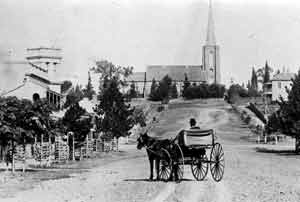
Yearning, Longing and The Remaking of Camdenโ€™s Identity: the myths and reality of โ€˜a country town idyllโ€™.

This article discusses the concept of a "country town idyll" in Camden, an idealised version of a country town from an imagined past that uses history to construct imagery based on Camden's heritage buildings and other material fabrics. The paper delves into the origins of the idyll, examines its development, and investigates its validity in its contemporary context. It shows how its supporters have used history as a community asset to remake Camden's identity and explore how the 'country town idyll' has been used variously as a political weapon, a marketing tool, and a tourist promotion.

Adaptive Re-use · Adaptive Reuse · Art · Artists · Artworks · Attachment to place · Belonging · Cascades Female Factory · Collective Memory · Colonialism · Community identity · Convicts · Cultural and Heritage Tourism · Cultural Heritage · Cultural icon · Grief · History · History of Emotion · Hobart · Hope and loss · Local History · Local Studies · Memorial · Memorialisation · Memorials · Memory · Monuments · Place making · Placemaking · Public art · Sense of place · Social History · Stories · Storytelling · Uncategorized · Women's history · Women's stories

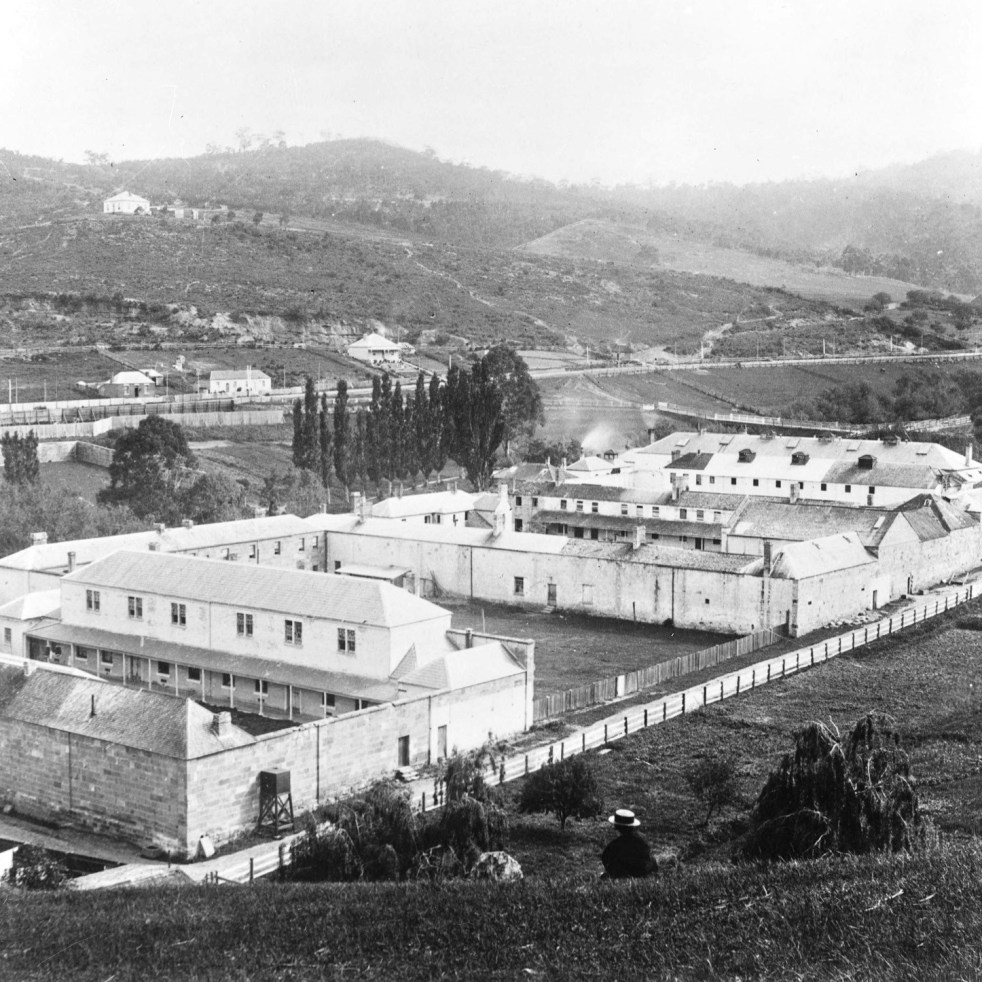
Public art in Hobart tells the story of female convicts in Van Diemen’s Land

Public art has been used in Hobart to reveal stories of female convicts that have been hidden in the shadows for decades on the Hobart waterfront and at the Cascades Female Factory.

Aesthetics · Art · Artefacts · Artists · Belonging · Camden · Camden Story · Craft · Cultural and Heritage Tourism · Cultural Heritage · Ephemera · Families · Family history · Fashion · First World War · France · Grief · Heritage · Local History · Memorial · Memory · Place making · Placemaking · War · War at home · Wartime · Women's stories · World War One

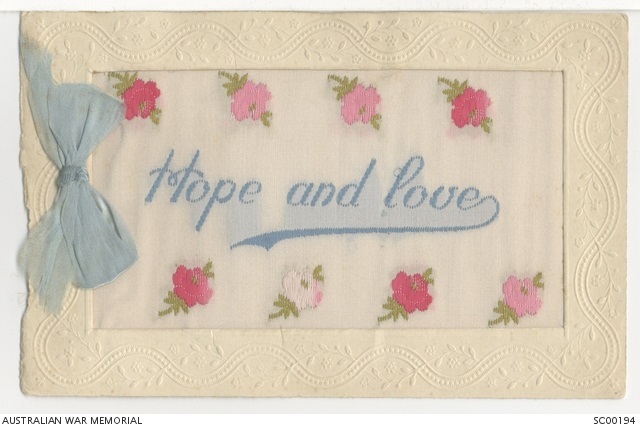
An embroidered silk postcard for Millie at Christmas 1916

A postcard from Frederick for sister Millie During the First World War, local soldier Frederick Kelloway sent his sister, Millie, an embroidered silk postcard to celebrate Christmas and New Year at home in 1916. The front of the embroidered silk postcard that Frederick Kelloway sent his sister Millie in 1916. (KCordina 2023) Millieโ€™s great-granddaughter Kellee… Continue reading An embroidered silk postcard for Millie at Christmas 1916

20th century · Architecture · Argyle Street · Built heritag · Camden · Camden Cottage · Camden Council Heritage Advisory Committee · Camden Heritage Conservation Area · Camden Material and Colour Guide · Camden Story · Camden Town Centre · Cultural and Heritage Tourism · Cultural Heritage · Domestic Architecture · Edwardian · Heritage · House history · Housing · Housing styles · Interwar · Local History · Local Studies · Placemaking · Sense of place · Uncategorized · Urban growth · Urban history · Urban Planning · Urbanism

Camden Material and Colour Guide, a heritage building guide

Camden Material and Colour Guide In 2023, Camden Council published the Camden Material and Colour Guide. The guide was the initiative of the Camden Council Heritage Advisory Committee. The aim of the guide The Material and Colour Guide aims to provide a handy guide for owners of heritage buildings with practical tips on working with… Continue reading Camden Material and Colour Guide, a heritage building guide

Advertising · Agriculture · Agriculture history · Argyle Street · Attachment to place · Belonging · Camden Story · Celebrate Camden Festival · Collective Memory · Community Engagement · Community organisations · Cowpastures · Cowpastures Bicentennial · Cultural and Heritage Tourism · Cultural Heritage · Education · Festivals · Heritage · History · Local History · Local Studies · Memorialisation · Place making · Retailing · Sense of place · Stereotypes · Storytelling · Teamsters · Uncategorized

Celebrate Camden 93, a spring festival

In 2023, Camden celebrates the 30th anniversary of the Celebrate Camden 93 spring festival, initiated by the Camden Chamber of Commerce to boost tourism. Despite initial sponsorship issues, the event drew over 100,000 attendees and was deemed a success. Subsequent festivals struggled with community support, leading to its eventual discontinuation.