
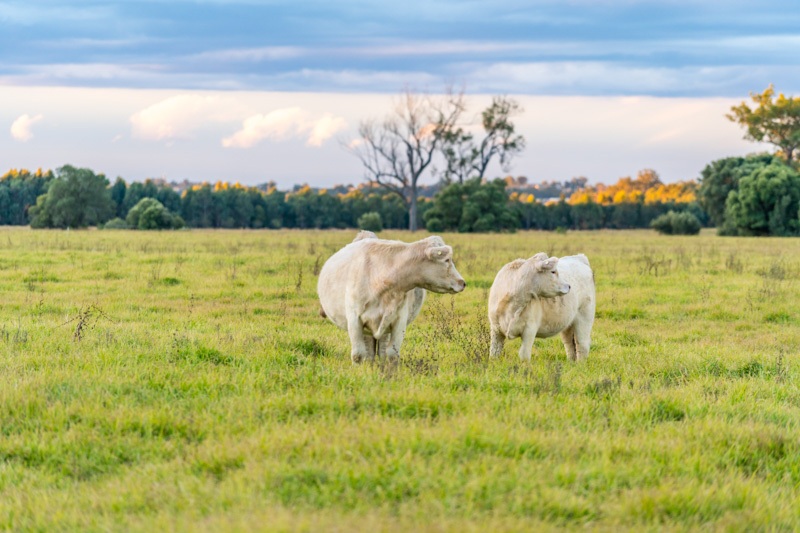
In 1985, the NSW Government released a landscape report on Camden Park Agricultural Research Station, highlighting its cultural significance amid urban encroachment. It described a complex cultural landscape, emphasising conservation needs. The site, now the Elizabeth Macarthur Agricultural Institute, is vital to agriculture and biosecurity, preserving the region's historical and cultural integrity.
Category: Farming history

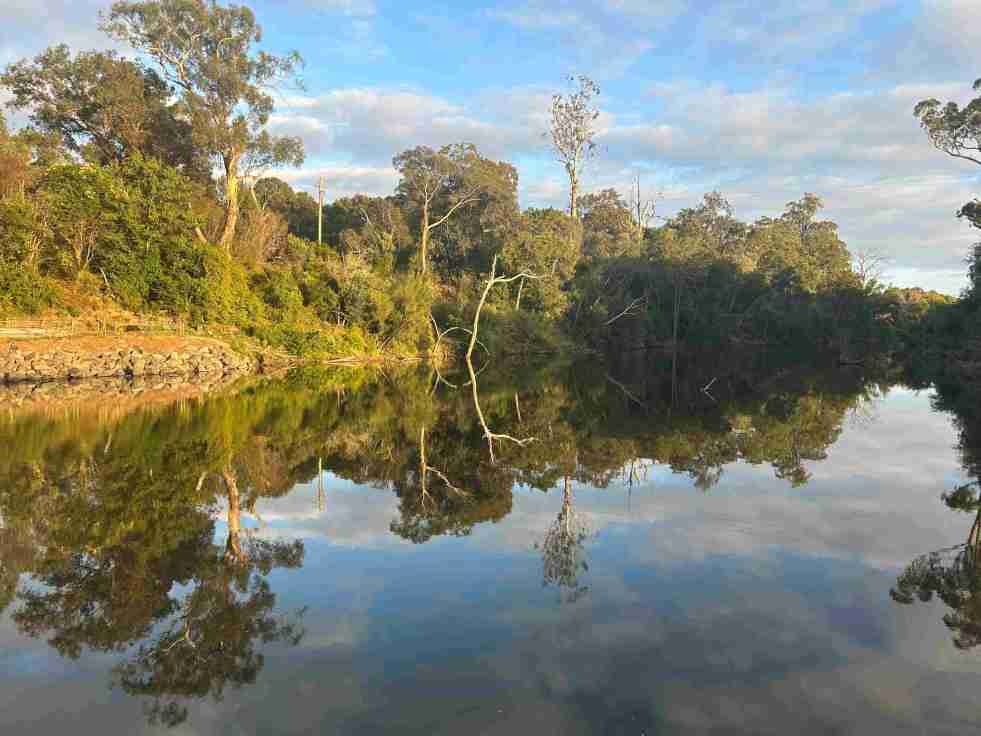
Discover Camden’s Agricultural Heritage and Legacy
Camden, New South Wales, is recognized as the birthplace of Australian agriculture, boasting significant historical and contemporary agricultural sites. Despite rapid growth and new residents' limited awareness of its agricultural legacy, Camden remains a vital hub for agricultural research and education, blending rural lifestyle with community connections and open spaces.
Share this:

Share this:

Insights from the Hawdon Letters: Colonial Life in NSW, Part 2, 1831-1833
John Hawdon's letters from New South Wales (1831-1833) reveal colonial life, highlighting farming challenges, isolation from England, and the high costs of communication. These letters provide insights into market conditions, crop successes, and family updates, showcasing the Hawdons' experiences and adaptations in a new land, while retaining original spelling and structure.
Share this:

Share this:
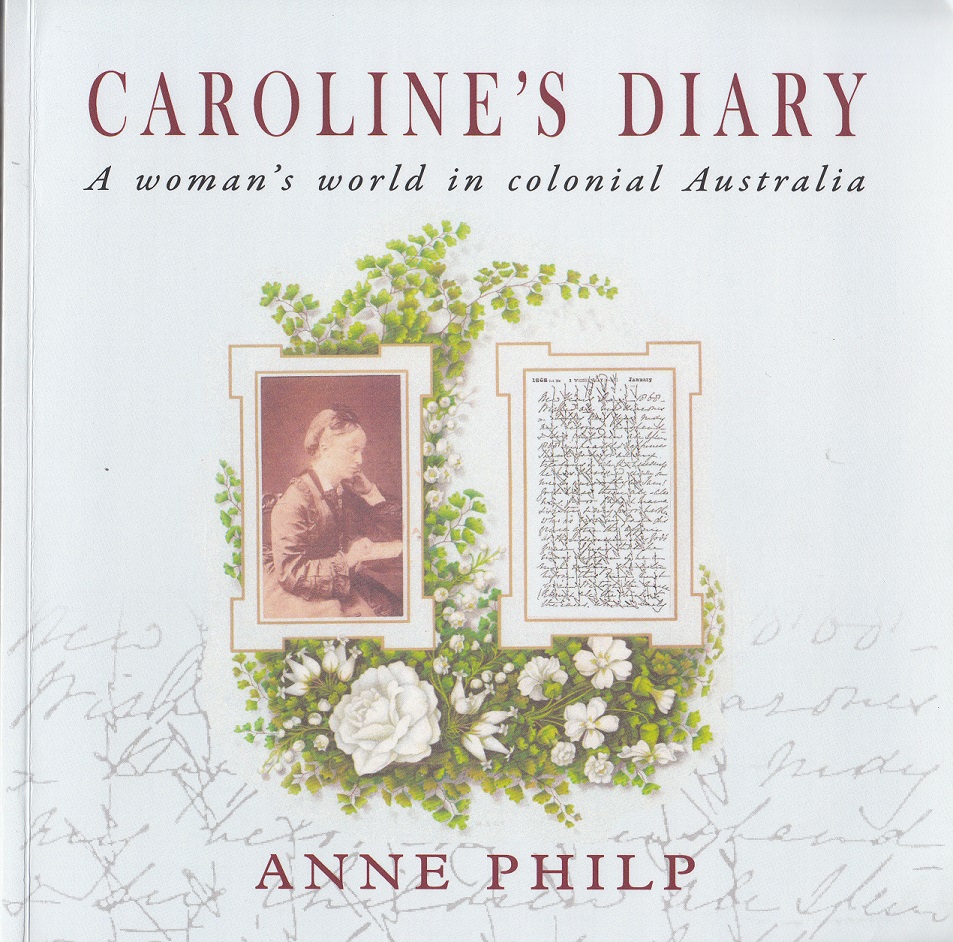
Exploring Caroline’s Diary: A Women’s Perspective on Colonial Australia
Anne Philp's "Caroline’s Diary" narrates the life of Caroline Husband, an Englishwoman who migrated to colonial Australia in the mid-19th century. Through her personal diaries, readers explore her adventures, social life, and experiences from England to New South Wales, providing insights into women's roles and societal dynamics during this period.
Share this:

Share this:
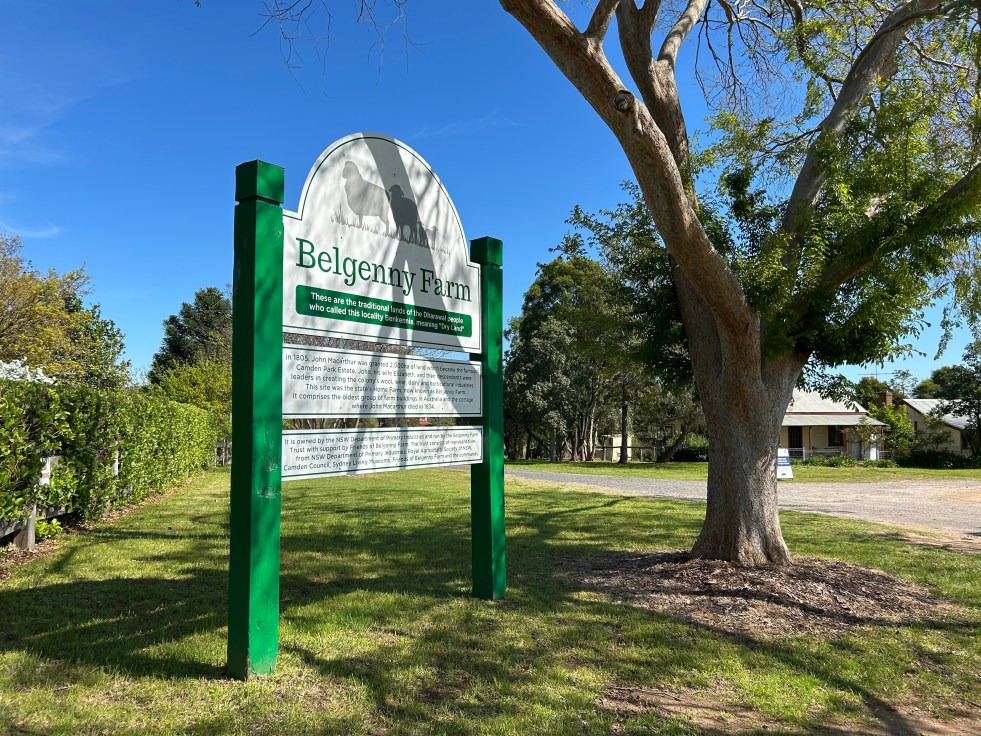
Exploring Belgenny Farm: Australia’s Oldest Farm Complex
Belgenny Farm, located in Camden, NSW, is Australia’s oldest surviving group of farm buildings, dating back to the 1820s. This historical site includes significant structures like stables, a coach house, and a community hall. It holds cultural importance through its association with the Macarthur family and continues to serve educational purposes.
Share this:

Share this:
Explore History with Friends of Belgenny Farm Events
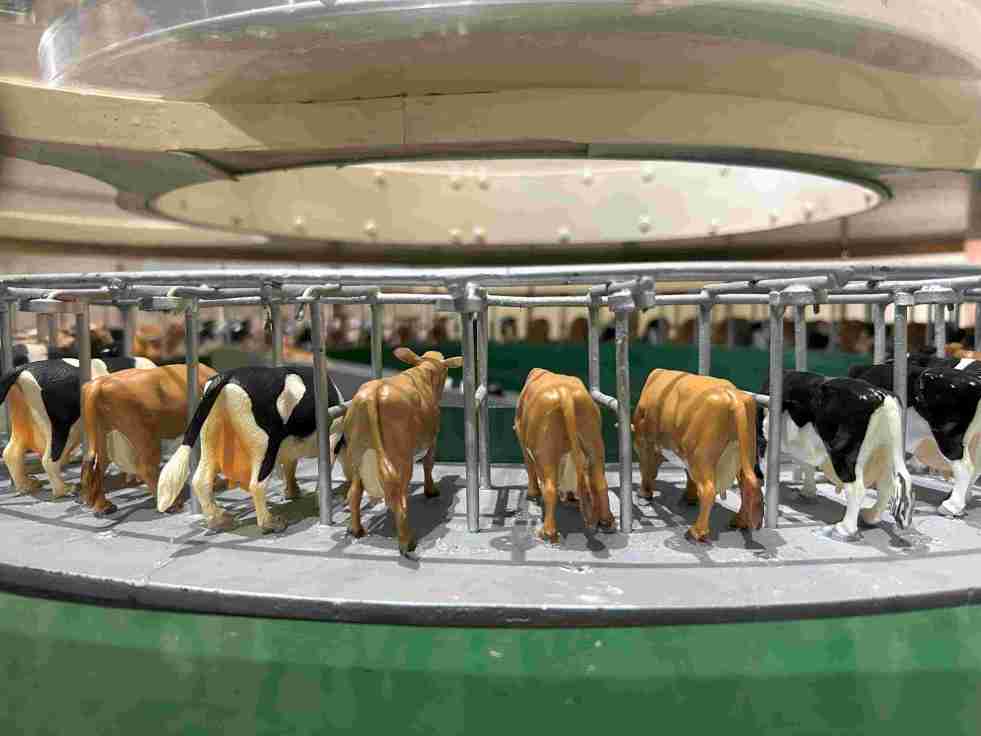
On a cloudy day in late May 2025, the Friends of Belgenny Farm held an open day attracting over 285 visitors interested in early Australian history. The event featured various stalls, historical displays, and guided tours of the historic site, which holds national significance and showcases Australia's earliest colonial farm buildings.
Share this:

Share this:
2025 Camden Show: A Photographic Journey
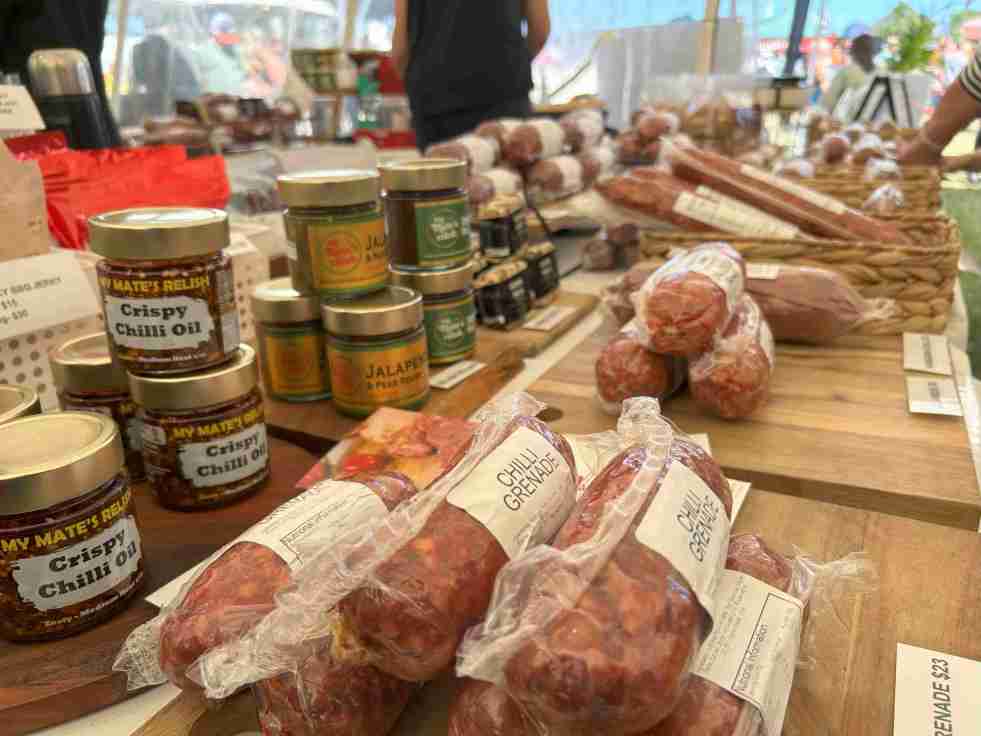
The photographic essay captures the vibrant atmosphere of the 2025 Camden Show, showcasing various activities, displays, and exhibitions. Highlights include the Woolworths produce pavilion, enthusiastic attendance from parents at performances, and contributions from local services like the Rural Fire Service, NSW Fire Brigade, and police, enriching the community experience.
Share this:

Share this:
Exploring Studley Park: A Victorian Italianate Heritage Site
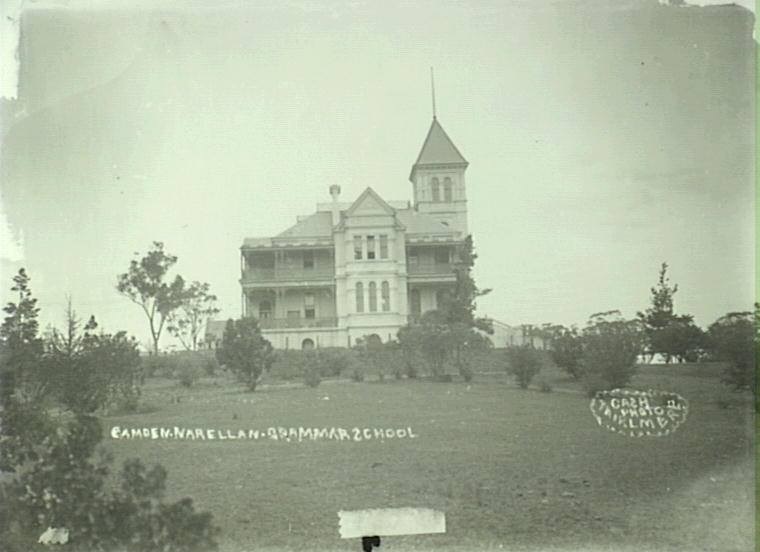
Studley Park House, located in Narellan, NSW, exemplifies Victorian Italianate architecture and holds state significance for its aesthetics and historical associations. Constructed in 1889 by architect firm AL & G McCredie for William Charles Payne, it served various purposes, including a school and military quarters, before becoming a private residence.
Share this:

Share this:

Explore Belgenny Farm: A Journey Through Time 2024
The 2024 Back to Belgenny festival showcased living history at Belgenny Farm, featuring reenactments, traditional trades, and various activities such as sheepdog trials and guided tours. The event included a demonstration by Governor Macquarie’s regiment and highlighted the farm's historical significance, providing visitors with an immersive glimpse into colonial agricultural life.
Share this:

Share this:
John Macarthur, Father of Australia’s Wool Industry, fact or fiction
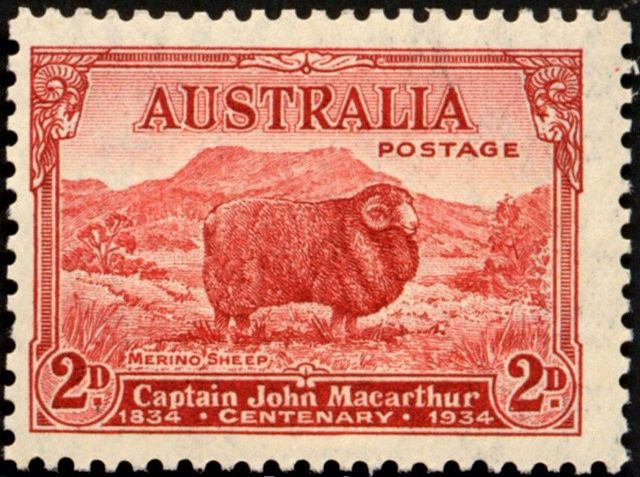
John Macarthur is credited with establishing fine wool as a key industry in New South Wales. During the interwar period, it was claimed that he was the father of the Australian wool industry. While significant, his contributions are part of a larger narrative involving many key figures in the industry. His legacy includes commemorative postage stamps, as well as his portrayal in literature and festivals celebrating wool production.

