Aesthetics · Art · Artefacts · Artists · Belonging · Camden · Camden Story · Craft · Cultural and Heritage Tourism · Cultural Heritage · Ephemera · Families · Family history · Fashion · First World War · France · Grief · Heritage · Local History · Memorial · Memory · Place making · Placemaking · War · War at home · Wartime · Women's stories · World War One

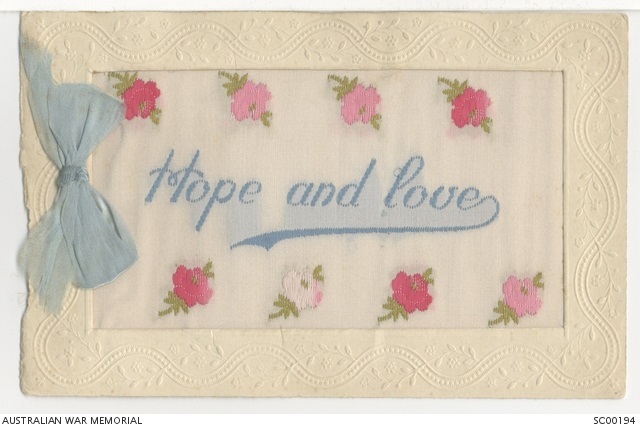
An embroidered silk postcard for Millie at Christmas 1916

A postcard from Frederick for sister Millie During the First World War, local soldier Frederick Kelloway sent his sister, Millie, an embroidered silk postcard to celebrate Christmas and New Year at home in 1916. The front of the embroidered silk postcard that Frederick Kelloway sent his sister Millie in 1916. (KCordina 2023) Millie’s great-granddaughter Kellee… Continue reading An embroidered silk postcard for Millie at Christmas 1916

20th century · Anzac · Art · Attachment to place · Belonging · Camden Story · Craft · Crafts · Cultural Heritage · Cultural icon · Cultural plantings · Design · Family history · Festivals · History · History of Emotion · Living History · Local History · Local Studies · localism · Memorial · Memorialisation · Memorials · Memory · Metaphor · Military history · Modernism · Monuments · Patriotism · Place making · Propaganda · Second World War · Sense of place · Sewing · Stereotypes · Storytelling · Symbolism · Uncategorized · Volunteering · Volunteerism · War · War at home · Wartime · Women's diaries · Women's history · World War One

Red Flanders poppies, a field of memories

The red poppy carries a lot of symbolism in cultural mythologies from remembrance to sacrifices. The simple flower triggers outpouring of emotion, memories and commemorations on Anzac Day and Remembrance Day every year.

Attachment to place · Belonging · Blue Plaques · Camden Red Cross · Camden Story · Cultural Heritage · Cultural icon · First World War · Historical consciousness · History · Local History · Local Studies · Memorial · Memory · Military history · Myths · Philanthropy · Pioneers · Place making · Red Cross · Second World War · Sense of place · Storytelling · Volunteering · Volunteerism · War · War at home · Wartime · Women's history · World War One

Blue Plaque recognises Camden Red Cross sewing circle in wartime

The wartime efforts of Camden women have been recognised by the successful nomination for a New South Wales Blue Plaque with Heritage NSW. The women volunteered thousands of hours of their effort and skills to supply hospital requisites for soldiers at military hospitals.

Argyle Street · Camden · Camden Council · Camden Historical Society · Camden Museum · Camden Red Cross · Camden Show · Churches · Coal mining · Colonial Camden · Country Women's Association · Cultural Heritage · Dairying · Elizabeth Macarthur · Farming · First World War · Floods · Heritage · History · Living History · Local History · Local newspapers · Local Studies · Macarthur · Macarthur Park · Nepean River · Philanthropy · Place making · Placemaking · Railway · Red Cross · Schools · Second World War · Sense of place · Settler colonialism · Settler Society · Silver mining · Storytelling · Sydney's rural-urban fringe · Uncategorized · Urban development · Urban growth · Urban Planning · urban sprawl · Urbanism · Volunteering · Volunteerism · Wartime · World War One

Camden, a Macarthur family venture

The establishment of Camden, New South Wales, the town in 1840, was a private venture of James and William Macarthur, sons of colonial patriarch John Macarthur, at the Nepean River crossing on the northern edge of the family’s pastoral property of Camden Park. The town’s site was enclosed on three sides by a sweeping bend in the Nepean River and has regularly flooded the surrounding farmland and lower parts of the town.

1920s · 20th century · Anzac · Convalescent Home · Convalescent hospital · Cultural Heritage · First World War · Heritage · Medical history · Military history · Patriotism · Picton · Red Cross · Sense of place · Shell Shock · Storytelling · Uncategorized · VAD · Voluntary Aid Detachment · Volunteering · Volunteerism · War · War at home · Wartime · World War One

Waley Convalescent Home at Mowbray Park

In 1919 Mowbray Park, five kilometres west of Picton, was handed over to the Commonwealth Government to be converted to a convalescent home for invalided soldiers from the First World War. The home was called Waley after its philanthropic benefactors. 

Anzac · Art · Australia · Australian Comforts Fund · Camden · Camden District · Camden Story · Community Health · Craft · Crafts · Cultural Heritage · Cultural icon · Dress history · Fashion · First World War · Handcraft · Heritage · Historical consciousness · Historical Research · Historical thinking · History · Local History · Local Studies · Memory · Military history · Nationalism · Paintings · Patriotism · Philanthropy · Pictures · Red Cross · Second World War · Social History · Storytelling · Volunteering · Volunteerism · War · War at home · Wartime · Women's agency · Women's history · Women's stories · World War One

The patriotism of the wartime sock knitter

During World War I, hand-knitted socks became crucial for soldiers facing harsh conditions, preventing trench foot. Women across the British Empire, particularly in Australia, organized knitting efforts, leading to over 1.3 million pairs made. These efforts provided essential support and represented women's patriotism in wartime, often alleviating grief through their contributions.

1920s · Anzac · Architecture · Attachment to place · Belonging · Biography · Camden · Camden Cottage · Camden Story · Colonial Camden · Community identity · Cultural Heritage · Dairying · Dr West · Economy · Elderslie · Families · Family history · Farming · First World War · Gardening · Genealogy · Heritage · Historical consciousness · Historical Research · Historical thinking · History · History of a house · House history · Interwar · Landscape · Living History · Local History · Local newspapers · Local Studies · Memory · Military history · Myths · Place making · Placemaking · Ruralism · Sense of place · Settler colonialism · Social History · Storytelling · Voluntary Workers Association · War · War at home · welfare · World War One

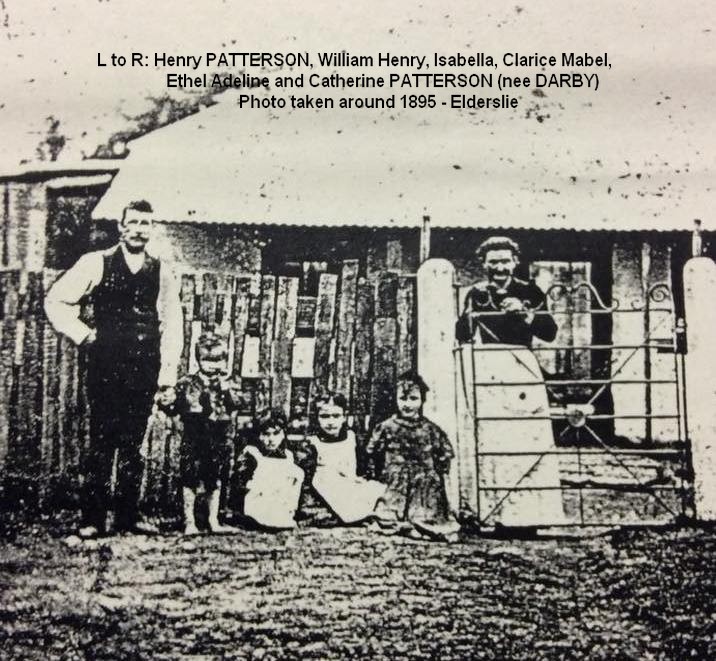
The Patterson family of Elderslie, the value of family histories

The story of the Patterson family of Elderslie NSW illustrates the value and importance of family history.

Art · Blue Plaques · British Red Cross · Community work · Country Women's Association · CWA · First World War · Heritage · Lady Helen Munro Ferguson · Media · Memory · Motherhood · Myths · Nationalism · Newspapers · Patriotism · Poster Art · Red Cross · Second World War · Social History · Volunteering · Volunteerism · War · War at home · Wartime · Women's history · World War One

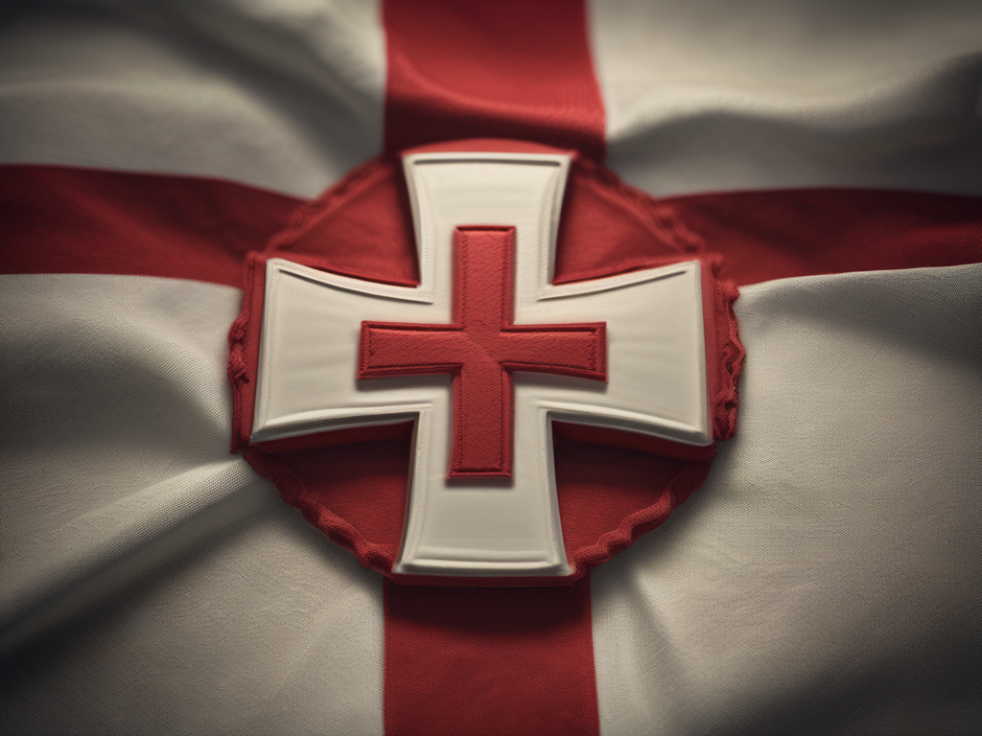
Angels of Mercy, Red Cross volunteers

For the many during the First World the Red Cross became the soldier's guardian angel. The metaphor was expressed in poster, literature, the popular press and a host of other locations.

Active citizenship · Attachment to place · British colonialism · British Heritage · British Red Cross · Camden District · Cobbitty · Community celebrations · Community Engagement · Community Health · Community identity · Community organisations · Community work · Cultural Heritage · First World War · Heritage · History · Holidays · Local History · Memory · Monuments · Mount Hunter · New Year's Sports Day · Place making · Red Cross · Storytelling · Village · Volunteering · Volunteerism · War · War at home · Wartime · World War One

Cobbitty New Year’s Day Village Sports Day Benefits War Effort

Cobbitty Sports Day on New Year's Day, 1915 A major event on the social calendar of a number of picturesque villages in the Camden district was the annual New Year’s Day Sports Carnivals. Cobbitty's St Paul's Anglican Church 1910 (Camden Images) The New Year's Sports Day was part of the English traditions brought to the… Continue reading Cobbitty New Year’s Day Village Sports Day Benefits War Effort