Anzac · Attachment to place · Australia Day · Camden Red Cross · Camden Story · Collective Memory · Community Health · Community identity · Cultural Heritage · Festivals · First World War · Heritage · Historical consciousness · History · Local History · Local Studies · Macarthur · Medical history · Menangle Army Camp · Modernism · Myths · Narellan Military Camp · Philanthropy · Place making · Red Cross · Ruralism · Second World War · Sense of place · Storytelling · Volunteering · Volunteerism · War · War at home · Women's Writing

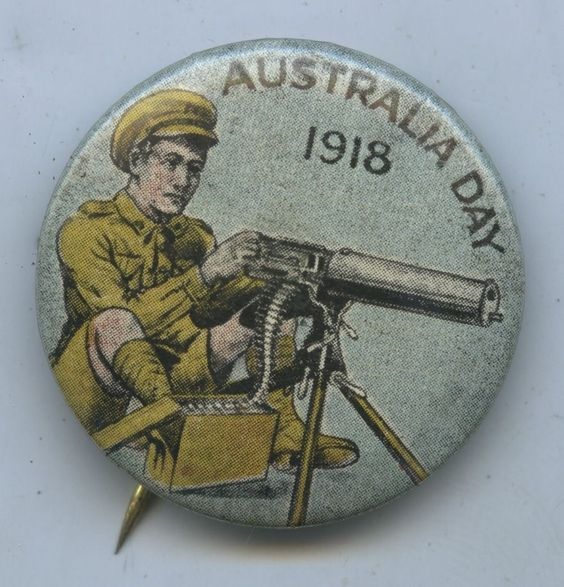
Australia Day 1918, Red Cross Fundraising Activities in Camden

Australia Day fundraisers in 1918 played a crucial role in supporting the war effort, with various activities such as selling badges, public subscriptions, prayer services, lectures, and door-knocks. The Camden Red Cross raised a significant amount, as did Menangle and Narellan branches. The total effort amounted to £748, a substantial sum for the time.

Active citizenship · Agency · Anzac · Australian Red Cross · British Red Cross · Camden Red Cross · Camden Story · Community Health · Community identity · Community organisations · Community work · Country town · Craft · Cultural Heritage · First World War · History · Interwar · Lady Helen Munro Ferguson · Local Studies · Lost Camden · Medical history · Medical Humanities · Military history · Nationalism · Not-for-profit · Nursing · Patriotism · Place making · Political history · Red Cross · Red Cross Humanitarianism · Red Cross Movement · Second World War · Sense of place · Small town · Social History · Stories · Storytelling · Trauma · VAD · Voluntary Aid Detachment · Volunteering · War · War at home · Wartime · Women's agency · Women's history · Women's stories · World War One

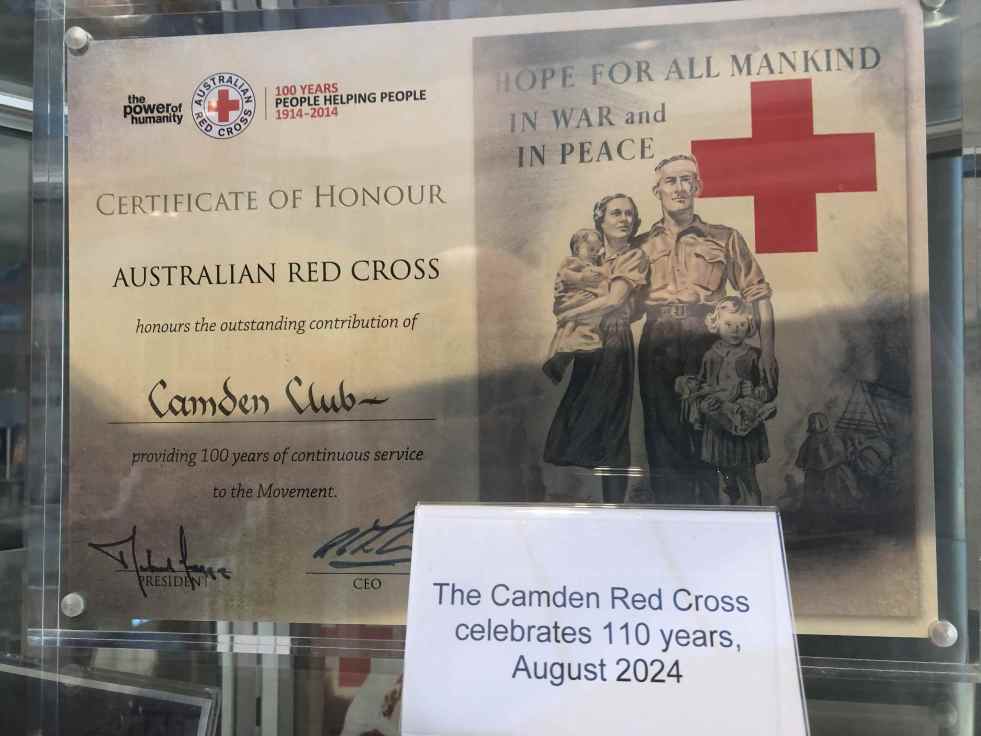
Camden Red Cross 110 Years Display: Objects and Ephemera Exhibition 2024

The Camden Red Cross exhibition at Camden Library in August 2024 showcased the historical contributions of local women to the Red Cross during World Wars I and II. Women from the Camden district played a pivotal role in supporting soldiers and shaping the narrative of the Australian Red Cross, creating over 20,300 articles in 40,000 volunteer hours during WWI.

Attachment to place · Belonging · Camden · Camden Museum · Camden Story · Collective Memory · Colonial Camden · Community identity · Cultural Heritage · Cultural icon · Economy · Education · Farming · Heritage · Historical consciousness · Historical Research · Historical thinking · History · Legends · Living History · Local History · Local Studies · Lost Camden · Macarthur · Memory · Modernism · Narellan · Place making · Placemaking · Railway · Railway history · Second World War · Sense of place · Stories · Storytelling · Tourism · Transport

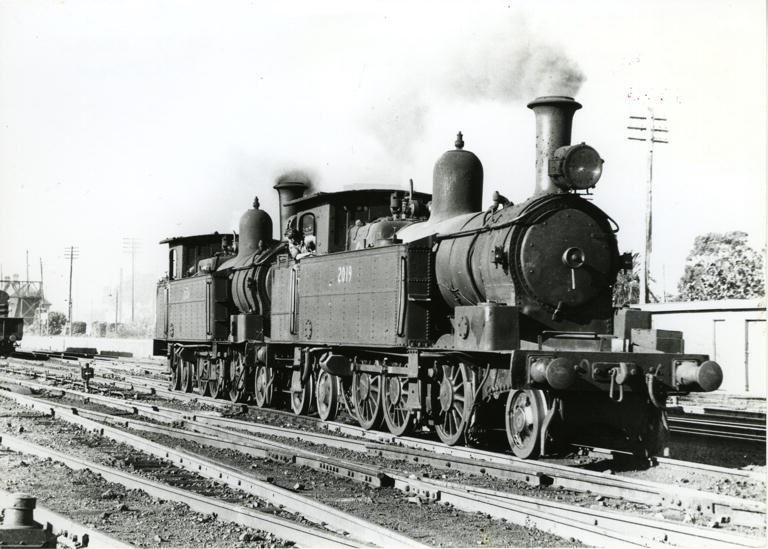
Exploring Camden’s Railway Heritage: Pansy and Its Timeless Stories

The Camden branch line, with its famous locomotive Pansy, holds a special place in the memories of locals and visitors. Operating from 1882 to 1963, it served as a lifeline for the community, transporting goods, passengers, and even wartime heroes. Despite its eventual closure, remnants of the line can still be seen today.

20th century · Anzac · Art · Attachment to place · Belonging · Camden Story · Craft · Crafts · Cultural Heritage · Cultural icon · Cultural plantings · Design · Family history · Festivals · History · History of Emotion · Living History · Local History · Local Studies · localism · Memorial · Memorialisation · Memorials · Memory · Metaphor · Military history · Modernism · Monuments · Patriotism · Place making · Propaganda · Second World War · Sense of place · Sewing · Stereotypes · Storytelling · Symbolism · Uncategorized · Volunteering · Volunteerism · War · War at home · Wartime · Women's diaries · Women's history · World War One

Red Flanders poppies, a field of memories

The red poppy carries a lot of symbolism in cultural mythologies from remembrance to sacrifices. The simple flower triggers outpouring of emotion, memories and commemorations on Anzac Day and Remembrance Day every year.

1920s · 1930s · Architecture · Attachment to place · Built heritag · Business History · Collective Memory · Community Health · Cultural Heritage · Design · Edwardian · Film · Foresters Hall (former) · Heritage · History · Interwar · Leisure · Living History · Local History · Local Studies · Memory · Modernism · Movies · Narellan Military Camp · Placemaking · Second World War

The former Foresters’ Hall, a marvellous Edwardian building

In Camden NSW the former Foresters’ Hall occupies one of the most prominent sites in the Town Centre on Oxley Street and Argyle Street at 147 Argyle Street. On its opening in 1908, the hall was considered the best in New South Wales by the Order of Royal Foresters.

Argyle Street · Camden · Camden Council · Camden Historical Society · Camden Museum · Camden Red Cross · Camden Show · Churches · Coal mining · Colonial Camden · Country Women's Association · Cultural Heritage · Dairying · Elizabeth Macarthur · Farming · First World War · Floods · Heritage · History · Living History · Local History · Local newspapers · Local Studies · Macarthur · Macarthur Park · Nepean River · Philanthropy · Place making · Placemaking · Railway · Red Cross · Schools · Second World War · Sense of place · Settler colonialism · Settler Society · Silver mining · Storytelling · Sydney's rural-urban fringe · Uncategorized · Urban development · Urban growth · Urban Planning · urban sprawl · Urbanism · Volunteering · Volunteerism · Wartime · World War One

Camden, a Macarthur family venture

The establishment of Camden, New South Wales, the town in 1840, was a private venture of James and William Macarthur, sons of colonial patriarch John Macarthur, at the Nepean River crossing on the northern edge of the family’s pastoral property of Camden Park. The town’s site was enclosed on three sides by a sweeping bend in the Nepean River and has regularly flooded the surrounding farmland and lower parts of the town.

Camden Bowling Club · Carrington Aged-Care Complex · Catholic Women's League · Community identity · Community work · Cultural Heritage · Entertainment · Family history · Genealogy · Heritage · Living History · Local History · Local Studies · Memory · Motherhood · Music · Music history · Orangeville · Place making · Radical history · Roman Catholic Church · Second World War · Sense of place · Storytelling · The Oaks · Volunteering · Volunteerism · Wartime · Weddings · Wollondilly Shire Council · Women's history

An amazing woman, Sheila Murdoch

Sheila Murdoch was a community worker, musician and mother of five children. She was a rural woman from Orangeville who served her community, church and family.

1920s · Camden · Camden Council · Community identity · Cricket · Cultural Heritage · Entertainment · Football · Heritage · History · Leisure · Local History · Onslow Park · Parks · Place making · Recreation · Second World War · Sport · Storytelling · Uncategorized · War at home

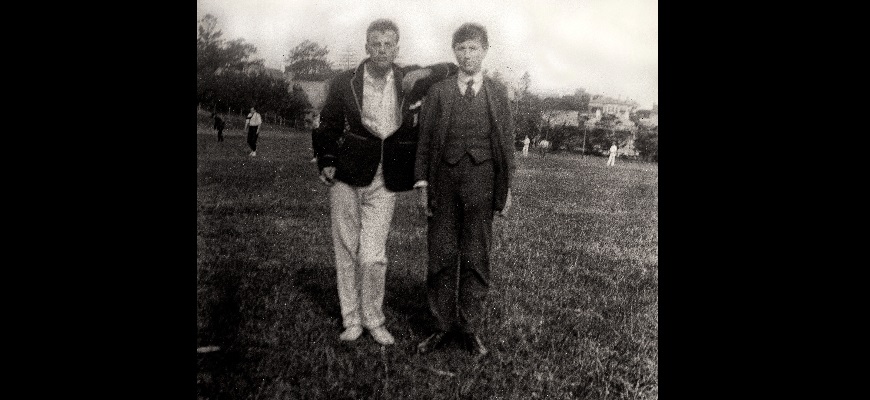
Sunday sport banned in Camden

Camden has a fine tradition of sport and sporting events back into the 19th century. But one day in 1925 Camden’s civic leaders banned Sunday sport at Onslow Park.

20th century · Anzac · Aviation · Camden Airfield · Camden Story · Cultural Heritage · Eastern Command Training School, Narellan, NSW · First World War · Heritage · History · Local History · Local Studies · Memorials · Menangle · Military history · Monuments · Narellan Military Camp · Sense of place · Storytelling · Uncategorized · War · War at home · Wartime

Camden War Cemetery

Camden War Cemetery has the graves of a number of service personnel from the Second World War who were killed while based in the local area.

Adaptive Re-use · Anzac · Aviation · Camden Airfield · Cultural Heritage · Engineering Heritage · England · Heritage · History · Living History · Local History · Local Studies · Memory · Military history · Nationalism · Patriotism · Place making · Second World War · Sense of place · Storytelling · Tourism · Transport · Uncategorized · War · War at home · Wartime

Understanding Bellman Hangars: Camden’s WWII Heritage

Camden Airfield's Bellman hangars, erected during World War II, served as transportable structures for the RAAF Central Flying School under the Empire Air Training Scheme. British-designed by NS Bellman in 1936, these hangars represent Australia's aviation heritage and were crucial for pilot training. Over 280 were supplied across Australia and New Guinea and are part of the country's aviation archaeology.