Aesthetics · Agricultural heritage · Agriculture · Attachment to place · British colonialism · Colonial frontier · Colonialism · Convicts · Cowpastures · Cultural Heritage · Cultural icon · England · Families · Farming · Georgian · Goulburn · Heritage · Historical Research · History · History of a house · House history · Landscape · Landscape aesthetics · Legends · Local History · Local Studies · Macarthur · Memory · Pioneers · Place making · Ruralism · Sense of place · Settler colonialism · Tourism

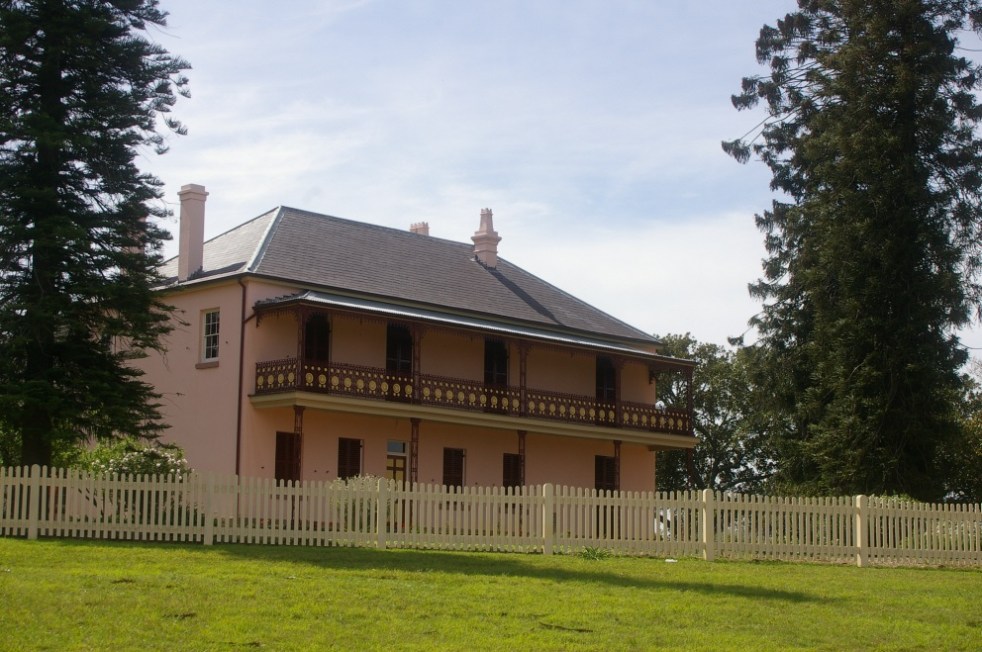
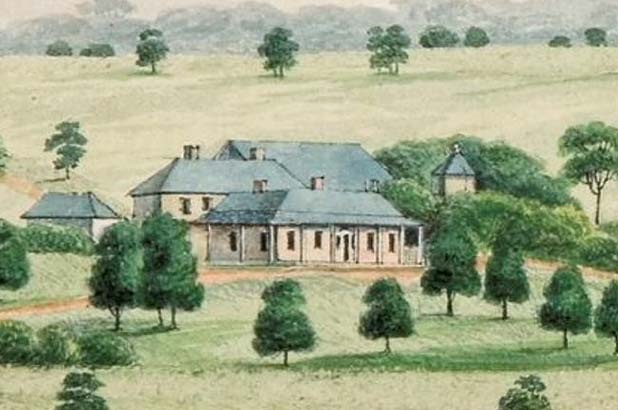
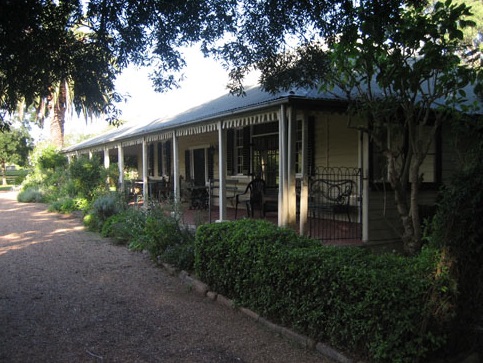
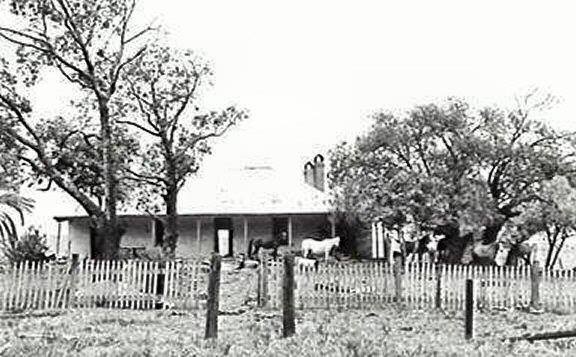
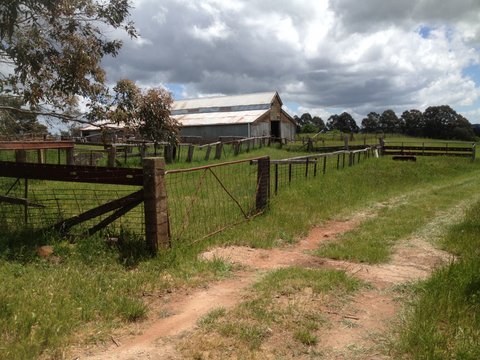
Richlands, an outpost of a colonial farming empire

The Richlands estate, north of Goulburn in the NSW Southern Tablelands, was an important part of the Macarthur family pastoral empire for nearly 100 years.  The Richlands estate acted as an outstation about one days ride west of Camden Park estate.

Adaptive Re-use · Aesthetics · Architecture · Attachment to place · Australia · Bella Vista Farm · Belonging · British colonialism · Camden Park House and Garden · Colonial Camden · Colonial frontier · Colonialism · Community identity · Convicts · Cultural Heritage · Cultural icon · Family history · Farming · Frontier violence · Georgian · Heritage · Historical consciousness · Historical Research · Historical thinking · History · History of a house · House history · Landscape · Landscape aesthetics · Lifestyle · Living History · Local History · Local Studies · Macarthur · Memory · Monuments · Myths · Place making · Ruralism · Sense of place · Settler colonialism · Storytelling · Tourism · Urban growth · urban sprawl · Women's history

Bella Vista Farm, an early part of the Macarthur rural empire

Bella Vista Farm is an early part of the Macarthur family pastoral empire and an important site in the history of colonial NSW.

Adaptive Re-use · Aesthetics · Agricultural heritage · Agriculture · Architecture · Attachment to place · Australia · Australian Historic Themes · Camden Story · Colonial Camden · Colonial frontier · Colonialism · Community identity · Conservation · Convicts · Cultural Heritage · Cultural icon · Elizabeth Farm · Elizabeth Macarthur · England · Families · Family history · Gardening · Georgian · Heritage · Historical consciousness · Historical Research · Historical thinking · History · History of a house · House history · Landscape · Landscape aesthetics · Living History · Local History · Macarthur · Memory · Parramatta · Place making · Sense of place · Settler colonialism · Settler Society · Storytelling · Victorian · Women's history

Elizabeth Farm, the foundation story of the Macarthur rural empire

Elizabeth Farm was the home of John and Elizabeth Macarthur for over 35 years, playing a central role in Australia's wool industry. Following years of neglect, it was transformed into a house museum in 1984. With extensive gardens and historical significance, it stands as one of the oldest surviving constructions in Australia.

Agriculture · Attachment to place · Australia · British colonialism · Colonial frontier · Colonialism · Community identity · Convicts · Cowpastures · Cultural Heritage · Denbigh · Economy · Elderslie · England · Farming · Gothic · Heritage · Historical consciousness · Historical Research · Historical thinking · History · Living History · Local History · Local Studies · Macarthur · Memory · Place making · Radical history · Sense of place · Settler colonialism · Storytelling

Convicts in the Cowpastures, an untold story

The convicts in the Cowpastures is an untold story of the colonial settler society of early New South Wales.

Appin · Architecture · Attachment to place · Australia · British colonialism · Campbelltown · Colonial frontier · Colonialism · Communications · Community identity · Cowpastures · Cultural Heritage · Cultural icon · Curtilage · Dairying · Farming · Frontier violence · Governor Macquarie · Heritage · Historical consciousness · Historical Research · Historical thinking · History · Landscape aesthetics · Local History · Local Studies · Macarthur · Monuments · Place making · Ruralism · Sense of place · Settler colonialism · Sydney's rural-urban fringe · Town planning · Transport · Urban growth · Urban Planning · urban sprawl · Urbanism · Victorian

Beulah and Sydney’s Urban Sprawl

Beulah estate, Sydney's urban sprawl and the Appin Road

Agriculture · Attachment to place · Belonging · Camden · Churches · Colonialism · Community identity · Cowpastures · Cultural Heritage · Elderslie · Farming · Hawkesbury-Nepean river · Heritage · Horticulture · John Oxley · Landscape · Local History · Local Studies · Pioneers · Place making · Railway · Sense of place · Settler colonialism · Settler Society · St Mark's Church Elderslie · Storytelling · Sydney's rural-urban fringe · Urban development · Urban growth · Urban Planning · urban sprawl · Urbanism · Village

Elderslie, a suburb on Sydney’s fringe

A history of continuity and change Elderslie is a suburb of Camden, the traditional land of the Dharawal people.  It lies on the southern end of the Camden Municipality, 62 km southwest of Sydney, on the rural-urban fringe. Elderslie borders the Nepean River to the west, Narellan Creek to the north, Camden By-Pass to the… Continue reading Elderslie, a suburb on Sydney’s fringe

Aesthetics · Agriculture · Attachment to place · Australia · Belonging · British colonialism · Colonial Camden · Colonial frontier · Colonialism · Community identity · Convicts · Cowpastures · Cultural Heritage · Cultural icon · Curtilage · Economy · Elderslie · England · Farming · Frontier violence · Georgian · Gothic · Heritage · Historical consciousness · Historical Research · Historical thinking · History · Landscape · Landscape aesthetics · Local History · Local Studies · Macarthur · Narellan · Place making · Ruralism · Sense of place · Settler colonialism · Storytelling · Stuart Park Wollongong

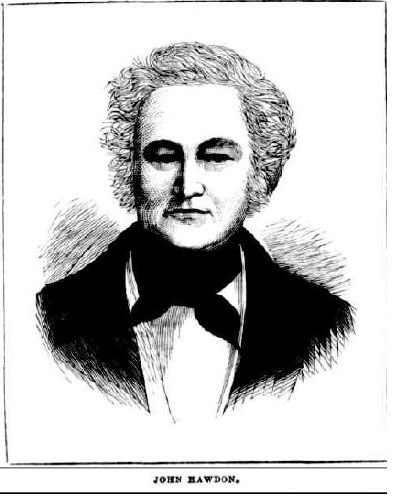
John Hawdon of Elderslie in a settler society

John Hawdon of Elderslie was part of the story of settler colonialism in New South Wales in the early 19th century.

Colonial Camden · Cowpastures · Governor Macquarie · Uncategorized

Macquarie returns to the Cowpastures

Governor Macquarie returned for his third visit to the Cowpastures in 1820. Macquarie and his party set out from Parramatta Monday 16 October 1820 and journeyed through the Cowpasture in southern New South Wales. They returned to the Cowpasture on 3 November 1820. Read for yourself Governor Macquarie’s journal of the trip. Extracts from the… Continue reading Macquarie returns to the Cowpastures

British colonialism · Camden · Camden Story · Colonial Camden · Colonialism · Commemoration · Communications · Community identity · Cowpastures · Cowpastures Bicentennial · Cultural and Heritage Tourism · Cultural Heritage · Cultural icon · Dharawal · European Exceptionalism · Frontier violence · Governor Macquarie · Heritage · History · Landscape · Landscape aesthetics · Legends · Local History · Macarthur · Memorial · Memorialisation · Memorials · Memory · Monuments · Place making · Settler colonialism · Settler Society · Stereotypes · Storytelling · Symbolism · Trauma · Uncategorized

Governor Macquarie’s visit to the Cowpasture 1810

In November 1810, Governor Lachlan Macquarie (1762-1824) and Mrs Elizabeth Macquarie visited the Cowpastures. On that occasion, the Governor and Elizabeth Macarthur met the Dharawal people.

Agricultural heritage · Agriculture · Agriculture history · Attachment to place · Belgenny Farm · Belonging · Camden Story · Colonial Camden · Colonial frontier · Colonialism · Commemoration · Community celebrations · Community Engagement · Community identity · Cowpastures · Cowpastures Bicentennial · Cowpastures Estates · Cowpastures Gentry · Cowpastures River · Cultural Heritage · Entertainment · Festivals · Hawkesbury-Nepean river · Historical Research · Leisure · Local Studies · Lost Camden · Memorial · Memorialisation · Memorials · Memory · Monuments · Pioneers · Place making · Sense of place · Settler Society · Uncategorized

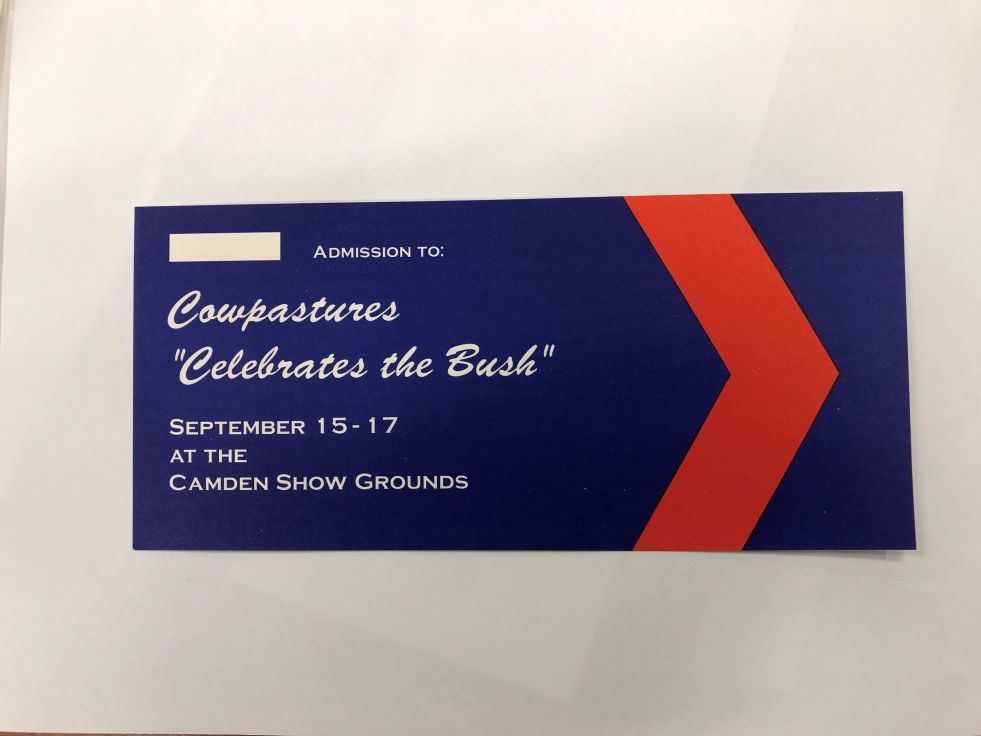
Cowpastures Bicentennial Celebrations 1995, the beginning of a settler society

Local festival In 1995, the Camden community held a 12-month programme of events to celebrate the bicentennial of the naming of the Cow Pastures by Governor Hunter in 1795 and the discovery of 61 head of wild cattle. The discovery of the cattle herd was an important event in the life of the fledgling colony… Continue reading Cowpastures Bicentennial Celebrations 1995, the beginning of a settler society