19th Century · 20th century · Architecture · British colonialism · Built heritag · Camden Built Heritage · Camden John Street Precinct · Camden Police Barracks · Collective Memory · Colonial Camden · Colonial frontier · Colonialism · Country town · Court of Petty Sessions · Cowpastures · Cowpastures district · Cowpastures Estates · Cowpastures Gentry · Cowpastures Region · Cultural Heritage · Heritage · History of a building · Local History · Local Studies · Military history · Place making · Policing · Sense of place · Settler Society · Small town · Stories · Storytelling · Uncategorized · Urban history · Victorian

Camden Police Station and Residence: A Historical Landmark in Camden

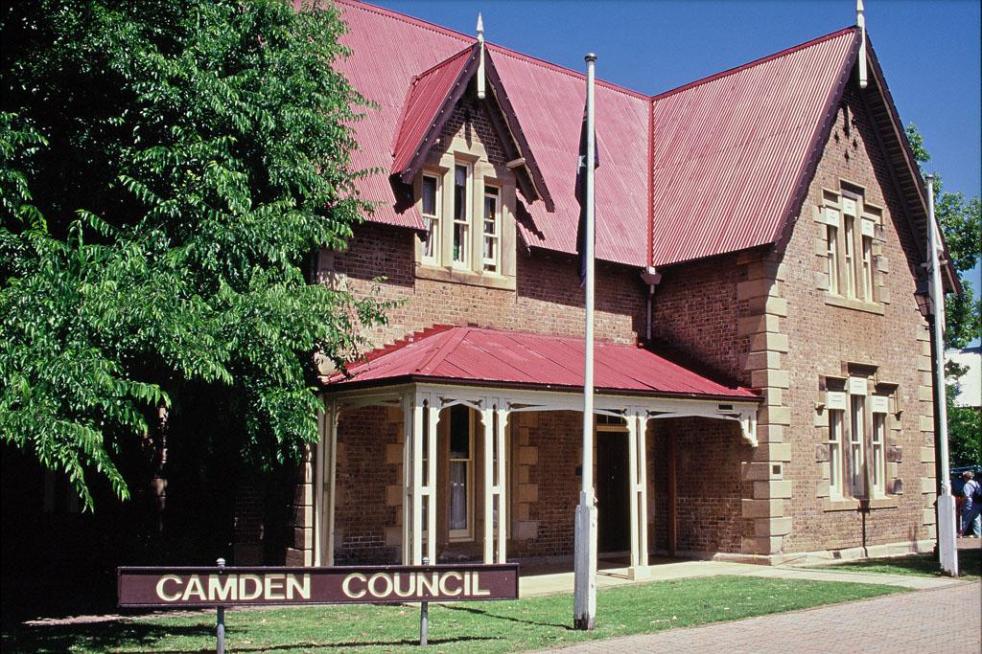
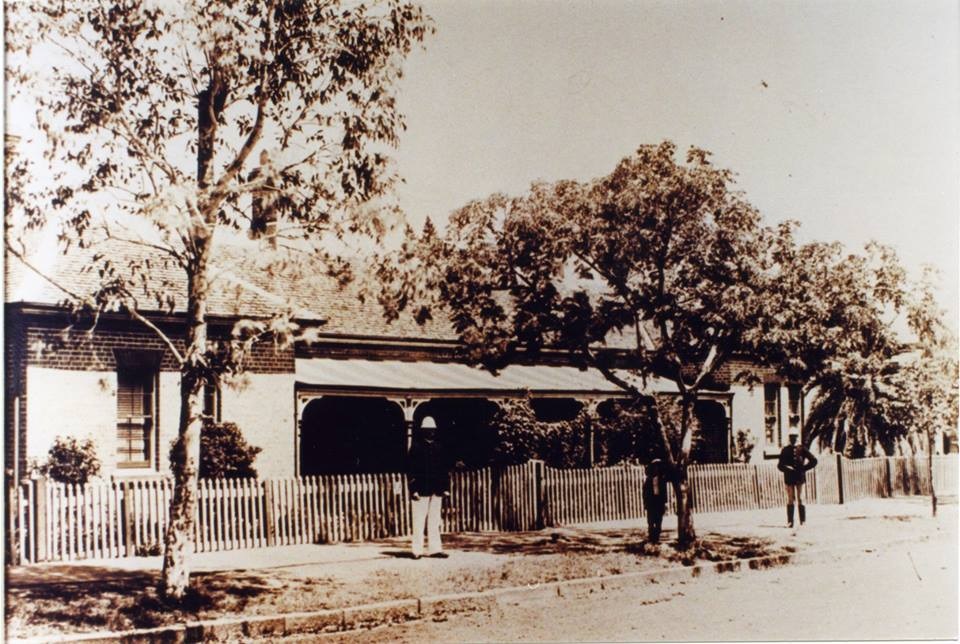
Camden Police Station, a single-storey brick building at 35 John Street, was constructed in 1878 and served the NSW Police Service until 2011. Designed by James Barnet, it features historical architectural elements, including a paved verandah and brick chimneys. Currently vacant, it is recognized for its heritage value within the Camden community.

Active citizenship · Attachment to place · Camden · Camden Council · Camden Mayor · Camden Story · Camden Town Centre · Community identity · Community organisations · Community work · Cultural Heritage · Living History · Local History · Local newspapers · Local Studies · Newspapers · Place making · Roads · Sense of place · Stories · Storytelling · Town planning · Trust · Urban development · Urban growth · Urban Planning · Urbanism

Camden Town Centre Enhancement Strategy: Stakeholder Concerns and Community Engagement

The 2014 Camden Town Centre Enhancement Strategy has faced controversy and distrust from residents and stakeholders, leading to a significant trust deficit. The proposed decked car park and lack of early and robust community engagement have fueled skepticism and discontent. Community consultation principles and the mayor's defense of the process are under scrutiny. Stakeholder concerns about legitimacy align with international practices.

20th century · Agricultural heritage · Agriculture history · Art · Attachment to place · Camden · Camden District · Camden Show · Camden Story · Church History · Collective Memory · Commemoration · Community · Community celebrations · Community Health · Community identity · Community organisations · Community work · Cultural Heritage · Disasters · Engineering Heritage · Engineering History · Families · Family history · Farming · Festivals · Floods · Folklore · Genealogy · Health History · Heritage · Historian · Historical consciousness · Historical Research · Historical source · Historical thinking · History of a house · History of Emotion · Hotel History · House history · Housing · Landscape · Landscape aesthetics · Legends · Living History · Local History · Local Studies · Macarthur region · Memorial · Memorialisation · Memorials · Monuments · Myths · Paintings · Photographs · Photography · Pictures · Placemaking · References · Small communities · Small town · Social History · Stereotypes · Stories · Storytelling · Urban growth · Women's agency · Women's art · Women's history · Women's stories

Exploring Historical Themes: Pictorial History Camden & District Presentation Summary

This presentation examined the role of the historian and researcher and presented the importance of history and the role of a historian. Dr Ian Willis discussed the significance of historical consciousness and collective memory, emphasising the role of a historian as a researcher, analyst, interpreter, and storyteller. The presentation also highlighted "Pictorial History Camden & District," a book by Kingsclear Books, and covered aspects such as structure, select bibliography, index of names, and district maps. Additionally, various related sources and themes, such as the Whiteman and Macarthur families, were explored. The presentation concluded with suggestions for experiencing the past through community festivals, local studies, and living libraries.

Architecture · Attachment to place · Belonging · Camden Museum · Camden Public School · Camden Story · Camden Town Centre · Churches · Community · Community building · Community identity · Cultural Heritage · Local Studies · Macaria · Memorials · Place making · Sense of place · St John's Church Camden · Stories · Storytelling · Teamsters Memorial · Urban history

Connecting Community: John Street and the Art of Placemaking

John Street in Camden embodies the concept of 'place' as defined by various scholars. The precinct holds significance for the community, influencing their identity and emotional attachment. It possesses the potential for placemaking through elements such as cultural traditions, memorials, and events. Leverage of these elements can enhance community interactions and attachment, enriching residents' lives.

Art · Artists · Artworks · Attachment to place · Belonging · Community · Community Health · Community identity · Cultural Heritage · Heritage · Local Studies · Memory · Place making · Public art · Stories · Storytelling · Symbolism · The Arts

LiddellWORKS, art in action

The closure of Liddell Power Station in 2023 sparked artistic creations in the Hunter Valley. Sixteen artists generated artworks exploring the station's legacy. The power station, operational since the early 1970s, contributed significantly to the region's industrial landscape. The artworks aim to help local communities cope with the loss of jobs and the power station's impact on Australia's energy supply.

Architecture · Art · Built heritag · Commemoration · Cultural Heritage · Garden Palace · Heritage · History · Industrial Heritage · Lost Sydney · Memorialisation · Memorials · Memory · Pageant · Place making · Placemaking · Sense of place · Settler colonialism · Sydney International Exhibition · Uncategorized · Urban growth · Urban history · Victorian

Garden Palace, showing the wonders of the age

In 1882, a massive fire at Macquarie Street, Sydney, destroyed the Garden Palace and valuable contents, causing significant loss of records and artefacts. The origin of the fire remains a mystery. The Palace was originally built for the Sydney International Exhibition in 1879.

1973 New Cities Campbelltown Camden Appin Structure Plan · 20th century · Attachment to place · Built heritag · Camden Council · Camden District · Camden Heritage Conservation Area · Camden Museum · Camden Show · Camden Story · Camden Town Farm · Church History · Churches · Collective Memory · Colonial Camden · Commemoration · Community identity · Country town · Country town idyll · Cultural and Heritage Tourism · Cultural Heritage · Elizabeth Macarthur · Folklore · Hope and loss · Landscape · Legends · Local History · Local newspapers · Local Studies · Lost Camden · Memorial · Memory · Monuments · Place making · Placemaking · rural-urban fringe · Ruralism · Sense of place · Settler Society · Social History · Stereotypes · Stories · Storytelling · Sydney's rural-urban fringe · Tourism · Town planning · Uncategorized · Urban development · Urban growth · Urban history · Urban Planning · urban sprawl · Urbanism

Yearning, Longing and The Remaking of Camden’s Identity: the myths and reality of ‘a country town idyll’.

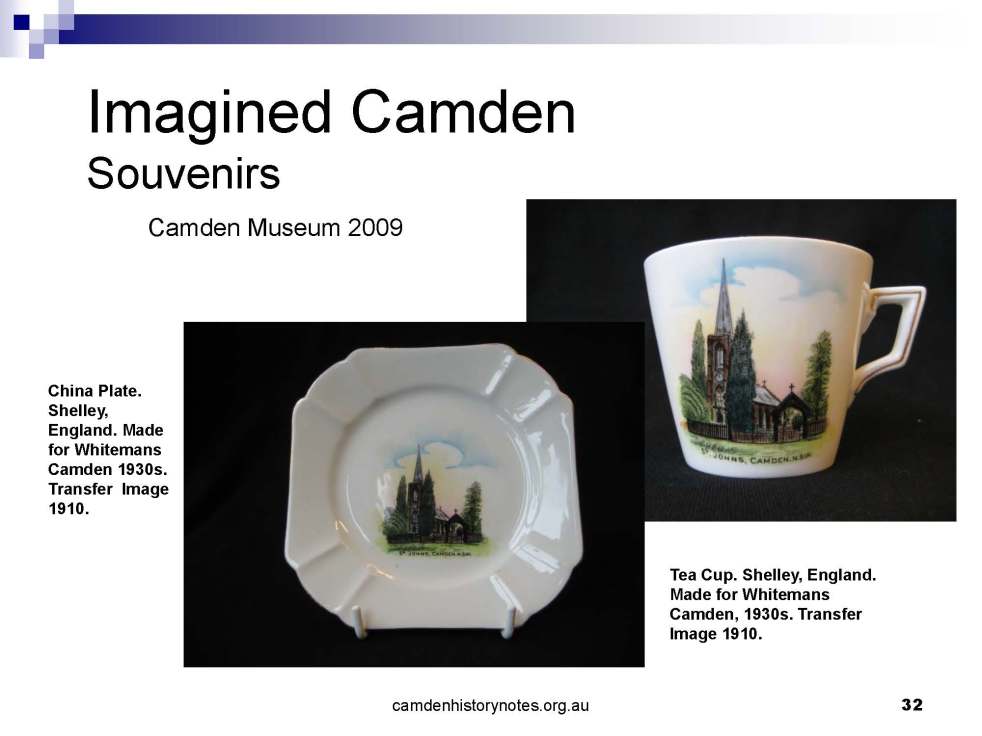
This article discusses the concept of a "country town idyll" in Camden, an idealised version of a country town from an imagined past that uses history to construct imagery based on Camden's heritage buildings and other material fabrics. The paper delves into the origins of the idyll, examines its development, and investigates its validity in its contemporary context. It shows how its supporters have used history as a community asset to remake Camden's identity and explore how the 'country town idyll' has been used variously as a political weapon, a marketing tool, and a tourist promotion.

20th century · Agriculture history · Argyle Street · Camden · Camden Story · Collective Memory · Colonial Camden · Community building · Community identity · Cultural Heritage · Heritage · History · Local History · Local Studies · Memory · Peri-urban region · Pioneers · Place making · Placemaking · Sense of place · Settler Society · Stories · Storytelling · Urban development · Urban growth · Urban history · Urban Planning · urban sprawl · Urbanism

Camden, the making and re-making of familiar places

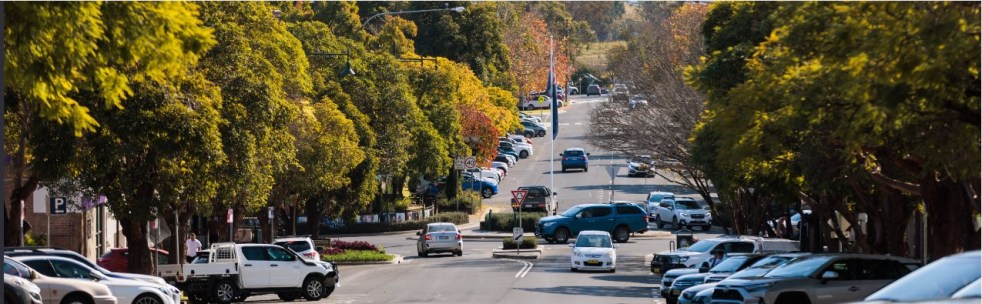
This presentation at the WEA-RAHS Seminar Series on 28 October 2009 at History House, Sydney, explores the conflict between urban expansion and the desire to preserve Camden's identity as a country town. It delves into the tension between nostalgic ideals and the reality of modern development in the area.

Agave · Camden · Camden Park House and Garden · Camden Story · Cawdor · Cawdor Road · Collective Memory · Colonial Camden · Colonial frontier · Cowpastures · Family history · Folklore · Frontier violence · Ghosts · Legends · Memory · Mysteries · Newspapers · Pioneers · Place making · Sense of place · Stories · Storytelling

Agave on Cawdor Road, a part of local folklore

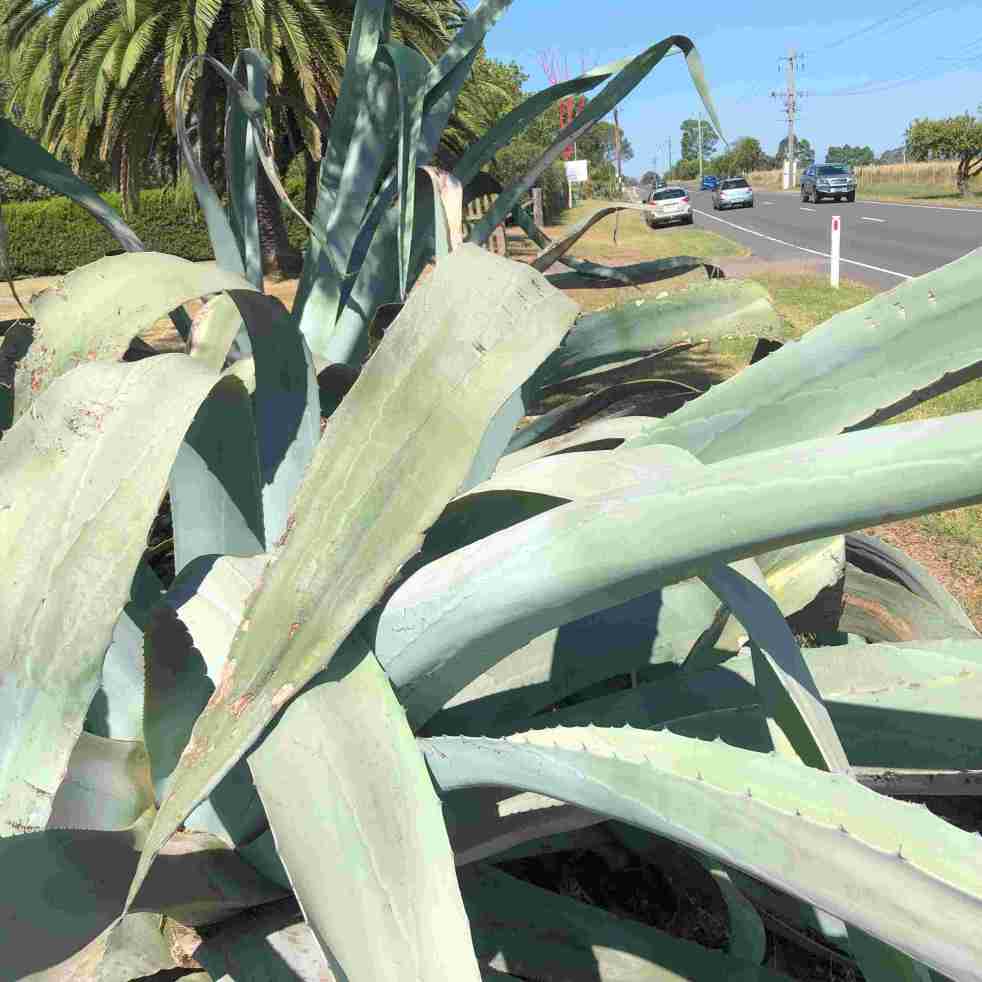
The agave plants near Cawdor Road, Camden, have become part of local folklore, with stories spanning murder, historical colonial gardens, and Indigenous conflict. These slow-growing succulents have sparked controversy and conjecture, with their true history and significance remaining a mystery. Despite attempts to uncover the truth, the agave's legend endures across generations.

Art · Attachment to place · Belonging · Camden · Colonial Camden · Colonial frontier · Colonialism · Convicts · Cowpastures · Cultural Heritage · Cultural icon · England · Farming · Heritage · Historical consciousness · Historical Research · Historical thinking · History · Interwar · Landscape aesthetics · Lifestyle · Living History · Local History · Local newspapers · Local Studies · Macarthur · Memorials · Memory · Modernism · Monuments · Myths · Newspapers · Place making · Ruralism · Sense of place · Settler colonialism · Stereotypes · Streetscapes · Sydney's rural-urban fringe · Tourism · Urban growth · urban sprawl · Urbanism · War · Women's history

Making Camden History

Making Camden History tells the story of how the history of the Camden District has been written from the 19th century. It is the history of the history of the local area.