Aesthetics · Architecture · Art · Attachment to place · Belonging · British colonialism · Built heritag · Camden · Camden Park House and Garden · Camden Story · Camden Town Centre · Church History · Churches · Collective Memory · Colonial Camden · Colonialism · Community identity · Cowpastures · Cultural Heritage · Cultural icon · England · Farming · Gothic · Heritage · Historical consciousness · Historical Research · History · Landscape aesthetics · Legends · Living History · Local History · Local Studies · Macarthur · Memorialisation · Memorials · Memory · Monuments · Myths · Place making · Ruralism · Sense of place · Settler colonialism · Settler Society · Social History · St John's Church Camden · Symbolism · Tourism · Victorian · Women's history

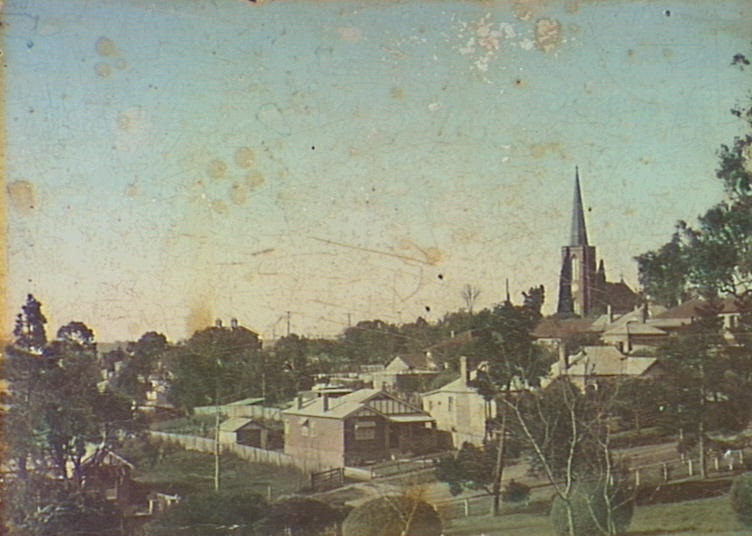
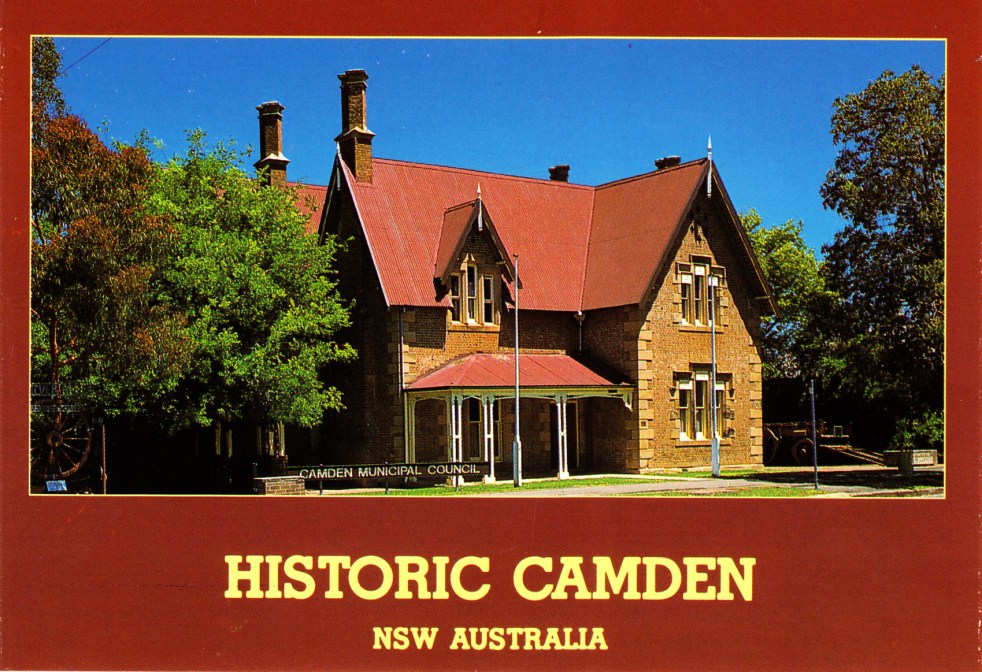
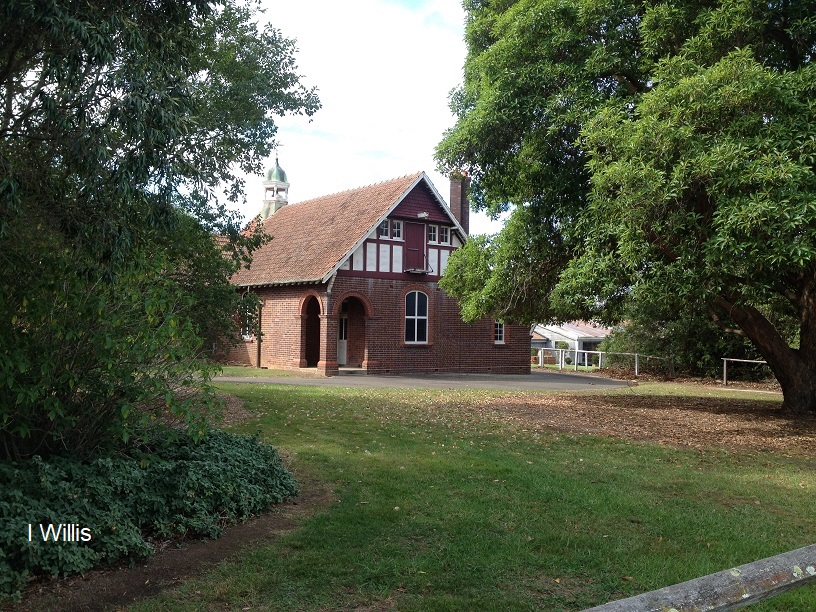
St John’s Church, a contested sacred site in the historic landscape of the Cowpastures

A contested sacred site in the historic landscape of the Cowpastures. St John's Church wants to sell a former horse paddock to fund a new worship centre against community opposition.

Adaptive Re-use · Aesthetics · Architecture · Attachment to place · Built heritag · Business History · Community identity · Cultural Heritage · Cultural icon · Dairying · Dungog · Farming · Heritage · Historical consciousness · History · Interwar · Local History · Memory · Modernism · Motoring History · Place making · Retailing · Sense of place · Streetscapes · Tourism · Transport · Urbanism

Davey & Olsen, Dungog: an interwar garage

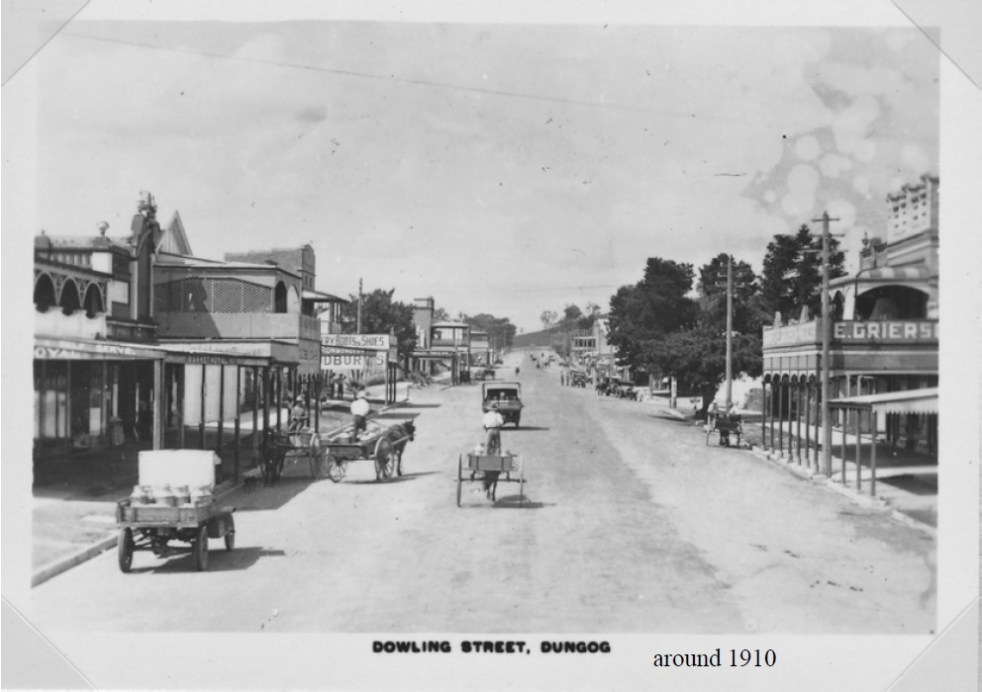
A country town interwar garage is a fine example of early motoring history in Australia. Dungog has a number of motor garages with many elements that show their origins from the Interwar period.

Adaptive Re-use · Aesthetics · Anzac · Architecture · Art · Attachment to place · Community identity · Convicts · Cultural Heritage · Cultural icon · Electricity · First World War · Heritage · Historical thinking · History · Interwar · Memorials · Memory · Modernism · Monuments · Newcastle · Place making · Second World War · Sense of place · Streetscapes · Town planning · Urban Planning · Urbanism · War

Newcastle modernism delights

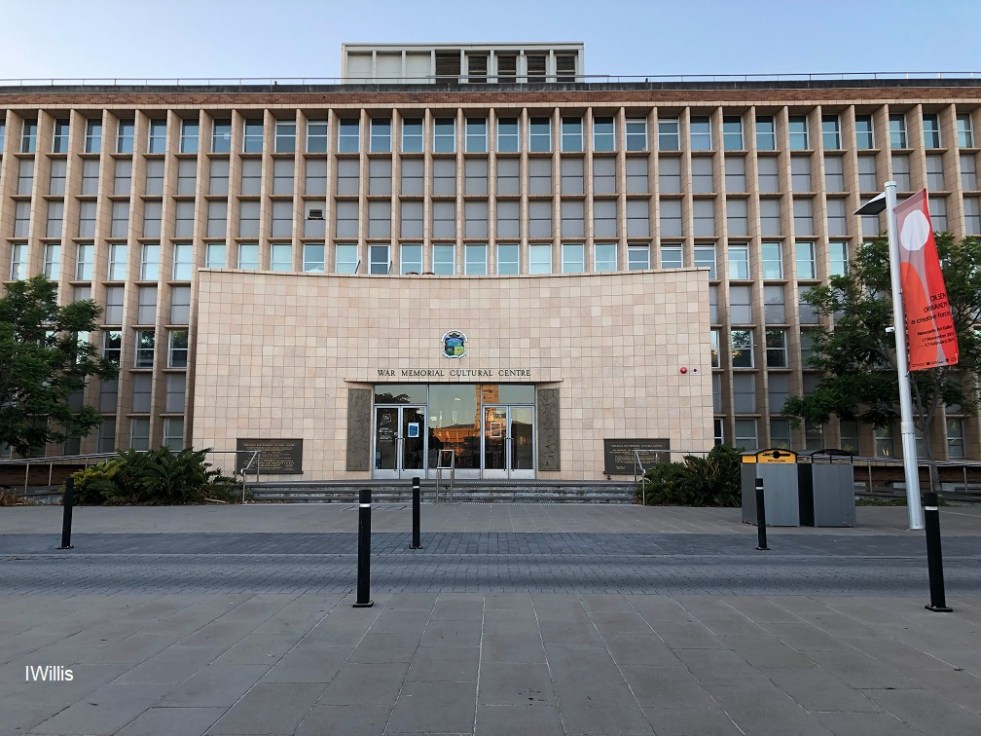
Newcastle modernism delights around the Civic Park precinct include the War Memorial Cultural Centre, NESCA House, Northumberland House and the former Salvation Army Men's Hostel.

Architecture · Attachment to place · Built heritag · Camden · Camden Airfield · Camden Hospital · Camden Story · Collective Memory · Community Health · Community identity · Cultural Heritage · Gender · Health History · Heritage · Historical consciousness · History · Interwar · Local History · Local Studies · localism · Medical history · Modernism · Nurses Quarters · Nursing · Place making · Placemaking · Regionalism · Sense of place · Stereotypes · Storytelling · Women's history

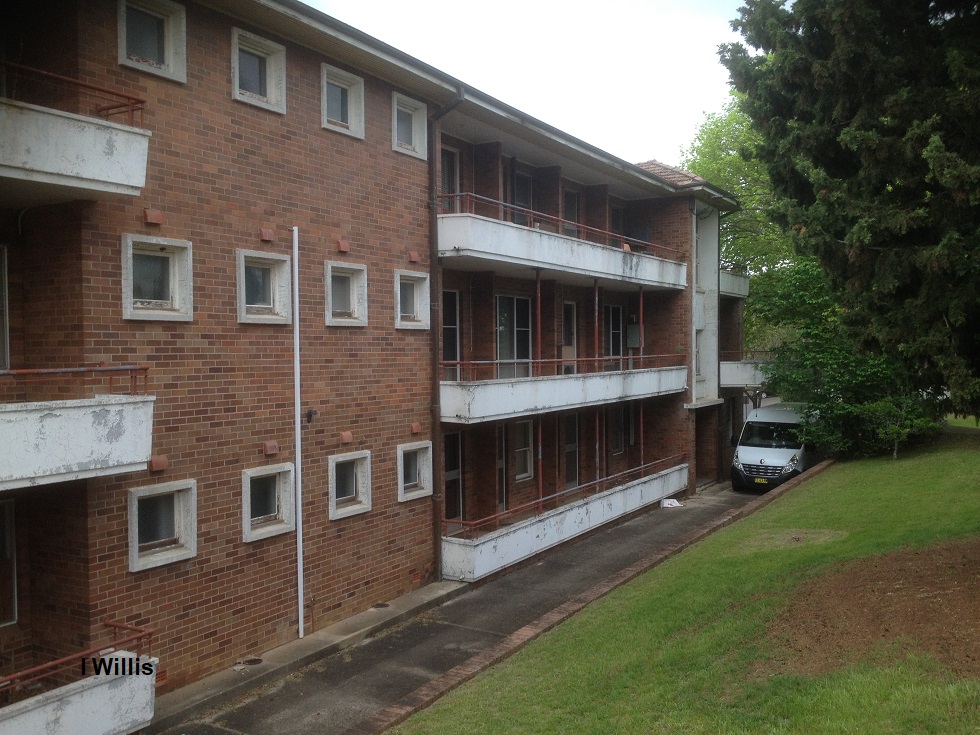
Camden Hospital Nurses’ Quarters: cloistered veils

Over 700 people witnessed the opening of the Camden Hospital Nurses’ Quarters were opened in 1962 by the NSW Health Minister WF Sheahan.

Aesthetics · Architecture · Attachment to place · Camden · Camden Museum · Colonial Camden · Colonialism · Community identity · Cowpastures · Cultural Heritage · Cultural icon · Edwardian · Farming · Festivals · First World War · Governor Macquarie · Heritage · Historical consciousness · Historical Research · Historical thinking · History · Interwar · Landscape aesthetics · Living History · Local History · Macarthur · Memory · Monuments · Place making · Ruralism · Second World War · Sense of place · Settler colonialism · Town planning · Urban growth · Urban Planning · urban sprawl · Urbanism · War · War at home

What is Camden’s heritage, does it really matter and what does it mean?

What is Camden’s heritage, does it really matter and what does in mean?

Adaptive Re-use · Aesthetics · Architecture · Attachment to place · Burra Charter · Business · Business History · Camden · Camden Town Centre · Collective Memory · Colonial Camden · Community identity · Country town · Cultural Heritage · Cultural icon · Economy · Edwardian · Entertainment · Family history · First World War · Heritage · Historical consciousness · Historical Research · History · Interwar · Living History · Local History · Local Studies · localism · Memory · Modernism · Place making · Placemaking · Retail history · Retailing · Ruralism · Sense of place · Shopping · Small communities · Stereotypes · Storytelling · Streetscapes · Tourism · Urban development · Urban growth · Victorian

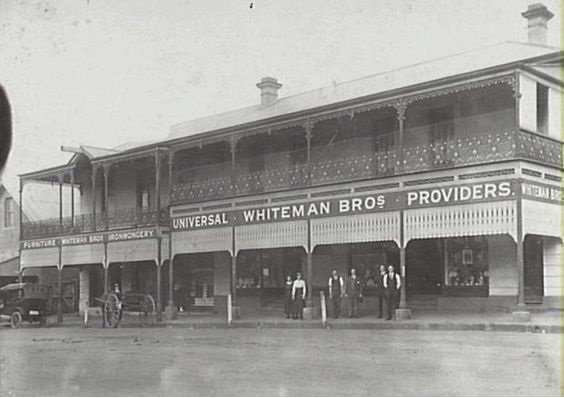
Whiteman commercial buildings in Camden, an example of adaptive re-use

The Whiteman's General Store, a historic Victorian colonial building in Camden, has been successfully repurposed through the Burra Charter principles of adaptive reuse, maintaining its architectural integrity. Operating continuously for over 135 years, it now houses various retail and professional outlets, contributing significantly to the town's charm and community identity.

Aesthetics · Architecture · Art · Artists · Attachment to place · Belonging · Campbelltown · Community identity · Community work · Craft · Cultural Heritage · Design · Education · Entertainment · Fashion · Heritage · Landscape · Landscape aesthetics · Leisure · Living History · Local History · Local Studies · localism · Macarthur · Monuments · Moveable Heritage · Parks · Place making · Placemaking · Public art · Sculpture · Sense of place · Storytelling · Symbolism · Tourism · Urbanism · Western Sydney University · WSU Campbelltown

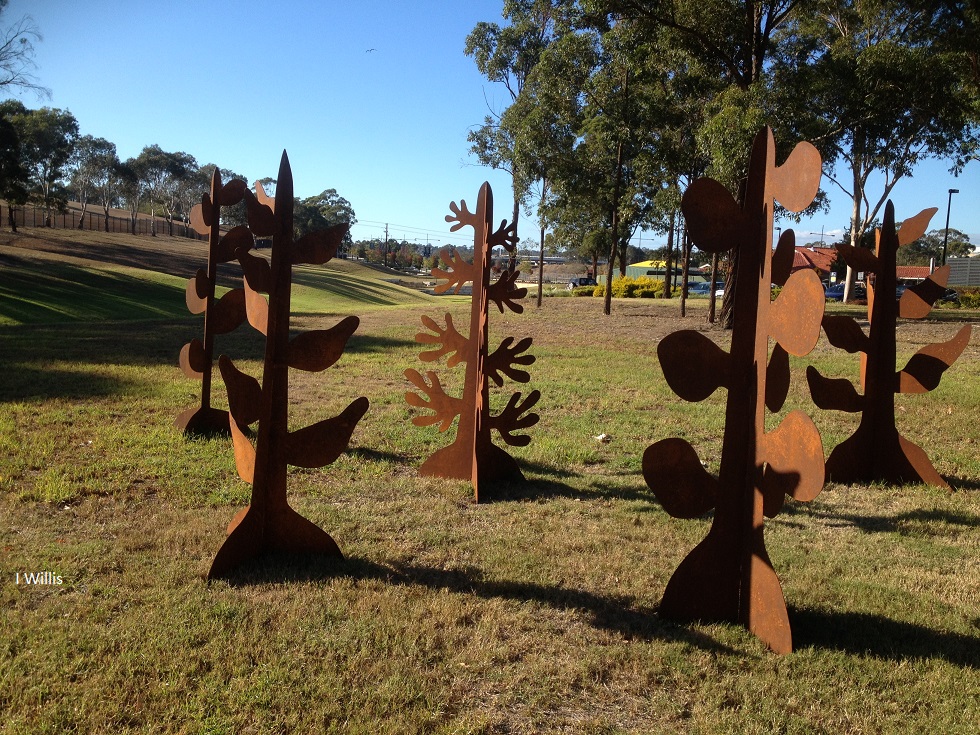
WSU Sculpture Award and Exhibition Campbelltown

The Lakes at WSU is an inspiring setting for the 8th WSU Sculpture Award and Exhibition 2018

Aesthetics · Architecture · Art · Attachment to place · Colonialism · Community identity · Concord NSW · Convalescent Home · Convalescent hospital · Cultural Heritage · Cultural icon · Curtilage · Dairying · Edwardian · Entertainment · Farming · Festivals · Heritage · History · History of a house · House history · Interwar · Landscape · Landscape aesthetics · Leisure · Local History · Medical history · Modernism · Place making · Red Cross · Sense of place · Storytelling · Urban history · Volunteering · War · War at home · Yaralla Estate, Concord

Yaralla Estate, a hidden Sydney gem

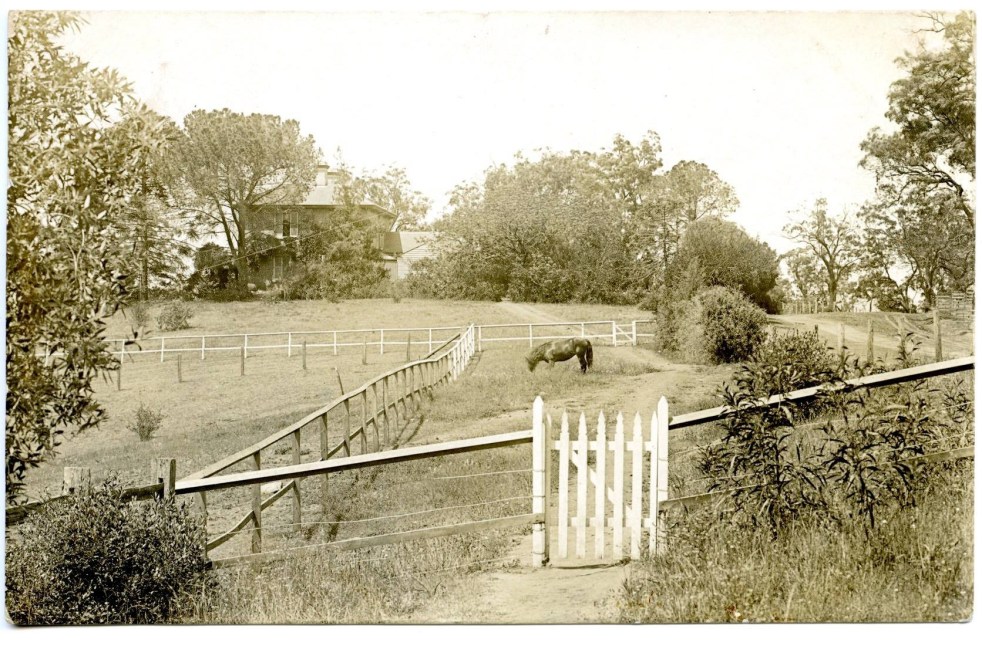
A hidden Sydney gem: Yarralla Estate at Concord NSW which was the home of Dame Eadith Walker in the early 20th century.

Aesthetics · Architecture · Attachment to place · Camden Council · Community identity · Cultural Heritage · Cultural icon · Edwardian · Fashion · Heritage · Historical consciousness · Historical thinking · History · Local History · Narellan · Place making · Sense of place · Sydney's rural-urban fringe · Town planning · Uncategorized · Urban growth · Urban Planning · Urbanism

Carinya homestead, part of lost Camden

Camden Council voted to demolish the 1890 Carinya Cottage in Harrington Park, based on reports that it lacked local significance and associative value. This decision reflects a larger issue of neglect for heritage in New South Wales, with a lack of protection for historic sites and a conflict of interest in the assessment process. The political climate prioritizes development over heritage protection.

Aesthetics · Architecture · Attachment to place · Built heritag · Built Heritage · Camden · Camden Built Heritage · Camden Modern · Camden Modernism · Community building · Community identity · Cultural Heritage · Cultural icon · Elderslie · Heritage · Historical consciousness · History · History of a building · History of a house · House history · Housing · Housing styles · Landscape aesthetics · Local History · Lost Camden · Modernism · Place making · Placemaking · Sense of place · Social History · Stories · Storytelling · Town planning · Urban development · Urban growth · Urban history · Urban Planning · urban sprawl · Urbanism

Mid-Century Modernist Homes in Elderslie

In the 1960s, modernism significantly influenced the community of Elderslie, where miners sought contemporary homes. Innovative house designs reflected mid-20th-century trends, including American Ranch styles. Australian architects, like Robin Boyd, contributed to housing projects across the country, merging modern aesthetics with traditional Federation-style homes. These trends influenced the design of local mid-century housing style, resulting in a unique urban landscape.