Aesthetics · Agriculture · Attachment to place · Australia · Belonging · British colonialism · Colonial Camden · Colonial frontier · Colonialism · Community identity · Convicts · Cowpastures · Cultural Heritage · Cultural icon · Curtilage · Economy · Elderslie · England · Farming · Frontier violence · Georgian · Gothic · Heritage · Historical consciousness · Historical Research · Historical thinking · History · Landscape · Landscape aesthetics · Local History · Local Studies · Macarthur · Narellan · Place making · Ruralism · Sense of place · Settler colonialism · Storytelling · Stuart Park Wollongong

John Hawdon of Elderslie in a settler society

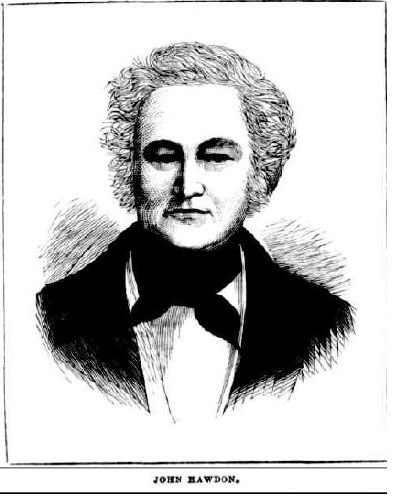
John Hawdon of Elderslie was part of the story of settler colonialism in New South Wales in the early 19th century.

British colonialism · Camden · Camden Story · Colonial Camden · Colonialism · Commemoration · Communications · Community identity · Cowpastures · Cowpastures Bicentennial · Cultural and Heritage Tourism · Cultural Heritage · Cultural icon · Dharawal · European Exceptionalism · Frontier violence · Governor Macquarie · Heritage · History · Landscape · Landscape aesthetics · Legends · Local History · Macarthur · Memorial · Memorialisation · Memorials · Memory · Monuments · Place making · Settler colonialism · Settler Society · Stereotypes · Storytelling · Symbolism · Trauma · Uncategorized

Governor Macquarie’s visit to the Cowpasture 1810

In November 1810, Governor Lachlan Macquarie (1762-1824) and Mrs Elizabeth Macquarie visited the Cowpastures. On that occasion, the Governor and Elizabeth Macarthur met the Dharawal people.

Aesthetics · Attachment to place · British colonialism · Camden · Cobbitty · Colonial Camden · Community identity · Cowpastures · Cultural Heritage · Cultural icon · Entertainment · Floods · Heritage · Historical consciousness · History · Landscape aesthetics · Leisure · Local History · Macarthur · Memory · Menangle · Myths · Nepean River · Place making · Ruralism · Second World War · Sense of place · Settler colonialism · Sydney's rural-urban fringe · Town planning · Urban growth · Urban Planning · urban sprawl · War · War at home · Water

Nepean River, more than a water view

The Nepean River and its floodplain is much more than just a water view. It is cultural and natural icon in the Sydney basin.

Active citizenship · Attachment to place · British colonialism · British Heritage · British Red Cross · Camden District · Cobbitty · Community celebrations · Community Engagement · Community Health · Community identity · Community organisations · Community work · Cultural Heritage · First World War · Heritage · History · Holidays · Local History · Memory · Monuments · Mount Hunter · New Year's Sports Day · Place making · Red Cross · Storytelling · Village · Volunteering · Volunteerism · War · War at home · Wartime · World War One

Cobbitty New Year’s Day Village Sports Day Benefits War Effort

Cobbitty Sports Day on New Year's Day, 1915 A major event on the social calendar of a number of picturesque villages in the Camden district was the annual New Year’s Day Sports Carnivals. Cobbitty's St Paul's Anglican Church 1910 (Camden Images) The New Year's Sports Day was part of the English traditions brought to the… Continue reading Cobbitty New Year’s Day Village Sports Day Benefits War Effort

1930s · Agricultural heritage · Agriculture · Attachment to place · Australia · Belgenny Farm · British colonialism · Camden Festivals · Camden Park Estate · Camden Park House and Garden · Camden Story · Colonial Australia · Colonial Camden · Colonial frontier · Colonialism · Cowpastures · Cowpastures district · Cowpastures Estates · Cowpastures Gentry · Cowpastures Region · Cultural Heritage · Cultural icon · Dairying · Elizabeth Farm · England · Family history · Farming · Farming history · Governor Macquarie · History · Interwar · Johm Macarthur · Legends · Local History · Local Studies · Macarthur · Macarthur family · Memory · Monuments · Myths · Pioneers · Place making · Placemaking · Ruralism · Sense of place · Settler colonialism · Storytelling

John Macarthur, Father of Australia’s Wool Industry, fact or fiction

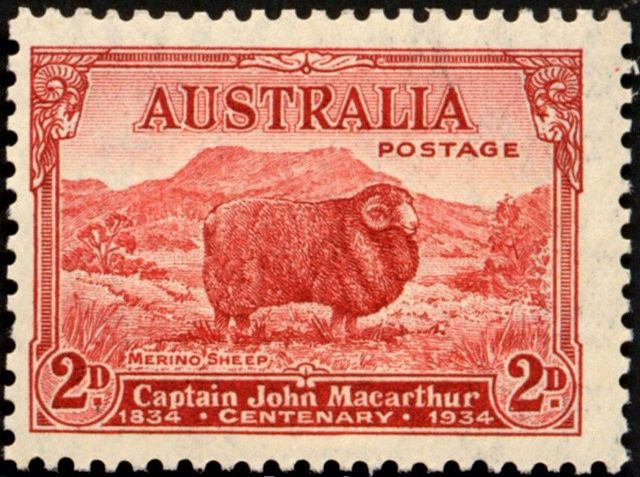
John Macarthur is credited with establishing fine wool as a key industry in New South Wales. During the interwar period, it was claimed that he was the father of the Australian wool industry. While significant, his contributions are part of a larger narrative involving many key figures in the industry. His legacy includes commemorative postage stamps, as well as his portrayal in literature and festivals celebrating wool production.