Adaptive Re-use · Aesthetics · Architecture · Art · Attachment to place · Australia · Built heritag · Camden · Camden Story · Church History · Churches · Community identity · Cultural Heritage · Cultural icon · Curtilage · Georgian · Gothic · Heritage · Historical consciousness · Historical Research · Historical thinking · History · Landscape aesthetics · Lifestyle · Living History · Local History · Local Studies · Macarthur · Memory · Monuments · Myths · Place making · Placemaking · Ruralism · Sense of place · Social History · Storytelling · Streetscapes · Trust · Victorian · Weddings

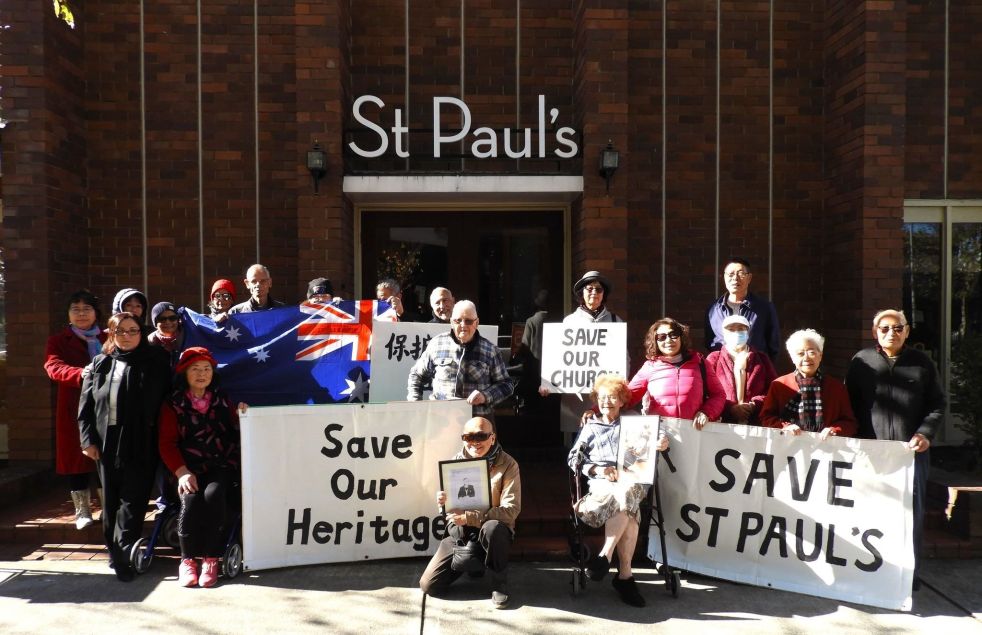
Why does the sale of a local church create community angst? What is going on?

The sale of church land has sparked community angst, particularly at St. Paul's Anglican Church in Bankstown. The proposed heritage listing has led to concerns about redevelopment and closure. Similar issues have arisen in Tasmania, where the sale of local churches has evoked strong emotional and historical attachments. The opposing views between churchgoers and non-churchgoers present an unresolved ethical dilemma.

19th Century · 20th century · Architecture · British colonialism · Built heritag · Camden Built Heritage · Camden John Street Precinct · Camden Police Barracks · Collective Memory · Colonial Camden · Colonial frontier · Colonialism · Country town · Court of Petty Sessions · Cowpastures · Cowpastures district · Cowpastures Estates · Cowpastures Gentry · Cowpastures Region · Cultural Heritage · Heritage · History of a building · Local History · Local Studies · Military history · Place making · Policing · Sense of place · Settler Society · Small town · Stories · Storytelling · Uncategorized · Urban history · Victorian

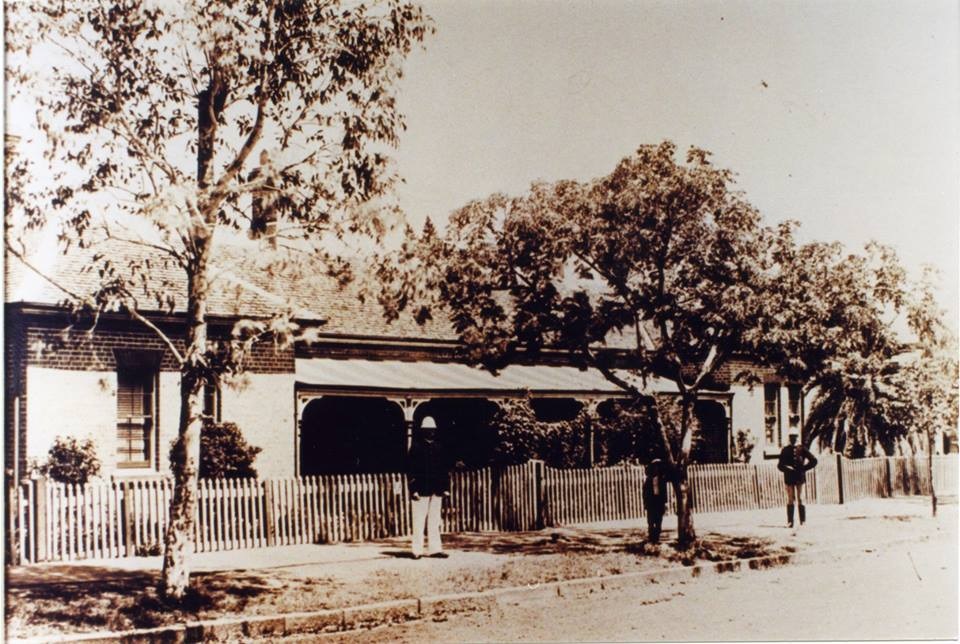
Camden Police Station and Residence: A Historical Landmark in Camden

Camden Police Station, a single-storey brick building at 35 John Street, was constructed in 1878 and served the NSW Police Service until 2011. Designed by James Barnet, it features historical architectural elements, including a paved verandah and brick chimneys. Currently vacant, it is recognized for its heritage value within the Camden community.

Active citizenship · Agency · Architecture · Attachment to place · Belonging · Built heritag · Camden · Camden Area Family History Societyu · Camden Historical Society · Camden Story · Community building · Community Engagement · Community Health · Community identity · Community organisations · Community work · Cultural Heritage · Family history · Heritage · History · Living History · Local History · Local Studies · Not-for-profit · Oran Park · Philanthropy · Place making · Sense of place · Social History · Stories · Storytelling · Uncategorized · Volunteering · Volunteerism

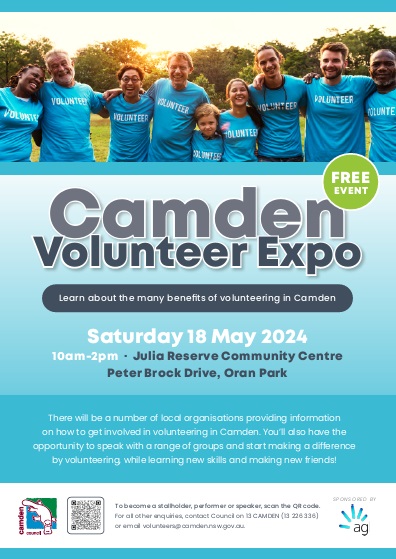
Volunteer Expo, an exceptional networking event

The Volunteer Expo at Julia Reserve Community Centre, Oran Park, NSW, showcased local community organizations during National Volunteer Week. The event aimed to promote volunteering and featured 36 organizations. The expo provided networking opportunities and highlighted the importance of social capital and storytelling in building community resilience. The Camden Council played a vital role in organizing the successful event.

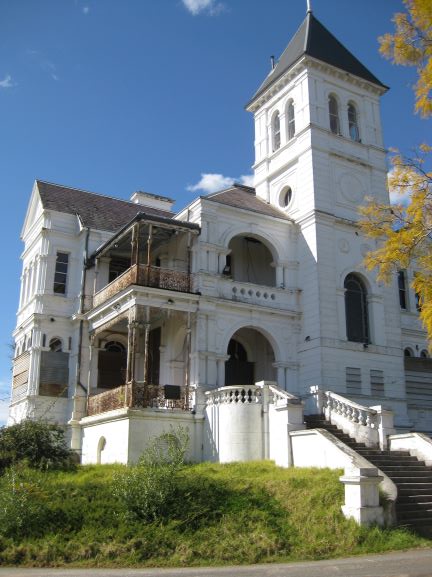
Architecture · Art · Built heritag · Commemoration · Cultural Heritage · Garden Palace · Heritage · History · Industrial Heritage · Lost Sydney · Memorialisation · Memorials · Memory · Pageant · Place making · Placemaking · Sense of place · Settler colonialism · Sydney International Exhibition · Uncategorized · Urban growth · Urban history · Victorian

Garden Palace, showing the wonders of the age

In 1882, a massive fire at Macquarie Street, Sydney, destroyed the Garden Palace and valuable contents, causing significant loss of records and artefacts. The origin of the fire remains a mystery. The Palace was originally built for the Sydney International Exhibition in 1879.

1973 New Cities Campbelltown Camden Appin Structure Plan · 20th century · Attachment to place · Built heritag · Camden Council · Camden District · Camden Heritage Conservation Area · Camden Museum · Camden Show · Camden Story · Camden Town Farm · Church History · Churches · Collective Memory · Colonial Camden · Commemoration · Community identity · Country town · Country town idyll · Cultural and Heritage Tourism · Cultural Heritage · Elizabeth Macarthur · Folklore · Hope and loss · Landscape · Legends · Local History · Local newspapers · Local Studies · Lost Camden · Memorial · Memory · Monuments · Place making · Placemaking · rural-urban fringe · Ruralism · Sense of place · Settler Society · Social History · Stereotypes · Stories · Storytelling · Sydney's rural-urban fringe · Tourism · Town planning · Uncategorized · Urban development · Urban growth · Urban history · Urban Planning · urban sprawl · Urbanism

Yearning, Longing and The Remaking of Camdenโ€™s Identity: the myths and reality of โ€˜a country town idyllโ€™.

This article discusses the concept of a "country town idyll" in Camden, an idealised version of a country town from an imagined past that uses history to construct imagery based on Camden's heritage buildings and other material fabrics. The paper delves into the origins of the idyll, examines its development, and investigates its validity in its contemporary context. It shows how its supporters have used history as a community asset to remake Camden's identity and explore how the 'country town idyll' has been used variously as a political weapon, a marketing tool, and a tourist promotion.

20th century · Architecture · Argyle Street · Built heritag · Camden · Camden Cottage · Camden Council Heritage Advisory Committee · Camden Heritage Conservation Area · Camden Material and Colour Guide · Camden Story · Camden Town Centre · Cultural and Heritage Tourism · Cultural Heritage · Domestic Architecture · Edwardian · Heritage · House history · Housing · Housing styles · Interwar · Local History · Local Studies · Placemaking · Sense of place · Uncategorized · Urban growth · Urban history · Urban Planning · Urbanism

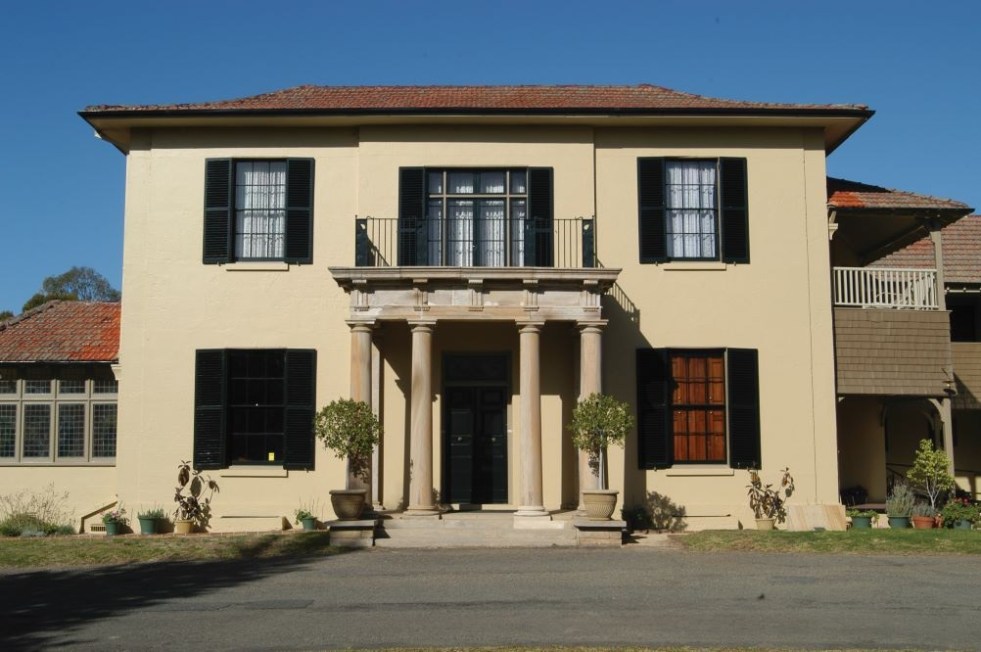
Camden Material and Colour Guide, a heritage building guide

Camden Material and Colour Guide In 2023, Camden Council published the Camden Material and Colour Guide. The guide was the initiative of the Camden Council Heritage Advisory Committee. The aim of the guide The Material and Colour Guide aims to provide a handy guide for owners of heritage buildings with practical tips on working with… Continue reading Camden Material and Colour Guide, a heritage building guide

Architecture · Attachment to place · Built heritag · Camden · Camden Story · Community identity · Country town · Cultural and Heritage Tourism · Cultural icon · Heritage · Leisure · Local Studies · Lost Camden · Macarthur Country Tourist Association · Media · Memorial · Memorialisation · Memorials · Memory · Monuments · Placemaking · Sense of place · Storytelling · Tourism · Women's history · Women's stories

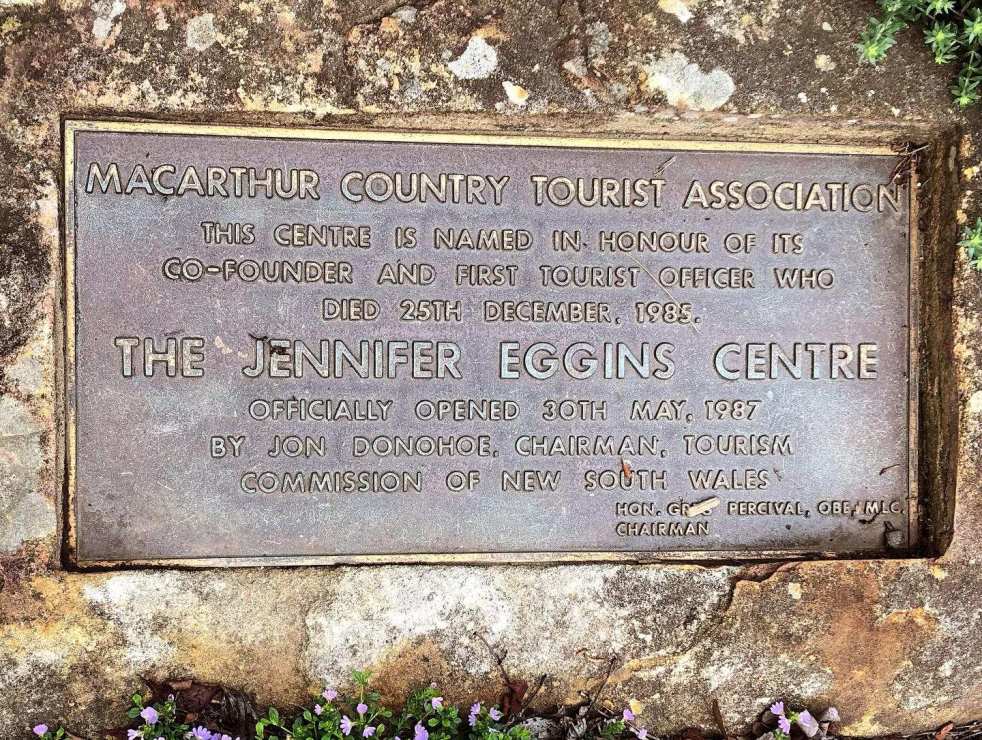
Memorial plaque to Jennifer Eggins, a founder of local tourism

A local identity Outside John Oxley Cottage, Camden Visitor Information Centre at 46 Camden Valley Way Elderslie, is a memorial plaque with a story to tell of local identity, Jennifer Eggins, and her legacy that still echoes across the district. Jennifer Eggins is one of the founders of the local tourist industry. The plaque was… Continue reading Memorial plaque to Jennifer Eggins, a founder of local tourism

Adaptive Re-use · Architecture · Art · Belonging · Built heritag · Camden · Camden Historical Society · Camden Library · Camden Museum · Camden Story · Cultural Heritage · Local Studies · Placemaking · Public art · School of Arts · Sculpture · Uncategorized

Camden Library and Museum public art

Collaborative efforts The 2007 Camden Library and Camden Museum redevelopment project resulted in a community collaboration to create a mix of public artworks. The collaboration process was led by Camden Council Cultural Development Coordinator Angela Pasqua. Participants included school children, TAFE students, artists and sculptors. The artworks were commissioned by Camden Council.. The efforts have… Continue reading Camden Library and Museum public art

Architecture · Attachment to place · Belonging · Ben Linden · Built heritag · Business History · Camden Story · Colonial Camden · Colonial frontier · Community identity · Country town · Cowpastures · Cultural and Heritage Tourism · Cultural Heritage · Domestic Architecture · Edwardian · Heritage · Heritage Walking Tours · History · Interwar · Local History · Local Studies · Macarthur region · Memory · Narellan · Narellan Built Heritage · Narellan Story · Place making · Regionalism · Residential Housing Style · rural-urban fringe · Sense of place · Storytelling · Sydney's rural-urban fringe · Tourism · Town planning · Urban development · Urban growth · Urban history · urban sprawl

Explore Narellan’s History: Heritage Walking Tour and Historic Sites

The Narellan Heritage Walking Tour, curated by local photographers Kylie and Peter Lyons, provides a fascinating exploration of the historical and architectural legacy of Narellan. This tour offers insights into the original villages predating Camden's establishment in 1840, featuring notable sites like The Old St Thomas Chapel and the Narellan Public School.

20th century · Aesthetics · Architecture · Attachment to place · Belonging · Biography · Built heritag · Camden Cottage · Camden Story · Campbelltown Art Centre · Campbelltown Mid-century modernism · Campbelltown Modern · Campbelltown Modernism · Collective Memory · Community identity · Cultural Heritage · Cultural icon · Domestic Architecture · Family history · History · History of a house · Hope and loss · House history · Housing · Housing styles · Lifestyle · Living History · Local History · Local Studies · Macarthur · Macarthur region · Memory · Mid-century modernism · Modernism · Peri-urban region · Placemaking · rural-urban fringe · Social History · Stereotypes · Storytelling · Symbolism · Urban development · Urban growth · Urban history · Urbanism

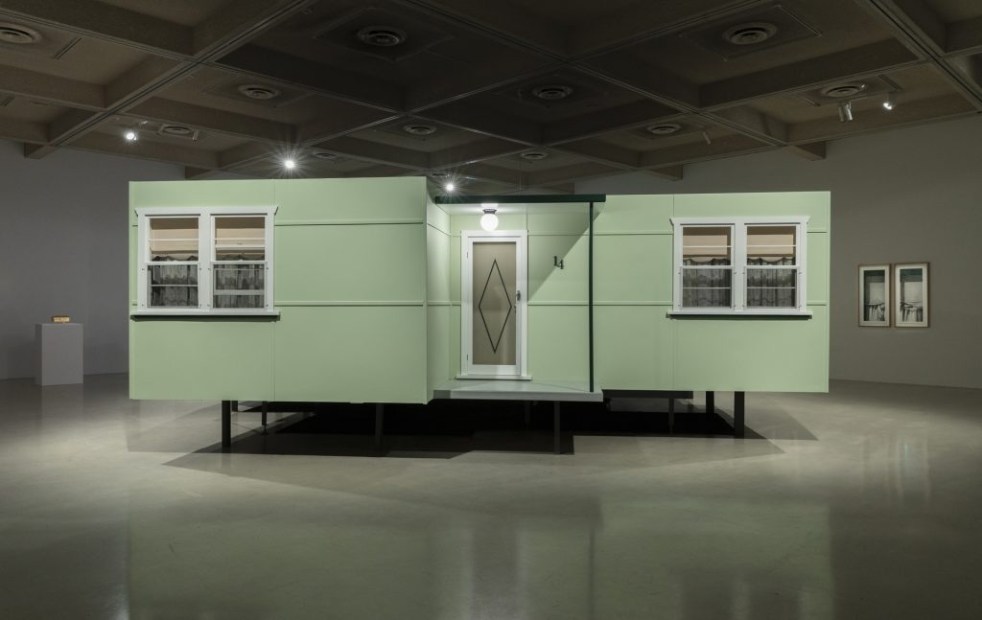
‘Fibro Majestic’: A Celebration of Mid-Century Housing at Campbelltown Arts Centre by Catherine O’Donnell

The "Fibro Majestic" exhibition at Campbelltown Arts Centre celebrates the historical significance of fibro housing in Australia, highlighting its role in post-war society. Artist Catherine O'Donnell's work reflects on the nostalgia, memories, and social contexts surrounding these humble structures, transforming perceptions of an architecture once deemed unattractive.