19th Century · Agricultural heritage · Agriculture · Agriculture history · Attachment to place · Australian History · Belonging · British colonialism · Business History · Colonial Australia · Colonial Camden · Colonial frontier · Colonial garden · Colonial NSW · Colonial Settler Community · Colonialism · Cowpastures · Cowpastures district · Cowpastures Estates · Cowpastures Gentry · Cowpastures Region · Cowpastures River · Cultural Heritage · Dairying · Economy · England · Families · Family history · Farming · Heritage · John Hawdon · Letters · Local Studies · Place · Place making · Placemaking · Regionalism · Settler colonialism · Settler Society · Social History · Uncategorized

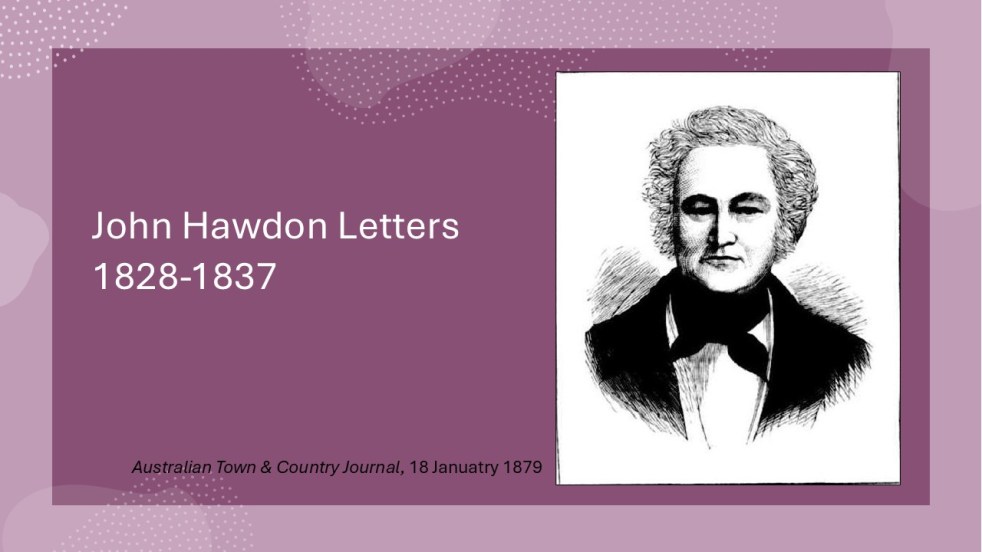
Insights from the Hawdon Letters: Colonial Life in NSW, Part 3, 1833-1837

The letters of John Hawdon and others from 1828 to 1837, preserved in the State Library of NSW, provide insights into colonial life in New South Wales. They highlight themes of isolation, communication challenges, economic struggles, and attitudes toward gender and Indigenous populations, alongside Hawdon's farming experiences and family connections.

19th Century · Agricultural heritage · Agriculture · British colonialism · British Heritage · Colonial Australia · Colonial Camden · Colonial frontier · Colonial NSW · Colonial Settler Community · Colonialism · Convicts · Cowpastures · Cowpastures district · Cowpastures Estates · Cowpastures Gentry · Cowpastures Region · Cowpastures River · Cultural Heritage · Cultural icon · Dairying · Economy · Elderslie · England · Families · Family history · Farming history · Heritage · John Hawdon · Local Studies · Pioneers · Place · Place making · Placemaking · Social History · Stories · Storytelling · Uncategorized

Insights from the Hawdon Letters: Colonial Life in NSW, Part 2, 1831-1833

John Hawdon's letters from New South Wales (1831-1833) reveal colonial life, highlighting farming challenges, isolation from England, and the high costs of communication. These letters provide insights into market conditions, crop successes, and family updates, showcasing the Hawdons' experiences and adaptations in a new land, while retaining original spelling and structure.

Colonial Australia · Colonial frontier · Colonial NSW · Cowpastures · Cowpastures district · Cowpastures Gentry · Cowpastures Region · Elderslie · John Hawdon · Letters · The Cowpastures

Insights from the Hawdon Letters: Colonial Life in NSW, Part 1, 1828-1830

John Hawdon's letters (1828-1830) provide an intimate view of colonial life in New South Wales. Addressed to family in England, they detail challenges of farming, personal hardships, and isolation. The cross-written letters, located at the State Library of NSW, are difficult to decipher but are significant historical records of early colonial settlement in the Cowpastures.

Aesthetics · Agency · Attachment to place · Biography · British colonialism · Camden · Camden Story · Colonial Australia · Colonial Camden · Colonial frontier · Colonial NSW · Colonial Settler Community · Colonialism · Community identity · Cowpastures district · Cultural Heritage · England · Entertainment · Families · Family history · Farming · Farming history · Fashion · Genealogy · Heritage · Historical consciousness · Historical source · History · Leisure · Local History · Memory · Parramatta · Philanthropy · Pioneers · Place making · Ruralism · Sense of place · Settler colonialism · The Cowpastures · Victorian · Volunteering · Women's diaries · Women's history · Women's stories · Women's Writing

Exploring Caroline’s Diary: A Women’s Perspective on Colonial Australia

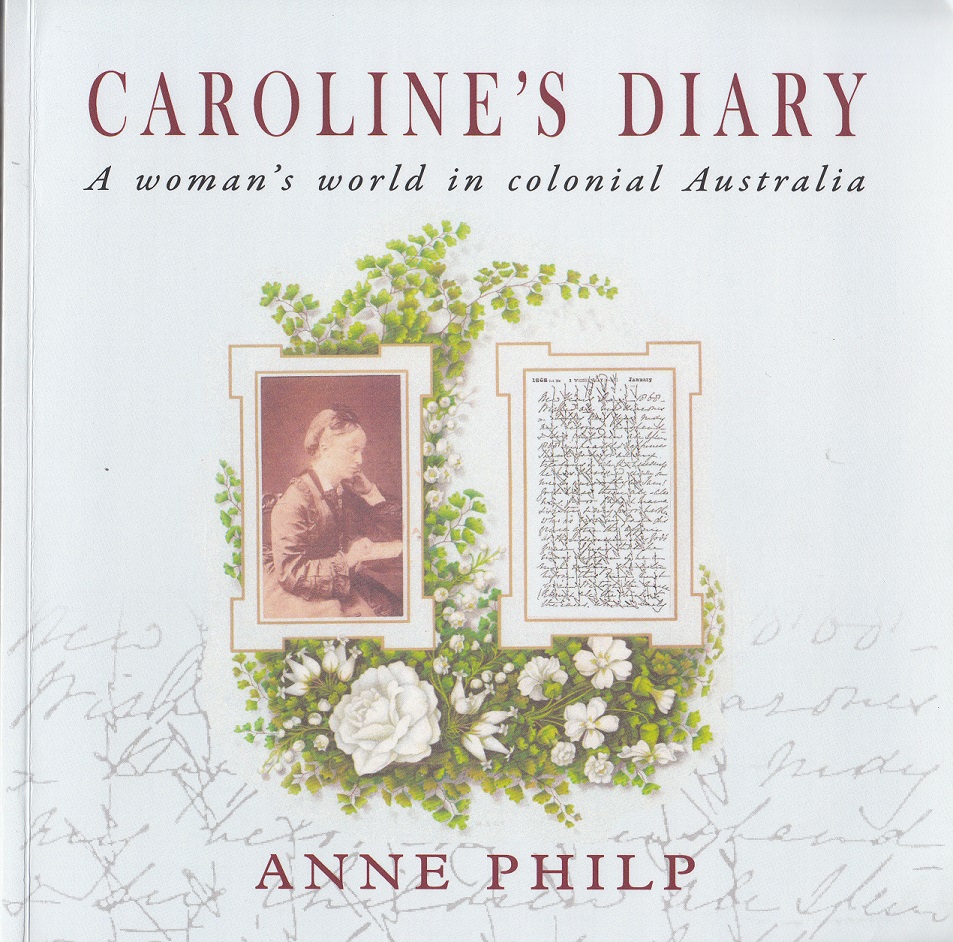
Anne Philp's "Carolineโ€™s Diary" narrates the life of Caroline Husband, an Englishwoman who migrated to colonial Australia in the mid-19th century. Through her personal diaries, readers explore her adventures, social life, and experiences from England to New South Wales, providing insights into women's roles and societal dynamics during this period.

19th Century · 20th century · Adaptive Re-use · Adaptive Reuse · Agricultural heritage · Agricultural modernism · Agriculture · Agriculture history · Architectural History · Architecture · Artefacts · Attachment to place · Belgenny Farm · Belonging · British colonialism · Built Heritage · Business History · Camden Park Estate · Camden Park House and Garden · Camden Story · Carpentry · Collective Memory · Colonial Australia · Colonial Camden · Colonial frontier · Community Engagement · Community identity · Cultural and Heritage Tourism · Cultural Heritage · Dairying · Farming · Farming history · History · History Festival · Living History · Local History · Local Studies · Lost trades · Macarthur family · Place making · Placemaking · Sense of place · Settler Society · Stories · Storytelling

Explore Belgenny Farm: A Journey Through Time 2024

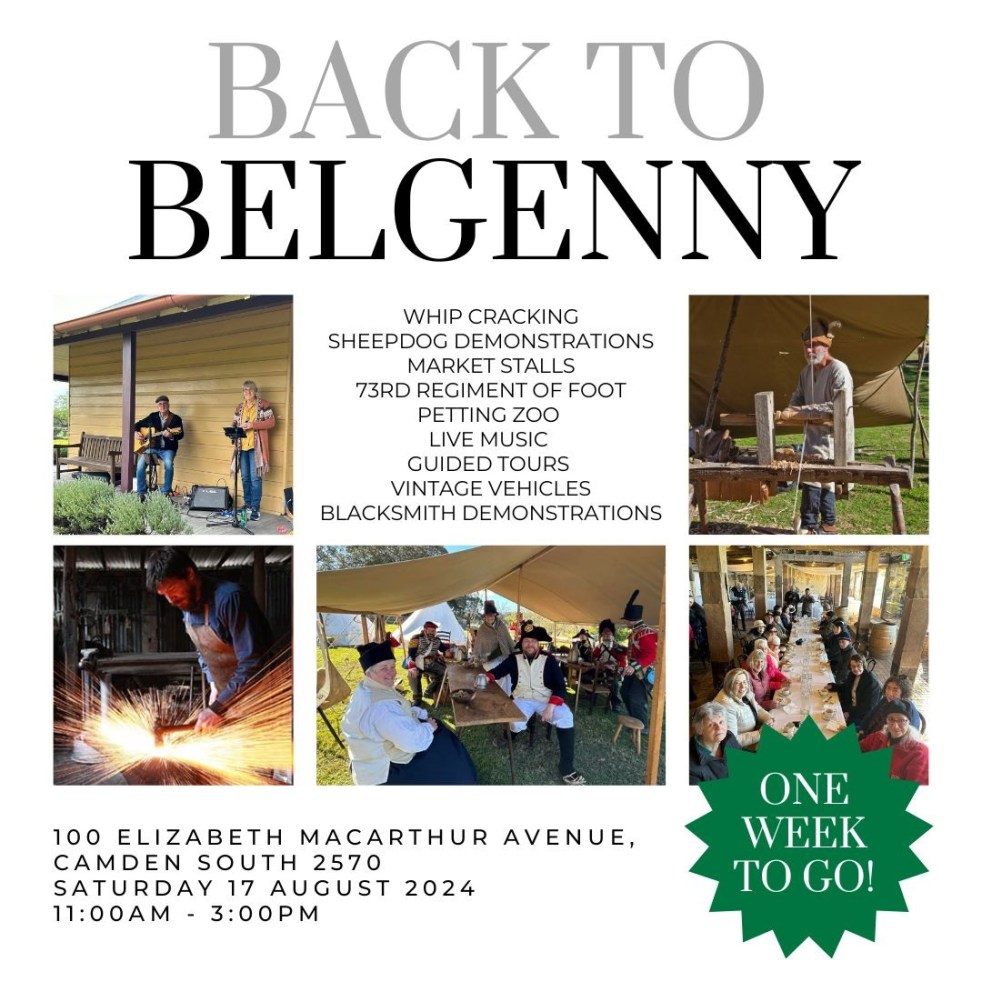
The 2024 Back to Belgenny festival showcased living history at Belgenny Farm, featuring reenactments, traditional trades, and various activities such as sheepdog trials and guided tours. The event included a demonstration by Governor Macquarieโ€™s regiment and highlighted the farm's historical significance, providing visitors with an immersive glimpse into colonial agricultural life.

19th Century · 20th century · Aesthetics · Architectural History · Architecture · Art · Artists · Artworks · Book · Built Heritage · Colonial Architecture · Colonial Australia · Colonial Camden · Colonial frontier · Colonial garden · Community identity · Cowpastures · Cowpastures district · Cowpastures Gentry · Cowpastures Region · Cultural Heritage · Gardening · Georgian · Heritage · History · House history · Housing styles · Interwar · Landscape aesthetics · Local History · Local Studies · Narellan Built Heritage · Place making · Placemaking · Regionalism · Residential Housing Style · Sense of place · Settler colonialism · Settler Society · Storytelling · Uncategorized · Victorian · William Hardy Wilson

Unveiling Hardy Wilson’s architectural legacy and his influence on Camden’s aesthetics

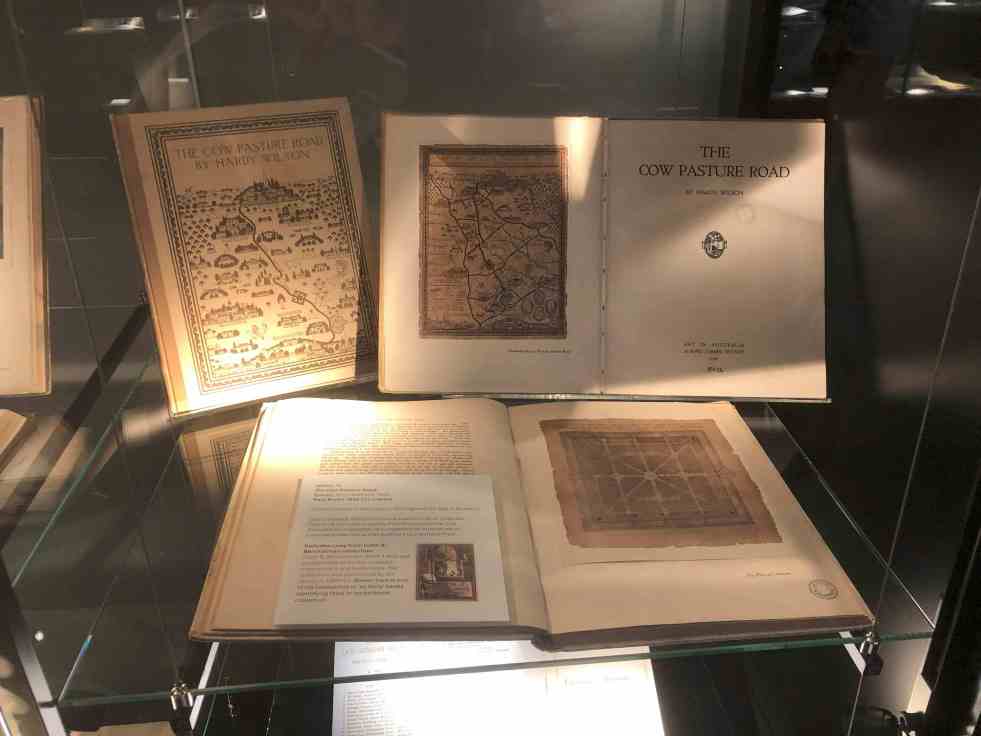
William Hardy Wilson, a largely unrecognized architect and artist, authored The Cow Pasture Road in 1920, impacting Camden's cultural narrative. His work celebrates colonial architecture and aesthetics, leading to a recent exhibition at the University of Sydney Library, which explores his dual legacy as both a visionary artist and controversial figure in Australian history.

Aesthetics · Agricultural heritage · Agriculture · Agriculture history · Appin · Appin Massacre 1816 · Architecture · Attachment to place · British colonialism · British Heritage · Built heritag · Cobbitty · Colonial frontier · Colonialism · Cultural and Heritage Tourism · Cultural Heritage · Denbigh · Dharawal · Farming · Frontier violence · Heritage · History · History of a building · History of a house · History Week · Local History · Local Studies · Place making · Sense of place · Stories · Storytelling · Trees · Uncategorized · Urban development

Denbigh Open Days: Exploring Historic Colonial Farm

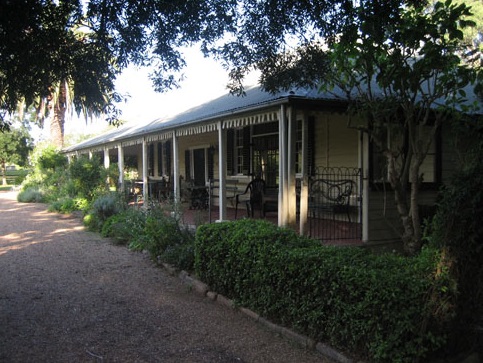
Denbigh, a significant colonial farming complex in Australia, recently opened its gardens to the public for a rare charity viewing. The property, with a dark history of conflict and anxiety, reveals layers of history from dispossession of Aboriginal lands to dairying and urban invasion. Denbigh's fortified structures reflect the fear and violence of the Cowpastures frontier.

Agriculture · Agriculture history · Attachment to place · Belonging · Camden Park Estate · Colonial frontier · Colonialism · Cultural Heritage · Dairying · Heritage · Local Studies · Macarthur · Menangle · Menangle Rotolactor · Menangle St James Church · Place making · Sense of place · Storytelling · Urban development · Urban growth · Urban history

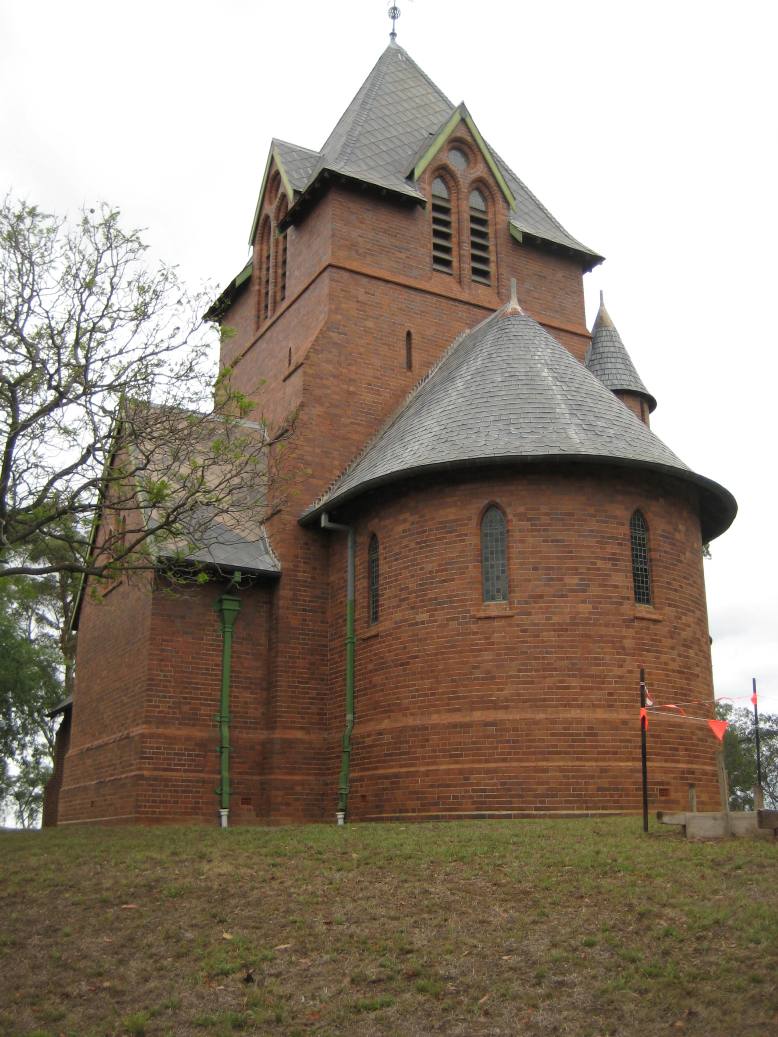
Menangle, A Historic English-Style Estate Village in Camden Park

The village of Menangle, situated within the Camden district, reflects an English-style private estate village that has evolved over 150 years. Embodying rural Englishness, it has experienced both prosperity and decline, closely tied to the history of the Camden Park estate. The village's story is intertwined with the Macarthur family's influence and the impact of industrialization and modernization.

19th Century · 20th century · Architecture · British colonialism · Built heritag · Camden Built Heritage · Camden John Street Precinct · Camden Police Barracks · Collective Memory · Colonial Camden · Colonial frontier · Colonialism · Country town · Court of Petty Sessions · Cowpastures · Cowpastures district · Cowpastures Estates · Cowpastures Gentry · Cowpastures Region · Cultural Heritage · Heritage · History of a building · Local History · Local Studies · Military history · Place making · Policing · Sense of place · Settler Society · Small town · Stories · Storytelling · Uncategorized · Urban history · Victorian

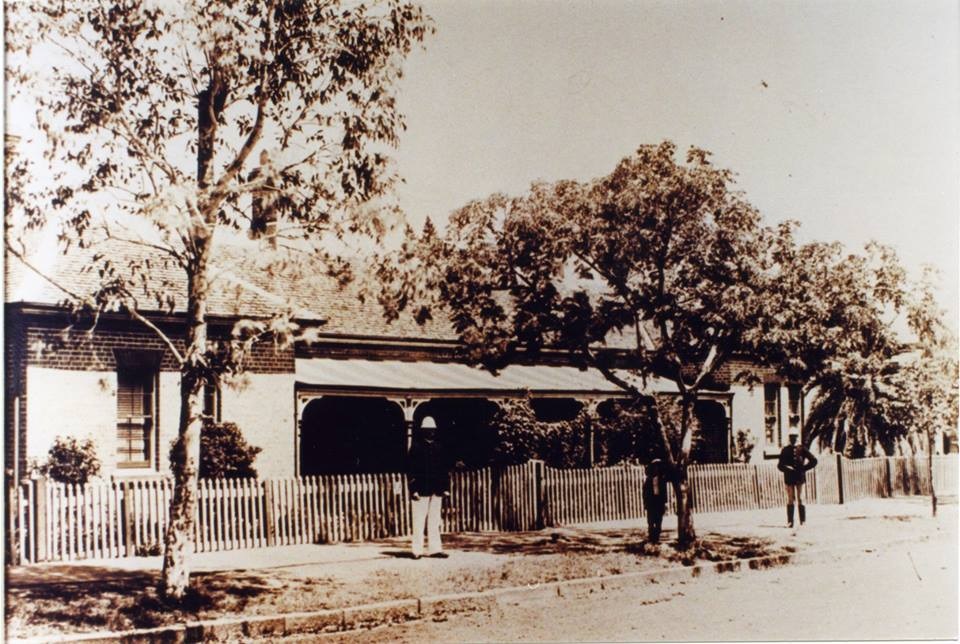
Camden Police Station and Residence: A Historical Landmark in Camden

Camden Police Station, a single-storey brick building at 35 John Street, was constructed in 1878 and served the NSW Police Service until 2011. Designed by James Barnet, it features historical architectural elements, including a paved verandah and brick chimneys. Currently vacant, it is recognized for its heritage value within the Camden community.

Agave · Camden · Camden Park House and Garden · Camden Story · Cawdor · Cawdor Road · Collective Memory · Colonial Camden · Colonial frontier · Cowpastures · Family history · Folklore · Frontier violence · Ghosts · Legends · Memory · Mysteries · Newspapers · Pioneers · Place making · Sense of place · Stories · Storytelling

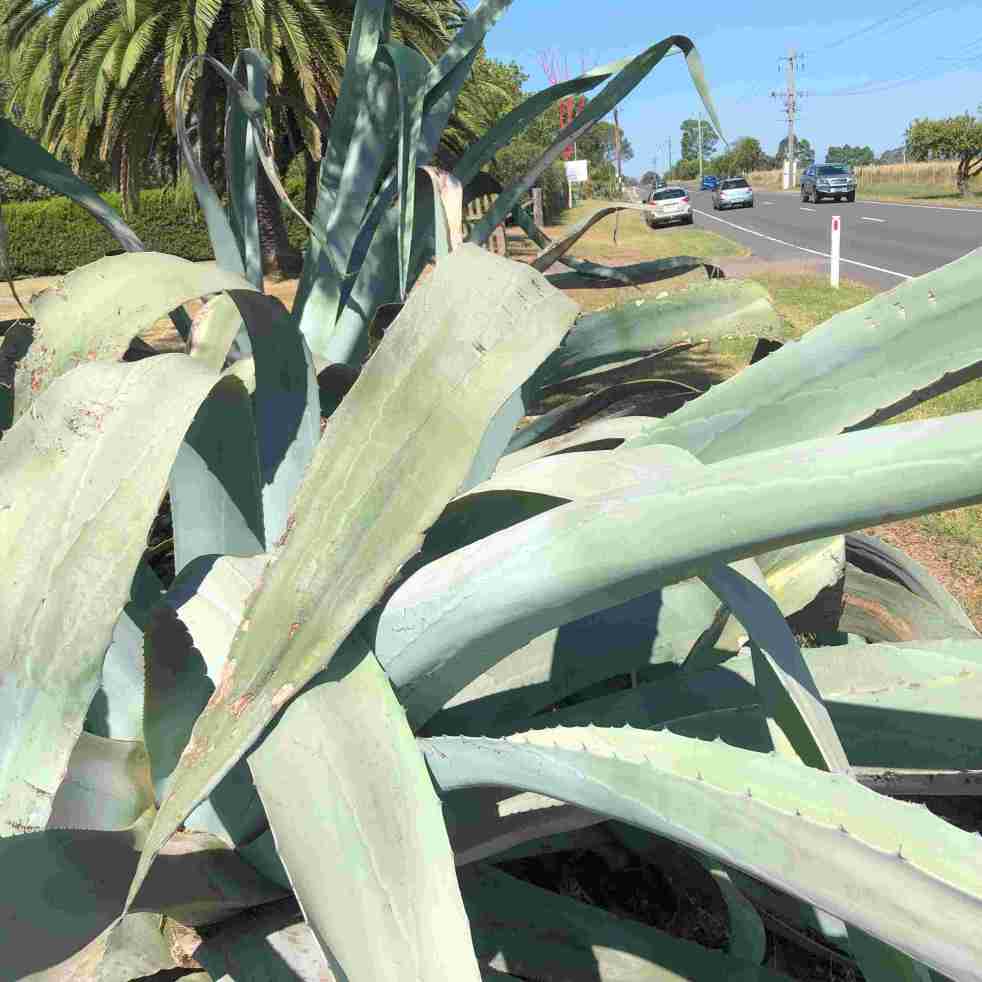
Agave on Cawdor Road, a part of local folklore

The agave plants near Cawdor Road, Camden, have become part of local folklore, with stories spanning murder, historical colonial gardens, and Indigenous conflict. These slow-growing succulents have sparked controversy and conjecture, with their true history and significance remaining a mystery. Despite attempts to uncover the truth, the agave's legend endures across generations.