1920s · 1930s · Architecture · Attachment to place · Built heritag · Business History · Collective Memory · Community Health · Cultural Heritage · Design · Edwardian · Film · Foresters Hall (former) · Heritage · History · Interwar · Leisure · Living History · Local History · Local Studies · Memory · Modernism · Movies · Narellan Military Camp · Placemaking · Second World War

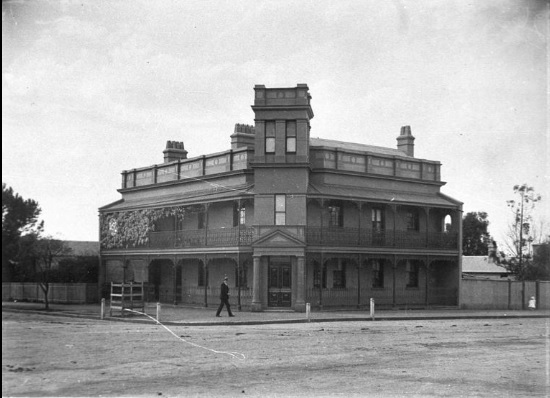
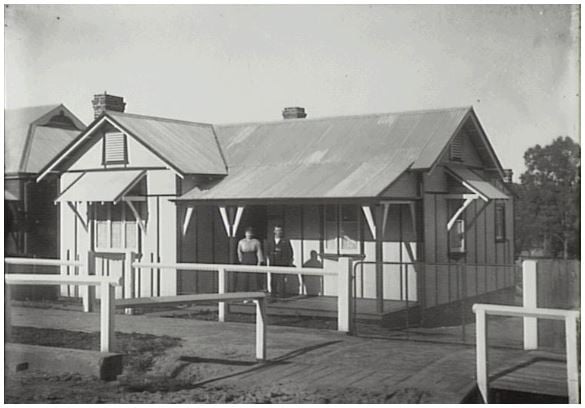
The former Foresters’ Hall, a marvellous Edwardian building

In Camden NSW the former Foresters’ Hall occupies one of the most prominent sites in the Town Centre on Oxley Street and Argyle Street at 147 Argyle Street. On its opening in 1908, the hall was considered the best in New South Wales by the Order of Royal Foresters.

1920s · 1930s · 1932 · 20th century · Adaptive Re-use · Aesthetics · Architecture · Argyle Street · Attachment to place · Belonging · Built heritag · Business History · Camden Story · Camden Town Centre · Collective Memory · Colonial Camden · Community identity · Cultural Heritage · Cultural icon · Design · Economy · Governor Macquarie · Historical consciousness · History · Interwar · Local History · Local Studies · localism · Macarthur region · Mid-century modernism · Modernism · Place making · Placemaking · Sense of place · Storytelling · Streetscapes · Town planning · Uncategorized · Urban growth · Urban history · Urbanism

 The former Bank of New South Wales building in the country town of Camden

In central Camden is an empty bank building of understated significance at the intersection of John and Argyle Streets. This building was the premises of Westpac, formerly the Bank of New South Wales, and was the second banking chamber on that site. Constructed in the 1930s by a prominent firm of local builders and designed by one of Sydney’s top award-winning architects. It is a building of much architectural merit, and few know its history. 

Aesthetics · Architecture · Art · Artists · Attachment to place · Belonging · Community identity · Cultural icon · Design · Heritage · Living History · Local History · Memorial · Memorialisation · Memorials · Memory · Monuments · Oran Park · Oran Park Library · Oran Park Raceway · Place making · Placemaking · Sense of place · Storytelling · Urban Planning · Urbanism

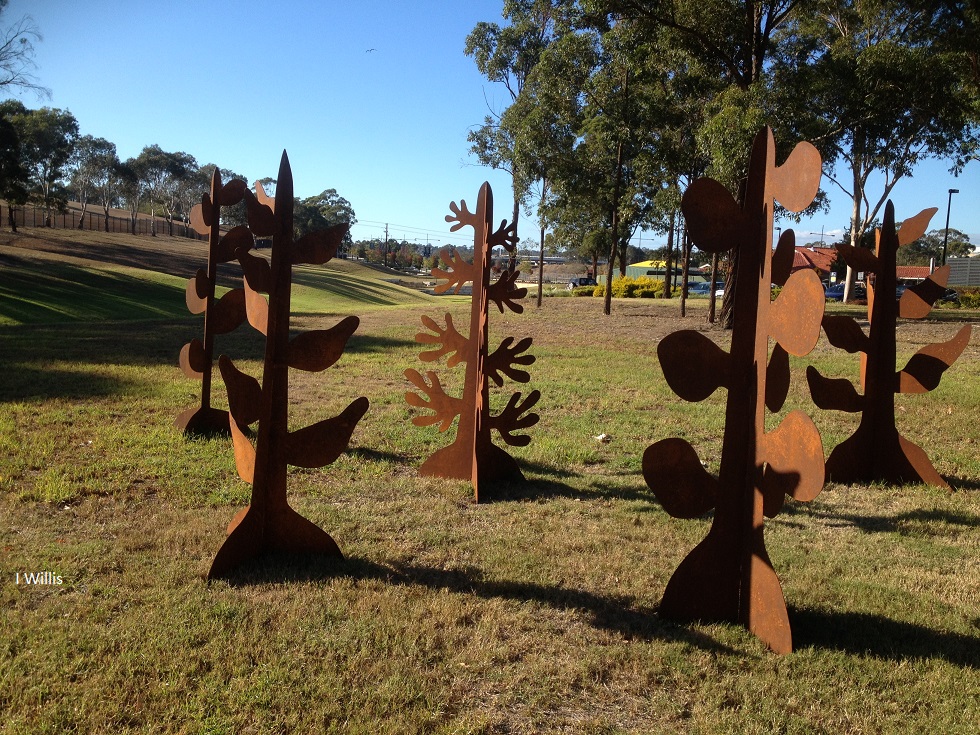
Oran Park Library: public art celebrates the ghosts of motor racing

The Oran Park library has a number of public artworks that commemorate the former Oran Park motorway that was on the site. These wonderful public art installations celebrate the memories of the  Oran Park Raceway which closed in 2010.

1968 Sydney Region Outline Plan · 1973 New Cities Campbelltown Camden Appin Structure Plan · Aesthetics · Architecture · Attachment to place · Business · Campbelltown · Campbelltown Council · Campbelltown Mid-century modernism · Campbelltown Modern · Campbelltown Modernism · Campbelltown Municipal Council · Community building · Community identity · Cultural Heritage · Cultural icon · Design · Economy · Heritage · Historical consciousness · Historical Research · Historical thinking · History · Living History · Local History · Local Studies · Macarthur · Macarthur region · Mid-century modernism · Modernism · Place making · Placemaking · Sense of place · Storytelling · Urban development · Urban growth · Urban history · Urban Planning · urban sprawl · Urbanism

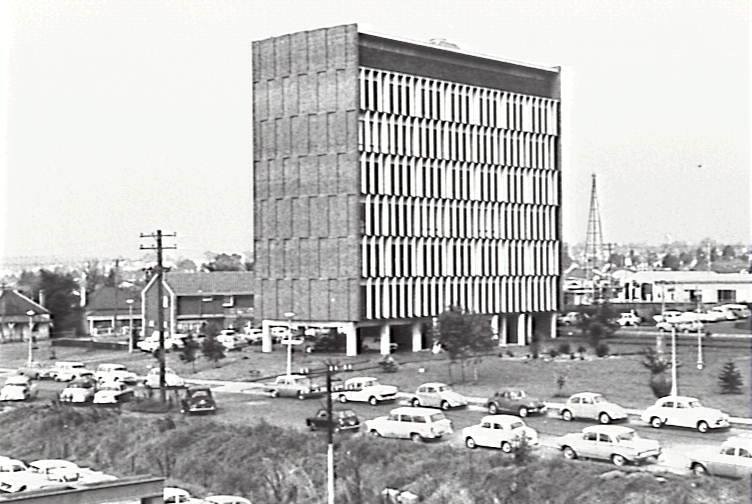
Exploring Campbelltown’s Mid-Century Modern Administration Building

The Campbelltown Council office building, completed in 1964, serves as an unrecognized icon of mid-century modernism, symbolizing the town's optimistic vision as a satellite city. Despite its structural significance and initial hopes for community development, later planning challenges undermined this vision, leaving the building's legacy complex and often overlooked.

Aesthetics · Architecture · Art · Artists · Attachment to place · Belonging · Campbelltown · Community identity · Community work · Craft · Cultural Heritage · Design · Education · Entertainment · Fashion · Heritage · Landscape · Landscape aesthetics · Leisure · Living History · Local History · Local Studies · localism · Macarthur · Monuments · Moveable Heritage · Parks · Place making · Placemaking · Public art · Sculpture · Sense of place · Storytelling · Symbolism · Tourism · Urbanism · Western Sydney University · WSU Campbelltown

WSU Sculpture Award and Exhibition Campbelltown

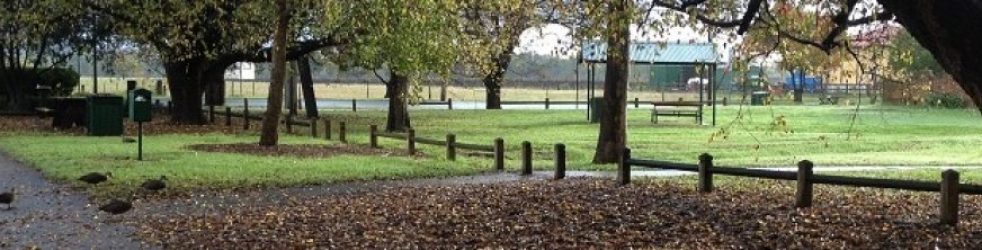
The Lakes at WSU is an inspiring setting for the 8th WSU Sculpture Award and Exhibition 2018

1920s · 1930s · Advertising · Aesthetics · Architecture · Attachment to place · Built heritag · Business · Business History · Community identity · Country town · Cultural and Heritage Tourism · Cultural Heritage · Cultural icon · Design · Dungog · Economy · Fashion · Heritage · Historical consciousness · Historical Research · History · Hotel History · Hotels · Interwar · Lifestyle · Local History · Local Studies · Modernism · Place making · Placemaking · Royal Hotel Dungog · Sense of place · Storytelling · Urban growth · Urban history

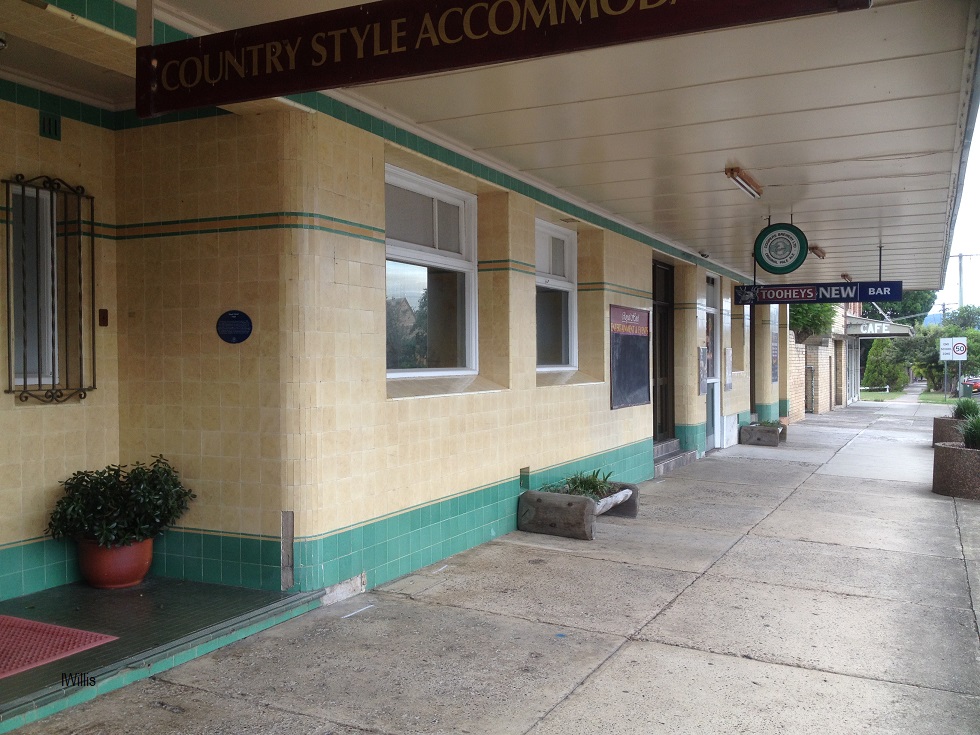
Dungog’s Royal Hotel, an Art Deco Bush Pub

The Dungog Royal Hotel is an example of an Interwar Art Deco style hotel in an Australian country town

1920s · 1930s · Adaptive Re-use · Architecture · Attachment to place · Belonging · Built heritag · Communications · Community identity · Cultural Heritage · Design · Heritage · History · Industrial Heritage · Interwar · Local History · Local Studies · Memory · Modernism · Place making · Placemaking · Railway · Railway history · Sense of place · Social History · Storytelling · Transport · transport history · Urban history · Utilities

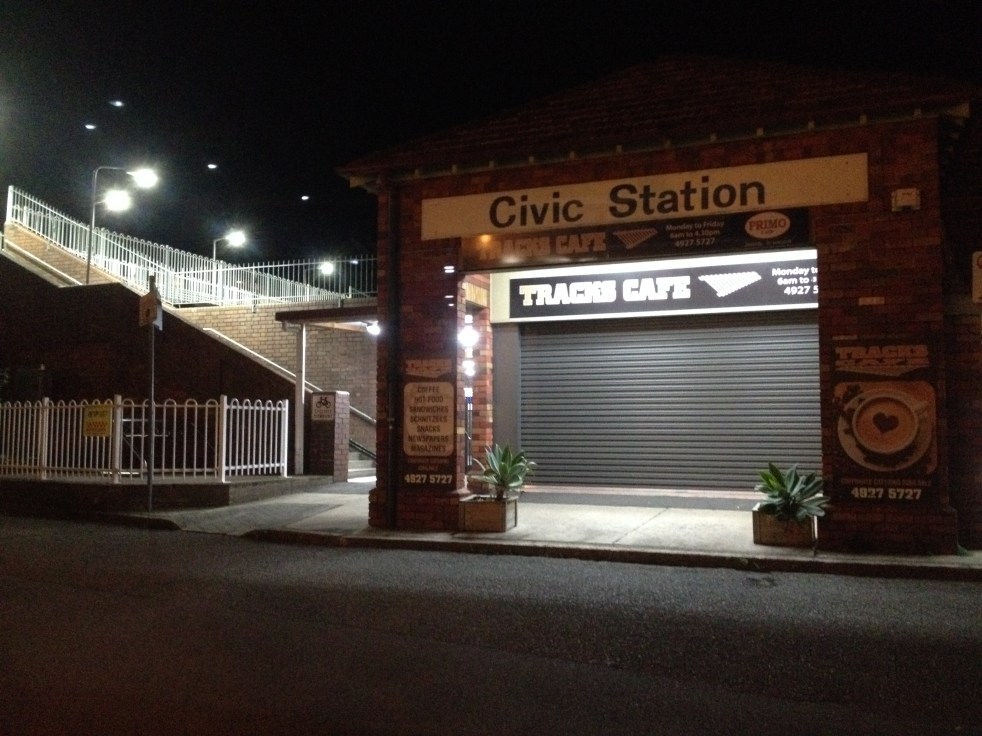
Civic Railway Station, revealing part of Newcastle modernism

Civic Railway Station, now closed, reveals some of the aesthetics of Newcastle modernism.

Aesthetics · Attachment to place · Belonging · Colonialism · Community identity · Country town · Cultural and Heritage Tourism · Cultural Heritage · Cultural plantings · Design · Edwardian · Entertainment · Fashion · Garden history · Heritage · Landscape · Leisure · Local History · Local Studies · Memorial · Memorialisation · Memorials · Memory · Monuments · Parks · Place making · Sense of place · Social History · Tourism · Uncategorized · Urban history · Urban Planning · Victorian

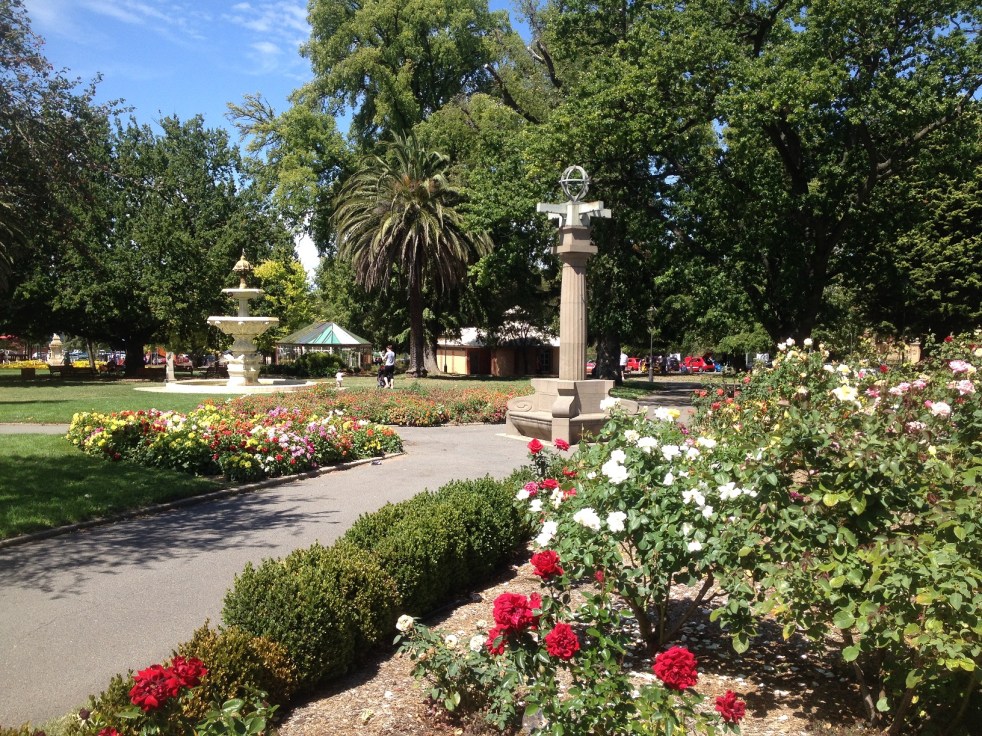
Goulburn’s Belmore Park, a space of memories and monuments

In central Goulburn is an urban park with formal paths and gardens that dates back Victorian times. The park has evolved to become a landscape of monuments and memorials.

Architecture · Attachment to place · British Heritage · Colonialism · Conservation · Cricket · Cultural and Heritage Tourism · Cultural Heritage · Cultural icon · Cultural plantings · Design · Education · England · Entertainment · Environment · Farming · Fashion · Garden history · Gardening · Governor Macquarie · Heritage · Historical consciousness · Historical Research · Historical source · Historical thinking · History · Horticulture · Landscape · Landscape aesthetics · Leisure · Living History · Memorialisation · Memorials · Memory · Modernism · Place making · Placemaking · Plant Nursery · Plants · Retailing · Sculpture · Sense of place · Settler Society · Social History · Storytelling · Sydney · Uncategorized · Urban development · Urbanism · Victorian

Sydney’s Royal Botanic Gardens

The Royal Botanic Gardens in Sydney, Australia, cover 29 hectares of gardens and 51 hectares of surrounding parkland. Established in 1816, it is the oldest colonial botanic garden in Australia, attracting 4 million visitors annually. With historical significance dating back to 1788, the Gardens reflect changing landscape styles and serve as a popular public space.

1920s · 20th century · Adaptive Re-use · Aesthetics · Architecture · Attachment to place · Built heritag · Camden · Camden Cottage · Camden Modern · Camden Modernism · Camden Story · Coal mining · Cultural Heritage · Cultural icon · Design · Elderslie · Heritage · History · History of a house · Holidays · House history · Housing · Housing styles · Interwar · Lifestyle · Living History · Local History · Local Studies · Macarthur · Memory · Mid-century modernism · Modernism · Place making · Placemaking · Sense of place · Storytelling · Streetscapes · Uncategorized · Urban development · Urban growth · Urban history · Urban Planning · Urbanism

The Camden Fibro Cottage and its connection to mid-century housing styles

The Camden fibro cottage symbolizes the mid-20th century's affordable housing solution, catering to the working class in a post-war Australia. Representing nostalgia and simplicity, these homes were practical yet modern. Although their popularity declined due to issues like poor insulation and asbestos risks, they remain a significant aspect of Camden's architectural heritage.