Aesthetics · Agriculture · Attachment to place · Australia · Belonging · British colonialism · Colonial Camden · Colonial frontier · Colonialism · Community identity · Convicts · Cowpastures · Cultural Heritage · Cultural icon · Curtilage · Economy · Elderslie · England · Farming · Frontier violence · Georgian · Gothic · Heritage · Historical consciousness · Historical Research · Historical thinking · History · Landscape · Landscape aesthetics · Local History · Local Studies · Macarthur · Narellan · Place making · Ruralism · Sense of place · Settler colonialism · Storytelling · Stuart Park Wollongong

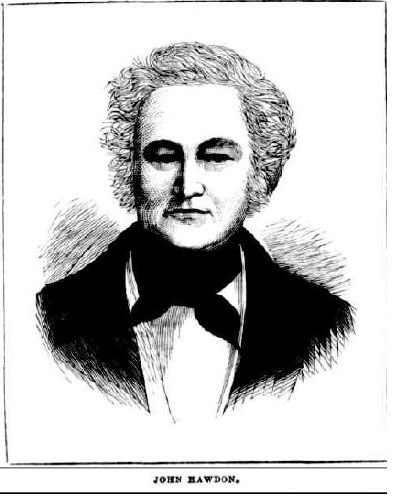
John Hawdon of Elderslie in a settler society

John Hawdon of Elderslie was part of the story of settler colonialism in New South Wales in the early 19th century.

Camden · Colonial Camden · Community identity · Convicts · Cowpastures · Edwardian · Elderslie · Farming · First World War · Floods · Heritage · Historical consciousness · Historical Research · History · Interwar · Local History · Macarthur · Modernism · Place making · Red Cross · Second World War · Sense of place · Settler colonialism · Urban growth · Volunteering · War

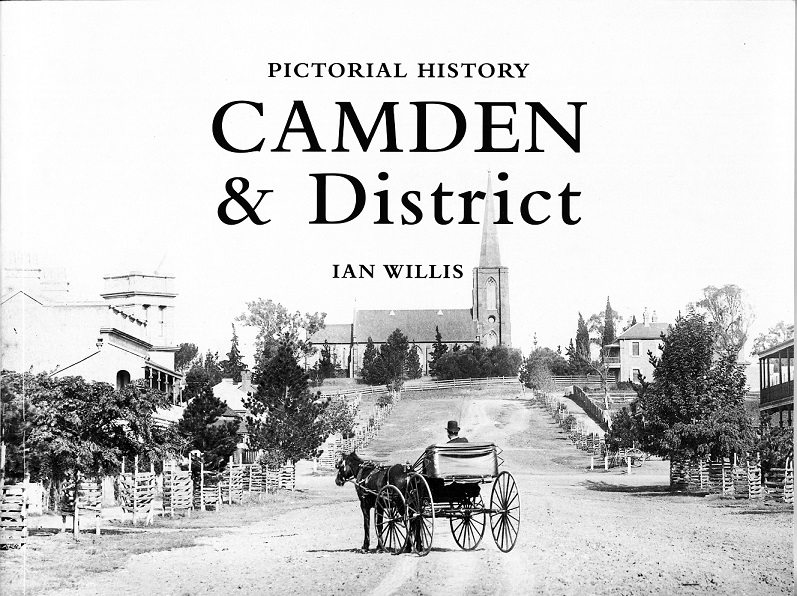
Pictorial History of Camden and District

The history of the Camden District is told in a recent publication that has been recently been republished by Kingsclear Books. Pictorial History of Camden & District.

1968 Sydney Region Outline Plan · 1973 New Cities Campbelltown Camden Appin Structure Plan · Airds · Attachment to place · Belonging · Camden · Camden Story · Campbelltown · Elderslie · History · Hope and loss · Land releases · Landscape · Landscape aesthetics · Leppington · Local History · Local Studies · localism · Lost Sydney · Macarthur · Mount Annan · Mount Gilead · Narellan · Oran Park · Place making · Regionalism · rural-urban fringe · Ruralism · Sense of place · Storytelling · Sydney's rural-urban fringe · The Oaks · Town planning · Transition zone · Uncategorized · Urban development · Urban growth · Urban history · Urban Planning · urban sprawl · Urbanism

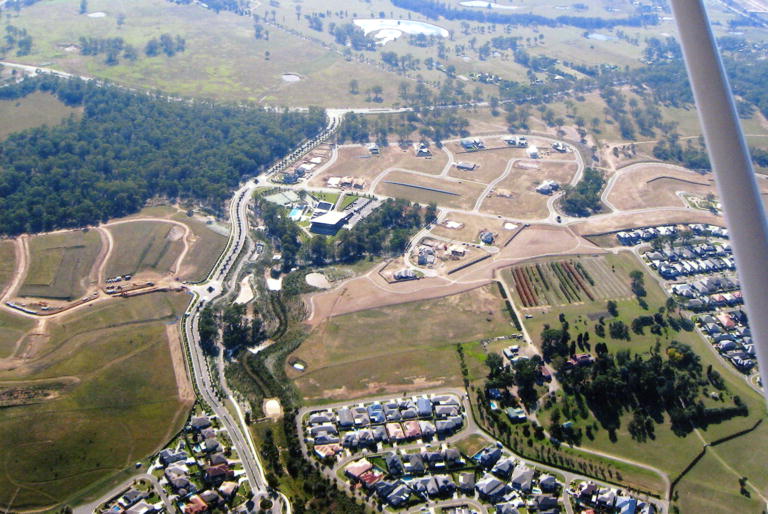
Sydney’s urban fringe: a transition zone of hope and loss

Sydney’s rural-urban fringe is a site of winners and losers. It is a landscape where dreams are fulfilled and memories are lost. The promises of land developers in master-planned suburban utopias meet the hope and expectations of newcomers.

Architecture · Art · Attachment to place · Cafes · Camden · Camden Airfield · Camden Gasworks · Camden High School · Camden Museum · Cobbitty · Colonial Camden · Colonialism · Community identity · Convalescent hospital · Convicts · Cowpastures · Edwardian · Elderslie · England · Entertainment · Farming · Fashion · Festivals · Heritage · Historical consciousness · Historical Research · Historical thinking · History · Interwar · Landscape aesthetics · Leisure · Local History · Local newspapers · Macarthur · Memorials · Menangle · Modernism · Monuments · Movies · Narellan · Newspapers · Philanthropy · Place making · Red Cross · Retailing · Second World War · Sense of place · Sydney's rural-urban fringe · Tourism · Volunteering · War

Camden Bibliography a Biography of a Country Town

Camden Bibliography is a list of primary and secondary sources of the Camden township and district.

1920s · 20th century · Adaptive Re-use · Aesthetics · Architecture · Attachment to place · Built heritag · Camden · Camden Cottage · Camden Modern · Camden Modernism · Camden Story · Coal mining · Cultural Heritage · Cultural icon · Design · Elderslie · Heritage · History · History of a house · Holidays · House history · Housing · Housing styles · Interwar · Lifestyle · Living History · Local History · Local Studies · Macarthur · Memory · Mid-century modernism · Modernism · Place making · Placemaking · Sense of place · Storytelling · Streetscapes · Uncategorized · Urban development · Urban growth · Urban history · Urban Planning · Urbanism

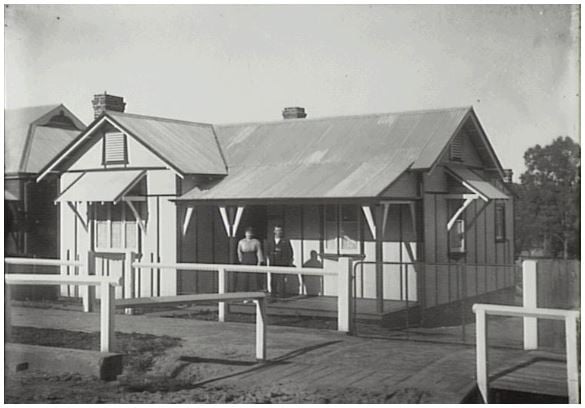
The Camden Fibro Cottage and its connection to mid-century housing styles

The Camden fibro cottage symbolizes the mid-20th century's affordable housing solution, catering to the working class in a post-war Australia. Representing nostalgia and simplicity, these homes were practical yet modern. Although their popularity declined due to issues like poor insulation and asbestos risks, they remain a significant aspect of Camden's architectural heritage.