Architecture · Attachment to place · British Heritage · Colonialism · Conservation · Cricket · Cultural and Heritage Tourism · Cultural Heritage · Cultural icon · Cultural plantings · Design · Education · England · Entertainment · Environment · Farming · Fashion · Garden history · Gardening · Governor Macquarie · Heritage · Historical consciousness · Historical Research · Historical source · Historical thinking · History · Horticulture · Landscape · Landscape aesthetics · Leisure · Living History · Memorialisation · Memorials · Memory · Modernism · Place making · Placemaking · Plant Nursery · Plants · Retailing · Sculpture · Sense of place · Settler Society · Social History · Storytelling · Sydney · Uncategorized · Urban development · Urbanism · Victorian

Sydney’s Royal Botanic Gardens

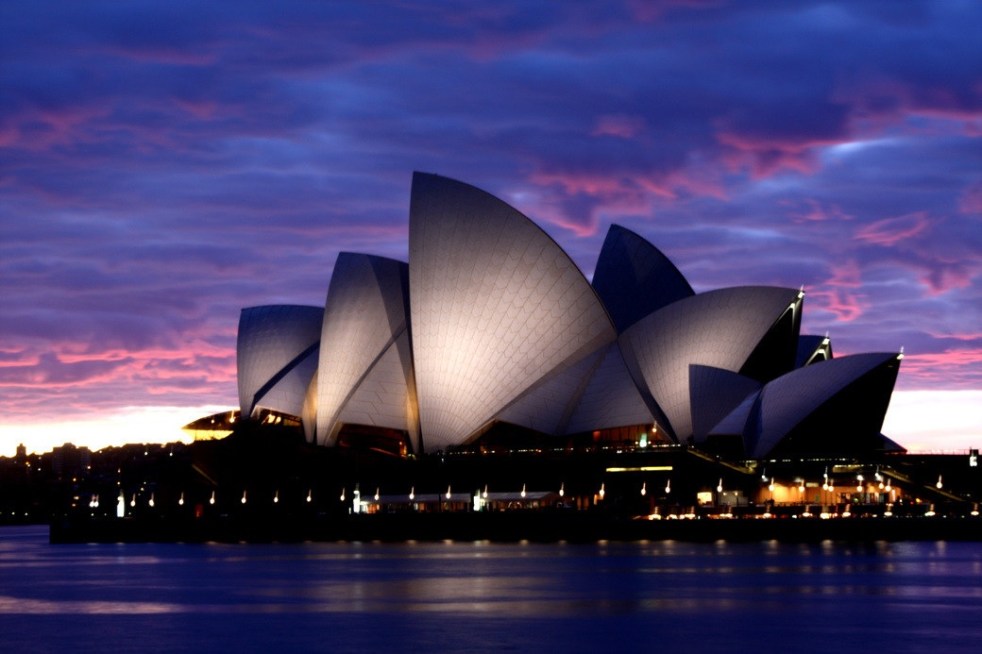
The Royal Botanic Gardens in Sydney, Australia, cover 29 hectares of gardens and 51 hectares of surrounding parkland. Established in 1816, it is the oldest colonial botanic garden in Australia, attracting 4 million visitors annually. With historical significance dating back to 1788, the Gardens reflect changing landscape styles and serve as a popular public space.

Attachment to place · Historical consciousness · Historical Research · Historical thinking · History

Academic snobbery: local historians need more support

Ian Willis, University of Wollongong Local history is one of the most popular forms of history in Australia. Yet there is a yawning gap between the enthusiastic amateur and the academic historian. While some academic historians engage with local history, sadly there is an entrenched snobbery from the academy. From the other side, the enthusiastic… Continue reading Academic snobbery: local historians need more support

Appin · Architecture · Attachment to place · Australia · British colonialism · Campbelltown · Colonial frontier · Colonialism · Communications · Community identity · Cowpastures · Cultural Heritage · Cultural icon · Curtilage · Dairying · Farming · Frontier violence · Governor Macquarie · Heritage · Historical consciousness · Historical Research · Historical thinking · History · Landscape aesthetics · Local History · Local Studies · Macarthur · Monuments · Place making · Ruralism · Sense of place · Settler colonialism · Sydney's rural-urban fringe · Town planning · Transport · Urban growth · Urban Planning · urban sprawl · Urbanism · Victorian

Beulah and Sydney’s Urban Sprawl

Beulah estate, Sydney's urban sprawl and the Appin Road

Aesthetics · Architecture · Attachment to place · Campbelltown · Colonialism · Community identity · Cultural Heritage · Cultural icon · Edwardian · Entertainment · Farming · Fashion · Georgian · Heritage · Historical consciousness · Historical thinking · History · Hotels · Interwar · Leisure · Local History · Lost Sydney · Macarthur · Memory · Modernism · Place making · Railway · Retailing · Ruralism · Sense of place · Settler colonialism · Streetscapes · Sydney's rural-urban fringe · Tourism · Town planning · Urban growth · Urban Planning · urban sprawl · Urbanism · Victorian

Lost Campbelltown heritage

The lost built heritage of a country town on Sydney's urban fringe at Campbelltown

Attachment to place · Australia · British colonialism · Camden · Camden District · Camden Park House and Garden · Camden Show · Camden Story · Community identity · Cultural and Heritage Tourism · Cultural Heritage · Edwardian · England · First World War · Gilbulla · Heritage · Historical consciousness · Historical Research · Historical thinking · History · Interwar · Landscape aesthetics · Local History · Local newspapers · Macarthur · Menangle · Modernism · Newspaper history · Newspapers · Place making · Placemaking · Railway · Royal Tours · Sense of place · Social History · Tourism · War

Menangle ‘Little England’ says Duchess of York

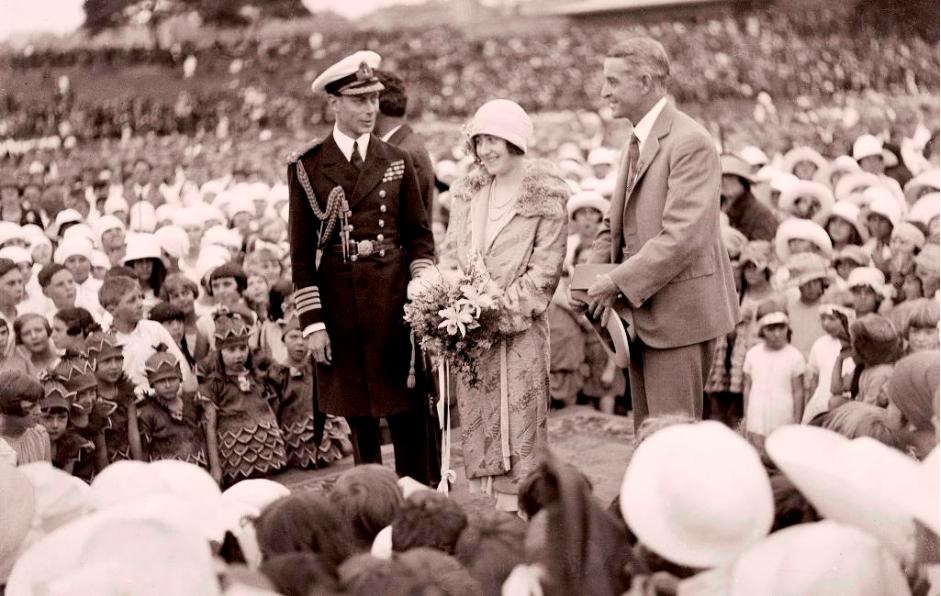
In 1927, the Duke and Duchess of York visited Menangle and Camden Park as part of their Australian royal tour. They were guests at the Camden Park house and enjoyed activities such as horse riding and attending the Camden Show. The visit received extensive coverage in newspapers across Australia, highlighting the English countryside-like environment.

1920s · 20th century · Aesthetics · Architecture · Ben Linden · Built heritag · Camden · Camden Cottage · Camden Story · Cultural Heritage · Edwardian · Heritage · History · House history · Housing · Housing styles · Interwar · Local Studies · Modernism · Narellan · Narellan Built Heritage · Placemaking · Residential Housing Style · Sense of place · Storytelling · Urban growth · Urban history · Urbanism

Ben Linden Narellan An Edwardian Gem

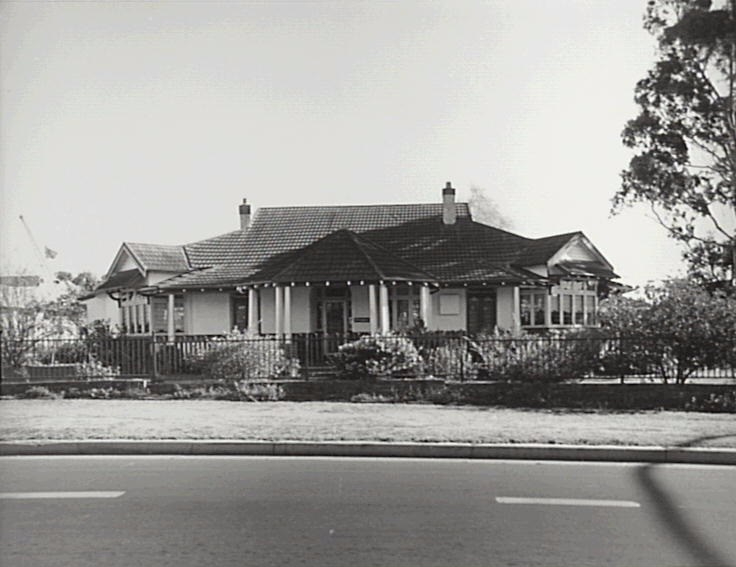
Ben Linden in Narellan is a notable Edwardian cottage representing early twentieth-century Australian architecture. The style emerged after the Federation of the Commonwealth of Australia in 1901, influenced by English Edwardian houses but tailored to suit local conditions. This housing style provides insight into the cultural heritage of Camden and the people who built and lived in these houses.

Attachment to place · Australia · Camden · Community identity · Cultural Heritage · Cultural icon · Family history · Heritage · Historical consciousness · Historical Research · Historical thinking · History · History of a house · History theory and practice · House history · Living History · Local History · Local Studies · Media History · Medical history · Motoring History · Moveable Heritage · Place making · Sense of place · Storytelling · Women's history

History is nice, but…

The value of history is more important now than almost at any other time in the past.

Architecture · Cafes · Camden · Community identity · Cultural Heritage · Cultural icon · Entertainment · Food · Heritage · Historical consciousness · Historical Research · History · Holidays · Interwar · Leisure · Local History · Macarthur · Memory · Modernism · Place making · Retailing · Sense of place

Discover Camden’s Iconic Milk Bars and Cafes

Camden's milk bars, established by Australian-Greek immigrants in the Interwar period, significantly influenced local food culture. With Art Deco designs, these cafes blended American food trends with Australian cuisine, offering various refreshments and meals. They served as social hubs, fostering community connections and breaking down social barriers, with lasting cultural nostalgia today.

Anzac · Attachment to place · Australia · Community identity · Heritage · Historical consciousness · Historical Research · Historical thinking · History · Local History · Myths · Narellan · Narellan Military Camp · Place making · Second World War · Sense of place · Technology · War

The army in camp at Narellan in WW2

The Narellan Military Camp was an important part of the story of wartime Camden during the Second World War.

Anzac · Attachment to place · Australia · Historical consciousness · Historical Research · Historical thinking · History · Local History · Narellan · Narellan Military Camp · Second World War · Sense of place · War

The army arrives at Narellan

The Second World War arrived at Narellan with the establishment of the military camp on Cobbitty Road.