20th century · Aesthetics · Architecture · Built heritag · Camden Modern · Camden Modernism · Collective Memory · Community identity · Cultural Heritage · Domestic Architecture · Elderslie · Heritage · History · History of a house · Housing · Local History · Local Studies · Memory · Mid-century modernism · Modernism · Place making · Sense of place · Storytelling · Urban development · Urban growth · Urban Planning · Urbanism

Exploring Lost Camden, The Legacy of The Hennings House

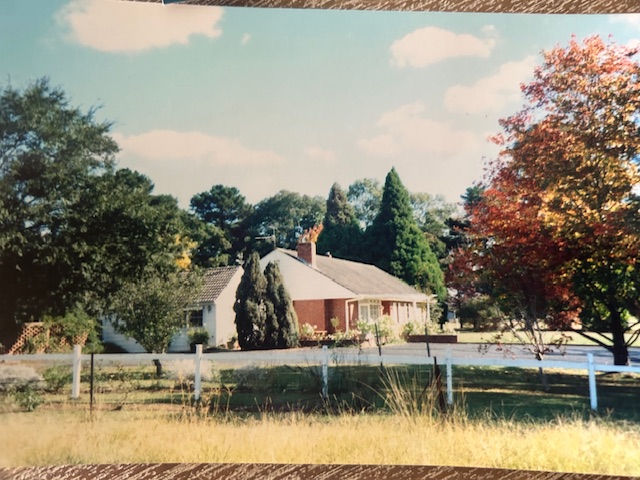
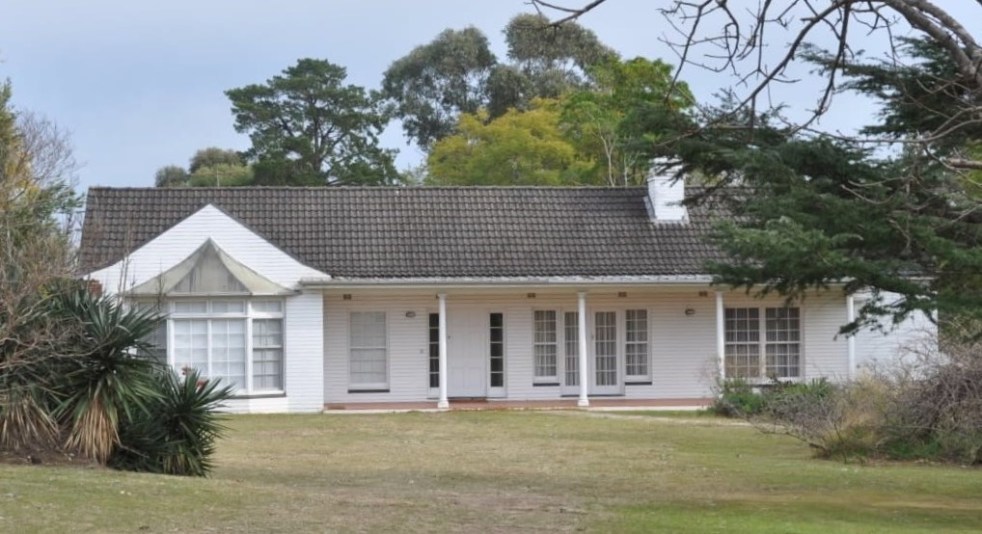
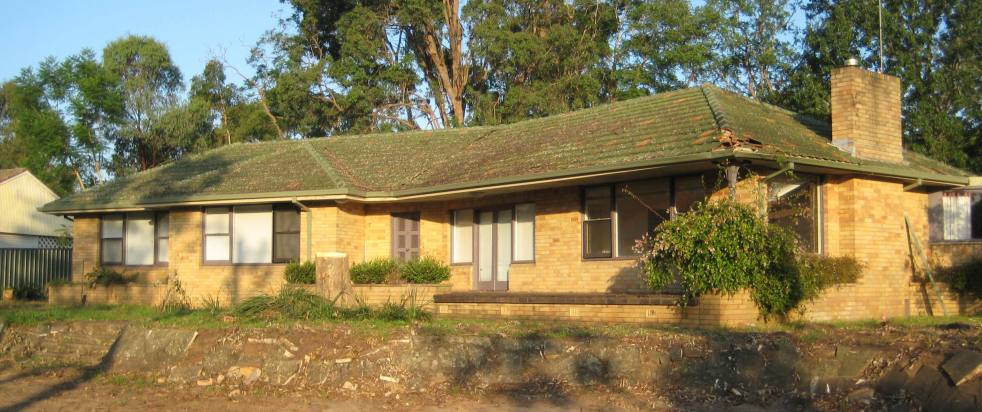
The Hennings House, a mid-century modern ranch-style residence built in 1960, was a prominent part of Elderslie's architectural landscape until its demolition in 2011 for a preschool. Known for its distinctive features and design, the house highlighted the cultural significance of post-World War II domestic architecture in Camden.

1960s · 20th century · Alan Baker Art Gallery Camden NSW · Artworks · Built Heritage · Camden Cottage · Camden Mid-century Modernism · Camden Modernism · Camden Realism · Camden Story · Community work · Cultural Heritage · Domestic Architecture · Families · Family history · Heritage · House history · Housing · Housing styles · Local History · Local Studies · Lost Camden · Mid-century modernism · Modernism · Place making · Placemaking · Sense of place · Stories · Storytelling

Exploring Elderslie’s Ranch-Style Homes, lost mid-century Camden

Tarn House, a ranch-style residence built in 1963 by Dr. Gordon Clowes in Elderslie, represents Camden's mid-century modern architecture. Clowes, an influential community figure and surgeon, lived there with his family. The house, now lost, was part of a broader trend of ranch-style homes in the area during the 1960s.

20th century · Aesthetics · Art · Artworks · Belonging · Community · Community celebrations · Community Engagement · Community identity · Cricket · Cultural and Heritage Tourism · Cultural Heritage · Cultural icon · Design · Festivals · Football · GLAM Sector · Heritage · Lifestyle · Living History · Lost Sydney · Melbourne · Modernism · Music history · Nationalism · Paintings · Place · Place making · Placemaking · Sense of place · Social History · Sporting History · Storytelling · Sydney · Sydney Harbour Bridge · Symbolism · Theatre · Tourism · Travel · Uncategorized · Urban history · Urbanism

Sydney’s Cultural Identity: A City of Contradictions

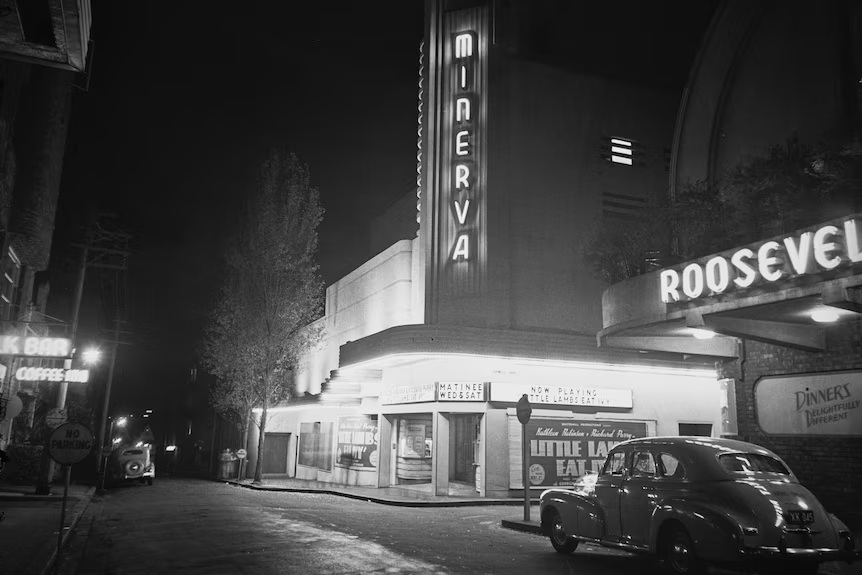
Sydney presents a striking contrast between its stunning harbour and perceived lack of cultural depth. Critics argue the city is a "cultural wasteland," with isolated artistic venues and a fragmented entertainment scene, unlike the vibrant precincts found in Melbourne, London and New York. Sydney's cultural identity partly emerges from its diverse tribes and subcultures that are found in the depths of the suburbs.

1920s · Adaptive Re-use · Aesthetics · Architecture · Attachment to place · Belonging · Business · Camden · Camden Museum · Camden Park House and Garden · Colonial Camden · Communications · Community identity · Cowpastures · Cultural Heritage · Cultural icon · Economy · Entertainment · Family history · Fashion · Festivals · Genealogy · Heritage · Historical consciousness · Historical Research · Historical thinking · History · History of a house · History theory and practice · House history · Job creation · Lifestyle · Living History · Local History · Local Studies · Macarthur · Media · Menangle · Military history · Modernism · NSW History K-10 Syllabus · Place making · Ruralism · Sense of place · Settler colonialism · Stereotypes · Storytelling · Streetscapes · Sydney's rural-urban fringe · Tourism · Travel · Urban growth · Urban Planning · urban sprawl · Volunteering · Volunteerism · Women's history

Understanding the Camden Story: History, Community, and Identity

The Camden story encapsulates the rich tapestry of tales and histories that define the Camden community, including dreamtime legends and settler accounts. It offers insight into the community's values, identity, and resilience, serving as both a historical narrative and a tool for local businesses, fostering deeper connections among residents.

Aesthetics · Architecture · Attachment to place · Australian History · Built heritag · Built Heritage · Camden Built Heritage · Camden Modernism · Camden Story · Community identity · Country town · Cultural Heritage · Domestic Architecture · Elderslie · Heritage · History of a building · History of a house · Hope and loss · House history · Housing · Housing styles · Landscape · Landscape aesthetics · Living History · Lost Camden · Mid-century modernism · Modernism · Narellan · Nostalgia · Place making · Placemaking · Small town · Stories · Storytelling · Uncategorized · Urban development · Urban growth · Urban history · Urban Planning · Urbanism

A Journey Through Camden’s Mid-Century Housing Architecture

Camden's mid-century housing, developed between the 1940s and 1970s, reflects a worldwide modernism movement. Characterized by simple lines and open spaces, these homes arose amid urban growth linked to the new jobs created by the Burragorang coalfields. Unfortunately, many of these historic structures are disappearing, necessitating greater recognition and appreciation of their significance.

1920s · 1930s · Advertising · Aesthetics · Camden · Campbelltown · Cultural Heritage · Film · Gender · Hawaii · Heritage · History · Leisure · Media · Media History · Modernism · Movies · Music · Music history · Myths · Newspapers · Picton · Stereotypes · Storytelling · Tourism

Hawaiian Music and Hula Dance Craze in 1920s Camden: A Historical Perspective

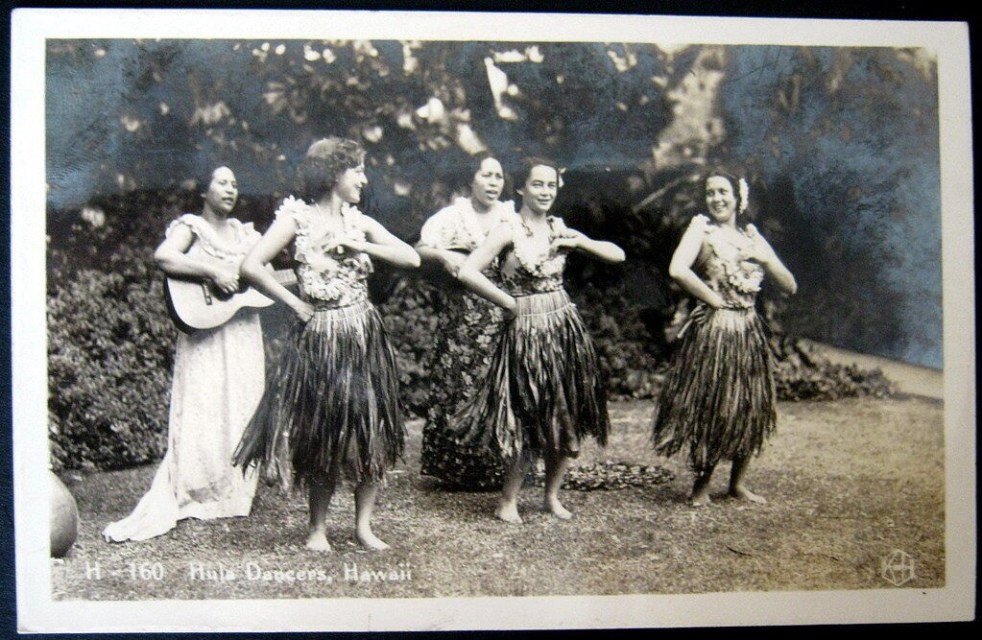
Hawaiian music and dance arrived in Camden after sweeping the rest of the country on the stage, at the movies and broadcast across the radio waves. The craze of the 1920s and 1930s was centred on hula dancing and the steel guitar. 

Anzac · Attachment to place · Australia Day · Camden Red Cross · Camden Story · Collective Memory · Community Health · Community identity · Cultural Heritage · Festivals · First World War · Heritage · Historical consciousness · History · Local History · Local Studies · Macarthur · Medical history · Menangle Army Camp · Modernism · Myths · Narellan Military Camp · Philanthropy · Place making · Red Cross · Ruralism · Second World War · Sense of place · Storytelling · Volunteering · Volunteerism · War · War at home · Women's Writing

Australia Day 1918, Red Cross Fundraising Activities in Camden

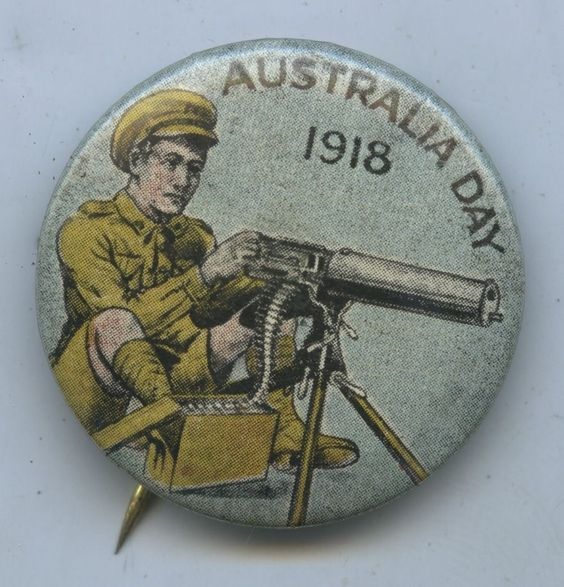
Australia Day fundraisers in 1918 played a crucial role in supporting the war effort, with various activities such as selling badges, public subscriptions, prayer services, lectures, and door-knocks. The Camden Red Cross raised a significant amount, as did Menangle and Narellan branches. The total effort amounted to £748, a substantial sum for the time.

Agricultural heritage · Agricultural modernism · Agriculture · Agriculture history · Belonging · Camden · Camden Chinese Market Gardeners · Camden District · Camden Rotary Club · Camden Story · Camden Town Farm · Community identity · Country town · Cultural Heritage · Economy · Elderslie · Families · Family history · Farming · Gardening · History · Horticulture · Intensive agriculture · Irrigation · Landscape · Lifestyle · Local History · Local Studies · Lost Camden · Memory · Modernism · Nepean River · Plants · Ruralism · Sense of place · Small town · Social History · Stories · Storytelling

History of Camden Chinese Market Gardeners: Resilience, Innovation, and Struggles

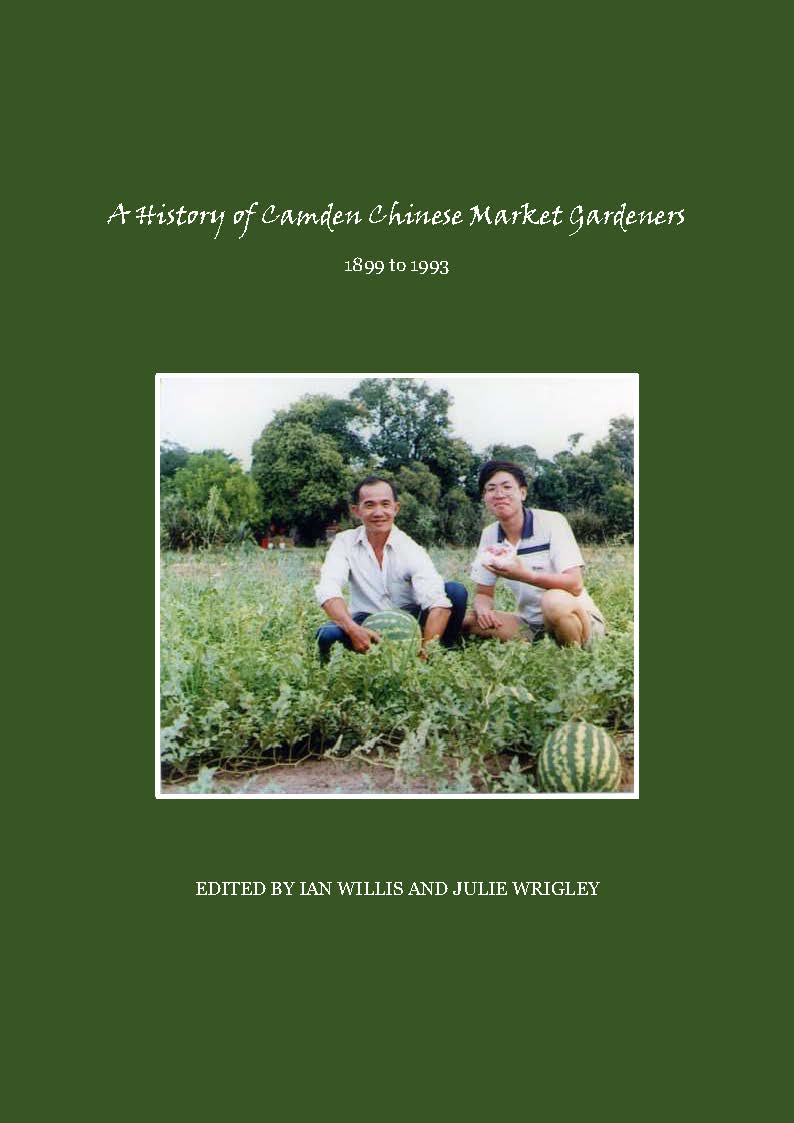
The presentation at Camden Rotary Club details the significant contributions and challenges faced by Chinese market gardeners in Camden. It sheds light on their resilience, innovation, discrimination, and impact on the local economy. The book "A History of Camden Chinese Market Gardeners 1899-1993" emphasizes their agency, making an important contribution to local history and the literature of the Chinese diaspora in Australia.

20th century · Active citizenship · British Heritage · British Red Cross · Collective Memory · Community identity · Cultural Heritage · First World War · Gender · Humanitarianism · Ideology of Motherhood · International Relief · Lady Helen Munro Ferguson · Living History · Medical history · Medical Humanities · Memory · Metaphor · Modernism · Motherhood · Nationalism · Propaganda · Red Cross · Red Cross Humanitarianism · Red Cross Movement · Second World War · Sense of place · Sewing · Small communities · Small town · Social History · Stories · Storytelling · Symbolism · Trauma · Voluntary Aid Detachment · Volunteering · Volunteerism · War · War at home · Wartime · Women's agency · Women's history · Women's stories · World War One

‘Guardian Angels’, the Red Cross on the wartime homefront

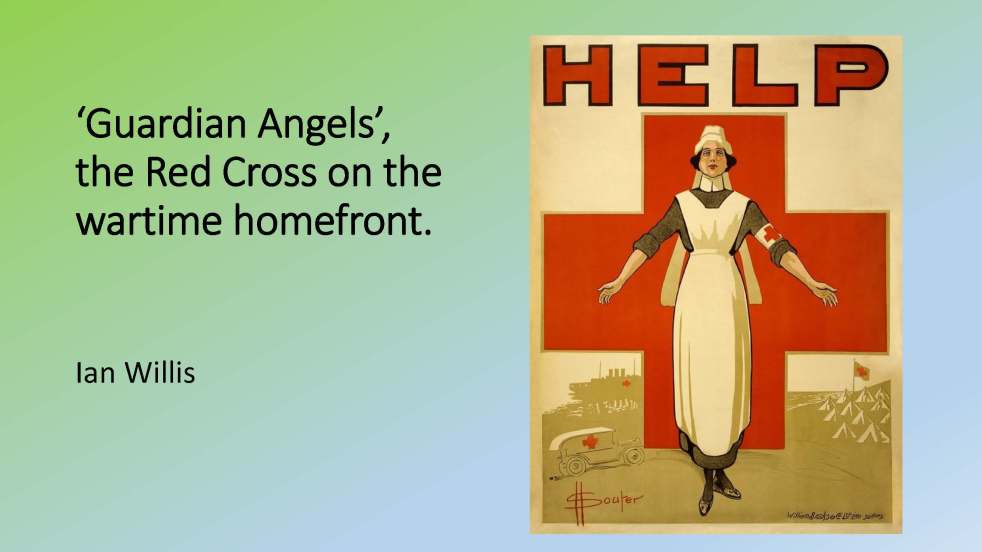
During the First World War, Australian women independently joined the Red Cross to support the war effort. The Red Cross provided a space for women to express agency and contribute to the war through practical activities and fundraising. The organization's local branches established a sense of community and played a significant role in the homefront war effort.

Active citizenship · Australian Red Cross · British Red Cross · Collective Memory · Cultural Heritage · Health History · Humanitarianism · Ideology of Motherhood · International Relief · Medical history · Medical Humanities · Modernism · Motherhood · Nationalism · Philanthropy · Poster Art · Propaganda · Public art · Red Cross · Red Cross Humanitarianism · Red Cross Movement · Trauma · Volunteering · Volunteerism · War · War at home · Wartime · Women's agency · Women's history · Women's stories · World War One

‘Angels Of Mercy’, The Red Cross On the Homefront During the First World War

During World War I, the Australian Red Cross mobilized women as 'Angels of Mercy' and 'ministering angels' to provide aid with strong moral overtone. The organization used motherhood imagery to rally support, portraying itself as the 'Greatest Mother in the World'. This approach effectively garnered community backing and positioned Red Cross workers as soldiers' guardian angels.