
The article explores regional identity in Sydney's Macarthur district, focusing on the communities of Campbelltown, Camden, and Picton. It discusses the strong local attachment to identity, which is challenged by perceptions of western Sydney as a cultural wasteland. Jeff McGill’s criticism of regional labeling sparked significant community response, revealing a conflict over identification and stereotypes. While Macarthur's regionalism reflects urban expansion, it struggles for acceptance amidst historical, cultural, and emotional ties that residents hold with their distinct localities.
Category: Urban growth

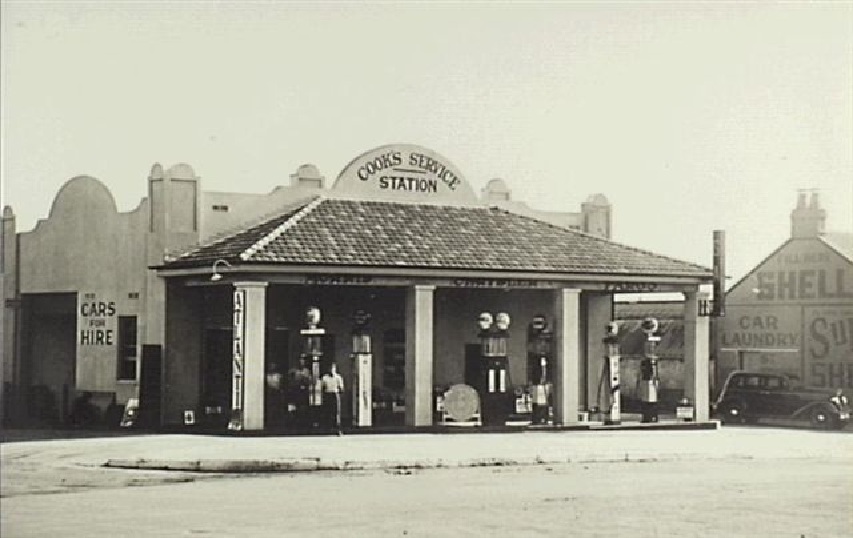
Interwar Camden, the heritage of a country town
During the interwar period, Camden experienced economic growth driven by dairy and coal industries. The town's population grew by over 35%, making it a vital commercial and administrative center. The Hume Highway and railway brought modern influences, leading to developments such as motor industry, cinemas, and the airfield. Camden has maintained its bucolic charm, but has also experienced urbanization pressure. The town centre has many buildings from the interwar period.
Share this:

Share this:
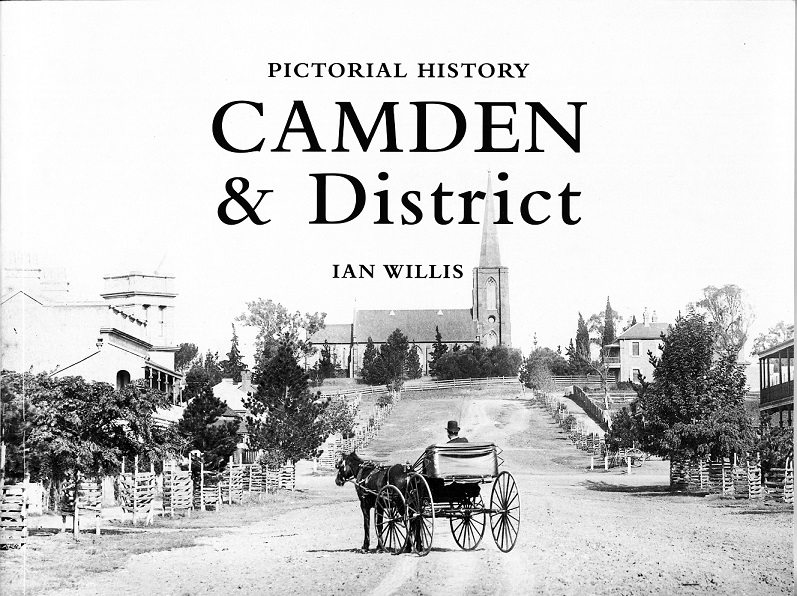
Pictorial History of Camden and District
The history of the Camden District is told in a recent publication that has been recently been republished by Kingsclear Books. Pictorial History of Camden & District.
Share this:

Share this:
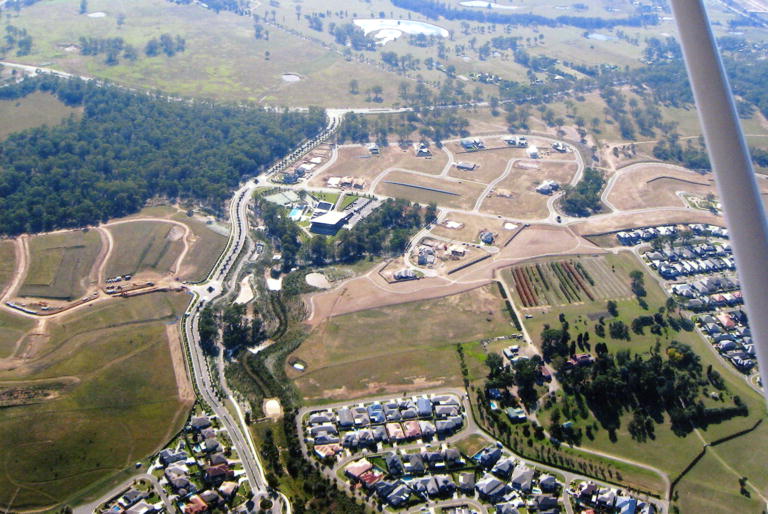
Sydney’s urban fringe: a transition zone of hope and loss
Sydney’s rural-urban fringe is a site of winners and losers. It is a landscape where dreams are fulfilled and memories are lost. The promises of land developers in master-planned suburban utopias meet the hope and expectations of newcomers.
Share this:

Share this:
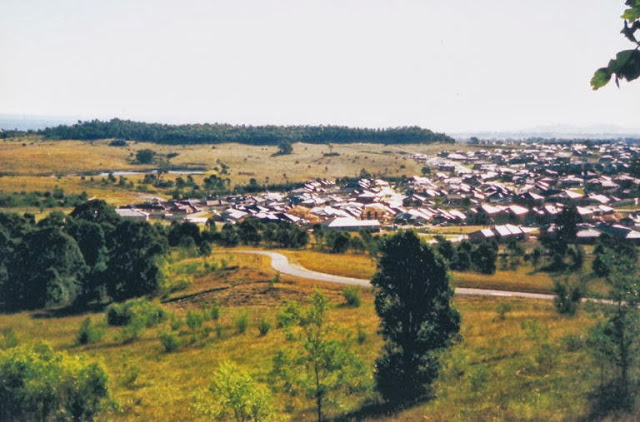
Sydney’s urban sprawl invades the Macarthur region
Urban sprawl has invaded the Macarthur region. It is re-run of the planning policies of the 1970s.
Share this:

Share this:
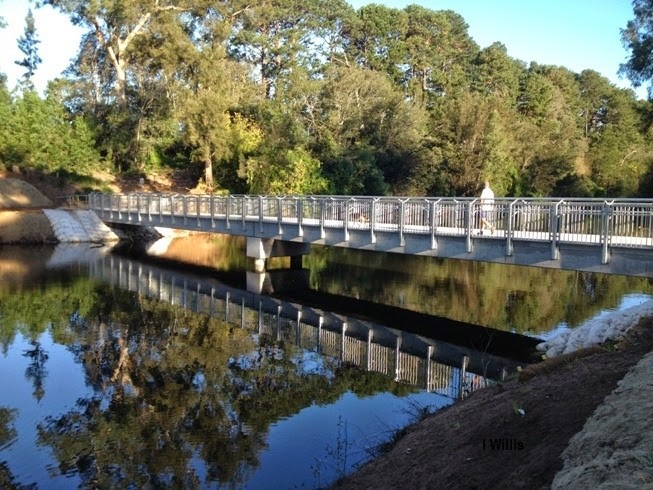
Nepean River, more than a water view
The Nepean River and its floodplain is much more than just a water view. It is cultural and natural icon in the Sydney basin.
Share this:

Share this:
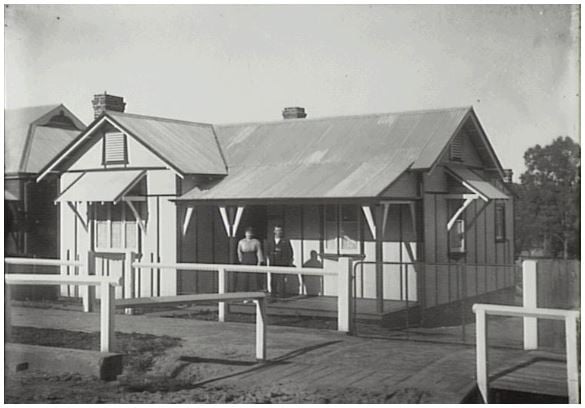
The Camden Fibro Cottage and its connection to mid-century housing styles
The Camden fibro cottage symbolizes the mid-20th century's affordable housing solution, catering to the working class in a post-war Australia. Representing nostalgia and simplicity, these homes were practical yet modern. Although their popularity declined due to issues like poor insulation and asbestos risks, they remain a significant aspect of Camden's architectural heritage.

