Architecture · Attachment to place · Camden · Communications · Cowpastures · Cultural Heritage · Cultural icon · Economy · Elderslie · Floods · Heritage · Historical consciousness · Historical Research · Historical thinking · History · Landscape · Living History · Local History · Local Studies · Macarthur · Memorials · Memory · Modernism · Monuments · Nepean River · Place making · Sense of place · Storytelling · Tourism · Transport · Travel · Urban growth · Urban Planning · urban sprawl · Urbanism · Utilities

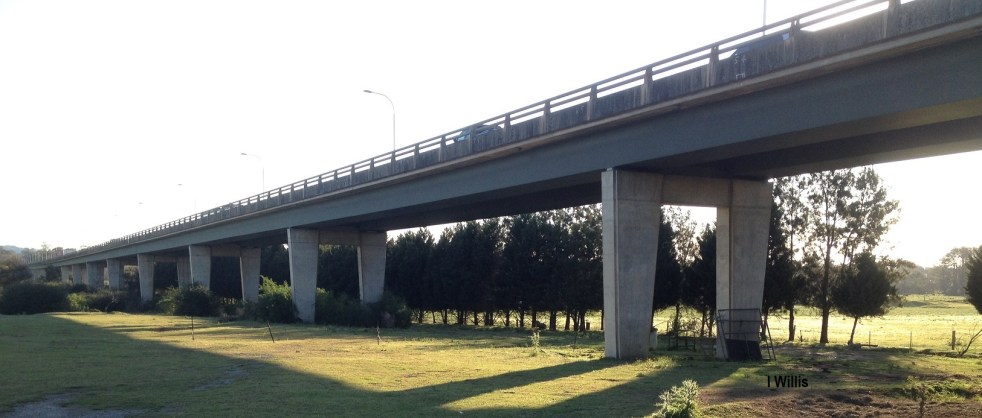
Macarthur Bridge

The Macarthur Bridge across the Nepean River at Camden NSW is an important engineering heritage item.

Camden · Camden Story · Community identity · Cultural Heritage · Heritage · History · Landscape · Local History · Local Studies · Parks · Uncategorized · Urban Planning · Urbanism

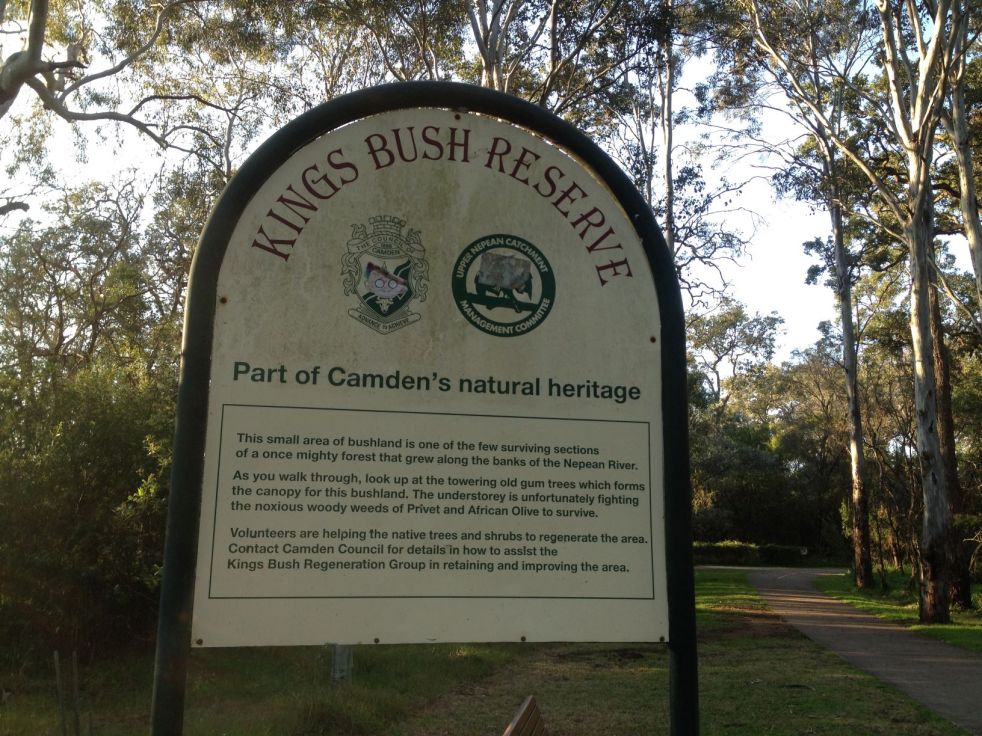
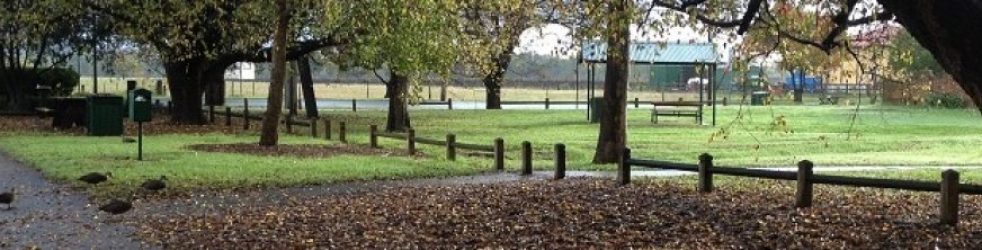
Kings Bush Reserve Camden

Kings Bush is a local Camden remnant of Cumberland Woodland and the Sydney Coastal River Flat Forest on the Nepean River floodplain adjacent to the town centre. The reserve is named after Rev CJ King who was the rector of St Johns Church for 35 years.

Adaptive Re-use · Architecture · Attachment to place · Camden · Camden Cottage · Campbelltown Modernism · Cultural Heritage · Cultural icon · Edwardian · Heritage · Historical Research · History · History of a house · House history · Housing · Living History · Local History · Local Studies · Macarthur · Modernism · Place making · Storytelling · Streetscapes · Urbanism

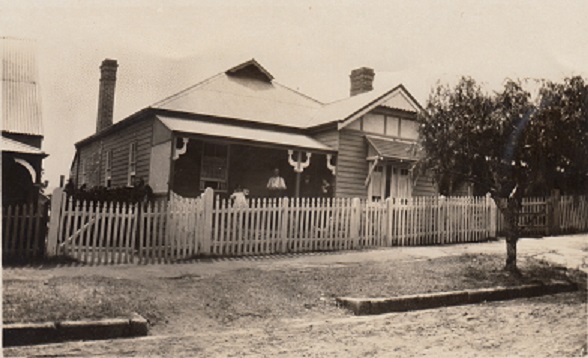
Camden Edwardian Cottages

Camden has quite a number of Edwardian cottages in the town area, on surrounding farms and in local district villages. They are typical of the early twentieth century landscape in the local district. These have been called the Camden Cottage.

20th century · Architecture · Attachment to place · Belonging · Camden · Camden Story · Colonial Camden · Cultural Heritage · Heritage · Historical consciousness · History · History of a house · House history · Housing · Interwar · Lifestyle · Living History · Local History · Local newspapers · Local Studies · Macarthur · Newspapers · Place making · Sense of place · Storytelling · Streetscapes · Urban growth · Urban Planning · Urbanism · Utilities

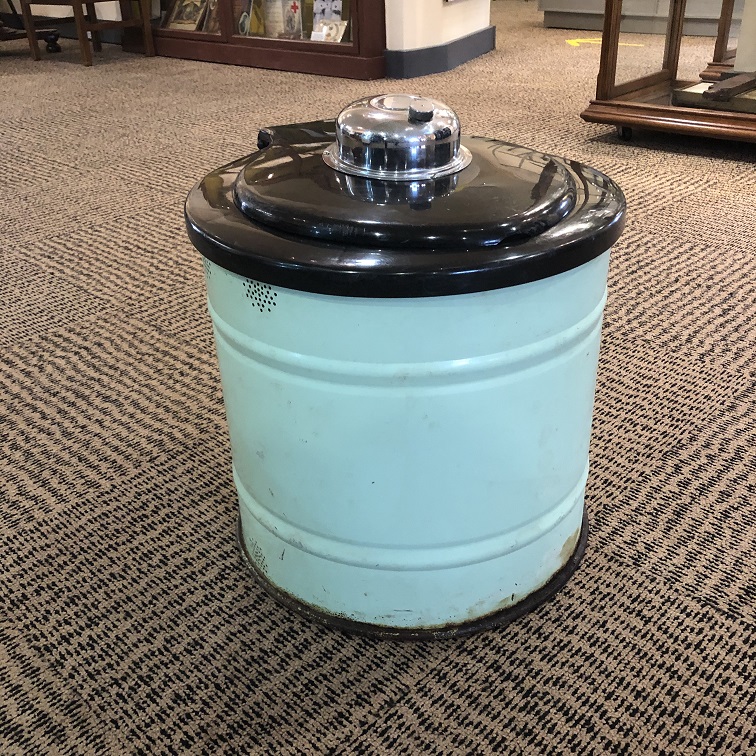
Outhouse at 80 John Street causes a fuss

In the backyard of an historic cottage at 80 John Street there is a funny little dunny that dates from the 1890s. In 2011 it created a great deal of fuss when there was a proposal for a two-storey commercial development at the rear of the cottage site and the demolition of the dunny for parking.

1920s · 20th century · Adaptive Re-use · Architecture · Attachment to place · Burra Charter · Camden · Camden Council · Camden Historical Society · Camden Story · Camden Town Centre · Colonial Camden · Community identity · Cultural Heritage · Education · Heritage · Historical Research · Historical thinking · History · History of a house · House history · Housing · Lifestyle · Living History · Local History · Local Studies · Macarthur · Mid-century modernism · Modernism · Place making · Sense of place · Storytelling · Town planning · Urban Planning · Urbanism

Camden’s heritage inventory

The Camden Heritage Inventory has a list of Camden properties of local and state significant to the district. The formation of the Camden Council Heritage Advisory Committee has assisted the promotion of heritage in the Camden LGA.

Aesthetics · Argyle Street · Attachment to place · Belonging · Camden · Cultural Heritage · Cultural icon · Festivals · Heritage · Historical consciousness · Historical thinking · History · Jacaranda · Living History · Local History · Local newspapers · Local Studies · Macarthur · Macarthur Park · Sense of place · Streetscapes · Trees · Urbanism

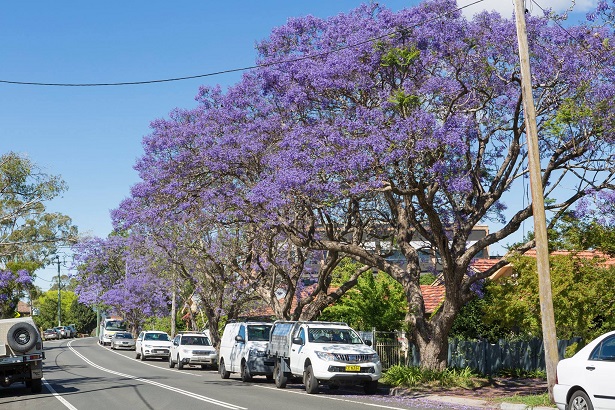
Experience Camden’s Vivid Jacaranda Blooms

Jacaranda trees in bloom create anticipation and excitement in November each year in Camden. The purple haze is an indication that summer and Christmas are not far away. The colours attract locals and visitors to the town centre particularly after a November shower.

1968 Sydney Region Outline Plan · 1973 New Cities Campbelltown Camden Appin Structure Plan · 20th century · Aesthetics · Architecture · Attachment to place · Brutalist Architecture · Built heritag · Campbelltown · Campbelltown Council · Campbelltown Modernism · Campbelltown Municipal Council · Community identity · Cultural Heritage · Cultural icon · Engineering Heritage · Heritage · Historical consciousness · Historical Research · History · Landscape · Landscape aesthetics · Living History · Local History · Local Studies · Macarthur · Memory · Mid-century modernism · Modernism · Place making · Placemaking · Sense of place · Storytelling · Sydney's rural-urban fringe · Town planning · Urban development · Urban growth · Urban history · Urban Planning · urban sprawl · Urbanism

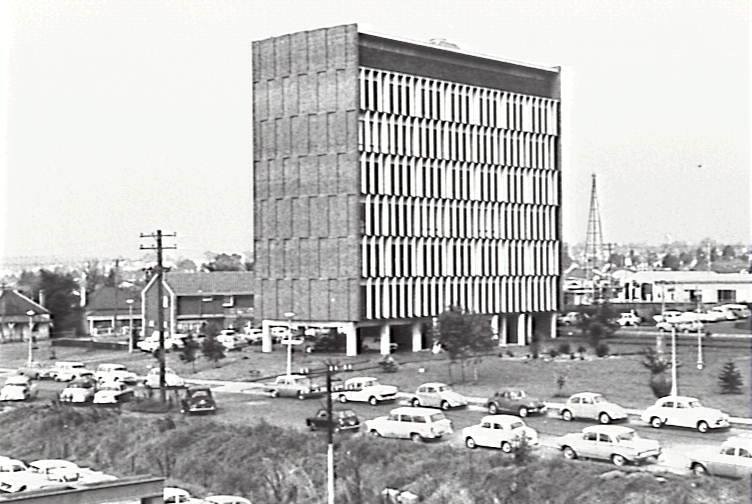
Campbelltown City Council office extension 1982 – an example of mid-century modernism

In 1982 Campbelltown City Council had the official opening for the brutalist administration building. Combined with the adjacent 1964 modernist office building they are an outstanding example of mid-century modernism in the Macarthur region

1968 Sydney Region Outline Plan · 1973 New Cities Campbelltown Camden Appin Structure Plan · Aesthetics · Architecture · Attachment to place · Business · Campbelltown · Campbelltown Council · Campbelltown Mid-century modernism · Campbelltown Modern · Campbelltown Modernism · Campbelltown Municipal Council · Community building · Community identity · Cultural Heritage · Cultural icon · Design · Economy · Heritage · Historical consciousness · Historical Research · Historical thinking · History · Living History · Local History · Local Studies · Macarthur · Macarthur region · Mid-century modernism · Modernism · Place making · Placemaking · Sense of place · Storytelling · Urban development · Urban growth · Urban history · Urban Planning · urban sprawl · Urbanism

Exploring Campbelltown’s Mid-Century Modern Administration Building

The Campbelltown Council office building, completed in 1964, serves as an unrecognized icon of mid-century modernism, symbolizing the town's optimistic vision as a satellite city. Despite its structural significance and initial hopes for community development, later planning challenges undermined this vision, leaving the building's legacy complex and often overlooked.

1920s · 20th century · Aesthetics · Attachment to place · Australia · Camden · Camping · Coal mining · Community identity · Cultural Heritage · Cultural icon · Dairying · Dress history · Engineering Heritage · Family history · Farming · Fashion · Gender · Heritage · Historical consciousness · Historical Research · Historical thinking · History · Industrial Heritage · Interwar · Leisure · Lifestyle · Living History · Local History · Local Studies · Memory · Mining · Modernism · Place making · Railway · Sense of place · Social media · Storytelling · Stuart Park Wollongong · Stuart Park, Wollongong · Technology · Travel · Urbanism · Wollongong · Women's history

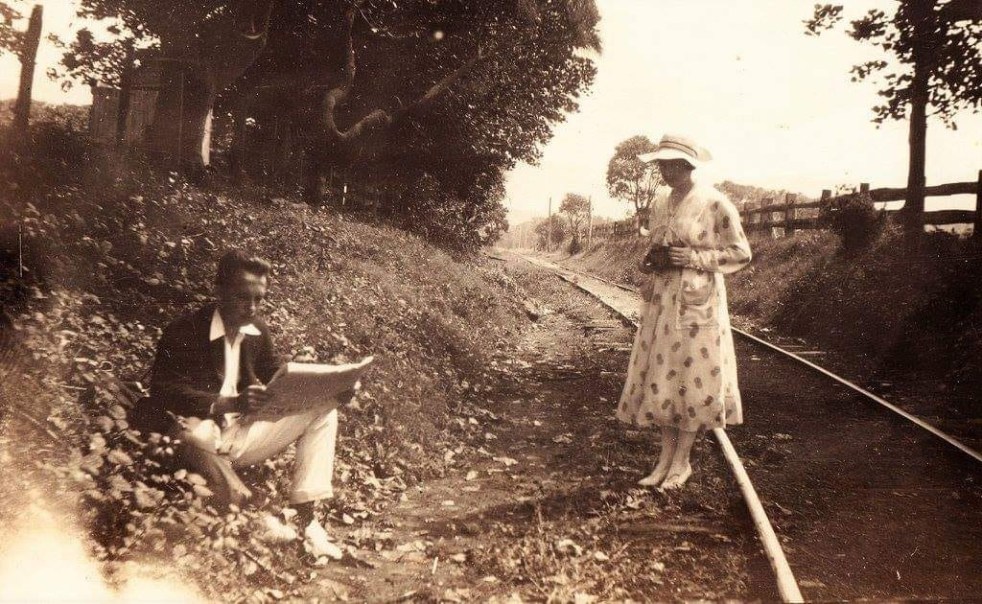
The mysteries of a photograph

How the mysteries of a pretty picture from yesteryear allows you to peel back the layers of the past. Each layer has a meaning and a story that is told by the historian. The stories provide context for the photograph and give it greater meaning.

1920s · Attachment to place · Australia · Belonging · Burragorang Valley · Camden · Colonial Camden · Community identity · Cultural Heritage · Cultural icon · Dairying · Economy · Farming · First World War · Heritage · Historical consciousness · Historical Research · Historical thinking · History · House history · Landscape · Lifestyle · Living History · Local History · Local newspapers · Local Studies · Macarthur · Memory · Modernism · Myths · Newspapers · Place making · Ruralism · Second World War · Sense of place · Storytelling · Sydney's rural-urban fringe · Tourism · Travel · Urban growth · Urban Planning · urban sprawl · Urbanism · War · War at home · Women's history

The Camden district in 1939

The 1939 Camden district concept was developed in the 1990s by UOW historian Dr Ian Willis as part of his research on the effect of the Second World War on Camden township.