
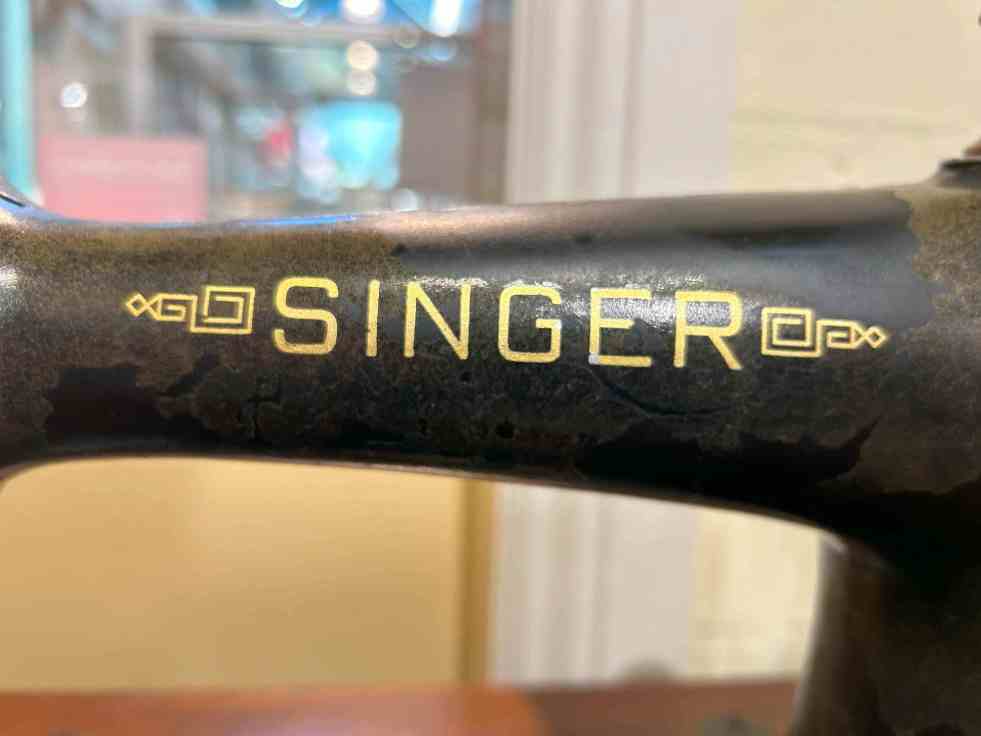
The Camden Museum features a collection of historical sewing machines, highlighting their significance in women's domestic lives and agency since the 19th century. These machines facilitated garment production and enabled some women to establish dressmaking businesses, showcasing their skills while enhancing independence during times of social change, including both World Wars.
Category: 19th Century


Understanding Liberalism: Key Concepts and Historical Context
Liberalism is a political philosophy emphasizing individual rights, liberty, and equality, rooted in Enlightenment ideals. It evolved from classical liberalism, championing free markets and minimal government, to social liberalism, advocating state intervention for social welfare. Prominent thinkers, including Locke and Mill, shaped liberalism's principles, influencing democratic revolutions and debates on individual freedom.
Share this:

Share this:
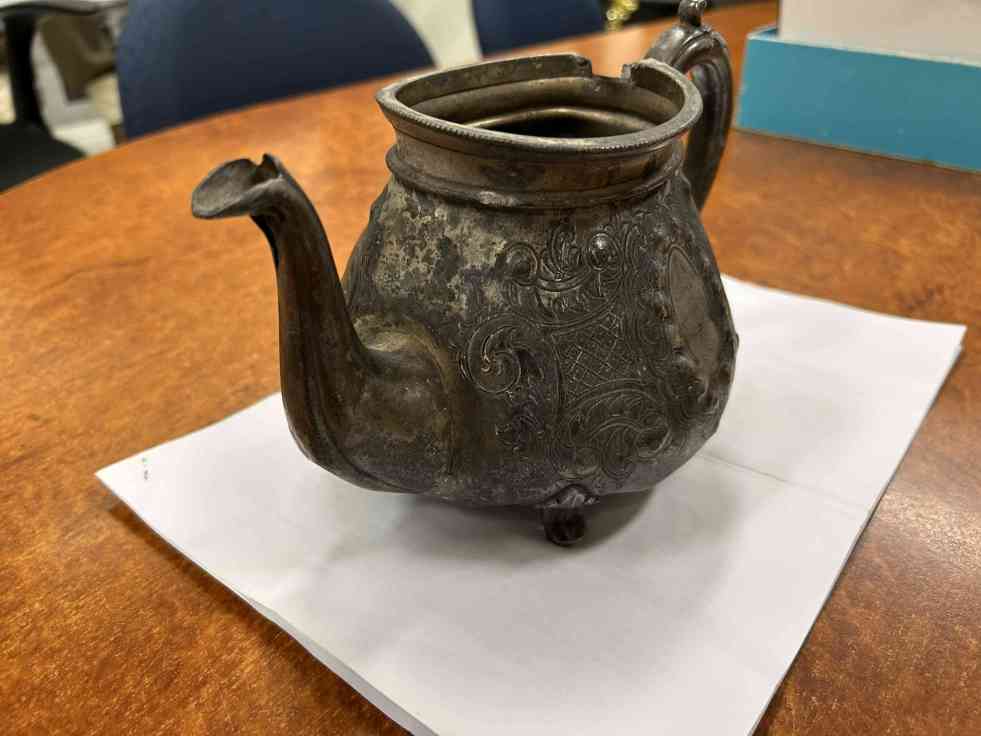
The Fascinating History of Camden’s 1876 Sports Day Trophy
The Camden Museum has acquired a 149-year-old teapot trophy from a sports day on May 24, 1876, celebrating Queen Victoria's birthday. It is the oldest trophy in the museum's collection, reflecting communal festivities and competitive spirit of the era. The trophy was donated by Alf and Sharon Cantrell.
Share this:

Share this:
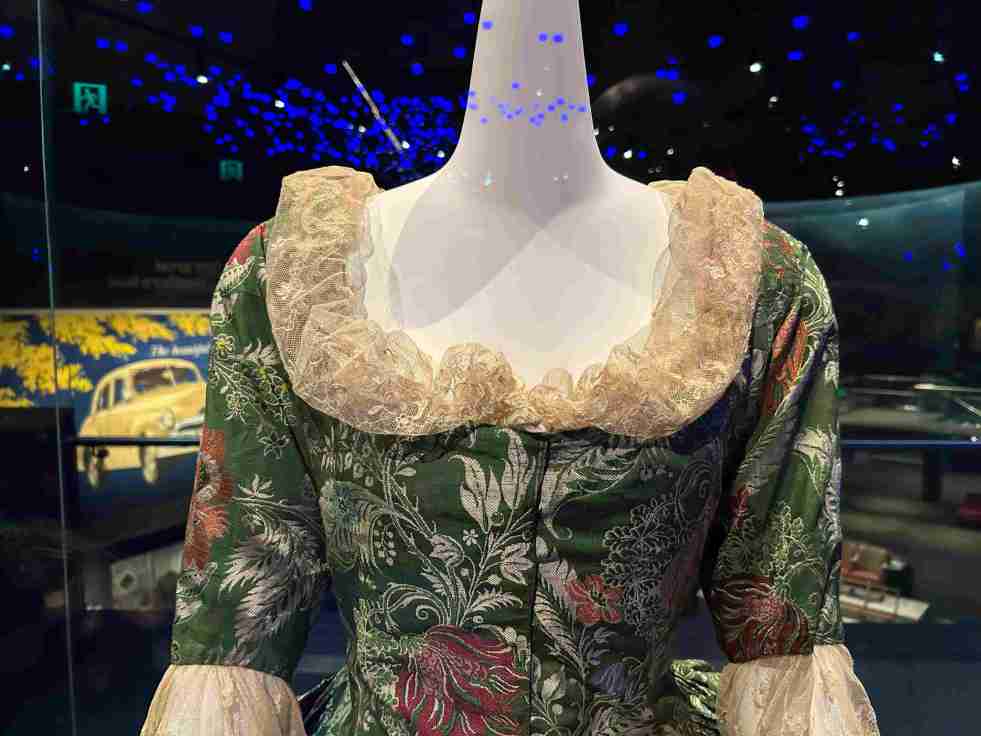
Clarice Faithfull Anderson’s Historic Ball Gown
The 1929 CWA Blue & Gold Ball at Sydney's Ambassador Cabaret was a prestigious fundraising event attended by significant dignitaries, including the Governor General. The ball featured "living pictures" and showcased elaborate gowns, including Clarice Faithfull Anderson's historic dress from the 18th century, which later became a treasured family heirloom and is now part of the textile collection of the National Museum of Australia.
Share this:

Share this:
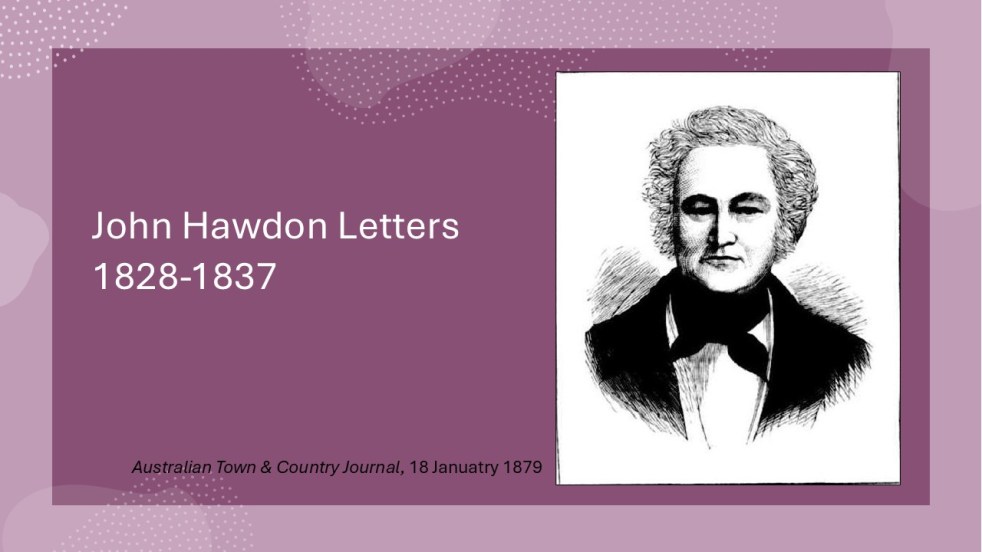
Insights from the Hawdon Letters: Colonial Life in NSW, Part 3, 1833-1837
The letters of John Hawdon and others from 1828 to 1837, preserved in the State Library of NSW, provide insights into colonial life in New South Wales. They highlight themes of isolation, communication challenges, economic struggles, and attitudes toward gender and Indigenous populations, alongside Hawdon's farming experiences and family connections.
Share this:

Share this:
Insights from the Hawdon Letters: Colonial Life in NSW, Part 2, 1831-1833
John Hawdon's letters from New South Wales (1831-1833) reveal colonial life, highlighting farming challenges, isolation from England, and the high costs of communication. These letters provide insights into market conditions, crop successes, and family updates, showcasing the Hawdons' experiences and adaptations in a new land, while retaining original spelling and structure.
Share this:

Share this:
Camden’s Treadle Sewing Machine: A Revolution in Women’s Agency
The Camden Museum's treadle sewing machine symbolizes the significant role of sewing in women's lives from the 19th century onwards. Sewing machines democratized work, enhancing women’s agency by saving time and allowing for business opportunities. Women contributed immensely to the war efforts through Red Cross circles, producing thousands of items during both World Wars.
Share this:

Share this:
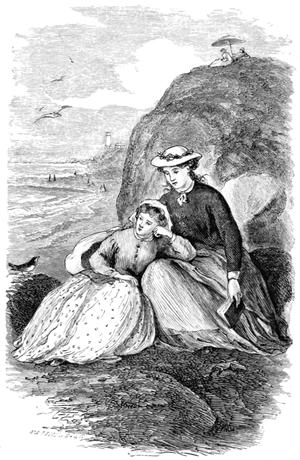
The Role of Scarlet Fever in Literature and Film
Scarlet fever, the disease, historically depicted in literature and film, caused widespread fear and hardship, significantly impacting dairy farming communities. Numerous works illustrate its societal ramifications and personal tragedies. Notable figures who contracted scarlet fever included Thomas Edison and members of the Darwin family. Scarlet fever emerged in Camden in the late 1890s, prompting the establishment of a cottage hospital due to its severe impact on dairy farmers.
Share this:

Share this:
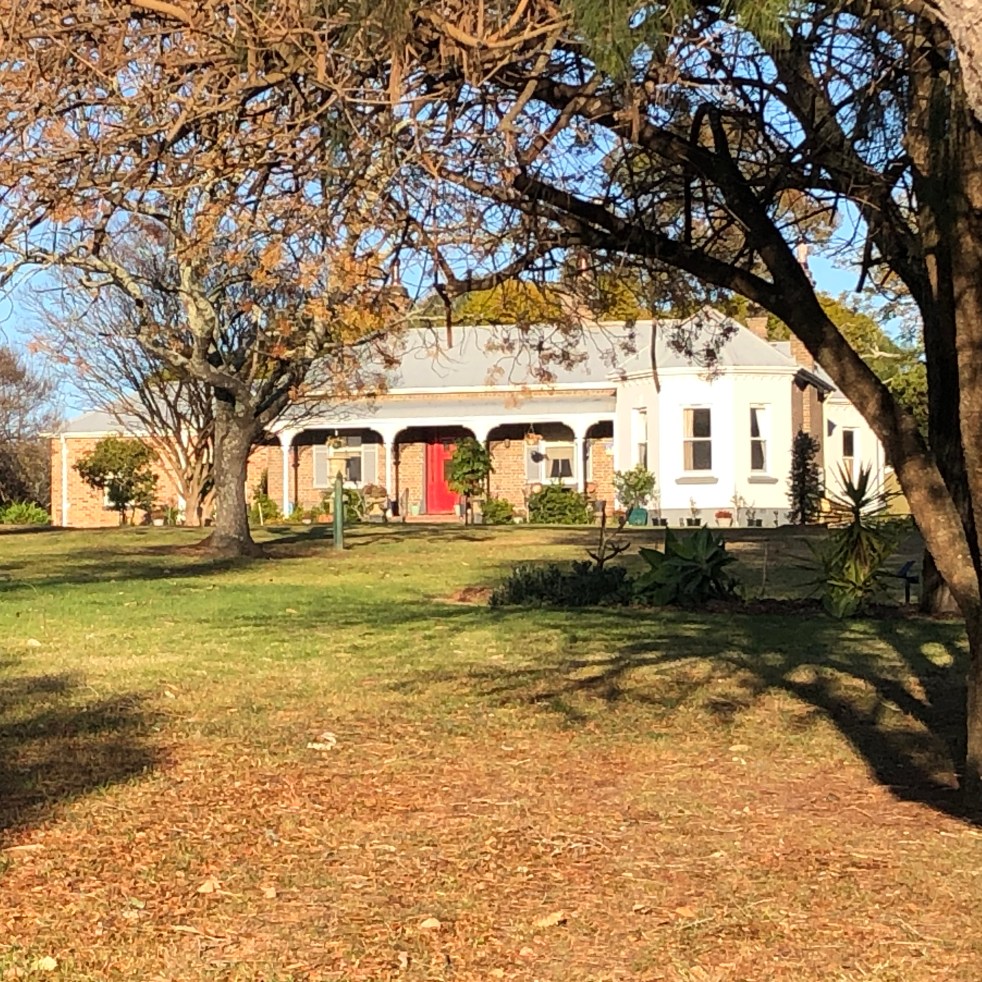
Exploring Hilsyde: A Look at Elderslie’s Historic Home
Hilsyde, originally known as Pammenter, is a Victorian single-storey brick residence built in 1888 by WC Furner in Elderslie. The property features a galvanised iron roof, bay windows, and retains good integrity. It served as Hilsyde Lodge from 1978 to 2003, catering to Christian women workers, and is heritage-listed.
Share this:

Share this:
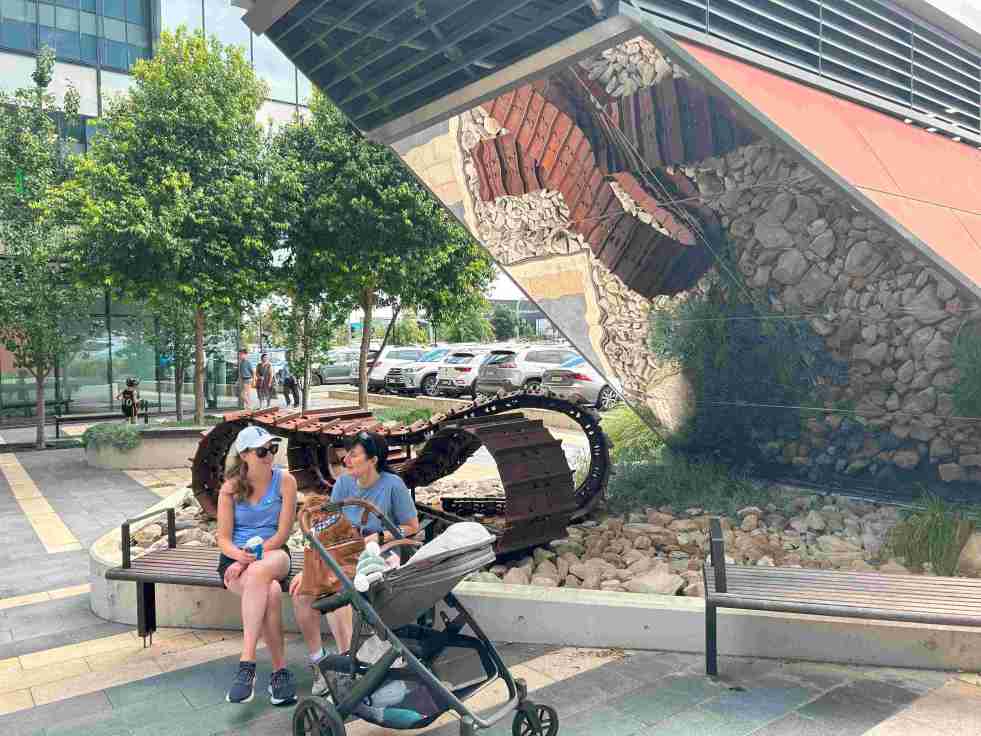
Exploring the ‘Infinity Tracks’ Art Installation in Oran Park
The 'Infinity Tracks' art installation in Oran Park honors the region's heavy haulage industry, highlighting the historical impact of the transport industry and Oran Park Town urban development. Commissioned in 2020 by Greenfields Development Co and TRN House, it enhances the forecourt's aesthetic while reflecting the area's economic growth and employment contributions from the haulage sector and urban development.

