Aesthetics · Art · Artists · Artworks · Attachment to place · Belonging · Camden Art Group · Camden Public School · Camden Realism · Camden Story · Campbelltown · Campbelltown Art Centre · Community identity · Cultural Heritage · GLAM Sector · Heritage · Historical consciousness · Historical thinking · Landscape · Landscape aesthetics · Living History · Local History · Macarthur region · Memory · Place making · Public art · Realism · Sense of place · Stories · Storytelling · Tourism

Exploring Camden Realism: Art as storytelling

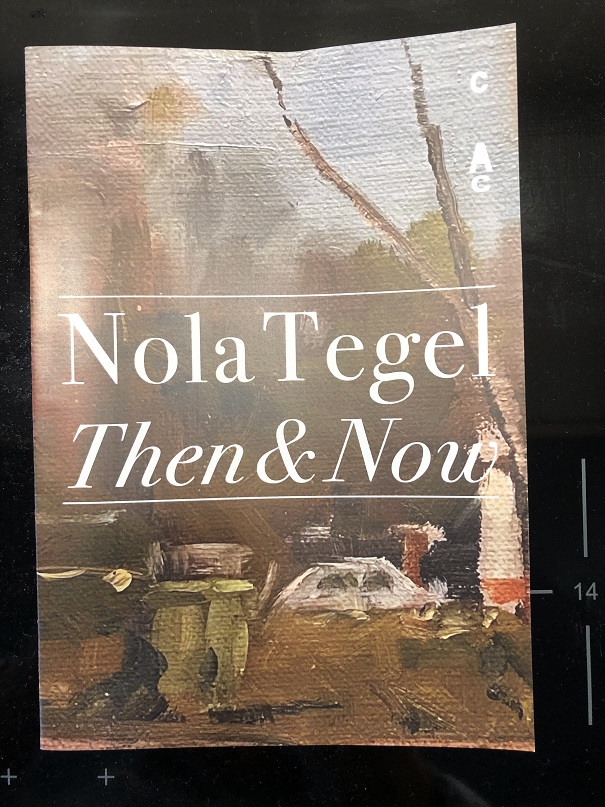
Camden Realism is an art style emerging in the Macarthur region, characterized by storytelling through representational artworks. Artists like Nola Tegel and Patricia Johnston, influenced by Alan Baker, capture local history and change. Exhibitions at Campbelltown Arts Centre showcase their work, reflecting the evolving landscape and community identity.

Aesthetics · Agricultural heritage · Agriculture · Argyle Street · Attachment to place · Built heritag · Camden · Camden Airfield · Camden Show · Camden Story · Camden Town Centre · Churches · Cobbitty · Colonial Camden · Colonialism · Community identity · Country town · Cultural and Heritage Tourism · Cultural Heritage · Cumberland Plain · Farming · Floods · Heritage · History · Landscape · Living History · Local History · Local Studies · Macarthur Park · Onslow Park · Place making · Placemaking · Railway · Sense of place · Storytelling · Tourism

Camden, the best preserved country town on the Cumberland Plain

The historic town of Camden is hailed by architect Hector Abrahams as the best-preserved country town on the Cumberland Plain. Established in 1840, it offers a glimpse of Victorian and early 20th-century charm. Visitors can explore its heritage precinct, rural landscapes, historic villages, and even relive the town's aviation history.

1920s · Advertising · Aesthetics · Attachment to place · Belonging · Community identity · Cultural Heritage · Cultural icon · Dress history · Fashion · Heritage · Historical consciousness · History · Interwar · Lifestyle · Living History · Local History · Local newspapers · Local Studies · Modernism · Movies · Myths · Place making · Sense of place · Stereotypes · Storytelling · Uncategorized · Women's history

The Camden News affronted by Sydney ‘flappers’ and the appearance of the modern girl.

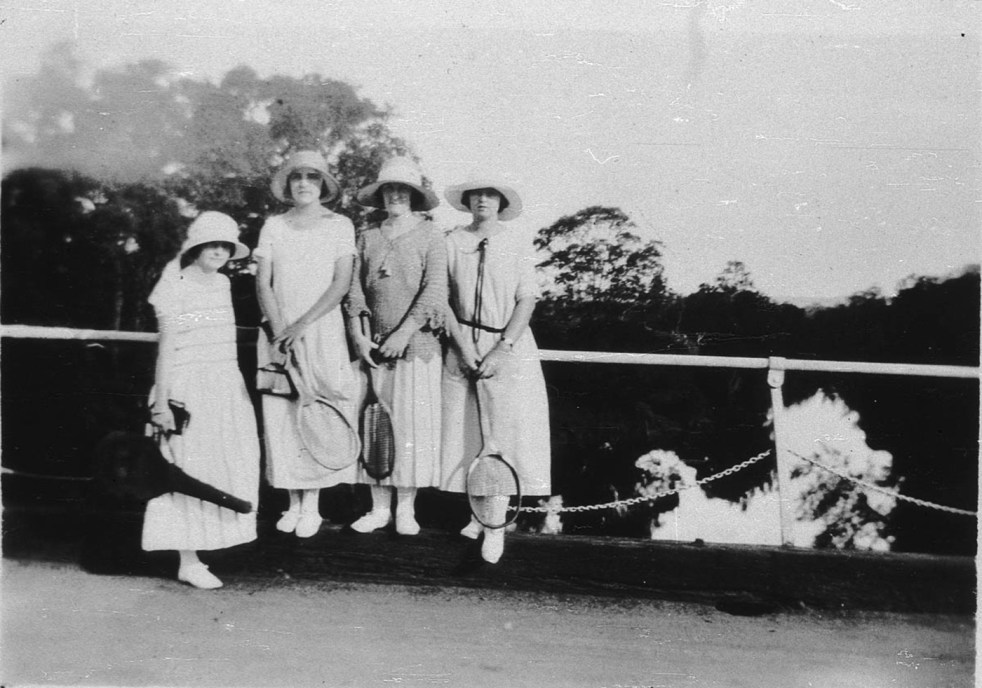
The modern girl appeared in Camden in the 1920s as she did elsewhere in the world. One representation of the modern girl was the 'flapper' who had a variety of responses in the town.

Aesthetics · Art · Attachment to place · Belonging · Cultural Heritage · Education · Family history · Heritage · Historical consciousness · Historical Research · Historical thinking · History · Landscape · Landscape aesthetics · Legends · Living History · Local History · Local Studies · Memory · Myths · Place making · Sense of place · Stereotypes · Storytelling · Streetscapes · Tourism · Uncategorized

Take a stroll through the past

The past is all around us and has created the present. The present would not exist without the past. We need to understand the past to understand the present.

Aesthetics · Agricultural heritage · Art · Artists · Attachment to place · Belonging · British colonialism · Burragorang Valley · Camden · Camden Hospital · Camden Story · Church History · Coal mining · Colonial Camden · Community identity · Cultural Heritage · Cultural icon · Dairying · Dharawal · Farming · Heritage · Historical consciousness · Historical thinking · History · Living History · Local History · Local Studies · Macarthur · Memorial · Memorialisation · Memorials · Memory · Mid-century modernism · Modernism · Monuments · Pioneers · Place making · Public art · Sense of place · Settler colonialism · Settler Society · Social History · Stereotypes · Storytelling · Tourism

Camden Rotary Pioneer Mural: public art, a mural, a memorial wall and a wishing well

The Camden Pioneer Mural is an example of public art. The Camden mural depicts the Camden story as interpreted in 1962 by ceramic artist Byram Mansell.

Aesthetics · Argyle Street · Attachment to place · Belonging · Camden · Cultural Heritage · Cultural icon · Festivals · Heritage · Historical consciousness · Historical thinking · History · Jacaranda · Living History · Local History · Local newspapers · Local Studies · Macarthur · Macarthur Park · Sense of place · Streetscapes · Trees · Urbanism

Experience Camden’s Vivid Jacaranda Blooms

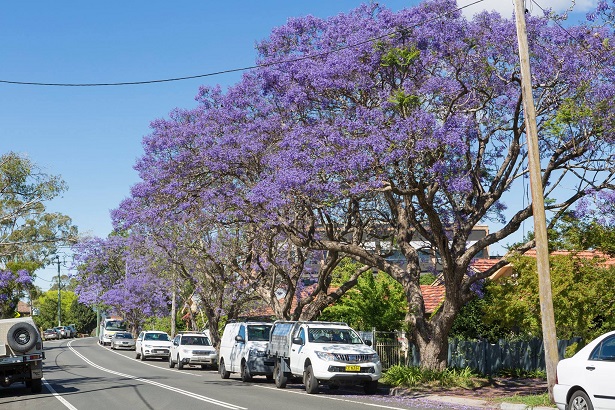
Jacaranda trees in bloom create anticipation and excitement in November each year in Camden. The purple haze is an indication that summer and Christmas are not far away. The colours attract locals and visitors to the town centre particularly after a November shower.

1968 Sydney Region Outline Plan · 1973 New Cities Campbelltown Camden Appin Structure Plan · 20th century · Aesthetics · Architecture · Attachment to place · Brutalist Architecture · Built heritag · Campbelltown · Campbelltown Council · Campbelltown Modernism · Campbelltown Municipal Council · Community identity · Cultural Heritage · Cultural icon · Engineering Heritage · Heritage · Historical consciousness · Historical Research · History · Landscape · Landscape aesthetics · Living History · Local History · Local Studies · Macarthur · Memory · Mid-century modernism · Modernism · Place making · Placemaking · Sense of place · Storytelling · Sydney's rural-urban fringe · Town planning · Urban development · Urban growth · Urban history · Urban Planning · urban sprawl · Urbanism

Campbelltown City Council office extension 1982 – an example of mid-century modernism

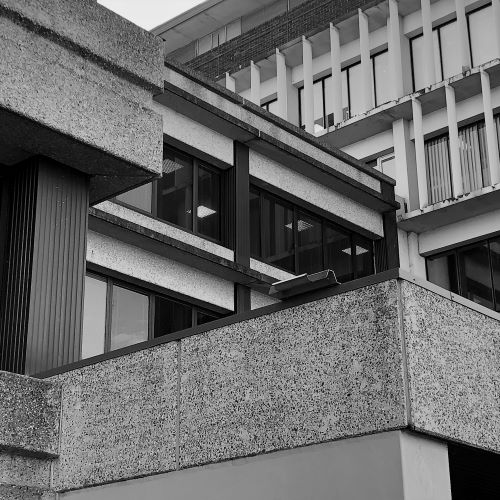
In 1982 Campbelltown City Council had the official opening for the brutalist administration building. Combined with the adjacent 1964 modernist office building they are an outstanding example of mid-century modernism in the Macarthur region

1968 Sydney Region Outline Plan · 1973 New Cities Campbelltown Camden Appin Structure Plan · Aesthetics · Architecture · Attachment to place · Business · Campbelltown · Campbelltown Council · Campbelltown Mid-century modernism · Campbelltown Modern · Campbelltown Modernism · Campbelltown Municipal Council · Community building · Community identity · Cultural Heritage · Cultural icon · Design · Economy · Heritage · Historical consciousness · Historical Research · Historical thinking · History · Living History · Local History · Local Studies · Macarthur · Macarthur region · Mid-century modernism · Modernism · Place making · Placemaking · Sense of place · Storytelling · Urban development · Urban growth · Urban history · Urban Planning · urban sprawl · Urbanism

Exploring Campbelltown’s Mid-Century Modern Administration Building

The Campbelltown Council office building, completed in 1964, serves as an unrecognized icon of mid-century modernism, symbolizing the town's optimistic vision as a satellite city. Despite its structural significance and initial hopes for community development, later planning challenges undermined this vision, leaving the building's legacy complex and often overlooked.

1920s · 1973 New Cities Campbelltown Camden Appin Structure Plan · Aesthetics · Agriculture · Attachment to place · Belonging · British colonialism · Camden · Camden Council · Camden Story · Camden Town Centre · Cobbitty · Colonial Camden · Colonial frontier · Colonialism · Community identity · Cowpastures · Cultural Heritage · Cultural icon · Curtilage · Denbigh · Dharawal · Economy · Edwardian · England · Farming · Frontier violence · Georgian · Gothic · Governor Macquarie · Heritage · Historical consciousness · Historical Research · Historical thinking · History · Interwar · Landscape · Landscape aesthetics · Living History · Local History · Local Studies · Macarthur · Memory · Menangle · Modernism · Place making · Ruralism · Sense of place · Settler colonialism · Storytelling · Town planning · Urban growth · Urban Planning · Victorian

Camden Heritage Conservation Area – an English-style village in the Cowpastures

The Macarthur private village of Camden was located in the English style countryside of the Cowpastures countryside with its gentry estates and villages. Founded in 1840 it was all part the British imperial imperative and the settler colonial project that came with it.

20th century · Aesthetics · Anzac · Art · Attachment to place · Australia · Belonging · Camden · Camden Airfield · Churches · Community Health · Community identity · Cultural Heritage · Cultural icon · Education · Family history · Festivals · First World War · Heritage · Historical consciousness · Historical Research · Historical thinking · History · Interwar · Living History · Local History · Local newspapers · Local Studies · Memorials · Memory · Menangle Army Camp · Military history · Modernism · Myths · Narellan Military Camp · Newspapers · Place making · Public art · Red Cross · Second World War · Sense of place · Stereotypes · Storytelling · Volunteering · Volunteerism · War · War at home · Wartime

Understanding the Anzac Myth: Truths and Contradictions

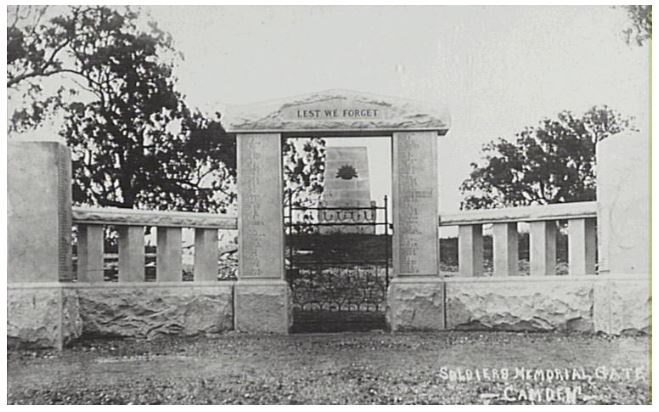
The Anzac story is vital to Australian identity, yet its meaning remains contested. Historian Dr. Jen Roberts argues that the narrative, while centered on duty and sacrifice, encompasses contradictions surrounding nationalism, trauma, and the realities of war. Anzac's evolution reflects cultural transformations, highlighting diverse interpretations and ongoing relevance in society.